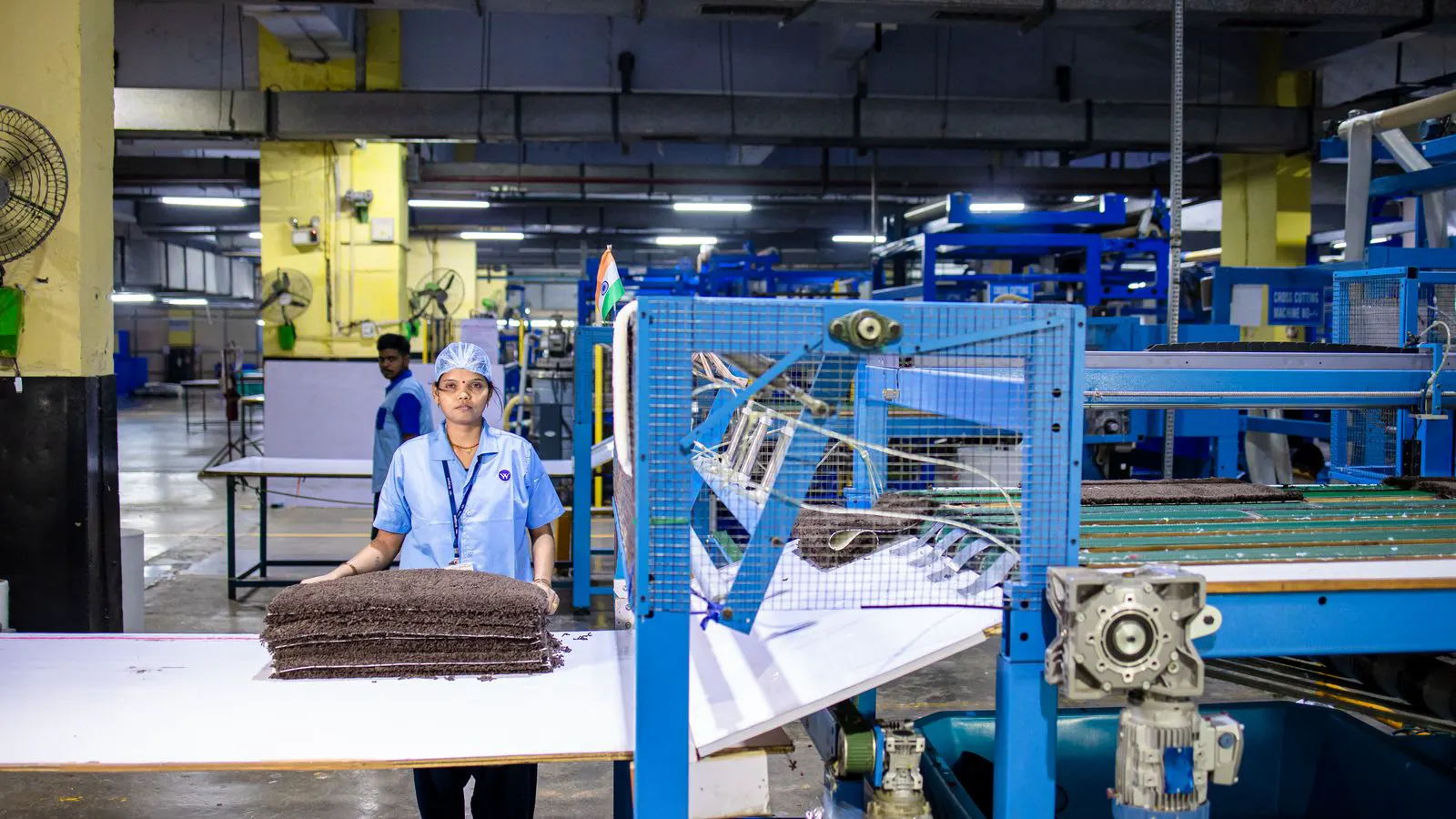
Sizing & Throughput
Troubleshooting Low Throughput in Case Packers
Low throughput in case packers usually stems from feeder jams, slow case infeed, reject pileups, or cycle time loss. Fixing these mechanical and material issues restores
Learn how to evaluate machine dimensions, production rates, and capacity requirements to fit your available floor space.
Low throughput in case packers usually stems from feeder jams, slow case infeed, reject pileups, or cycle time loss. Fixing these mechanical and material issues restores
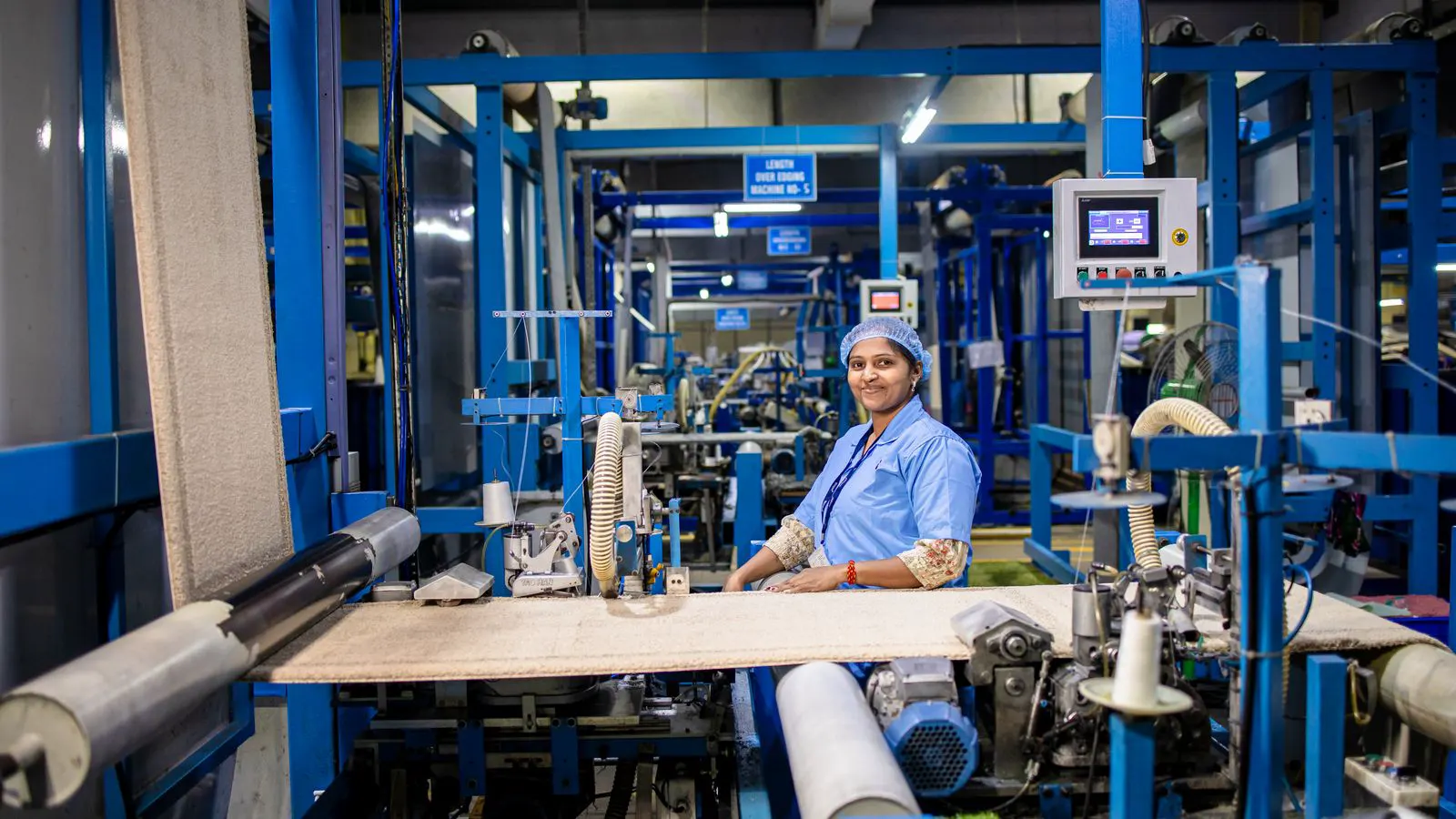
Calculate machine footprint by measuring installed dimensions, adding clearance, and verifying line layout. This method ensures proper floor space for new packaging
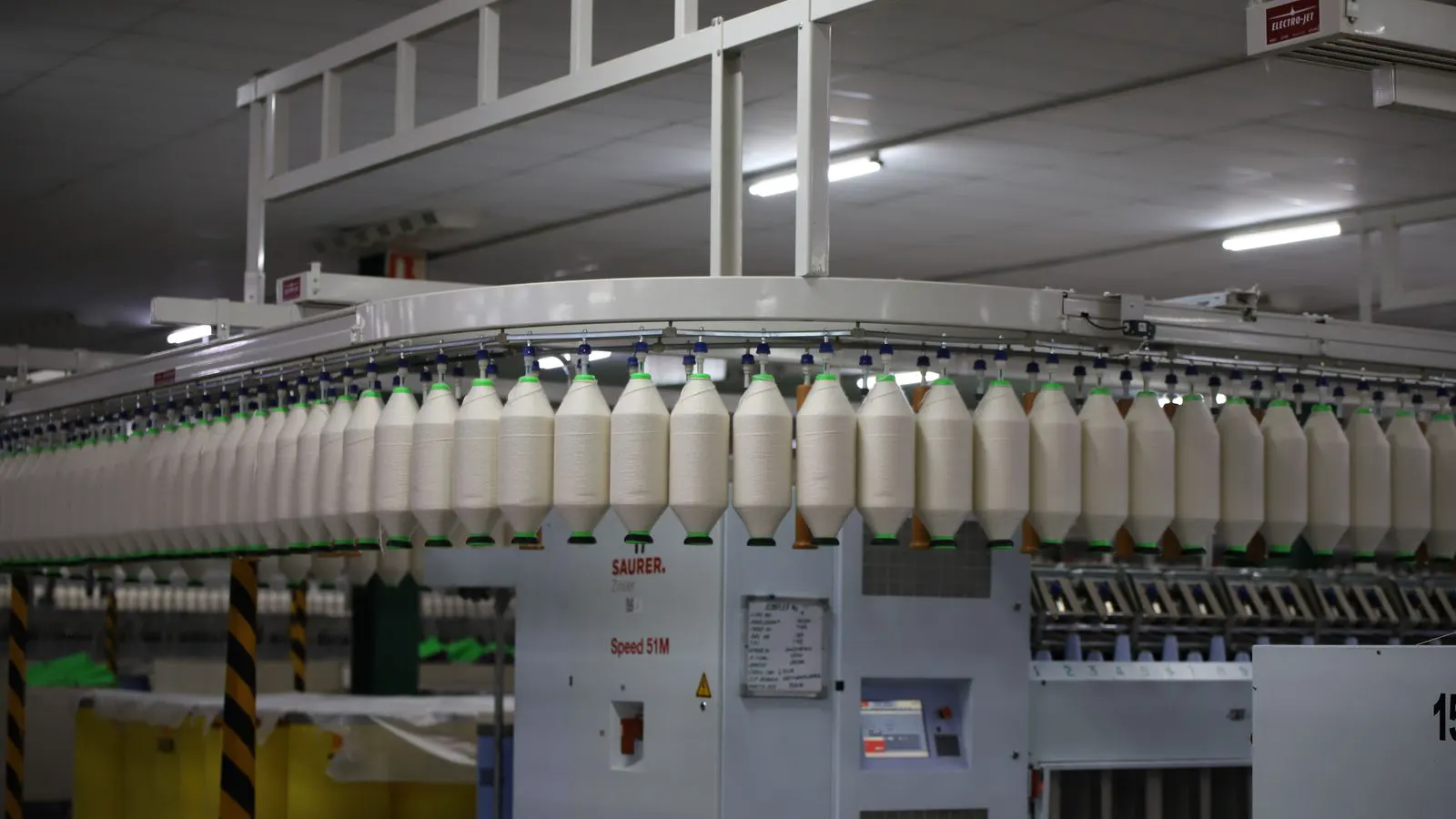
Modular packaging lines support production capacity by allowing staged machine additions. This approach reduces upfront capital risk. Buyers should plan for footprint

Single-head rotary fillers prioritize precision for low volumes, while multi-head units boost throughput for high-volume lines. The right choice depends on your target
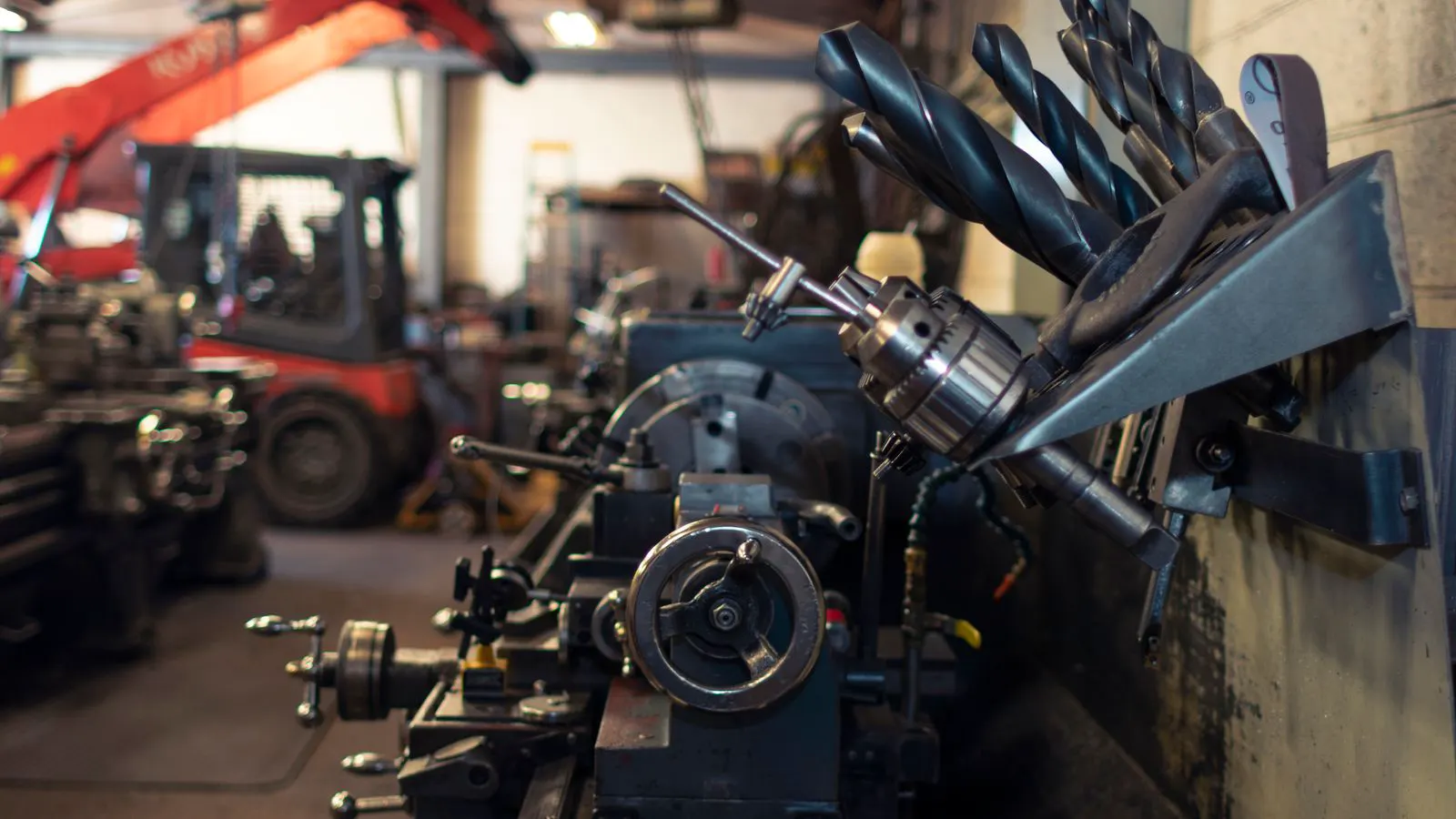
This guide provides a numbered checklist for validating machine footprint and floor space during a packaging line retrofit. It covers clearances, utility connections
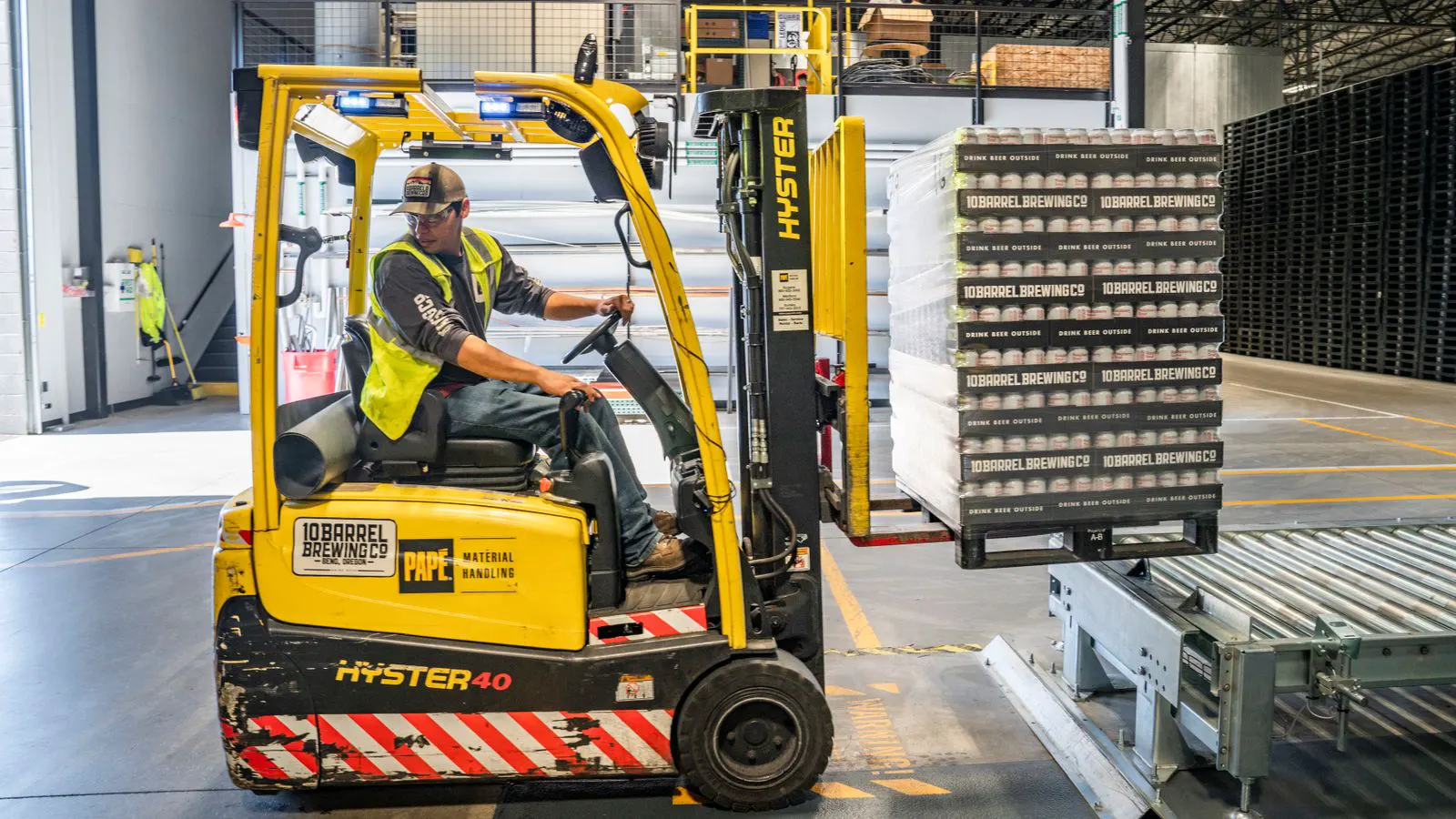
To determine the required palletizing machine speed, match the upstream case output to the pallet stack height and width. Use case stacking rates to identify the
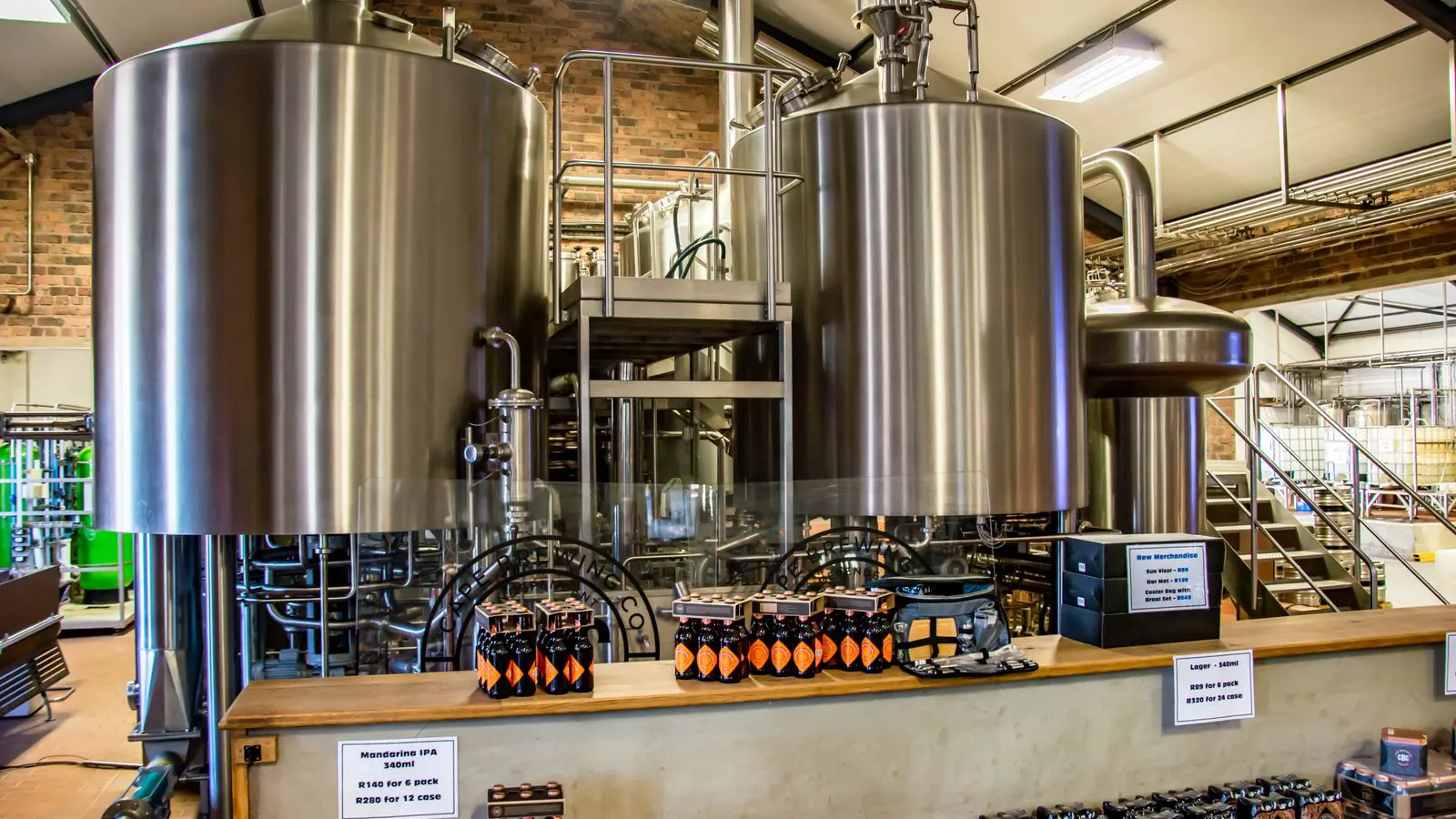
High-volume filler cost depends on capacity, bottle type, and line integration. Lead time varies by complexity and supplier production load. A clear RFQ and fair quote
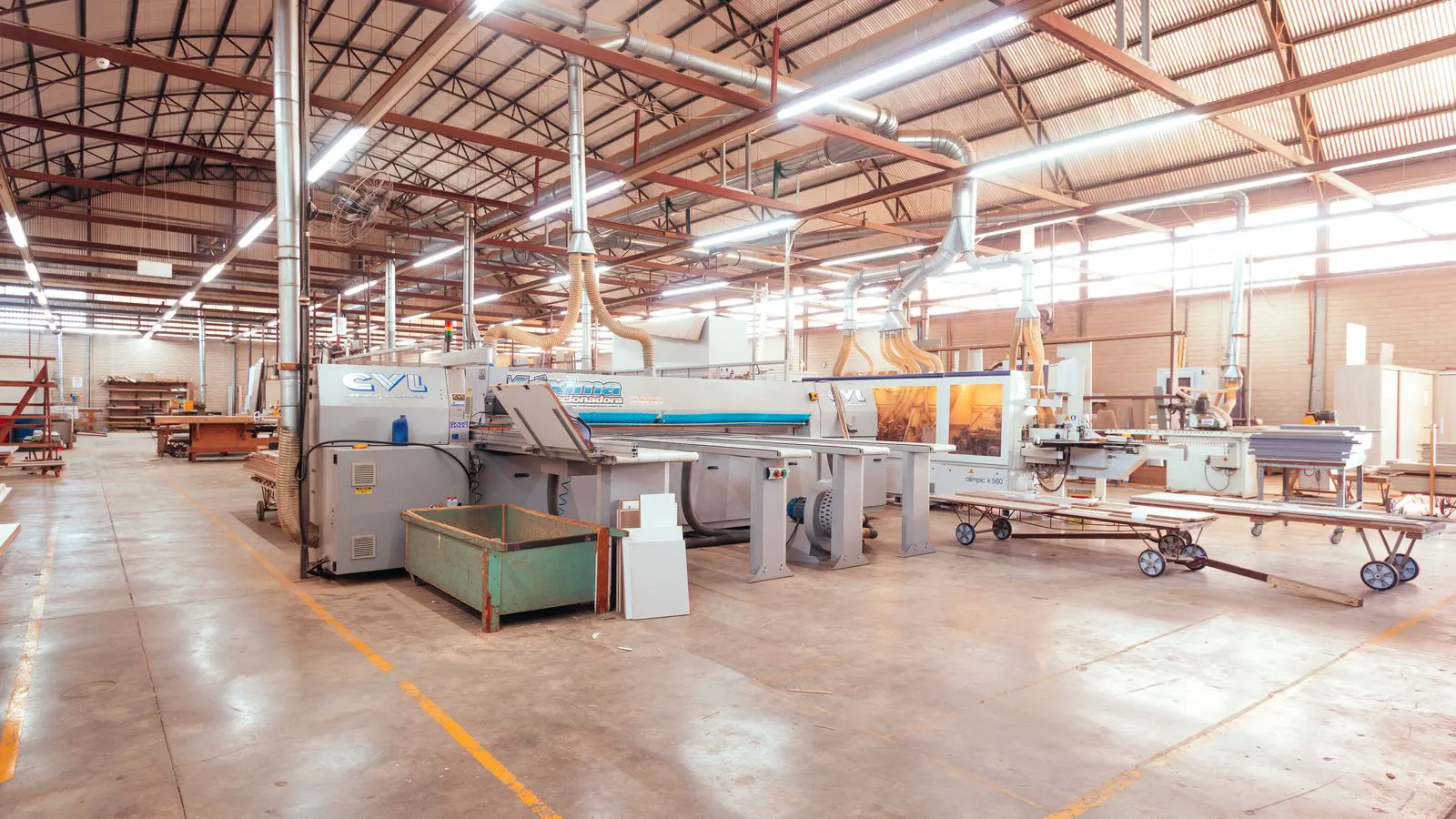
Machine footprint and line speed are linked. A faster line often needs a larger footprint to handle the material flow, while a compact unit may limit throughput.
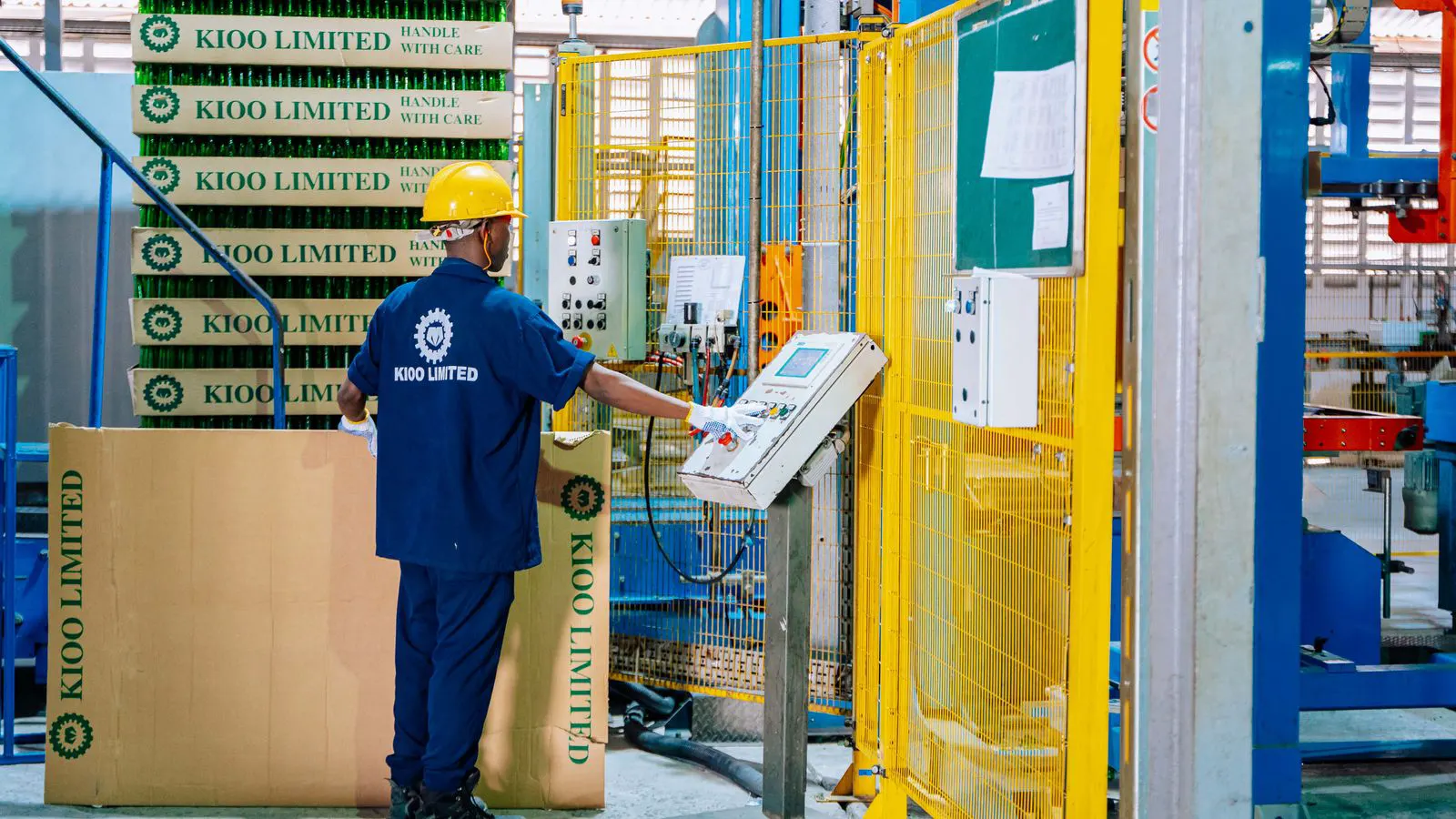
A delta palletizer prioritizes speed and footprint, while a 4-axis unit offers higher stacking accuracy and flexibility. The right choice depends on case geometry
Palletizer overload faults usually stem from case misfeeds, sensor misalignment, or mechanical wear. This guide lists common symptoms, likely causes, and practical
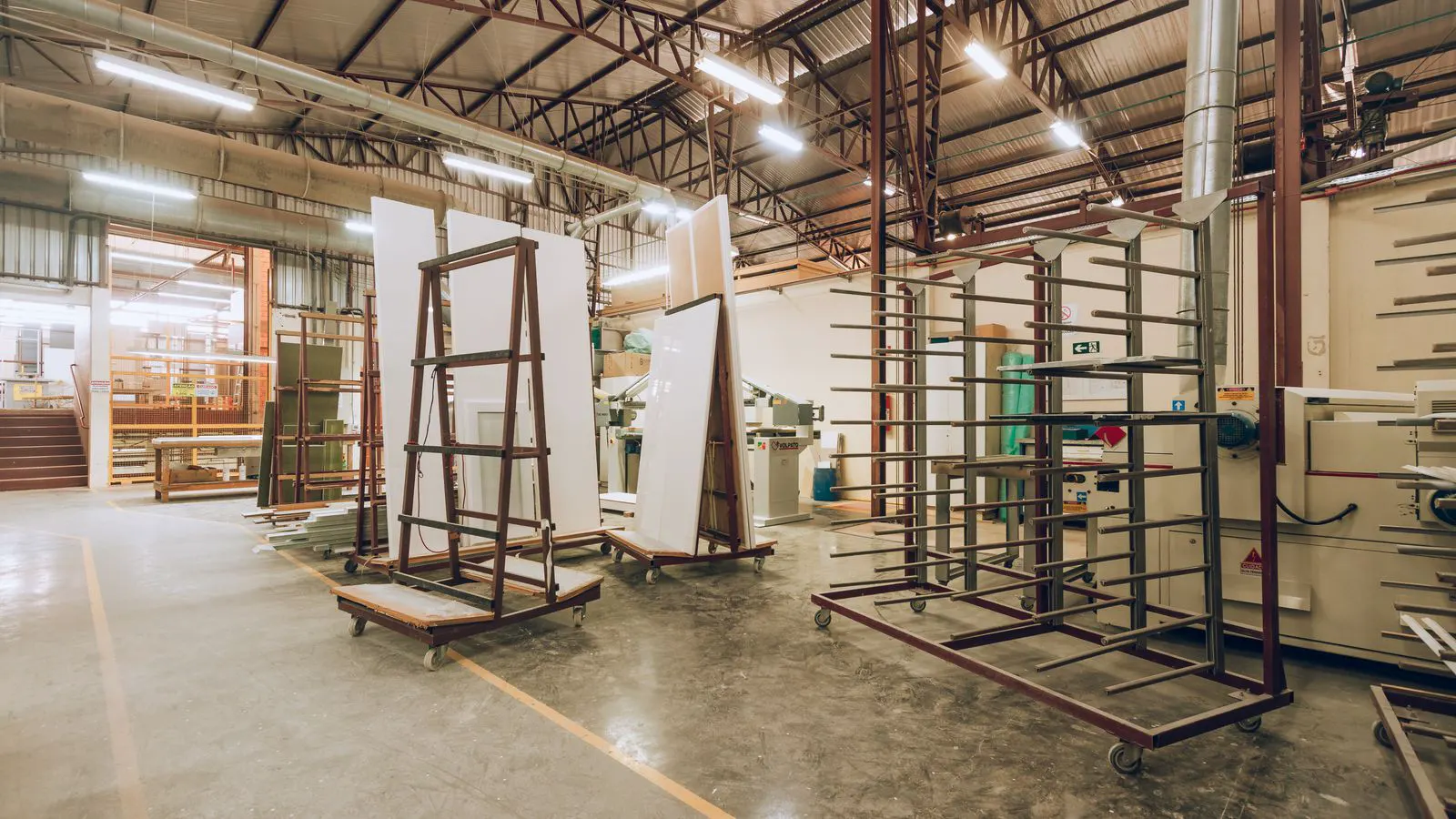
This checklist validates machine fit by checking floor space, access, installation requirements, and utility connections. It helps buyers catch layout conflicts before
Modular filling lines let you scale production capacity without replacing the whole system. They handle line flexibility for new products by swapping stations. This