Wrapping & Labeling
Checklist: Verifying Label Adhesion on Flow Wrap Lines
A label adhesion checklist provides a step-by-step validation protocol for flow wrap quality control. It helps engineers verify label application verification through
Practical guides for selecting and operating packaging machinery.
Buyers evaluate packaging machinery through specific criteria: throughput capacity, material compatibility, maintenance access, and total cost of ownership. This site provides the technical details needed to compare options before requesting quotes or visiting factories.
The content focuses on the physical realities of production lines. It explains how filling valves, sealing jaws, and palletizing arms interact with product formats. It covers the inspection points and documentation that determine whether a line meets hygiene and safety requirements.
Start with the stage of the sourcing process you are in.
Explore machine types, filling speeds, and sealing technologies for liquids, powders, and solids with practical guidance.
Compare shrink wrap, flow wrap, and label application systems to match your product shape, material, and production rate.
Review palletizer models, case packers, and end-of-line robots for efficient case stacking and pallet preparation.
Learn how to evaluate machine dimensions, production rates, and capacity requirements to fit your available floor space.
Understand food-grade design, easy-clean features, and common compliance expectations for hygienic and regulated packaging lines.
Examine purchase price, operating costs, and return on investment factors to make informed decisions on packaging machinery.
Get practical tips for evaluating suppliers, service networks, spare parts availability, and after-sales support before buying.
A label adhesion checklist provides a step-by-step validation protocol for flow wrap quality control. It helps engineers verify label application verification through
Choosing a bulk bag wrapping machine requires checking seal integrity, film handling, and machine size. This guide lists key criteria for buyers to ensure reliable

A rotary filler is a filling machine that uses a rotating carousel of cups to dose liquid products. Each cup aligns with a valve or nozzle for precise dispensing. This
Supplier reference checks are a structured way to verify a machinery vendor's reliability through peer and client feedback. This guide outlines how to identify credible

For bottled goods, shrink wrap and flow wrap differ in film structure, sealing method, and machine requirements. Engineers must match the wrapping method to product

A wrapping system is a machine configuration that moves flexible products through film, label, and seal zones. It protects soft goods from damage. Understanding its
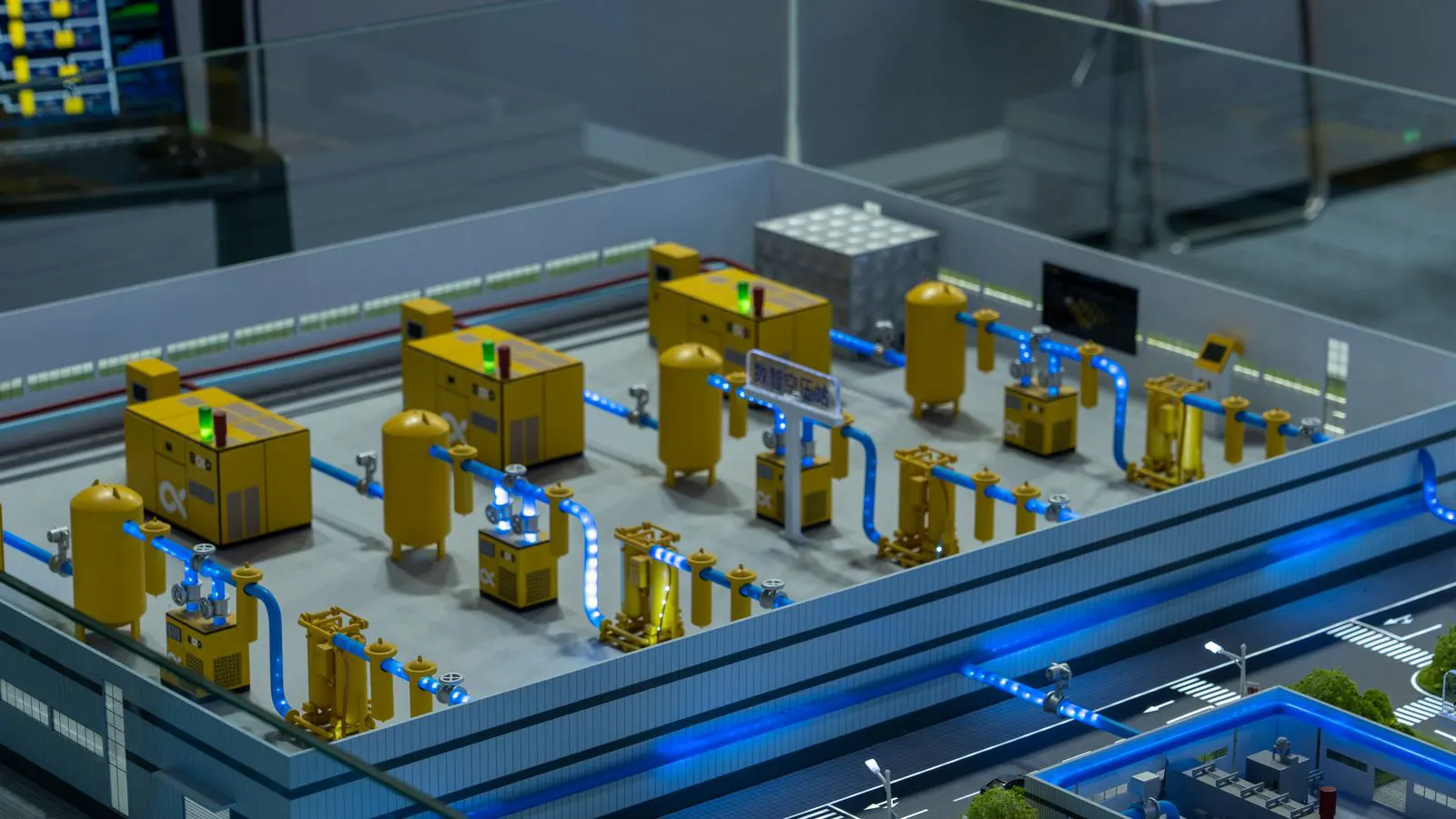
Integrating machine vision into a labeling machine raises project cost and extends lead time. You must define product geometry, label format, and speed to avoid rework.
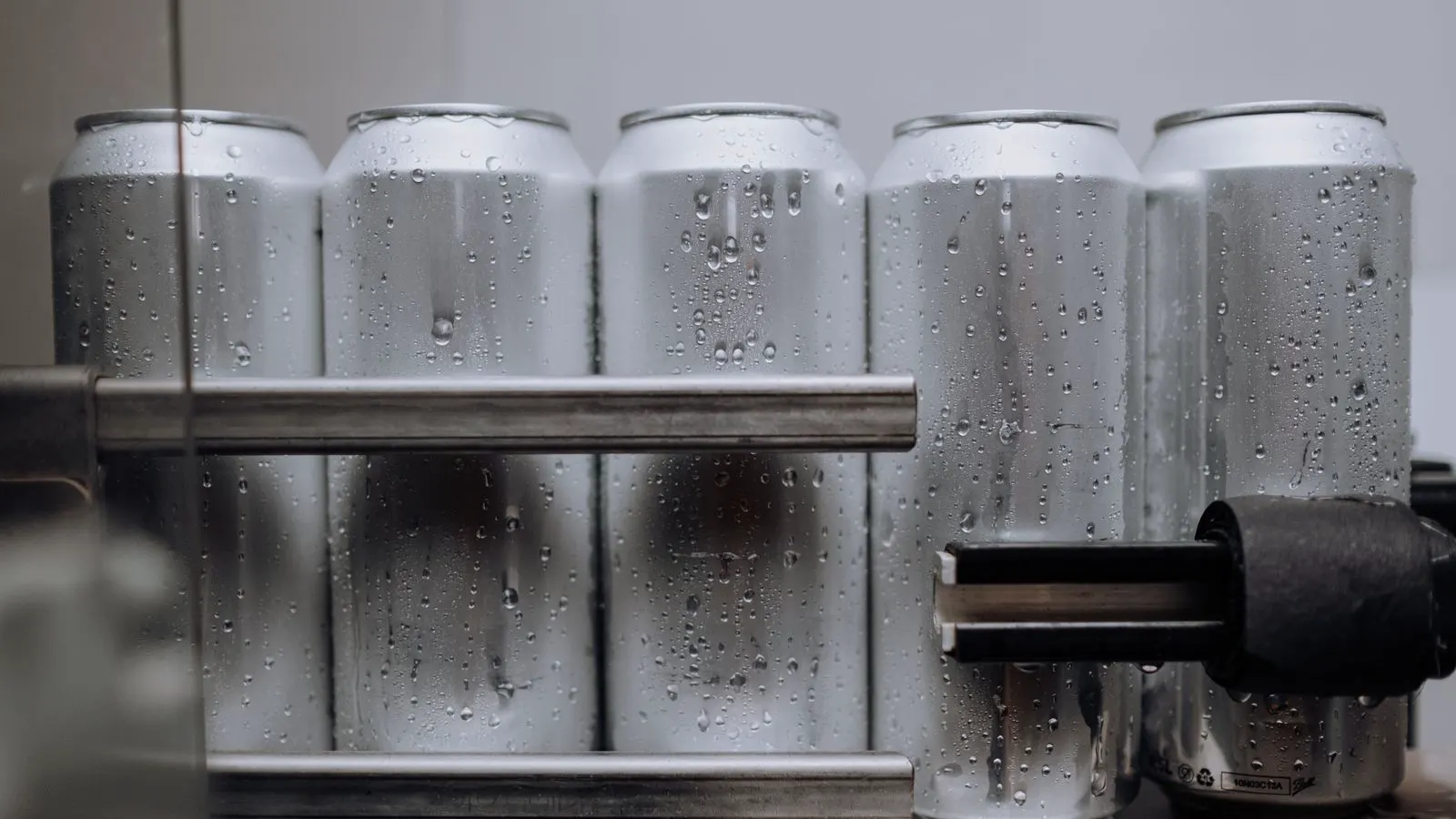
Matching line speed to machine footprint requires balancing cycle times, conveyor distances, and accumulation zones. Use a step-by-step engineering method to calculate
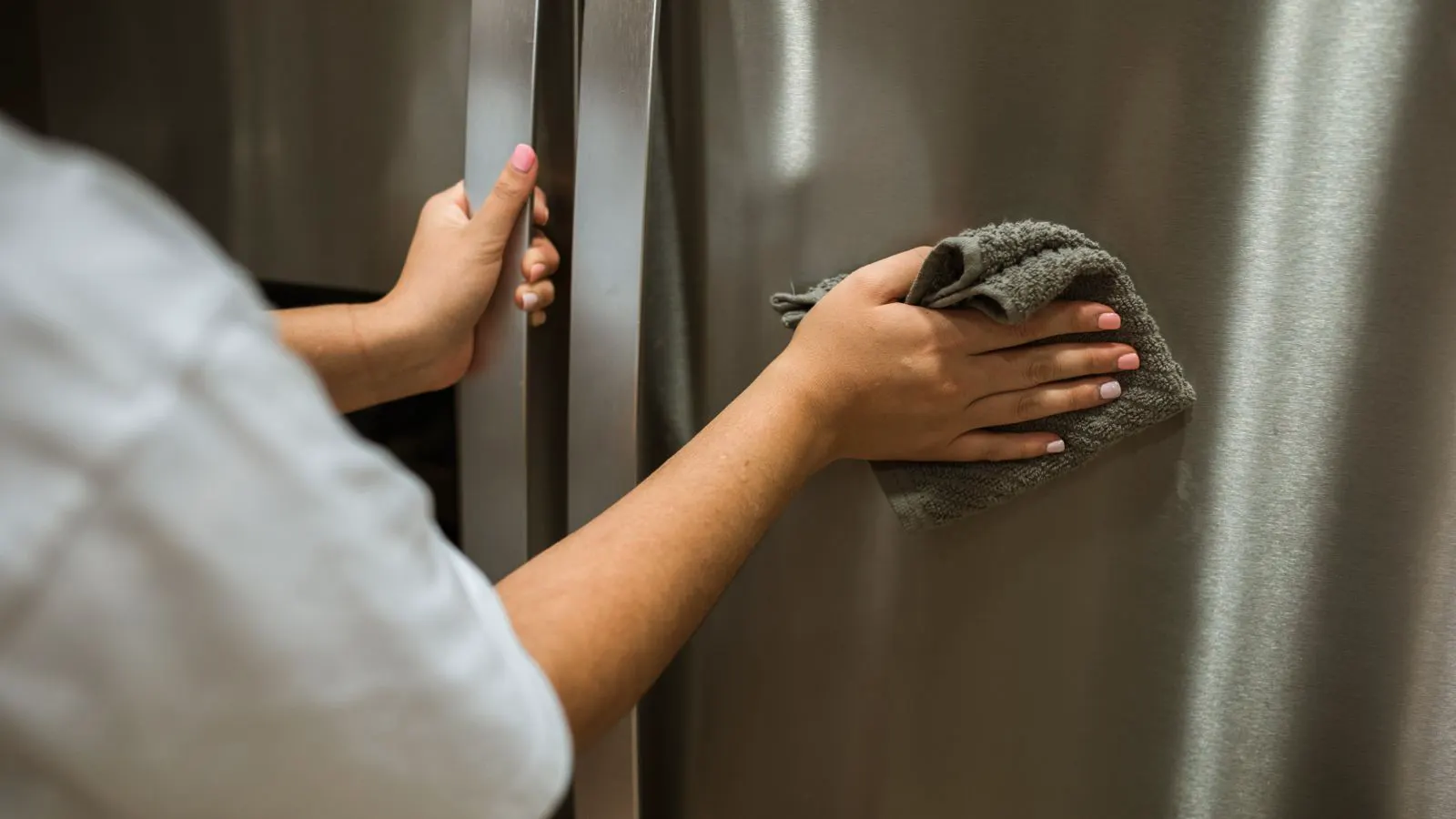
Product residue sticks during cleaning because of low flow, incorrect chemistry, or dead spots. This guide lists common symptoms, likely causes, and specific fixes to
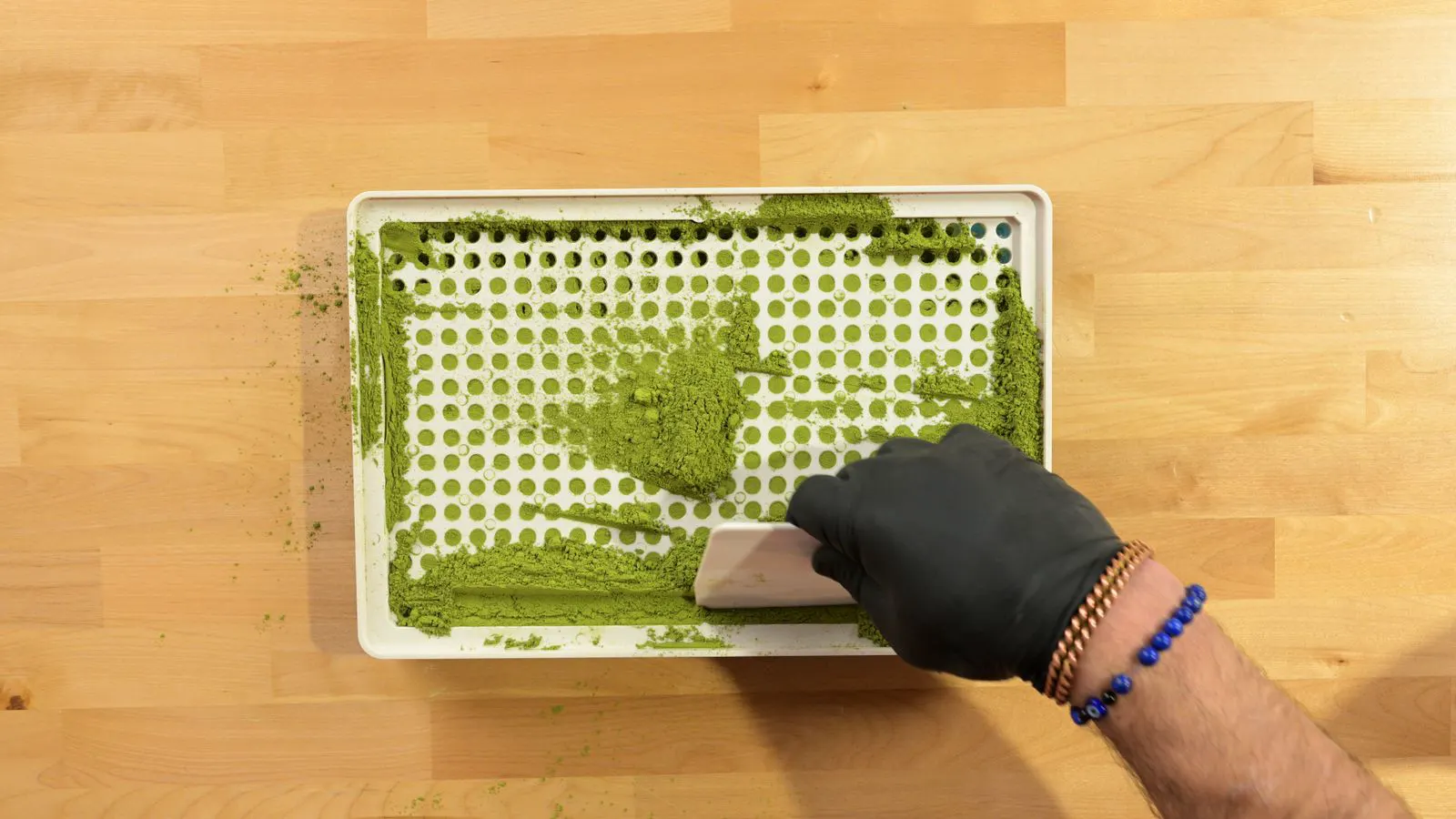
Emerging powder sealing technology moves toward tighter control, sensor fusion, and lower maintenance. Buyers should plan for tighter tolerances, digital integration
Flow packaging uses a continuous web of film that is cut and sealed around the product. Form-fill-seal machines create the container from a flat sheet or tube before filling. Form-fill-seal offers more container shape options. Flow packing is generally faster and uses less material for simple products.
Start with your peak production target and subtract planned maintenance and changeover time. Account for product viscosity and temperature, as thicker fluids often require slower filling speeds to avoid splashing or clogging. Specify a safety margin above your maximum expected volume to handle demand fluctuations.
Machines must meet local food safety regulations and often align with international hygiene design codes. Look for smooth, non-porous surfaces, minimal crevices, and easy-to-clean CIP (clean-in-place) systems. Verify that the manufacturer can provide design compliance documentation for your specific application.
Cost depends on payload weight, footprint, and automation level. A manual feed palletizer is significantly cheaper than a robotic system with a vision system. Include the cost of the end-of-line conveyor, the pallet stacker, and the control system integration in your total budget.
Lead times vary by complexity. Standard machines often take several months. Custom configurations or machines requiring long-lead components can take much longer. Always confirm the delivery date in the contract and understand the penalty or compensation terms if the supplier is late.
Ask for the machine's service history, spare parts availability, and training program. Request references from similar production lines. Clarify the warranty terms, response time for technical support, and who handles the installation and acceptance testing.