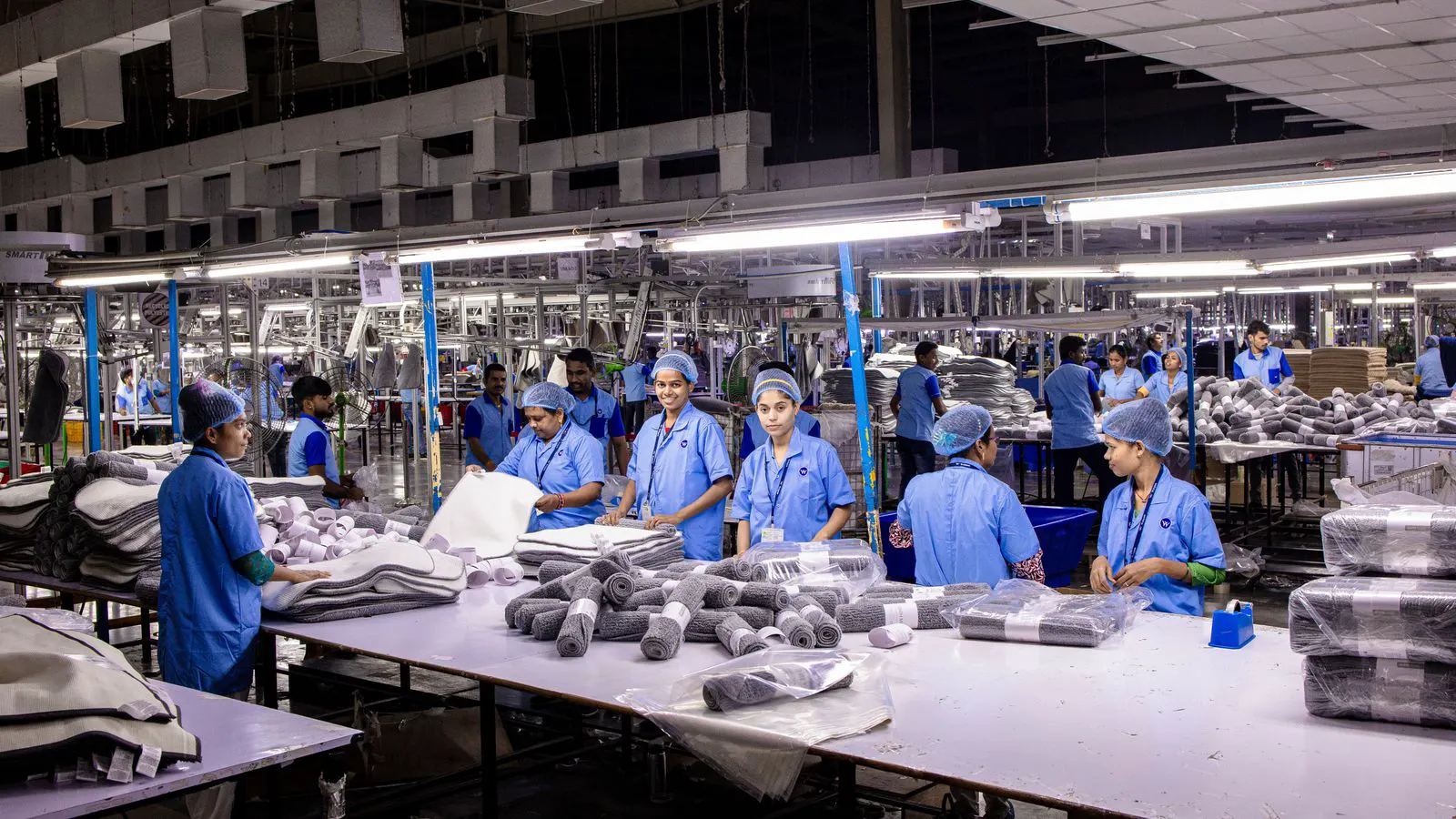
Sizing & Throughput
Machine Footprint: What It Means for Line Layout
Machine footprint is the total area a piece of packaging equipment occupies, including guards, controls, and maintenance access. It drives line layout choices because it
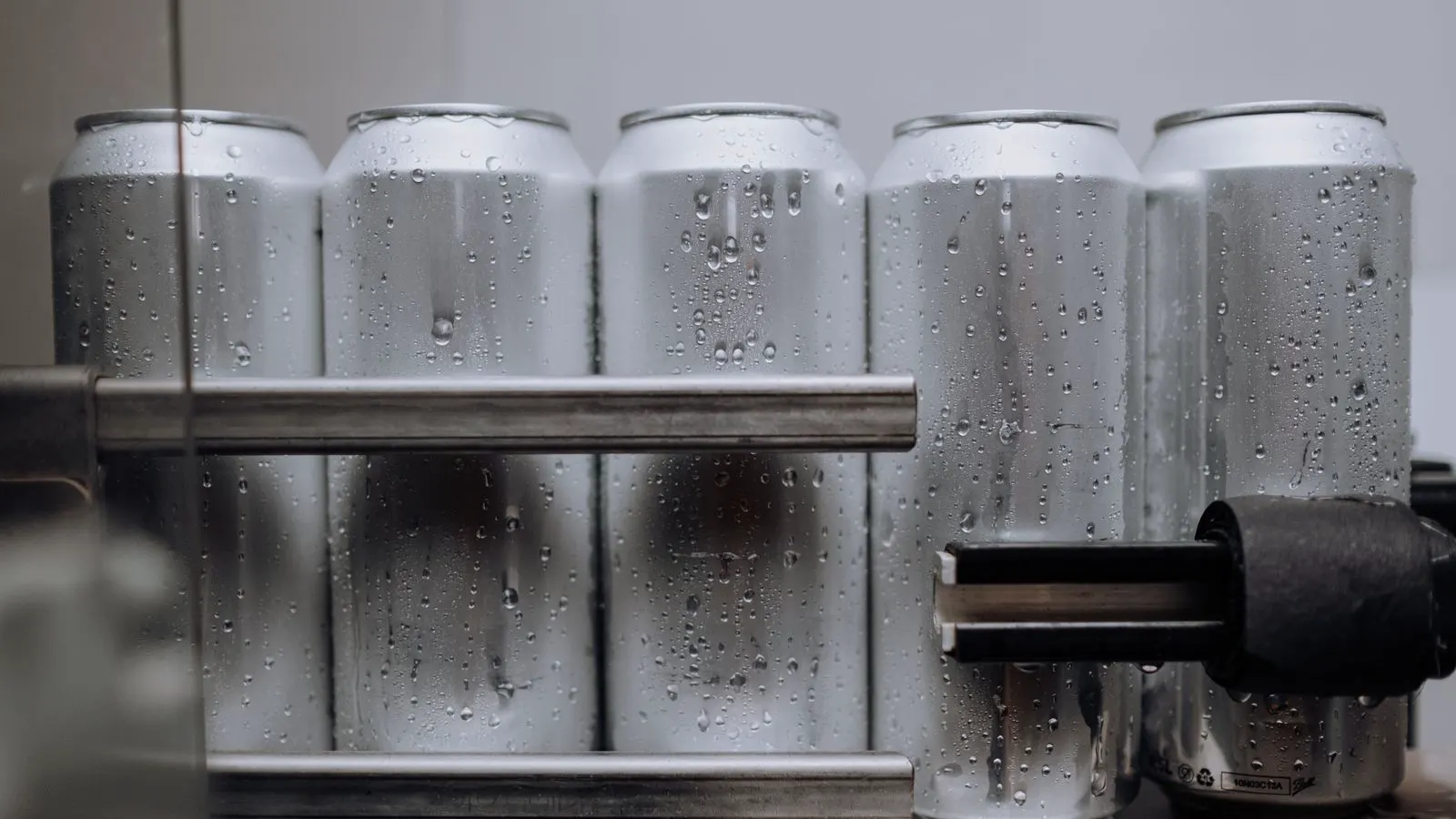
Learn how to evaluate machine dimensions, production rates, and capacity requirements to fit your available floor space.
Machine footprint is the total area a piece of packaging equipment occupies, including guards, controls, and maintenance access. It drives line layout choices because it
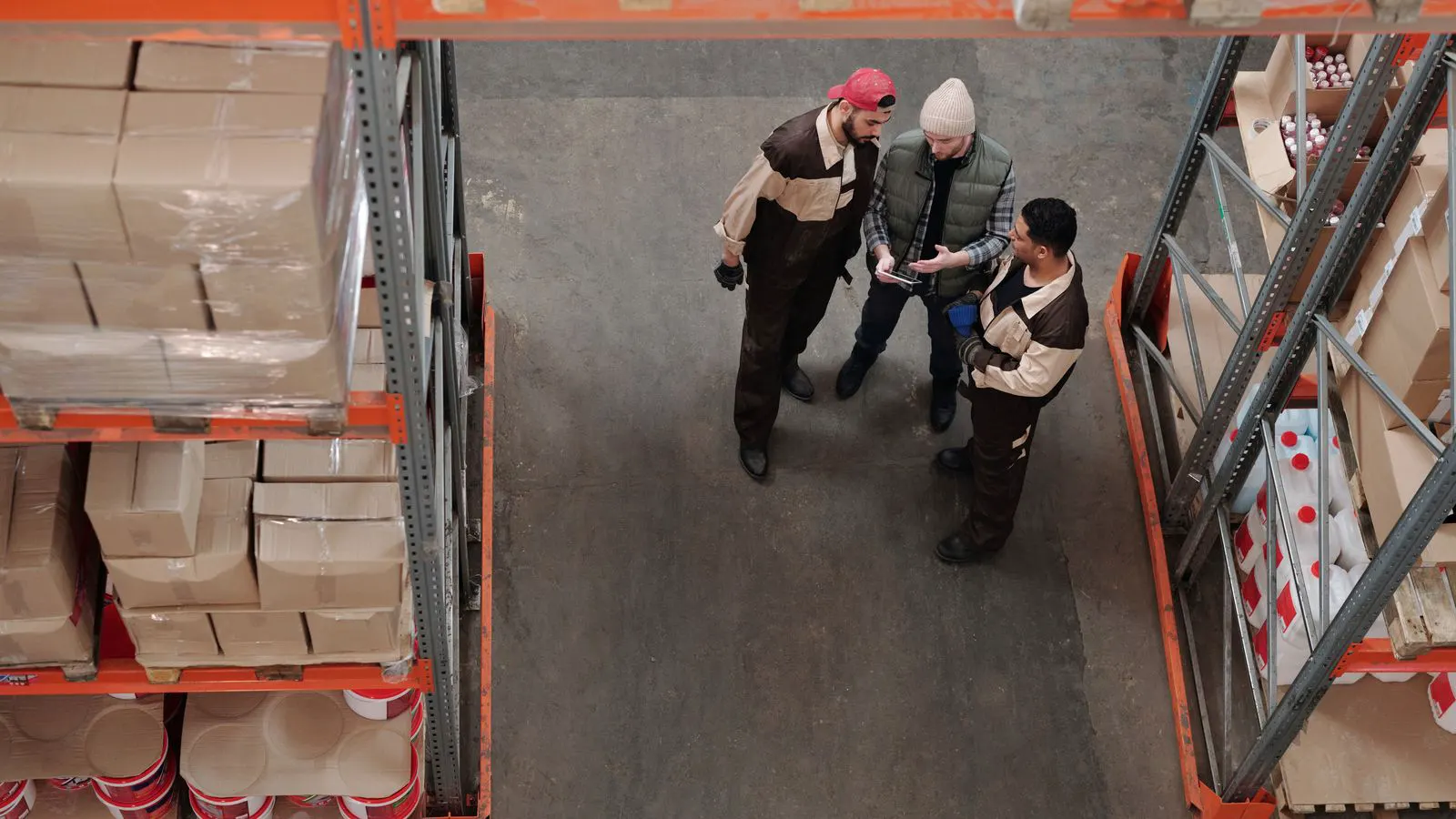
A vertical palletizer uses less floor space but requires more headroom, while a horizontal palletizer needs more width but offers easier access. Choose based on your
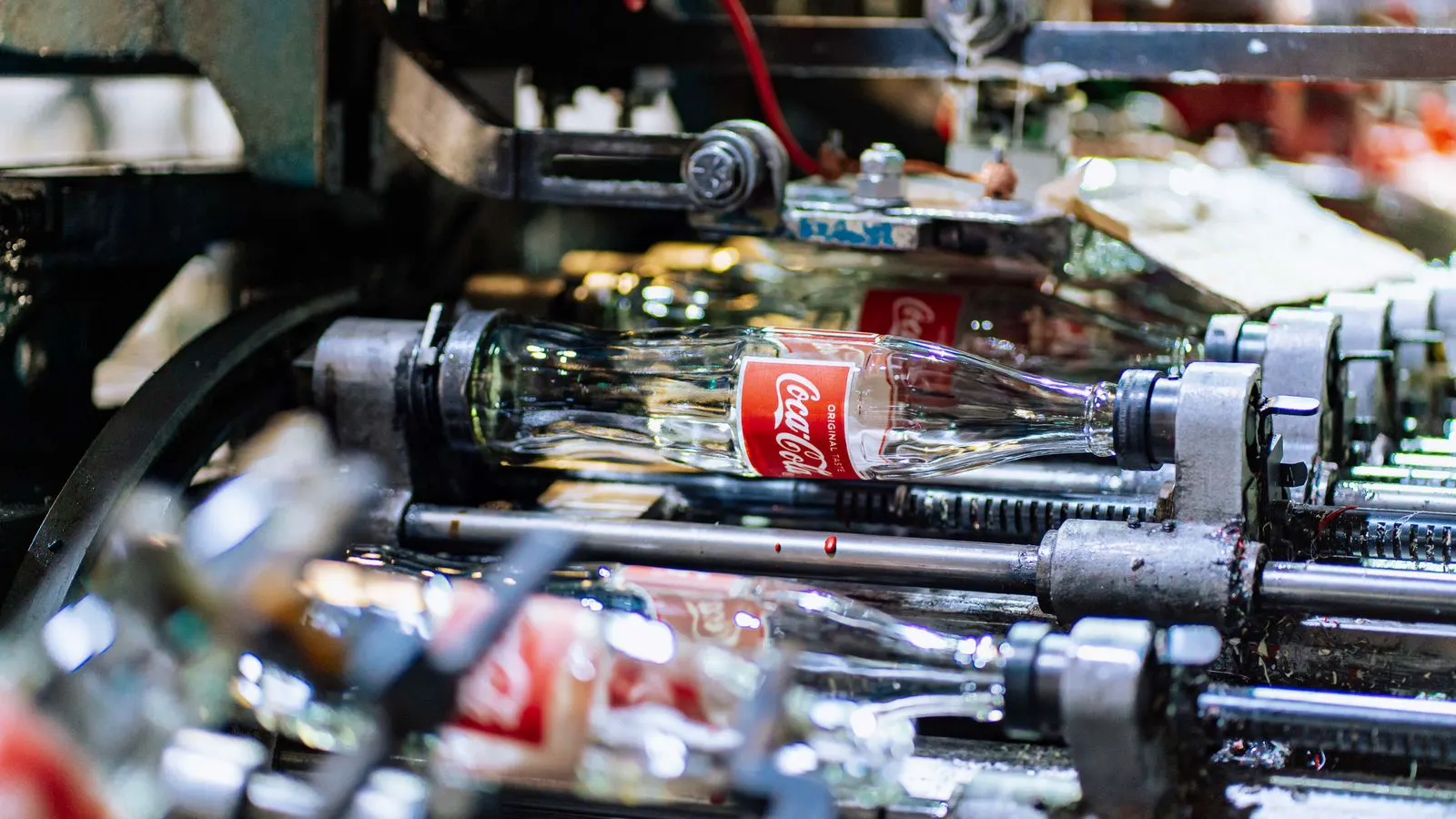
Determine production volume first. Match machine throughput to actual demand, account for cycle times and changeovers, and verify capacity planning against peak seasons
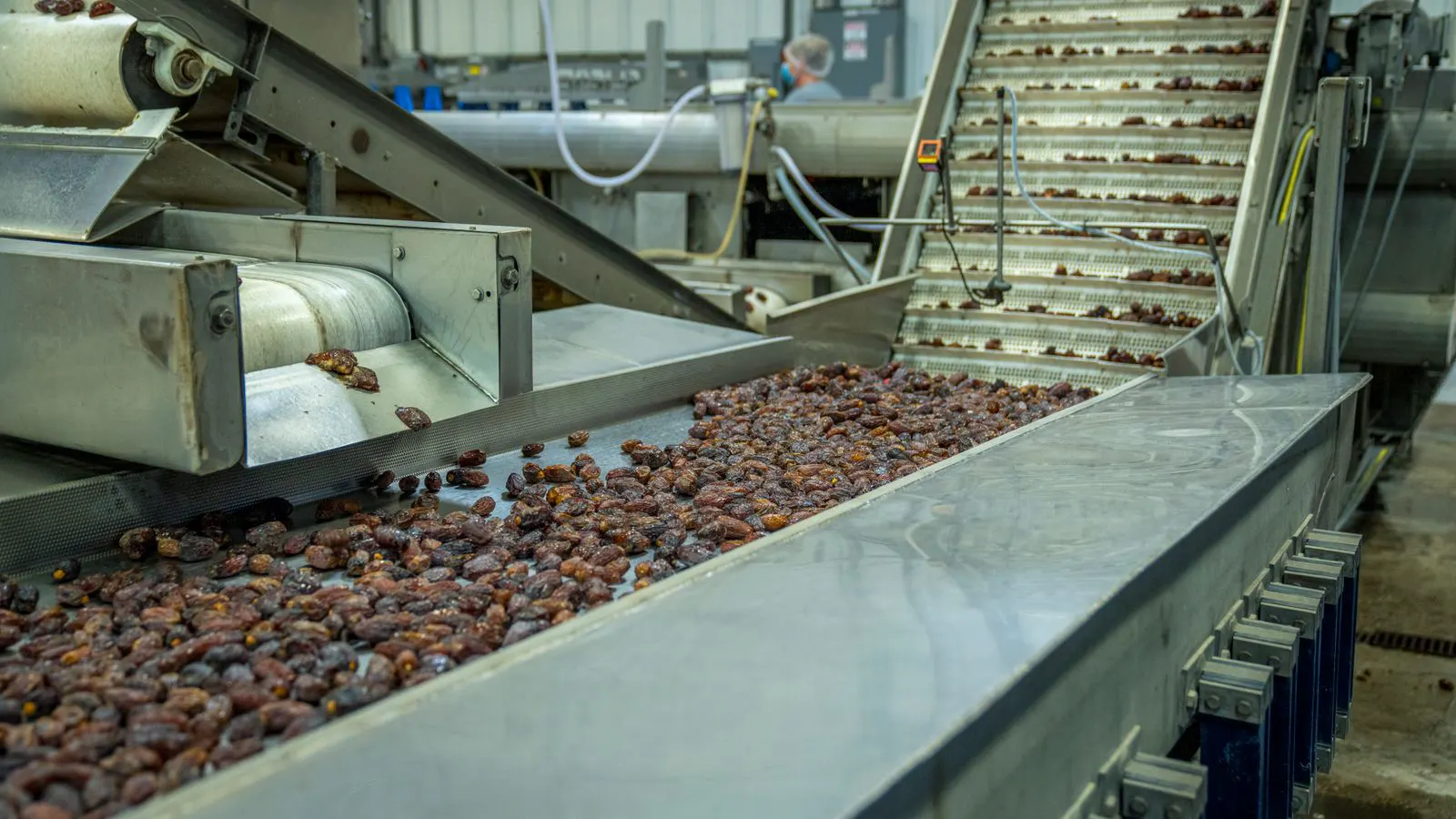
Throughput capacity is the total volume a machine produces per unit of time, while line speed is the physical pace of the conveyor. Confusing these metrics leads to poor
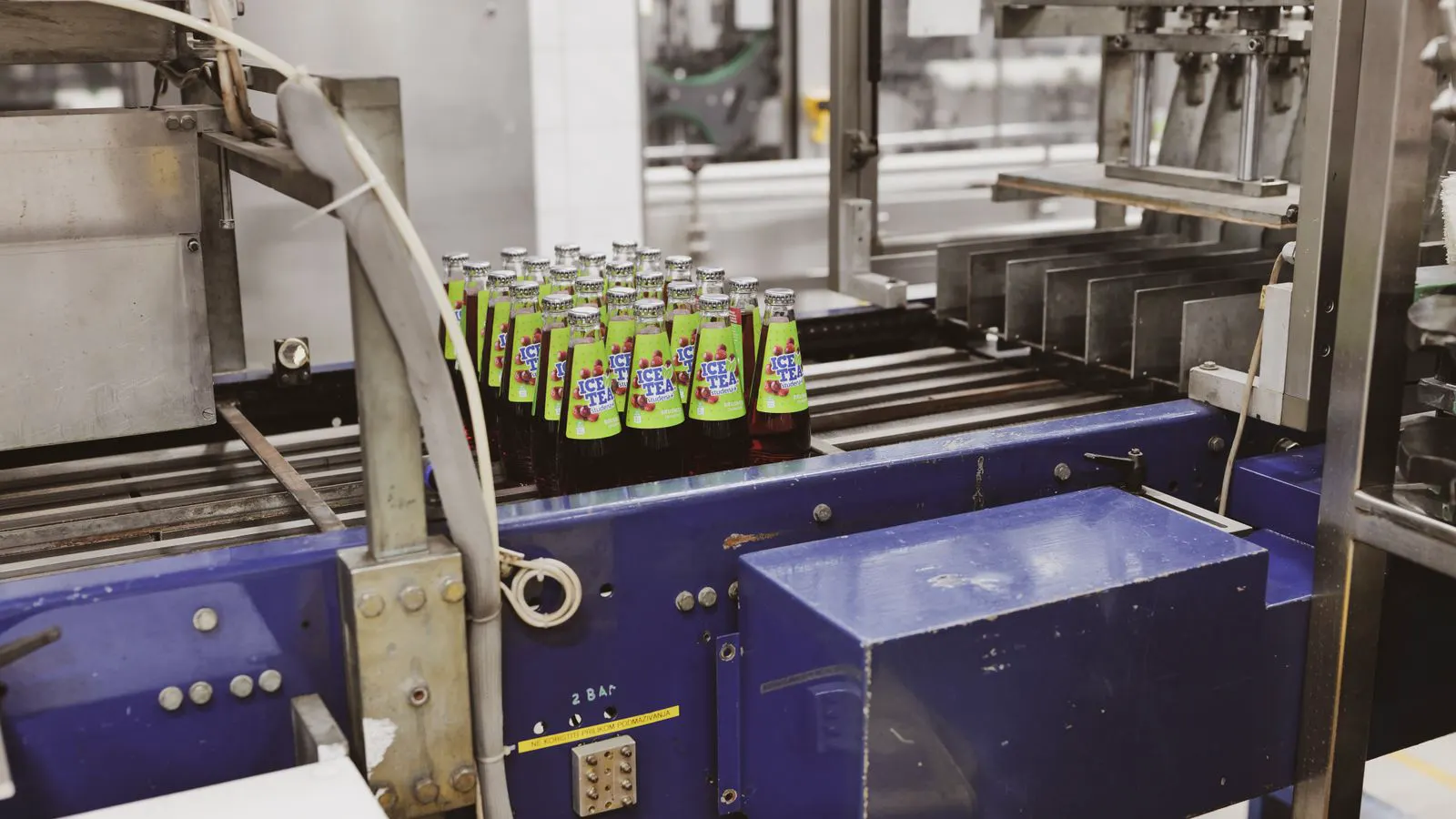
Emerging throughput capacity trends will push buyers to plan for variable line speed, modular filling, and flexible palletizing. This guide outlines five shifts and
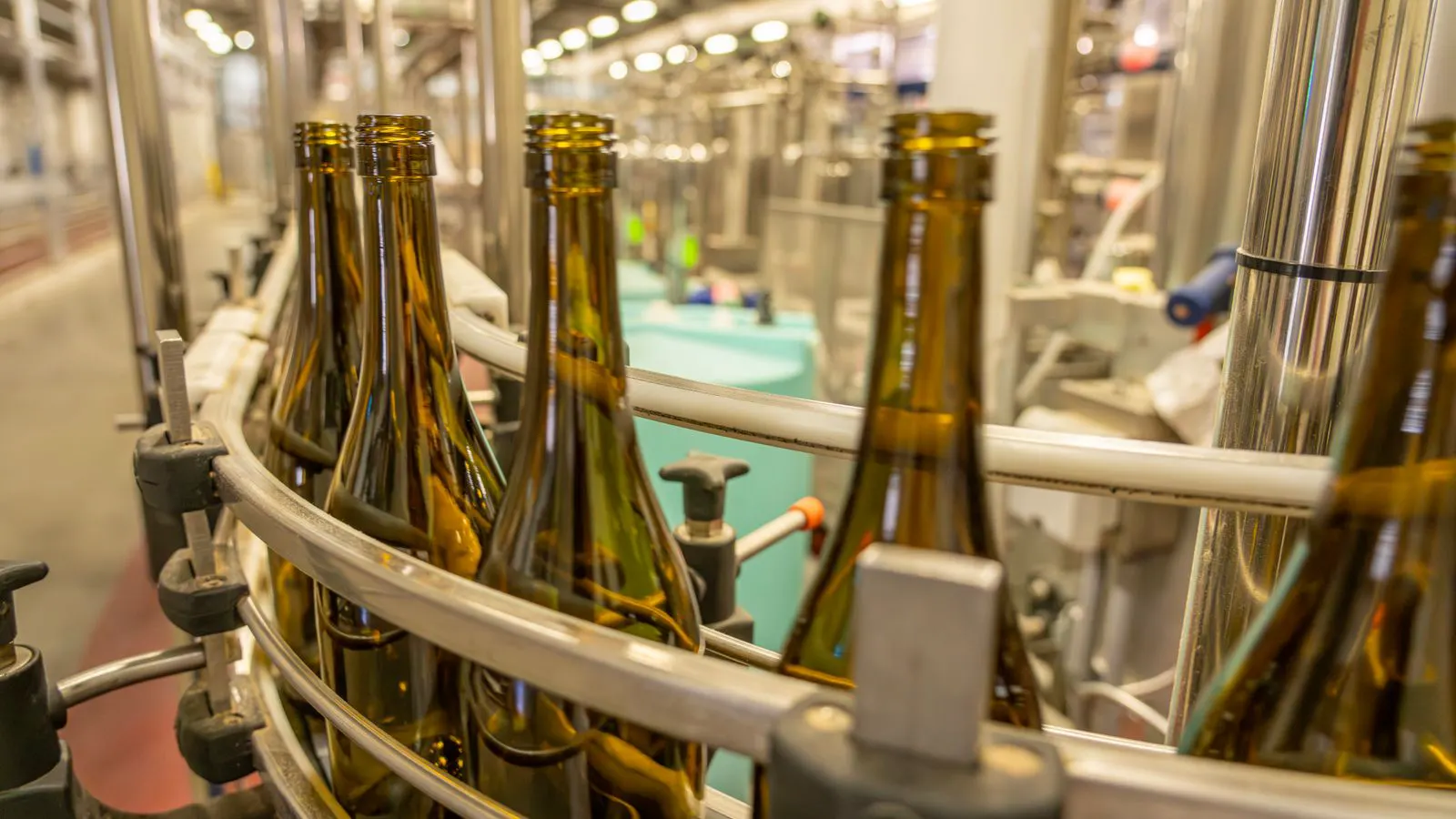
Fillers pack individual units, while palletizers group them into cases. Selecting the right machine depends on your workflow, line speed, and final packaging structure.
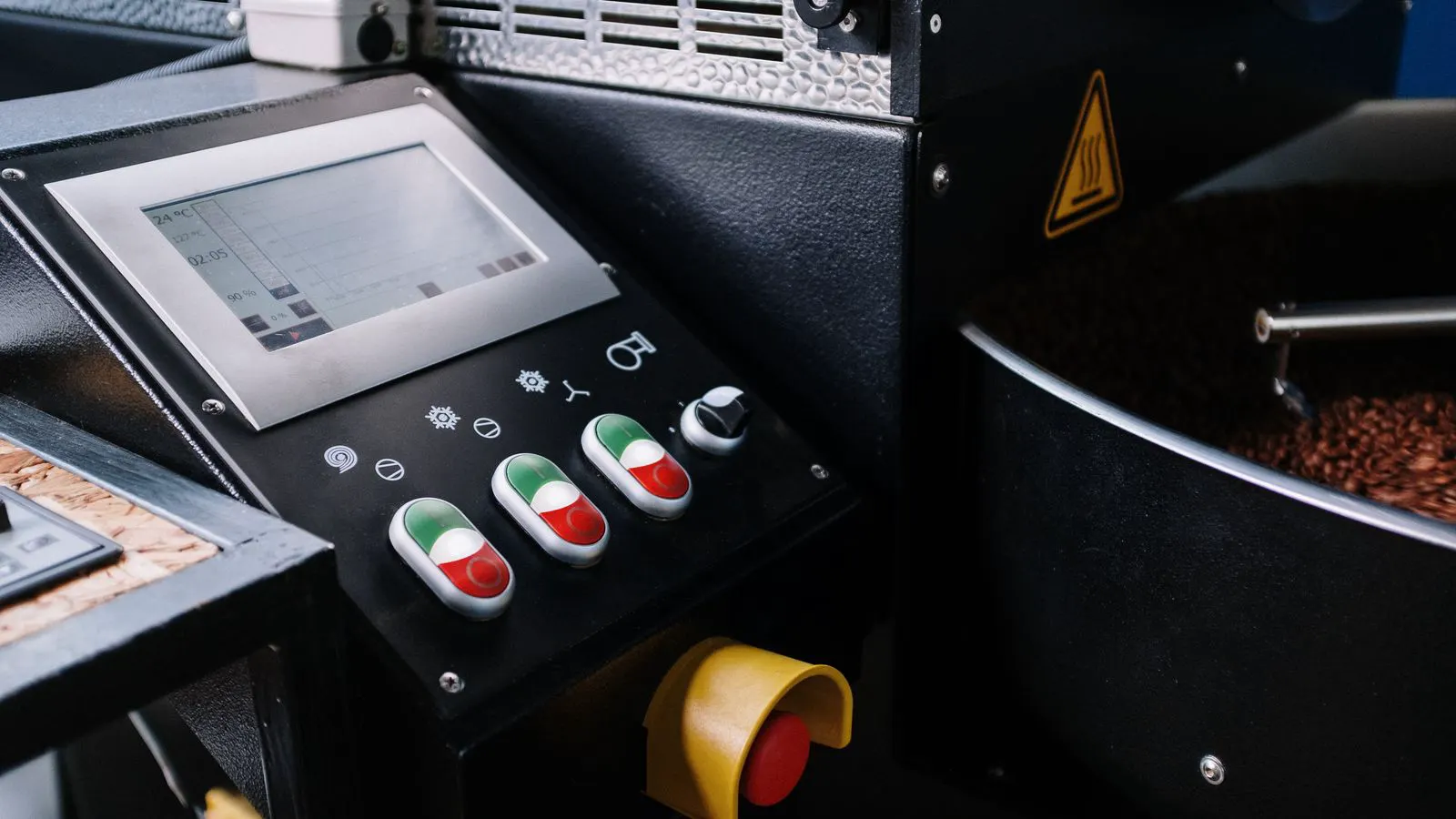
Determine line speed by dividing target hourly output by operating time, then adjusting for product dimensions, machine cycle time, and changeover losses. This method
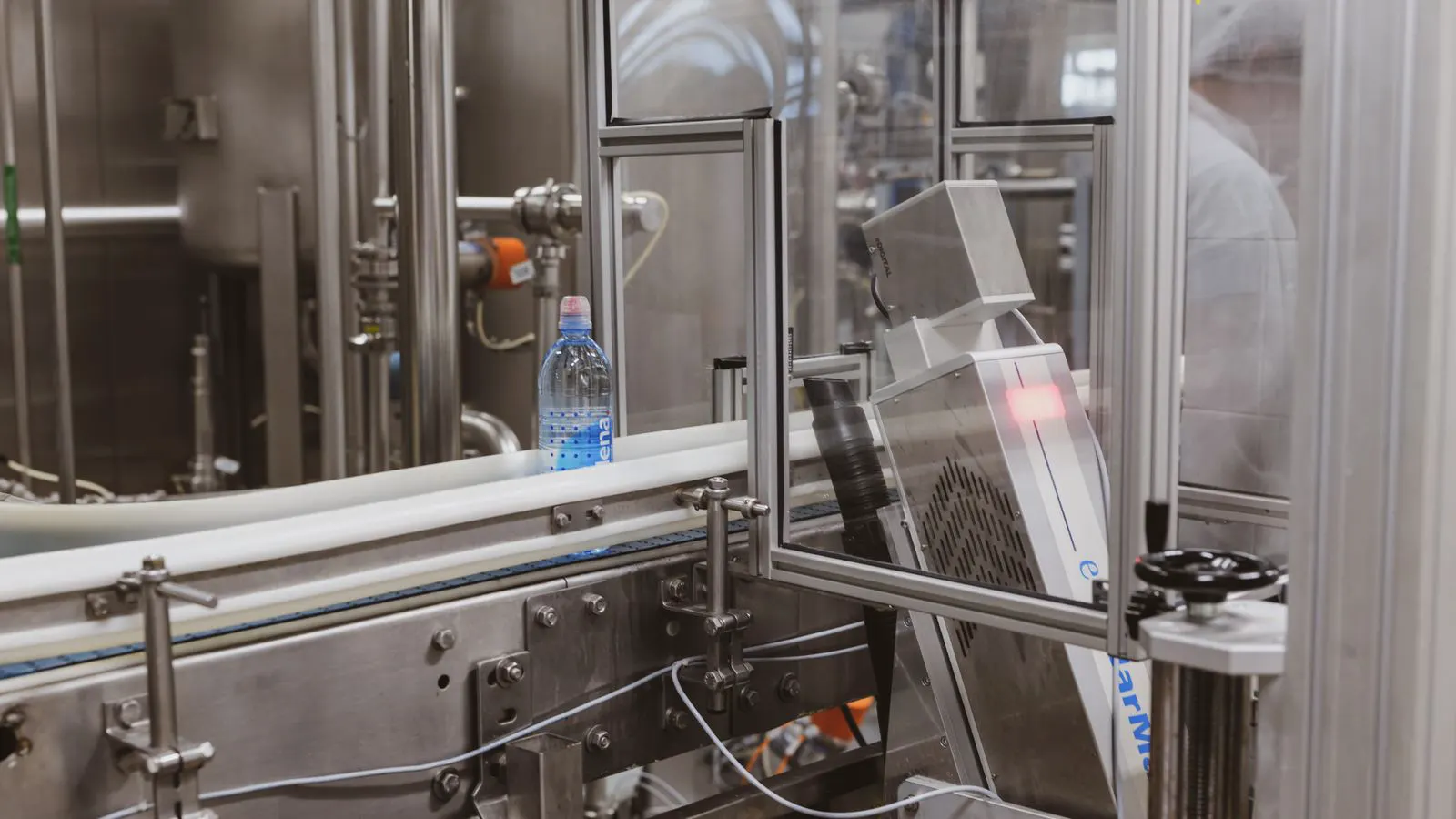
High-speed packaging machine selection requires balancing upfront capital costs against delivery delays. This guide explains what drives pricing, how to structure a
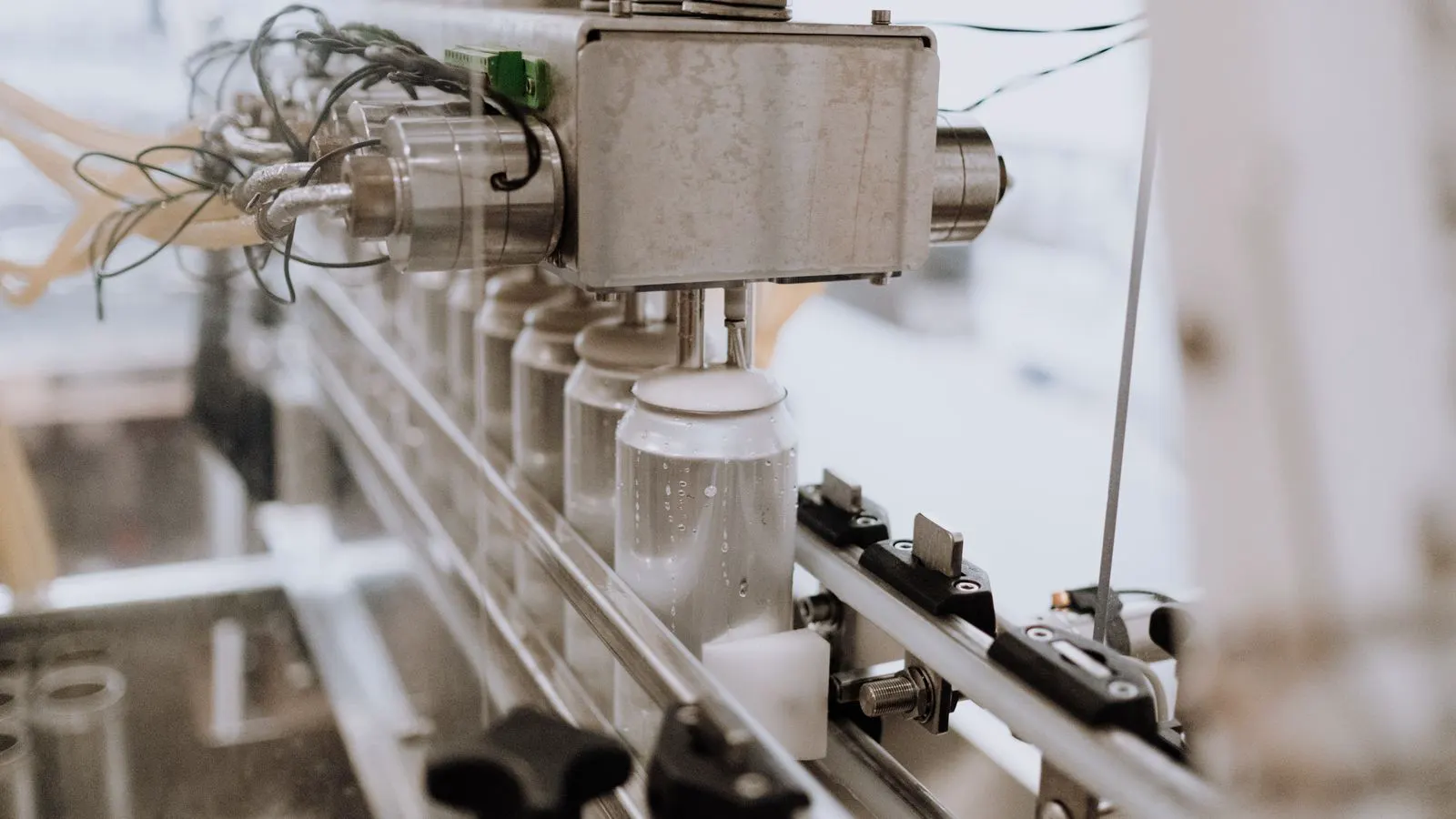
Confirm your packaging machine handles your product by verifying container dimensions, throughput capacity, and line speed. This checklist provides practical
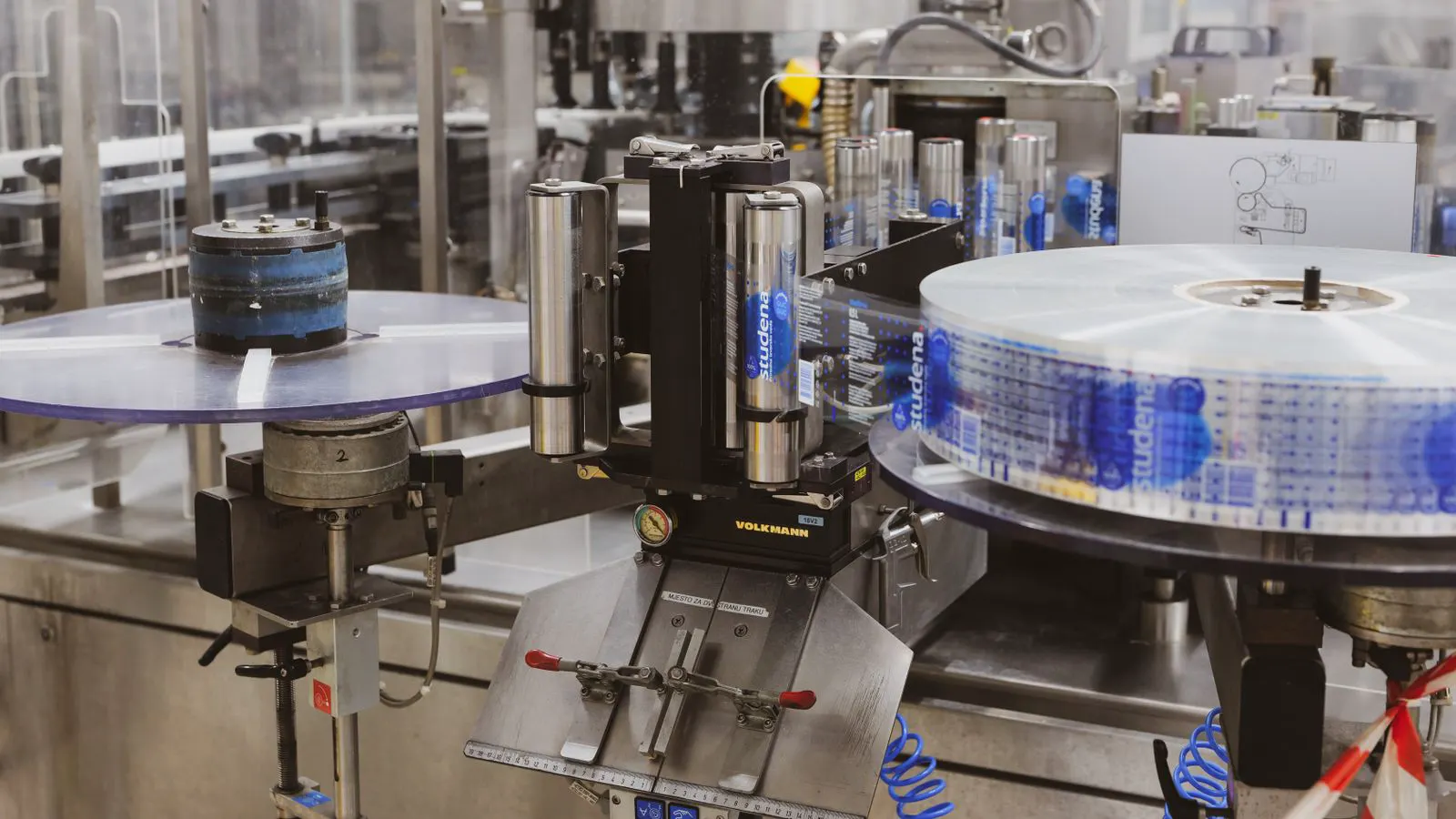
Lines stop when equipment capacity does not match product volume. This guide identifies seven sizing errors that cause bottlenecks. It explains how to match line speed