Cost and Lead Time for High-Volume Fillers
High-volume filler cost depends on capacity, bottle type, and line integration. Lead time varies by complexity and supplier production load. A clear RFQ and fair quote comparison help buyers budget and plan installation correctly.
- High-volume filler cost is driven by throughput, bottle geometry, and required line integration.
- Filling machine lead time depends on production slots, custom parts, and site readiness.
- A structured RFQ with clear capacity targets improves quote accuracy and reduces rework.
- Compare quotes on total installed cost, not just the machine sticker price.
- Confirm liquid filling capacity against your actual peak rate, not average rate.
What sets the base price for a high-capacity filler
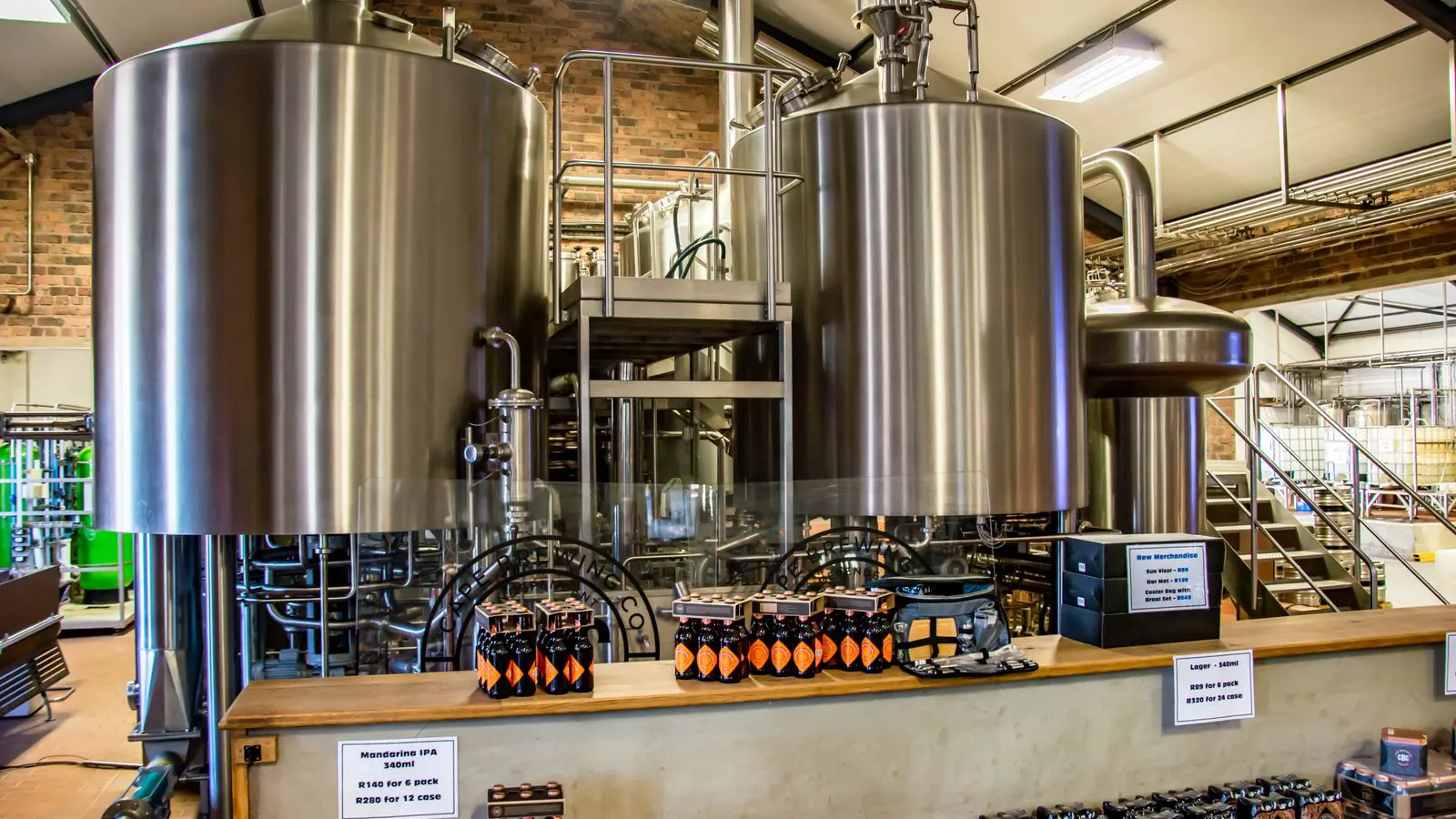
The machine itself is often only one part of the total cost. A high-volume filler for carbonated liquids, oils, or viscous foods can range widely depending on how much work the unit must do. The core price reflects the filling mechanism, the number of heads or valves, and the control system. A rotary filler with many heads and high-speed valve changes costs more than a simpler horizontal or vertical arrangement.
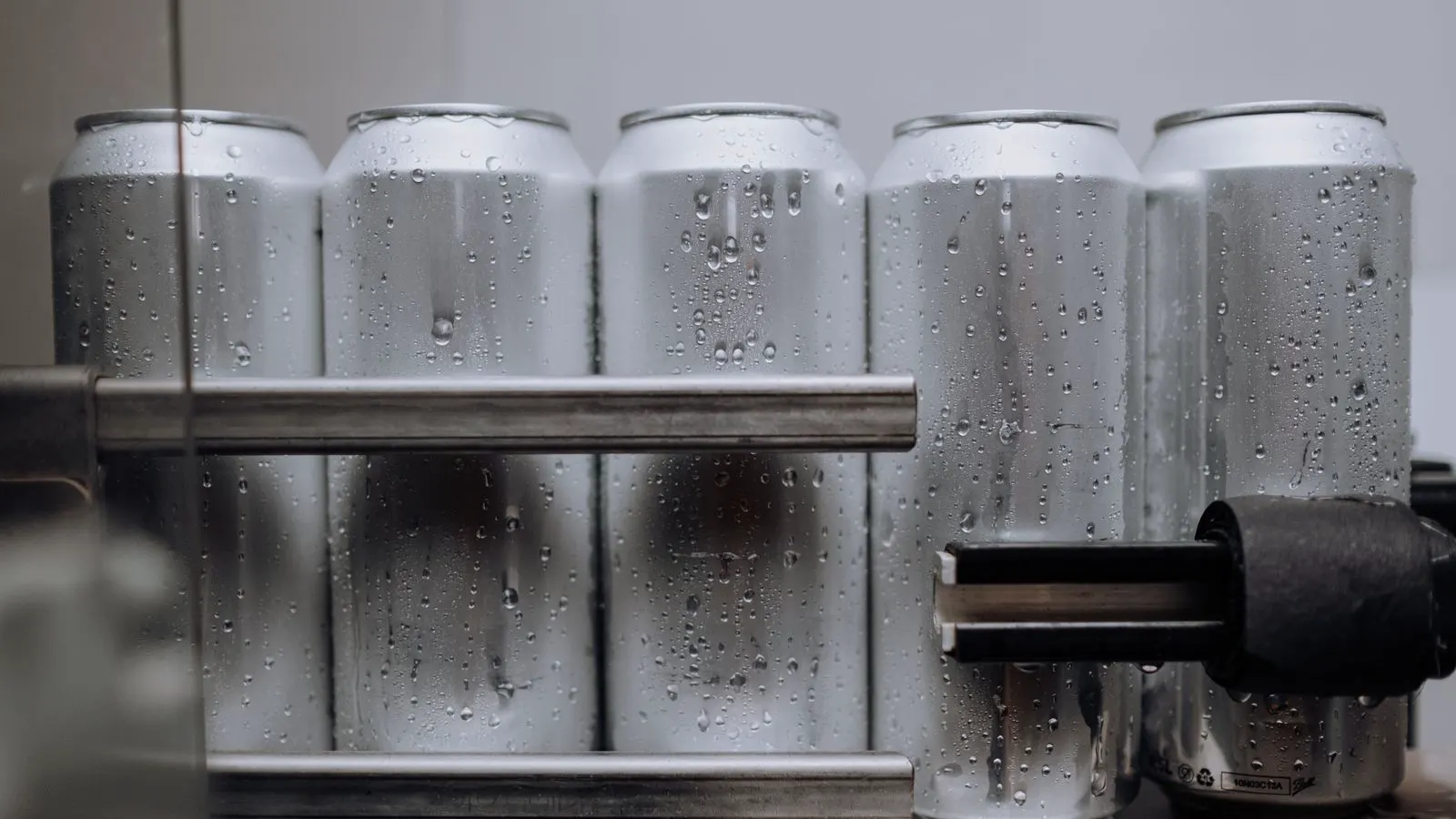
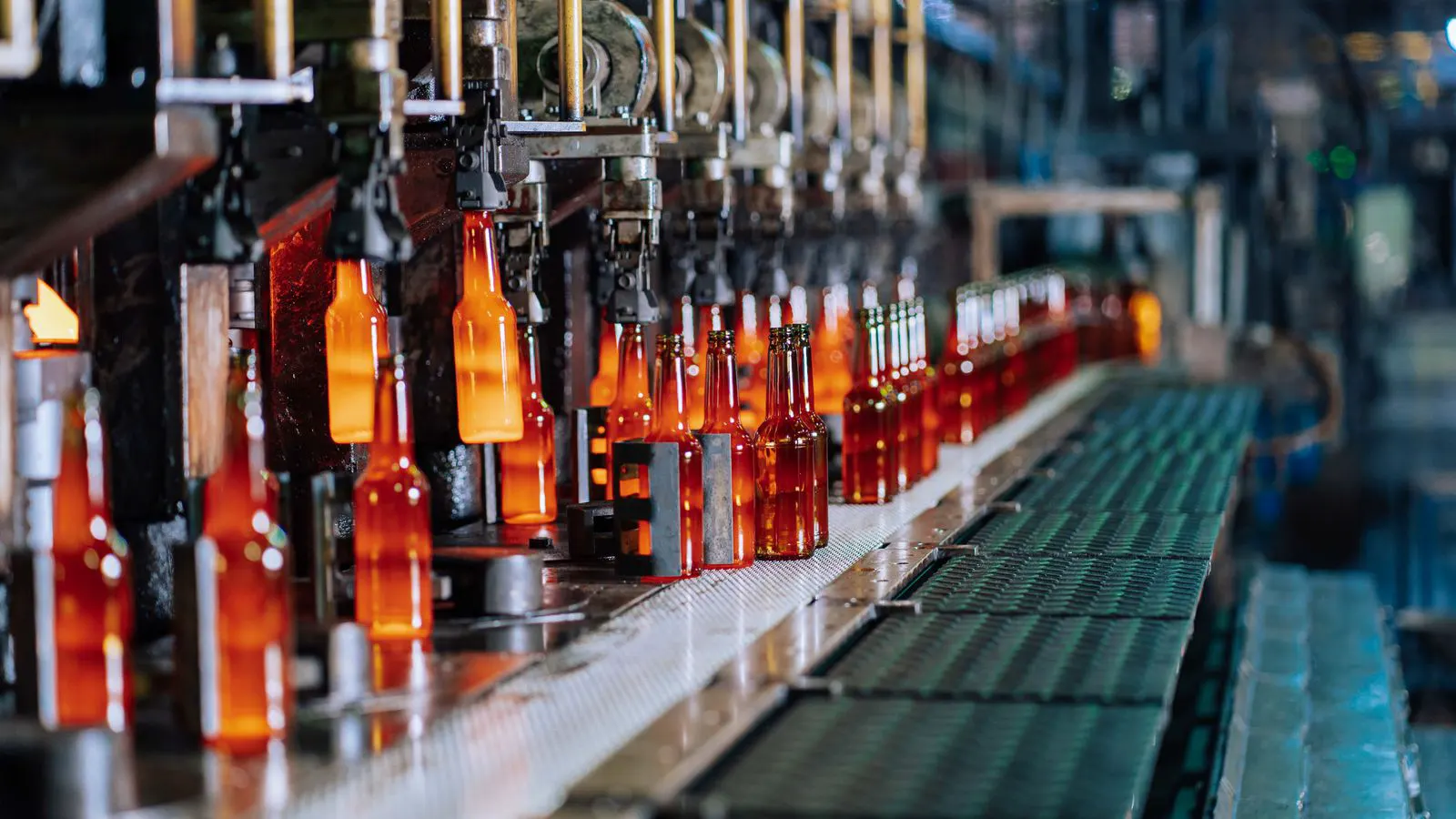
Bottle type changes the design significantly. A filler for uniform PET bottles with standard necks uses less custom tooling than one handling glass, aluminum, or irregular shapes. If the line requires special infeed, capping, labeling, or inspection, those components add cost. Buyers often underestimate the value of the integration. A machine that plugs into a new conveyor system costs more than one that connects to existing equipment.
Throughput is the main commercial driver. A unit rated at a moderate hourly rate can serve a small plant, while a high-speed line requires stronger frames, faster actuators, and more precise synchronization. The gap between a standard model and a custom high-speed build can be large. Price increases are not linear. Doubling speed may require a different architecture, not just faster motors.
How liquid filling capacity affects the investment
Liquid filling capacity is measured in units per hour or liters per hour, but the number alone does not tell the full story. Viscosity, temperature, and surface tension all affect how fast a filler can operate without dripping, overfilling, or underfilling. A low-viscosity beverage may fill quickly, but a thick sauce may need slower valve cycles to keep the fill volume accurate.
The target capacity should match the plant’s peak production, not the average shift. If a plant runs 30,000 units per hour for four hours, the filler must handle that rate continuously. If the same plant runs 18,000 units per hour for ten hours, a lower-capacity machine may be sufficient. Buying for peak rate with no margin can overstate the need. Buying below peak rate creates bottlenecks that slow the whole line.
Container shape also matters. Taller bottles may require longer valves or different filling zones. Wide-mouth containers need different seal and capping logic. The machine must match the container, not just the volume. A quote based on a generic bottle may not apply to the actual product.
What drives filling machine lead time
Filling machine lead time includes design, manufacturing, testing, shipping, and site preparation. A standard configuration may move faster than a custom build. Lead time is not only the supplier’s schedule. It includes the buyer’s internal steps: site surveys, electrical and plumbing readiness, floor space confirmation, and receiving documentation.
Complex machines take longer because they require more testing. Rotary fillers with many heads must run synchronization tests. Valve timing, seal integrity, and product flow are checked before shipment. Shipping also adds time. Large machines may require special transport, which can take weeks to arrange. The site must be ready when the machine arrives. If the floor is not prepared, the installation clock stops.
Lead time can also be affected by parts availability. Some components, such as special seals, nozzles, or control modules, may have longer supply chains. A supplier may quote a standard date, but if a part is backordered, the timeline shifts. Buyers should ask for a milestone schedule, not just a single delivery date.
How to write a clear RFQ for better quotes
A vague RFQ produces a vague quote. If the request says “we need a fast filler for bottles,” the supplier must guess the details. A clear RFQ lists the product type, bottle size, target units per hour, and available floor space. It should include the packaging line layout, existing equipment, and utility requirements.
The RFQ should state the fill volume per container and the acceptable variance. It should specify the liquid type and whether it is carbonated, viscous, or temperature-sensitive. It should mention whether the machine must integrate with capping, labeling, or inspection. The request should include the desired control interface, such as a local HMI or a connection to a plant network.
A good RFQ also asks for lead time, installation support, spare parts, and warranty. It should request a total installed cost, not just the machine price. It should ask for a bill of materials and a breakdown of options. This makes it easier to compare quotes and understand where the price comes from.
How to compare quotes fairly
Quotes often look similar on paper but differ in what is included. One quote may include the filler, conveyor, and capping head. Another may include only the filler. One may include engineering drawings. Another may not. Comparing only the sticker price can mislead the buyer.
The total installed cost includes the machine, integration, installation, training, and commissioning. It may also include spare parts, tooling, and extended warranty. A lower machine price may come with higher integration costs. A higher machine price may include more support and a shorter lead time. The buyer should evaluate the total cost of ownership, not just the purchase price.
The quote should also reflect the service model. Some suppliers provide on-site installation. Others provide remote support. Training for operators and maintenance staff may be included or sold separately. The level of service affects the first-year operating cost. A machine that requires frequent service can cost more to run than a more reliable, higher-priced alternative.
Cost drivers in a high-volume filler
The table below lists the main factors that affect the price of a high-volume filler. These drivers vary by product, plant layout, and supplier. The list is not a pricing tool, but a checklist for understanding where cost comes from.
| Cost Driver | What It Affects | Typical Impact |
|---|---|---|
| Target throughput | Machine architecture and component count | Higher speed raises cost |
| Bottle shape and material | Nozzle, seal, and infeed design | Custom shapes raise cost |
| Liquid type | Valve speed and fill accuracy | Viscous or carbonated liquids raise cost |
| Line integration | Conveyors, capping, and controls | More integration raises cost |
| Floor space and utilities | Installation and site prep | Limited space raises cost |
| Control and data needs | HMI and network connection | Advanced controls raise cost |
| Service and warranty | Support and spare parts | Extended support raises cost |
Planning the budget and timeline
The budget should cover the machine, integration, installation, and contingency. A common mistake is to budget for the machine only. The site may need new electrical panels, compressed air lines, or floor reinforcement. The line may need a new conveyor or a capping station. These items can add to the total cost.
The timeline should include a buffer for site preparation and shipping. A supplier may deliver the machine on time, but if the site is not ready, the installation delays. The buyer should confirm the site readiness date and align it with the delivery date. A clear milestone plan helps everyone track the project.
The buyer should also consider the cost of downtime during changeover. A high-volume filler that changes formats quickly reduces the time needed for product changes. A machine that requires long changeovers may have a lower purchase price but higher operating cost. The total cost of ownership includes the machine, the line, and the time it takes to run.
What to confirm before signing
Before signing, the buyer should confirm the fill volume, target rate, and tolerance. The contract should state the machine’s capacity in units per hour and the fill volume per container. It should state the acceptable variance and the test method. It should state the lead time and the delivery terms. It should state the installation scope and the training included.
The contract should also state the warranty and the service response time. It should state the spare parts list and the lead time for key parts. It should state the acceptance test. The acceptance test should run at the agreed capacity for a set period. The machine should meet the fill volume and rate during the test.
A clear contract and a clear RFQ reduce risk. They help the buyer understand what is being bought and when it will arrive. They also help the supplier build the right machine. The result is a smoother project and a better machine.
Frequently asked questions
What is the typical cost range for a high-volume filler?
Cost varies widely based on throughput, bottle type, and integration. A standard model for a common product may cost less than a custom high-speed line for a complex product. Buyers should request itemized quotes to understand the total installed cost.
How long does it take to receive a filling machine?
Lead time depends on the configuration and supplier production schedule. Standard machines may arrive faster than custom builds. The timeline also includes site preparation and shipping. Buyers should ask for a milestone schedule.
How do I know the right liquid filling capacity for my plant?
Measure the peak production rate, not the average. Account for changeovers, maintenance, and product variation. The filler should handle the peak rate with a small margin. A clear capacity test helps confirm the target.
What should I include in an RFQ for a filling machine?
Include the product type, bottle size, target units per hour, and fill volume. Include the liquid type, line layout, and existing equipment. Include the desired controls, integration scope, and service expectations.
Can I compare two quotes if they include different integration?
Yes, but only if the scope is normalized. Ask each supplier to list what is included and what is excluded. Compare the total installed cost, not just the machine price. A clear scope makes the comparison meaningful.