Explainer: Machine Footprint vs Line Speed
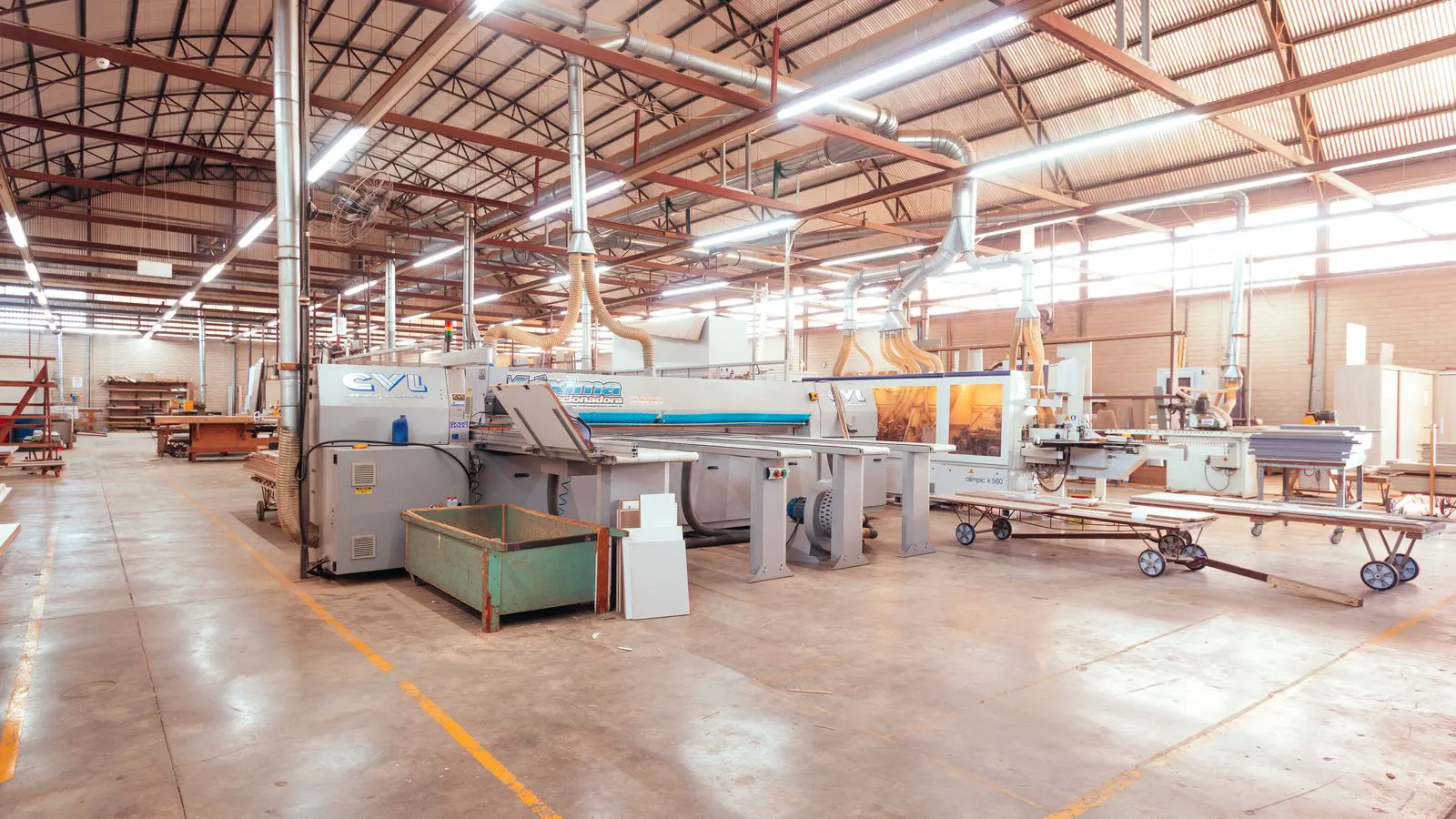
Machine footprint and line speed are linked. A faster line often needs a larger footprint to handle the material flow, while a compact unit may limit throughput. Understanding both helps buyers match equipment to their available floor space and production targets.
- Machine footprint includes the machine's own dimensions and the space needed for operators, material infeed, and product outfeed.
- Line speed is determined by the slowest machine on the line, not the fastest one, which directly impacts throughput.
- Floor space requirements must account for the footprint plus clearance zones for maintenance, safety, and material handling.
- Sourcing decisions should balance the need for higher line speed against the physical constraints of the available facility.
- A worked example shows how adding a larger footprint can increase line speed by accommodating faster infeed and outfeed.
What Machine Footprint Actually Means in a Line
A machine footprint is more than the length, width, and height of the equipment itself. It covers the full area the machine occupies on the floor, including the zones where operators stand, where material enters the unit, and where finished product leaves. When a supplier quotes a footprint, it often includes these working areas. If it does not, the buyer must calculate them separately.
This distinction matters because a machine that fits in a corner may not run at its rated speed if the operator cannot reach the control panel or if the infeed conveyor cannot align properly. The footprint is the physical boundary that defines what the machine can do on the floor.
In practice, the footprint definition varies by manufacturer. One supplier may quote the outer casing dimensions of a vertical form-fill-seal machine, excluding the required space for the bag material feed and the discharge chute. Another may include the infeed conveyor length necessary to reach a downstream sealer. If a buyer receives a drawing showing only the machine body, they must assume the quoted dimensions do not cover the operational envelope. The operational envelope includes the path of the product, the swing of any mechanical arms or belts, and the space needed for maintenance access.
For example, a rotary capper may have a compact circular footprint. However, the area around the unit must allow an operator to place the next box of product, clear jams, and perform maintenance on the torque monitor. If the machine is placed too close to a wall, the operator may not be able to reach the control panel without stepping into the path of the product. This forces the operator to stop the line to adjust settings, which reduces average throughput. The physical footprint, therefore, includes human factors. It is not just the metal and plastic of the machine, but the space required for the people who keep it running.
How Line Speed Connects to Physical Dimensions
Line speed is the rate at which product moves through the packaging line, measured in units per hour. It is not set by a single machine. It is set by the slowest process in the sequence. If a filling machine runs at a certain speed but the labeling machine can only handle a fraction of that rate, the line slows down to match the labeler.
The footprint of each machine influences how fast it can operate. A larger footprint often allows for longer infeed and outfeed sections. These sections act as buffers. They let the machine keep running even when the upstream or downstream unit momentarily stops. A smaller footprint leaves less room for these buffers. The machine must start and stop more frequently to match the adjacent units.
This is why two machines with similar technical specifications can have very different achievable line speeds. The one with a larger footprint can often sustain a higher throughput because it has more physical space to manage material flow.
Consider a case-inletting machine that feeds product into a case packer. If the case-inletting machine has a long infeed belt, it can keep cases moving into the packer even if the packer pauses for a moment to reset a case. This creates a small inventory of cases between the two machines. This inventory is the buffer. It smooths out minor variations in speed between the two units. Without this buffer, the packer would stop every time the case-inletting machine had a micro-stop, and the line speed would drop significantly.
The physical dimensions of the buffer also determine its capacity. A buffer that is only one meter long may hold only a few cases. A buffer that is three meters long may hold dozens. The longer the buffer, the more variation it can absorb. This allows the line to run closer to the rated speed of the fastest machine in the sequence. However, a longer buffer increases the footprint. The buyer must decide if the extra floor space is worth the increased throughput.
Floor Space Requirements Beyond the Machine Outline
Floor space requirements include the machine footprint, safety clearances, and material handling paths. Safety clearances are the minimum distances required around the machine for operators to work safely. Material handling paths are the routes for carts, forklifts, or conveyors that move product to and from the machine.
A common mistake in sourcing is measuring only the machine outline. The buyer measures the unit, sees it fits in the room, and proceeds. During installation, the team discovers that there is not enough space to load the infeed conveyor or to position the palletizer. The line may physically fit, but it cannot operate at the intended speed.
To avoid this, the footprint calculation must include all zones. The machine body, the infeed buffer, the outfeed buffer, the operator station, and the maintenance access points. Only then can the floor space requirements be accurately assessed.
Safety clearances are often overlooked in early layout planning. Codes and internal safety standards require specific distances around moving parts. For a machine with rotating belts or cutters, the clearance may need to be larger than the machine body itself. If a palletizer has a swing arm, the clearance must account for the arm’s travel radius. A buyer who places the palletizer too close to a column may find that the arm cannot complete its cycle. The machine will stop to prevent damage, or the operator must manually adjust the position, which slows the line.
Material handling paths are equally critical. Product must move from the storage area to the machine infeed and from the machine outfeed to the next process or the palletizer. These paths require width. A narrow aisle may fit a person walking, but it may not fit a cart carrying a pallet of empty containers. If the path is too narrow, the operator must make multiple trips to load the machine, which reduces the time available for machine operation. The footprint calculation must include the width of these paths. It is not just the machine that takes up space; the movement of goods around the machine takes up space.
How Footprint Impacts Sourcing Decisions
When sourcing equipment, the machine footprint is a key constraint. A buyer with a small facility cannot simply choose the largest machine available. The physical space limits the options. A buyer with a large facility may choose a machine with a larger footprint because it allows for a higher line speed.
The footprint also affects the type of machine selected. For example, a vertical machine may have a smaller footprint than a horizontal one but may not support the same line speed. A horizontal machine may have a larger footprint but can handle a higher volume. The choice depends on the trade-off between floor space and throughput.
Sourcing decisions should start with the available floor space. The buyer identifies the maximum footprint that will fit in the facility. Then the buyer selects machines that operate within that footprint while still meeting the required line speed. If no machine meets both criteria, the buyer must either expand the facility or accept a lower line speed.
In a tight space, a buyer might choose a vertical form-fill-seal machine over a horizontal one. The vertical machine takes up less floor area because it stands upright. However, vertical machines often have a lower maximum line speed than horizontal machines. The vertical machine’s limited footprint restricts the length of the infeed and outfeed sections. This limits the buffer capacity. As a result, the line speed is capped. A buyer who needs high speed may have to sacrifice the vertical machine’s space efficiency and choose a horizontal machine that requires more floor space.
Another factor is the type of product. Some products are heavy or irregular. These products may require a larger footprint for the machine to handle them safely and efficiently. A machine that handles small, light items may have a compact footprint. A machine that handles large, heavy items may need a larger base for stability and a wider infeed for loading. The footprint must accommodate the physical characteristics of the product, not just the machine’s design.
Worked Example: Adding a Buffer to Increase Speed
Consider a filling line that consists of a filler, a capper, and a labeling machine. The line is intended to run at a moderate speed. The facility has a long wall for the machines but not much depth. The initial layout places the machines in a straight line with minimal space between them.
The line is installed and tested. The filler runs at its rated speed, but the capper slows down because it cannot keep up with the infeed. The labeling machine then slows down further. The overall line speed is lower than planned. The problem is not the machine speed. The problem is the lack of buffer space.
The solution is to add a small buffer conveyor between the filler and the capper. This buffer has a larger footprint than the machines themselves. It extends the infeed path for the capper. Now the capper has a steady supply of product and can run at its rated speed. The line speed increases.
This example shows how a larger footprint, in the form of a buffer, can unlock a higher line speed. The machine itself did not change. The physical layout did. The footprint of the buffer allowed the line to operate more efficiently.
In this scenario, the buffer conveyor might be two meters long. This length allows it to hold a small inventory of filled bottles. When the capper stops for a moment, the buffer keeps feeding the capper. When the filler stops, the buffer drains, and the filler restarts. This decoupling of the two machines allows them to run at their individual optimal speeds. The line speed is determined by the capper’s speed, not the filler’s speed. This is a higher speed than the initial layout, which was limited by the capper’s inability to keep up with the filler.
The cost of adding the buffer is the floor space. The buyer must check if the facility has the depth to accommodate the two-meter buffer. If the facility is too shallow, the buffer cannot be added. The buyer may need to reconfigure the line. Perhaps the machines can be arranged in an L-shape to create the necessary space. Or the buyer may need to accept a lower line speed. The key point is that the buffer is a physical element that requires space. It is not a software setting or a control parameter. It is a piece of equipment that takes up floor area.
Practical Checks Before Finalizing a Machine
Before purchasing a machine, run a set of practical checks. First, measure the available floor space. Include walls, doors, and other obstructions. Second, obtain the machine footprint from the supplier. Ask specifically whether the footprint includes infeed, outfeed, and operator zones. Third, calculate the total floor space required for the machine plus any necessary buffers. Fourth, verify that the line speed target is achievable with the available footprint. If the line speed is not achievable, discuss options with the supplier. They may offer a different machine configuration or suggest a layout change.
These checks help ensure that the machine fits both the space and the production goals. They prevent the common problem of a machine that fits physically but cannot run at the required speed.
The measurement of available floor space should be done with a tape measure, not just a floor plan. A floor plan may show the room dimensions, but it may not show the exact position of columns, pipes, or other obstructions. The buyer should walk the floor and measure the clear space where the machine will be placed. This includes the space in front of the machine for operator access and the space behind the machine for maintenance.
When requesting the machine footprint from the supplier, ask for a drawing that shows the machine body and the recommended infeed and outfeed lengths. Some suppliers provide a drawing that shows only the machine body. This is not sufficient. The buyer needs the full operational envelope. If the supplier does not provide this, the buyer should ask for it. If the supplier cannot provide it, the buyer should assume that the footprint will be larger than the machine body.
The calculation of total floor space required should include the buffer length. The buffer length is determined by the desired line speed and the difference in speed between the upstream and downstream machines. A longer buffer allows for a greater difference in speed. The buyer should calculate the required buffer length based on the expected stoppage times of the machines. This calculation is not always precise, but it provides a starting point. The buyer should add a margin for safety.
Balancing Footprint and Line Speed in the Long Term
The relationship between machine footprint and line speed is not static. As production needs change, the line may need to be reconfigured. A buyer who starts with a compact line may later need to increase speed. This may require adding machines or buffers, which increases the footprint. A buyer who starts with a large footprint may find that the line speed is higher than needed.
Planning for change is part of the sourcing decision. The footprint should be sized not only for the current production target but also for potential growth. A line with a larger footprint may offer more flexibility. It can accommodate additional machines or buffers without major relocation.
The trade-off is cost. A larger footprint requires more floor space. If the facility is tight, the cost of expanding the space may outweigh the benefit of a higher line speed. The buyer must weigh these factors carefully. The goal is to find the balance that meets production needs without exceeding the physical and financial constraints of the facility.
A buyer who expects to increase production in the future should consider leaving space for expansion. This does not mean buying a larger machine now. It means leaving room for additional buffers or machines. For example, a buyer might install a filling line with a compact footprint but leave two meters of space at the end of the line. This space can be used to add a buffer conveyor or a labeling machine in the future. If the buyer does not leave this space, they may need to relocate the entire line to add the buffer. Relocation is costly and disruptive.
The long-term view also includes maintenance. A line with a larger footprint may be easier to maintain. Operators have more space to work around the machines. They can access panels and components more easily. This reduces downtime for maintenance. A compact line may be harder to maintain because there is less space. Operators may have to work in cramped conditions, which can lead to errors or delays. The footprint should be chosen not just for production speed, but for ease of maintenance.
Frequently asked questions
What is the difference between machine footprint and floor space requirements?
Machine footprint is the area occupied by the machine and its immediate working zones. Floor space requirements include the footprint plus additional space for safety, material handling, and future expansion.
How does a larger footprint affect line speed?
A larger footprint often allows for longer infeed and outfeed buffers. These buffers help maintain a steady flow of product, which can support a higher line speed.
Can a small footprint still achieve high line speed?
It depends on the machine design. Some compact machines are engineered for high speed, but they may have less flexibility for buffers and layout changes.
What should I check before buying a machine for a specific floor space?
Measure the available space, get the exact footprint from the supplier, and verify that the line speed target is achievable with the available footprint.
How do I decide between a compact machine and a larger one?
Compare the production target with the available floor space. If the compact machine cannot meet the line speed, a larger footprint may be necessary. If the space is tight, a compact machine may be the only option.