Hygiene & Standards
Troubleshooting: Product Build-Up in CIP Systems
Product residue sticks during cleaning because of low flow, incorrect chemistry, or dead spots. This guide lists common symptoms, likely causes, and specific fixes to
Understand food-grade design, easy-clean features, and common compliance expectations for hygienic and regulated packaging lines.
Product residue sticks during cleaning because of low flow, incorrect chemistry, or dead spots. This guide lists common symptoms, likely causes, and specific fixes to

Hygienic packaging design standards prevent contamination through smooth surfaces, easy cleaning, and low dead space. These rules affect sourcing decisions by defining

Designing CIP requires mapping process flow, defining sanitation chemistry, and validating cycle parameters. This guide breaks down the engineering steps needed to build
316L is generally chosen for high-chloride or acidic food lines where pitting resistance matters. 304 is a lower-cost option for neutral or low-acidity products.
Dead space refers to internal areas in packaging equipment where product residue can remain. It increases cleaning time, raises microbial risk, and complicates CIP
Hygienic gaskets protect filling machines from contamination and product migration. This guide explains how to select food grade seals based on material chemistry, CIP

Manual CIP suits low-volume batch lines with strict manual oversight, while automated CIP reduces labor and improves consistency for continuous or high-volume
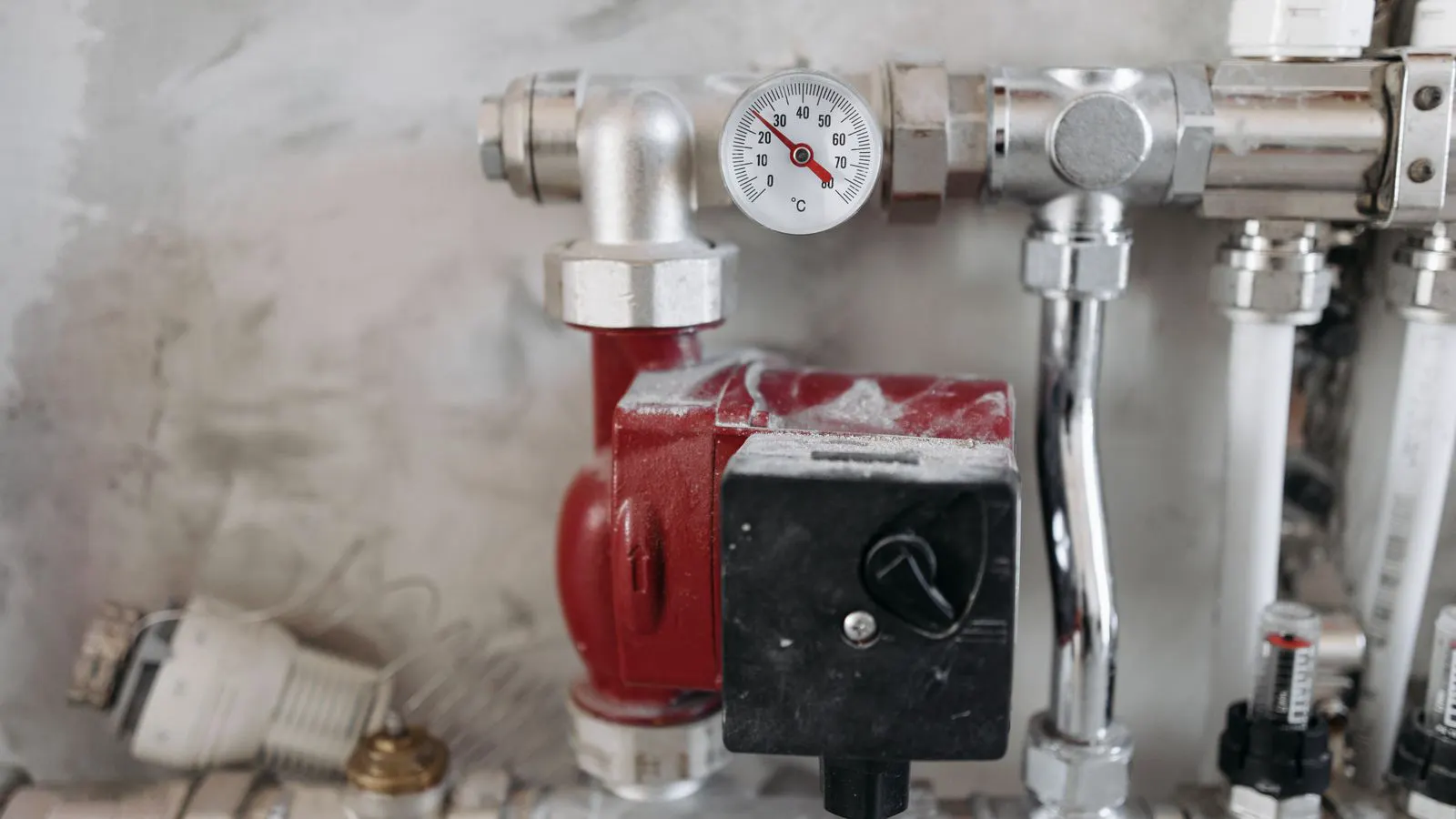
A CIP system is an automatic cleaning in place setup that sanitizes packaging equipment without disassembly. It uses controlled hot water, detergents, and rinsing cycles

CIP integration requires mapping existing filler geometry, adding valves and sensors, and modifying drain lines. This guide outlines the prerequisites, steps, and
CIP validation failure usually stems from poor cycle monitoring, valve issues, or dead space. This guide lists common symptoms, likely causes, and practical fixes to
A CIP valve validation checklist helps you verify packaging compliance and easy clean performance before an audit. It covers material selection, dead space, actuation
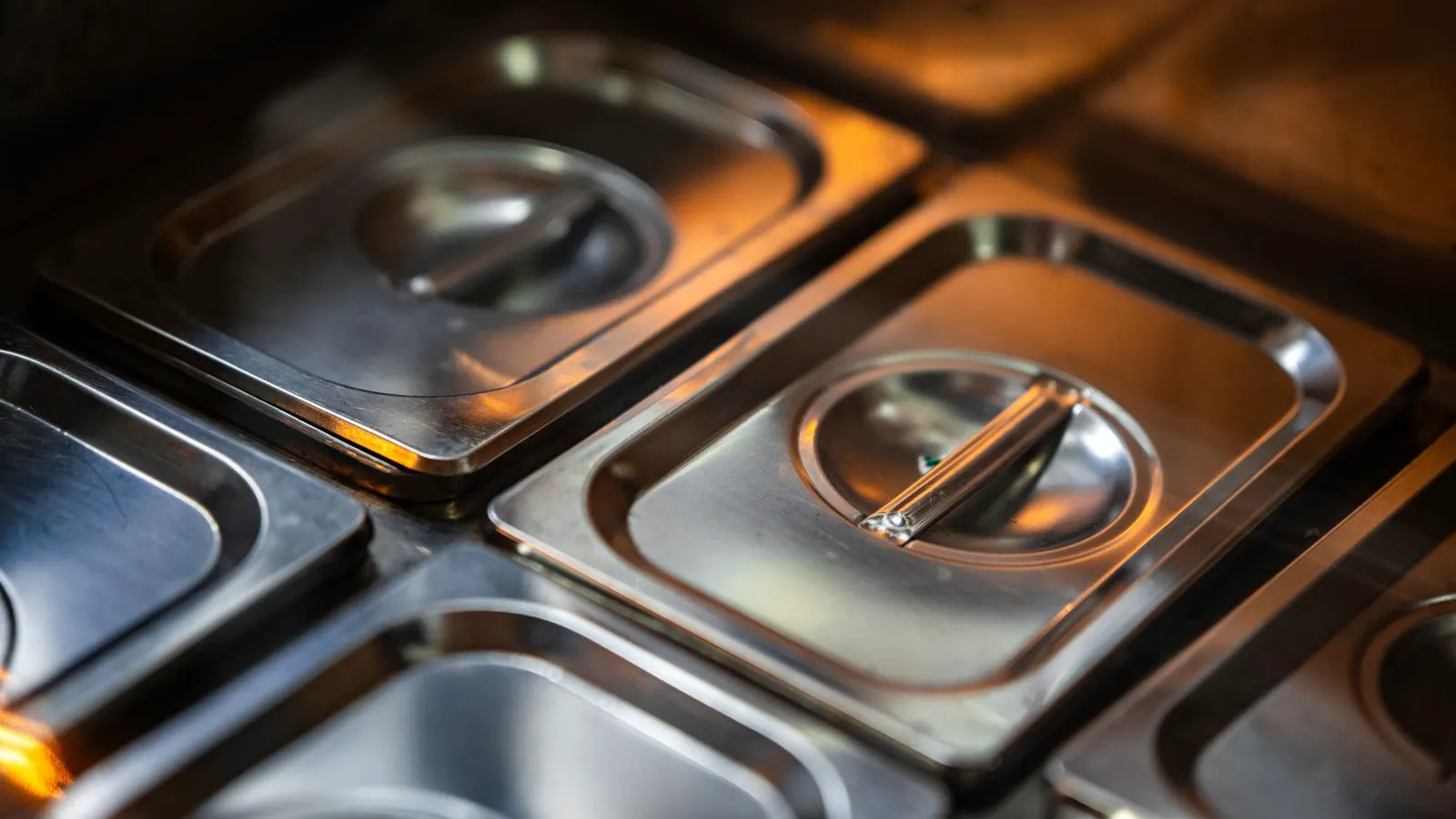
316L costs more than 304 but resists chloride and caustic CIP chemicals. 304 is cost-effective for neutral food products and mild cleaning. Select 316L when processing