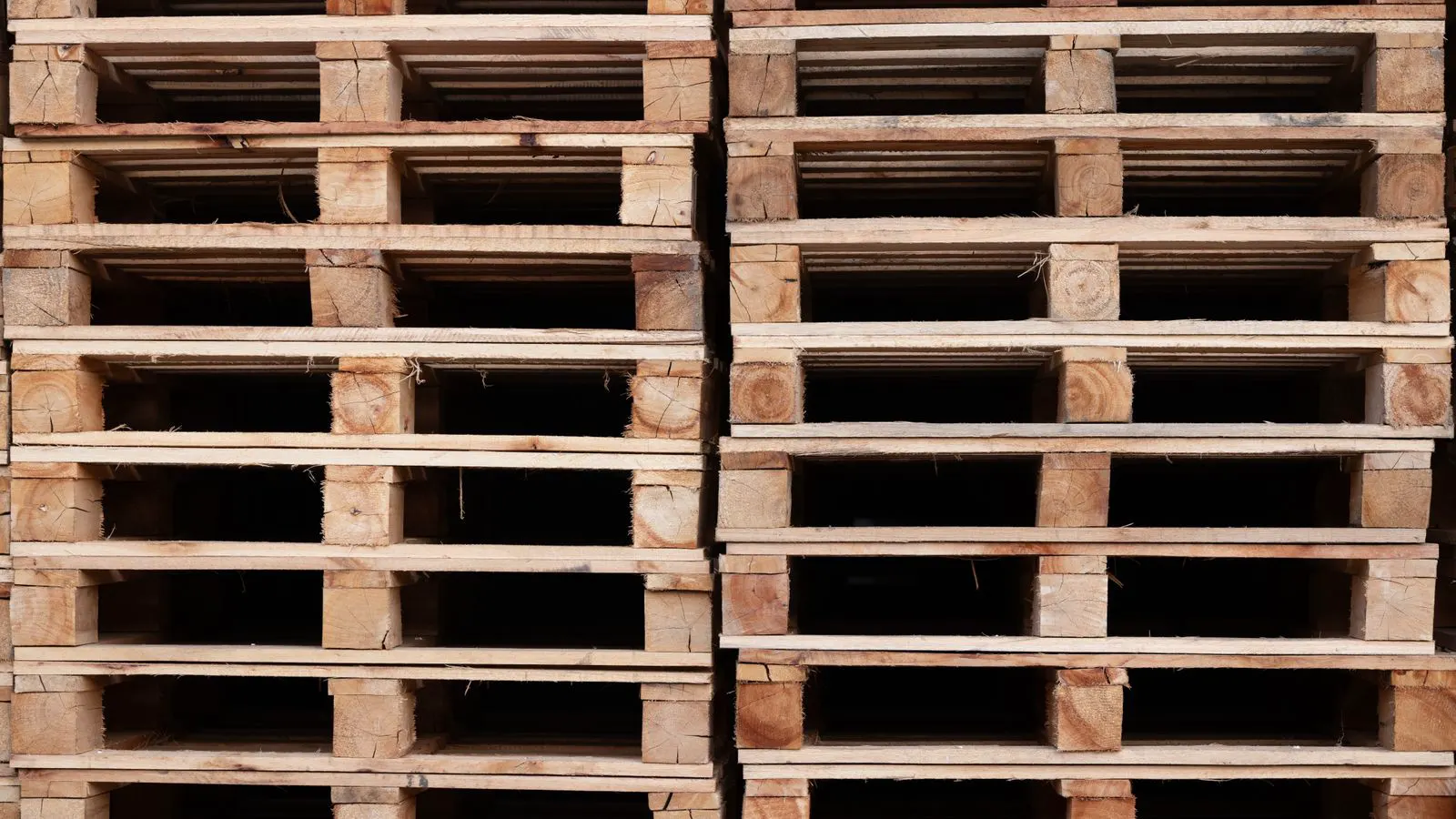
Comparison: Delta vs 4-Axis Palletizer Speed
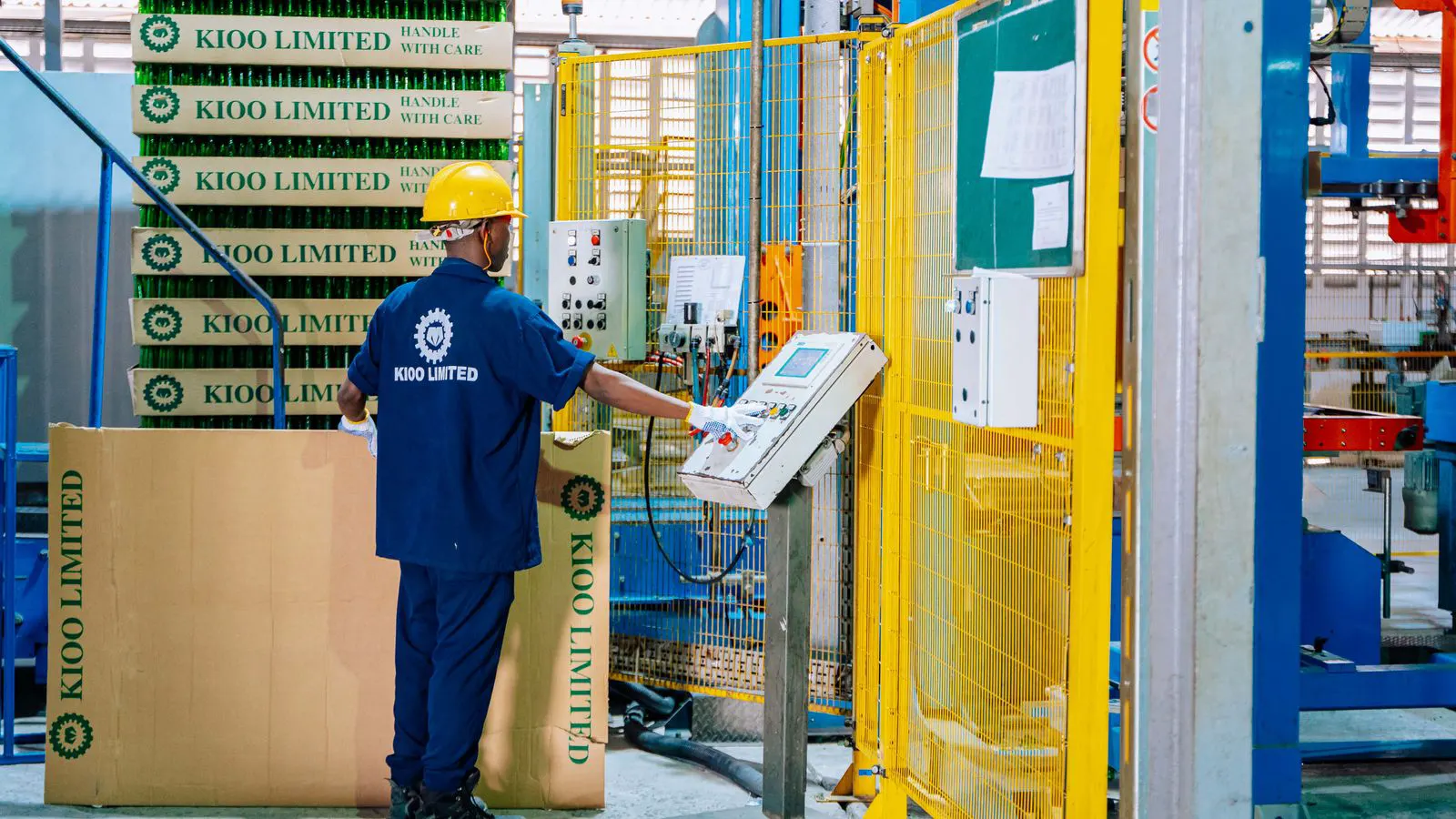
A delta palletizer prioritizes speed and footprint, while a 4-axis unit offers higher stacking accuracy and flexibility. The right choice depends on case geometry, pallet type, and required palletizer cycle time.
- Delta arms excel at high-speed, repetitive stacking with minimal footprint.
- Four-axis arms handle irregular case shapes and mixed pallet patterns better.
- Palletizer cycle time is determined by the slower of the arm motion or the infeed conveyor.
- Case stacking speed depends on case weight, fragility, and the required stack height.
- Evaluate floor space and maintenance access before finalizing the machine selection.
What determines palletizer cycle time?
Palletizer cycle time is the total elapsed time between the placement of one case and the next. This figure includes the robot arm motion, the infeed conveyor timing, and the safety interlocks. It is not just about how fast the arm can swing. A fast arm that waits for a jammed conveyor will still produce a slow cycle.
The cycle time depends on three main factors. First is the arm geometry. A delta arm moves in a horizontal plane and uses a compact linkage system. A four-axis arm rotates around a vertical axis and moves in a vertical plane. Second is the case size. Larger, heavier cases require more force and slower acceleration. Third is the pallet pattern. A simple 2x3 pattern on a standard pallet is faster to execute than a complex staggered pattern with mixed case orientations.
In practice, the infeed often sets the real limit. If the conveyor feeds cases too quickly, the palletizer must reject or buffer them. If it feeds them too slowly, the arm sits idle between cycles. The goal is to match the infeed rate to the arm’s maximum sustainable speed without causing case-to-case contact.
Delta palletizer vs 4-axis palletizer speed
The core difference between a delta palletizer vs 4-axis setup comes down to the arm’s degrees of freedom and the path it takes. A delta arm uses a parallelogram linkage to move the end effector in a flat plane. It has no vertical rotation axis. A four-axis arm typically has a base rotation, a shoulder, an elbow, and a wrist or tool rotation. This gives it more freedom of motion but adds mechanical complexity.
Delta arms generally achieve higher linear speeds over short distances. Their motion is constrained to a defined workspace, which allows for precise, rapid positioning. Four-axis arms can reach over obstacles and handle taller pallets, but each joint movement adds time. The extra axis can be a liability if the pallet pattern requires the arm to rotate the case 90 degrees before placing it.
| Option | Best for | Limitations |
|---|---|---|
| Delta Palletizer | High-volume, uniform case shapes, tight floor space | Limited reach height, fixed pattern complexity, no wrist rotation |
| Four-Axis Palletizer | Mixed case sizes, tall pallets, complex stacking patterns | Larger footprint, slower peak speed, higher maintenance cost |
| Vertical Palletizer | Standard pallets, moderate throughput, easy maintenance | Limited reach radius, less flexible for non-standard pallets |
| Horizontal Palletizer | Wide pallets, heavy cases, integrated with horizontal conveyors | Requires more floor space, harder to service under the arm |
Delta palletizers are often faster when the case shape is simple. Think rectangular cartons with uniform weight. The arm picks, moves, and places in a straight line. A four-axis arm might take longer to execute the same motion because it has to manage joint coordination. However, if the case is tall, narrow, or requires a specific orientation on the pallet, the four-axis arm may finish the cycle faster by avoiding complex repositioning steps.
How case shape affects stacking speed
Case geometry is the most common reason buyers underestimate the required palletizer speed. A standard 12x10x8 inch case is easy to stack. A 24x24x12 inch case is harder. The mass increases, and the center of gravity shifts. The arm must apply more force to pick it up and more precision to place it without shifting the stack.
Fragility also plays a role. Soft goods, like pillows or upholstered items, cannot be dropped with the same tolerance as rigid boxes. The palletizer must slow down during the placement phase to prevent compression damage. This reduces the effective cycle time. For rigid cases, the arm can use a higher acceleration profile. For soft cases, the acceleration must be low, and the dwell time at the target position may need to increase.
Case stacking speed is not just about placement speed. It is about the entire sequence. If the infeed conveyor feeds cases one by one, the arm must pick each one before the next arrives. If the conveyor feeds a group, the arm must handle multiple cases in a single cycle. Multi-case picking increases the cycle time per case but reduces the total time per pallet. This is often a better strategy for high-throughput lines.
When to pick a delta palletizer
A delta palletizer is the right choice when the product is uniform and the throughput target is high. If you are stacking identical cartons on standard wooden or plastic pallets, the delta arm’s compact design works well. It requires less floor space, which is a major advantage in tight warehouse environments. The maintenance is simpler because there are fewer joints to lubricate and inspect.
Delta palletizers also handle high-speed infeeds well. The arm can keep up with fast conveyor speeds without lagging. This makes them suitable for beverage, food, and consumer goods lines where the product is lightweight and the case size is consistent. The operator can set a fixed pattern and run the machine at full speed with minimal intervention.
The limitation is flexibility. If you need to switch to a different case size or a taller pallet, the delta arm may not reach. The fixed workspace can be a problem if the line layout changes. A delta palletizer is a specialist tool. It does one job very well.
When to pick a 4-axis palletizer
A four-axis palletizer is the better option when the product mix is varied or the pallet pattern is complex. If you are stacking mixed sizes, such as a combination of large cases and small cases, the four-axis arm can adjust its reach and orientation on the fly. It can also handle taller pallets without changing the arm configuration.
The four-axis arm is also better for cases that require a specific orientation. Some products must be placed with the label facing outward, or with the top of the case aligned in a particular direction. The wrist rotation on a four-axis arm allows for this without requiring the operator to rotate the case manually. This reduces labor and prevents misplacement errors.
The trade-off is speed and footprint. A four-axis arm is larger and slower at peak throughput. It also requires more floor space for the base rotation. The maintenance is more complex because there are more moving parts. If your line is high-volume and the case shape is simple, you may be paying for features you do not need.
How to validate the throughput claim
Before purchasing, you must validate the manufacturer’s throughput claim with your specific product. Do not rely on the brochure speed. The brochure speed assumes ideal conditions: perfect case alignment, no jams, and a perfectly timed infeed. Your line will not operate under those conditions.
Run a trial with your actual cases. Measure the time it takes to stack a full pallet. Count the number of cycles per hour. Check for case misalignment, which can cause stacking errors that require manual correction. Verify that the infeed conveyor can sustain the required feed rate without creating a bottleneck.
The checklist for validating machine fit and floor space should include the palletizer’s footprint, the infeed and outfeed conveyor lengths, and the access points for maintenance. A delta palletizer may have a smaller footprint, but the infeed conveyor may need to be longer to reach it. A four-axis arm may need more space for the base rotation, but the infeed can be closer to the pallet.
Also, consider the operator’s access. Can they see the stack? Can they remove a jammed case without moving the pallet? Can they clean the gripper? These details affect the real cycle time. If the operator spends time clearing jams, the effective throughput drops.
Final selection criteria
The choice between a delta palletizer vs 4-axis palletizer comes down to your specific line constraints. If the case is uniform and the space is tight, the delta arm usually wins on speed and footprint. If the case mix is varied or the pallet pattern is complex, the four-axis arm provides the necessary flexibility.
Look at the palletizer cycle time, not just the arm speed. The cycle time includes the infeed, the arm motion, and the placement. A slow arm with a fast infeed will have a better cycle time than a fast arm with a slow infeed. Match the arm to the infeed.
Case stacking speed is also affected by the case weight and fragility. Heavy cases require slower acceleration. Fragile cases require lower impact forces. These factors reduce the maximum sustainable speed. Test with your actual product before finalizing the selection.
The machine footprint matters too. A delta palletizer may fit in a smaller space, but the infeed and outfeed conveyors may take up more room. A four-axis arm may need more space for the base, but the conveyors can be shorter. Measure the total line length, not just the robot.
Finally, consider the maintenance burden. A delta arm has fewer joints and is simpler to service. A four-axis arm has more moving parts and requires more frequent lubrication. If your maintenance team is small, the simpler machine may be the better choice. If you have a full maintenance crew, the four-axis arm’s flexibility may be worth the added cost.
Frequently asked questions
Which palletizer is faster for high-volume lines?
A delta palletizer is generally faster for high-volume lines with uniform case shapes. Its compact linkage system allows for rapid, repetitive motion in a fixed plane.
Can a delta palletizer handle mixed case sizes?
A delta palletizer has limited flexibility for mixed case sizes. The fixed workspace and lack of wrist rotation make it difficult to handle different orientations or heights.
What is the main disadvantage of a four-axis palletizer?
The main disadvantage is the larger footprint and slower peak speed. The additional joints increase the mechanical complexity and reduce the maximum linear speed.
How does case weight affect palletizer cycle time?
Heavier cases require slower acceleration and more force to pick and place. This increases the cycle time and may require a stronger arm or a slower infeed rate.
Should I choose a delta or 4-axis palletizer for tall pallets?
A four-axis palletizer is better for tall pallets. It has a greater reach height and can handle complex stacking patterns without changing the arm configuration.