Filling & Sealing Machines
Explainer: What Is a Rotary Filling Machine
A rotary filler is a filling machine that uses a rotating carousel of cups to dose liquid products. Each cup aligns with a valve or nozzle for precise dispensing. This
Explore machine types, filling speeds, and sealing technologies for liquids, powders, and solids with practical guidance.
A rotary filler is a filling machine that uses a rotating carousel of cups to dose liquid products. Each cup aligns with a valve or nozzle for precise dispensing. This
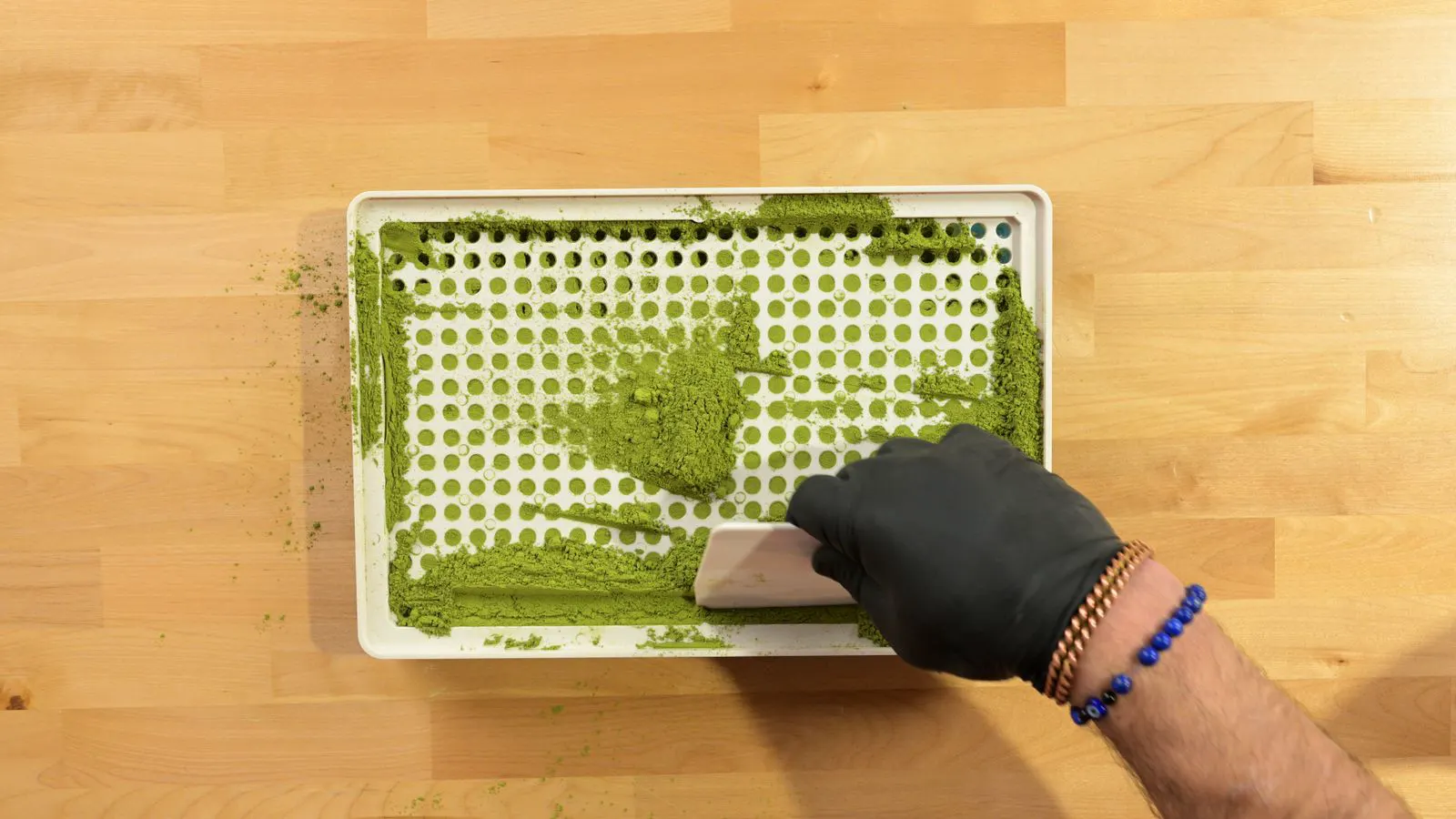
Emerging powder sealing technology moves toward tighter control, sensor fusion, and lower maintenance. Buyers should plan for tighter tolerances, digital integration
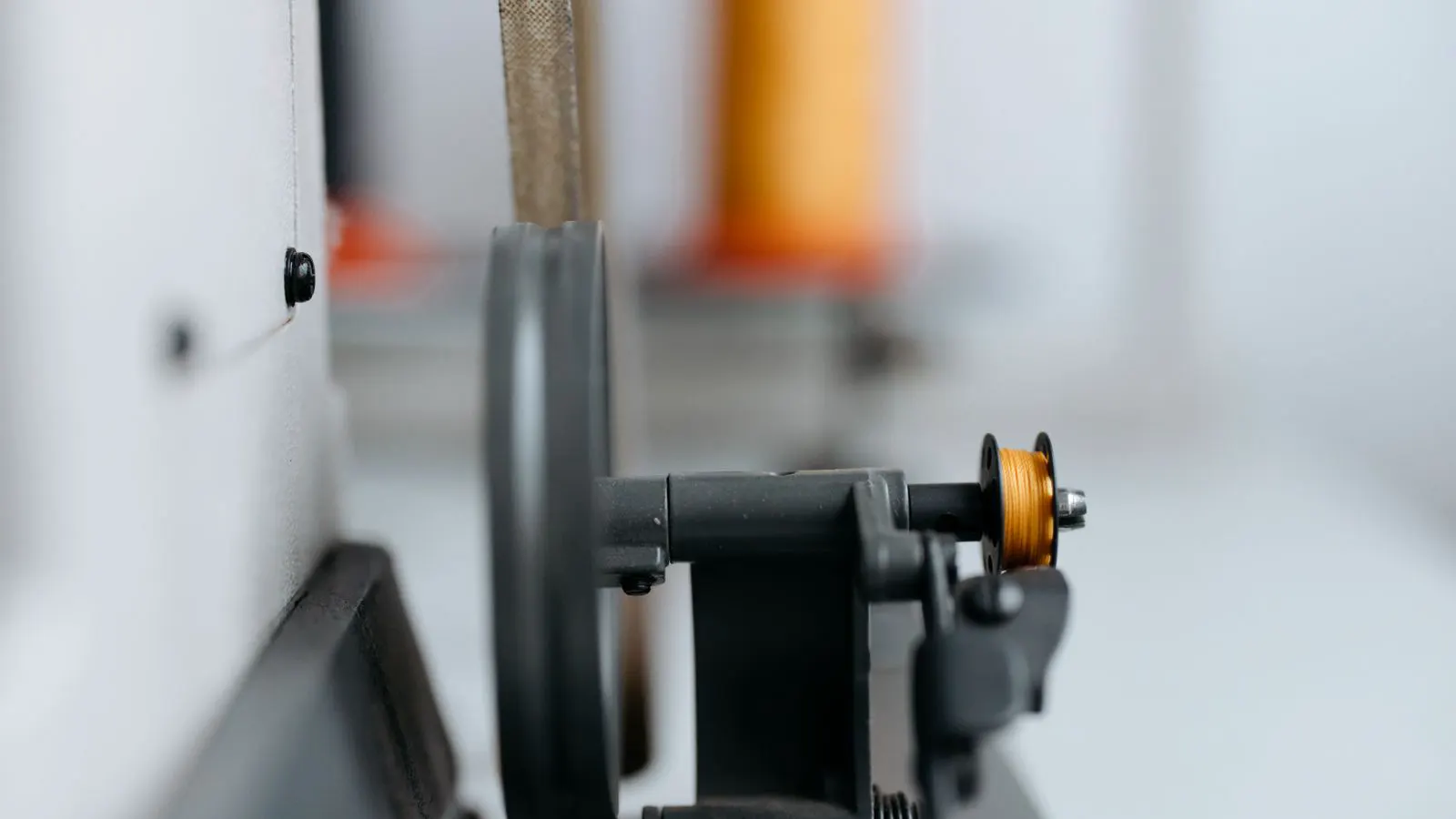
Piston fillers handle thick pastes by displacing product through a sealed chamber, while cup fillers scoop product directly. Piston systems offer better accuracy and
Viscous filling costs depend on pump selection, material compatibility, and throughput. Lead times extend with custom pumps. A clear RFQ specifying viscosity
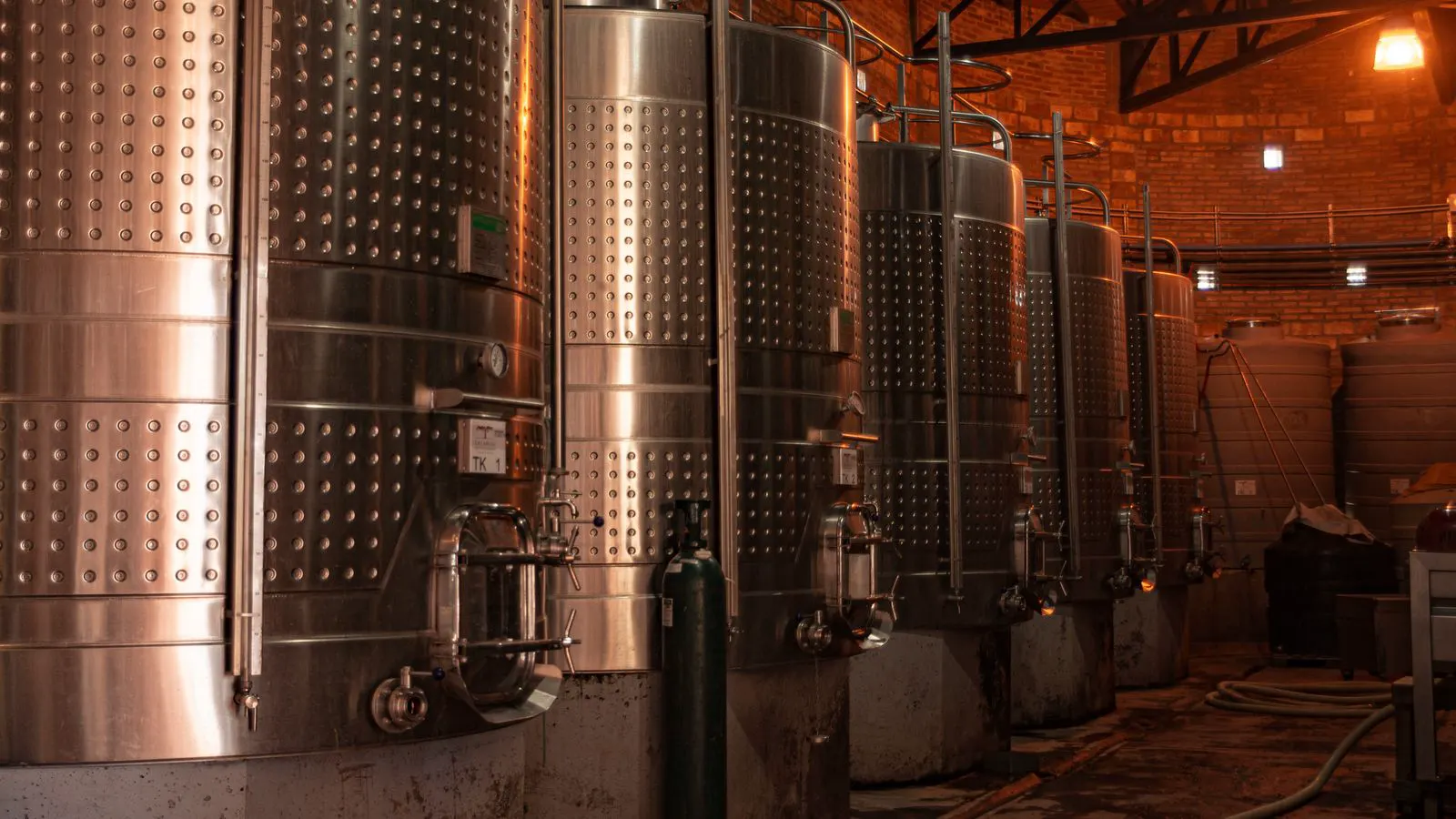
Choose a liquid filling machine by matching product viscosity and fill volume to the right technology. Evaluate container compatibility, washdown needs, and line
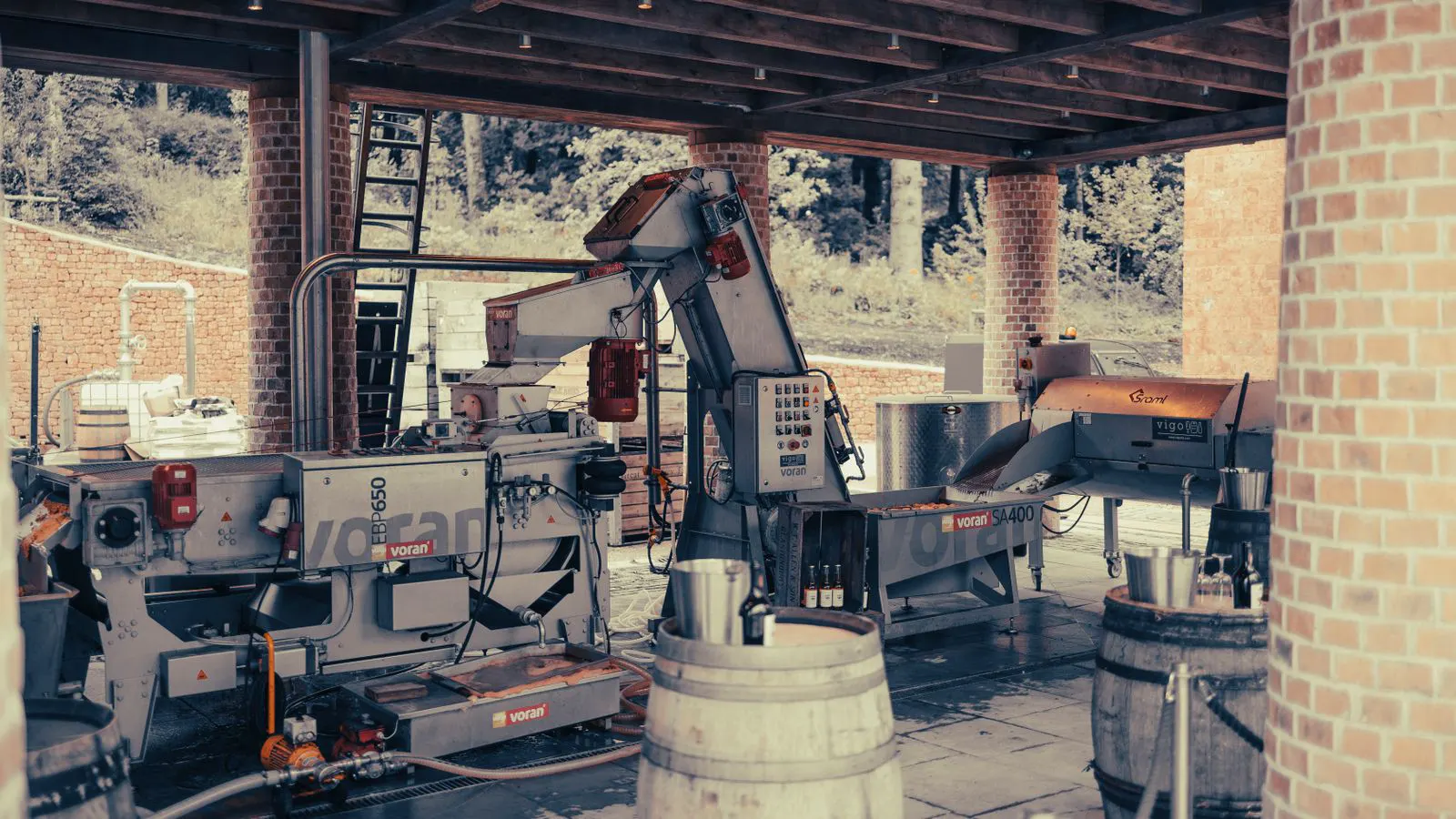
This guide provides a structured vacuum sealing verification checklist for quality managers. It covers pre-flight checks, in-process inspection, and post-production
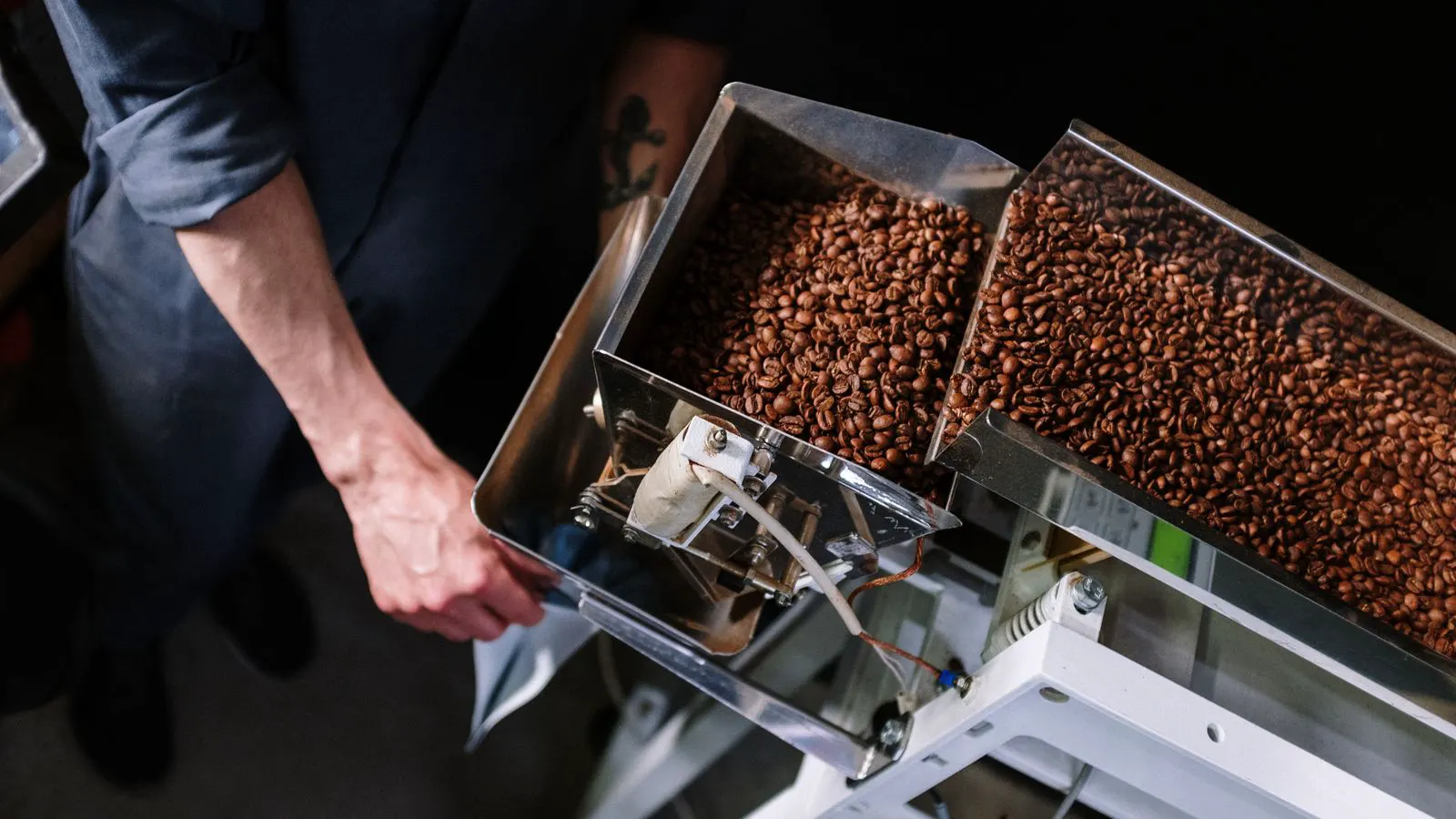
This guide lists common symptoms, likely causes, and fixes for rotary filler leaks. It provides a structured checklist for maintenance teams to diagnose sealing faults
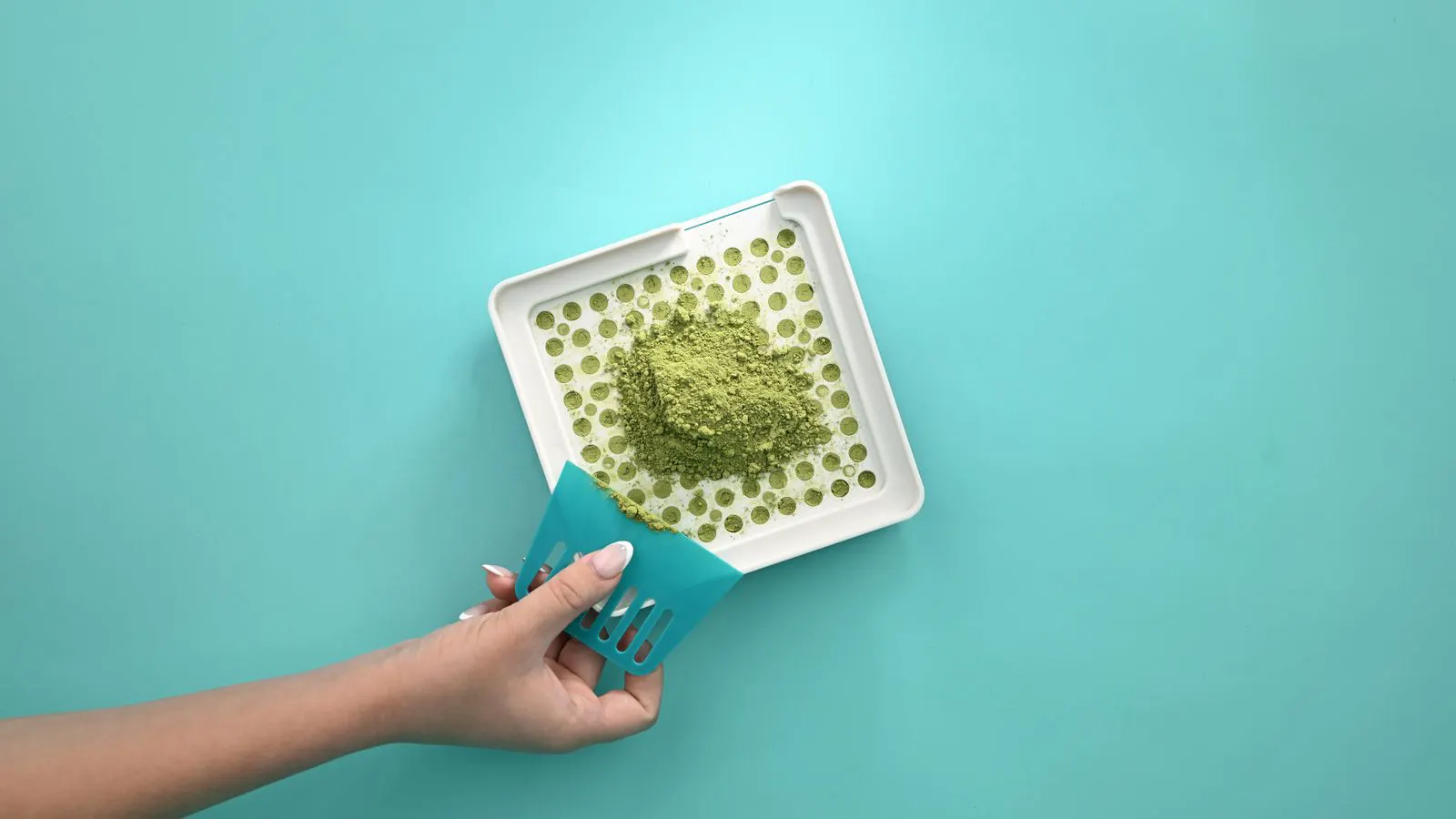
Powder sealing automation is moving toward tighter integration of filling, sealing, and verification. Buyers should plan for digital monitoring, modular seal heads, and
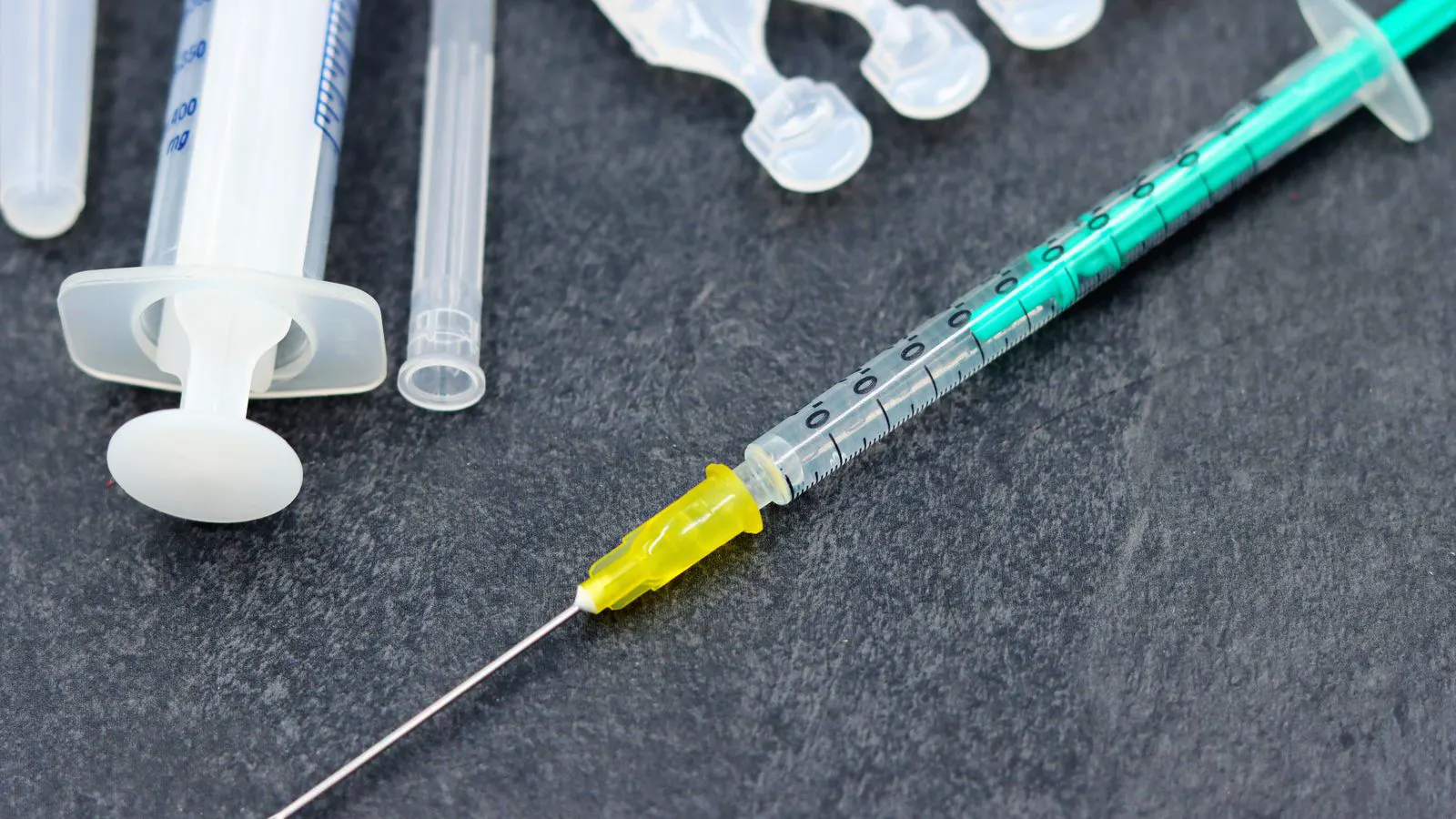
Rotary filling machine costs depend on throughput, filling method, sealing integration, and line automation. High-speed liquid fillers typically command premium pricing.
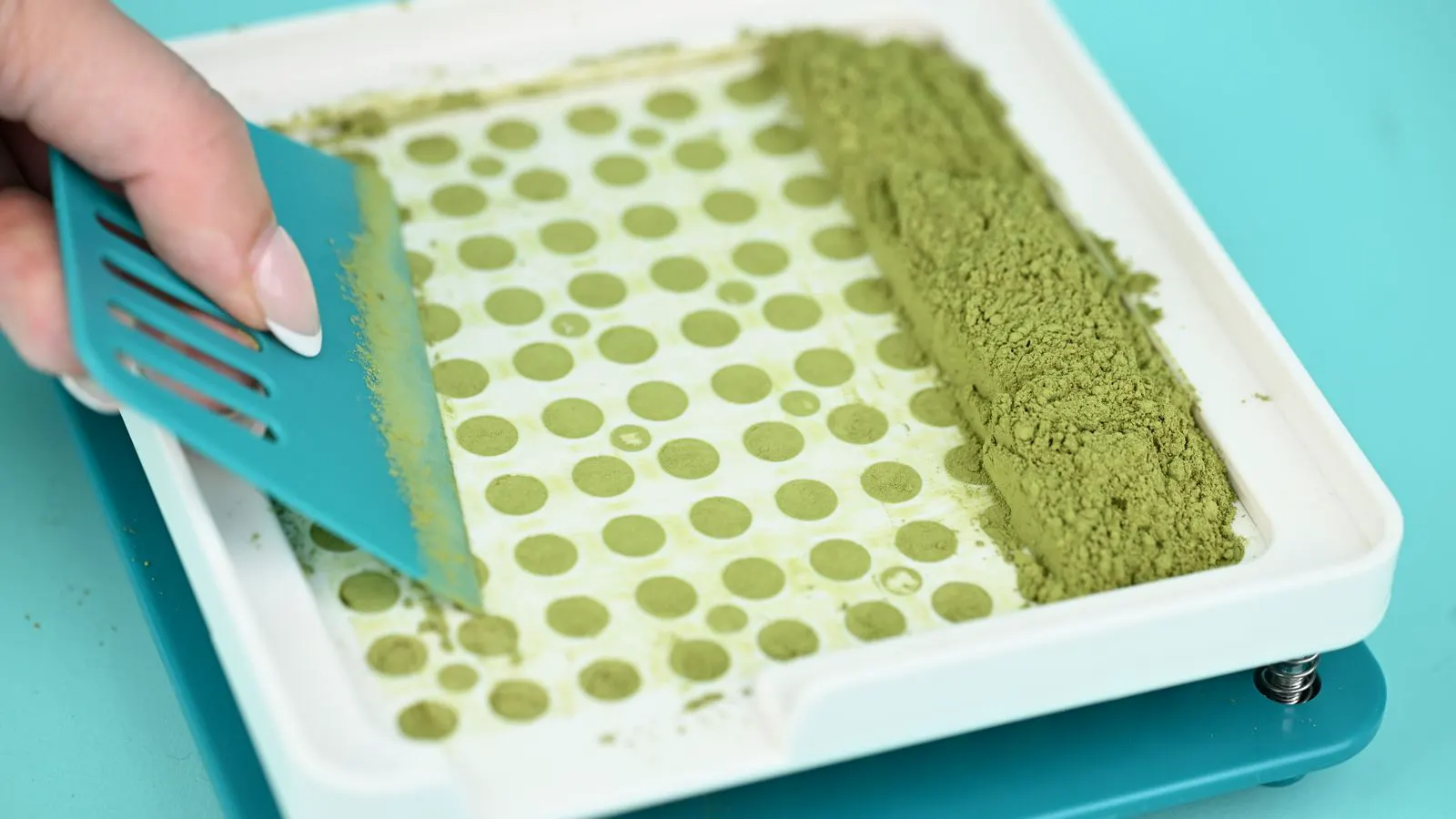
Buyers must match powder sealing heads to powder type, container material, and line speed. The guide covers seal styles, material compatibility, and verification checks
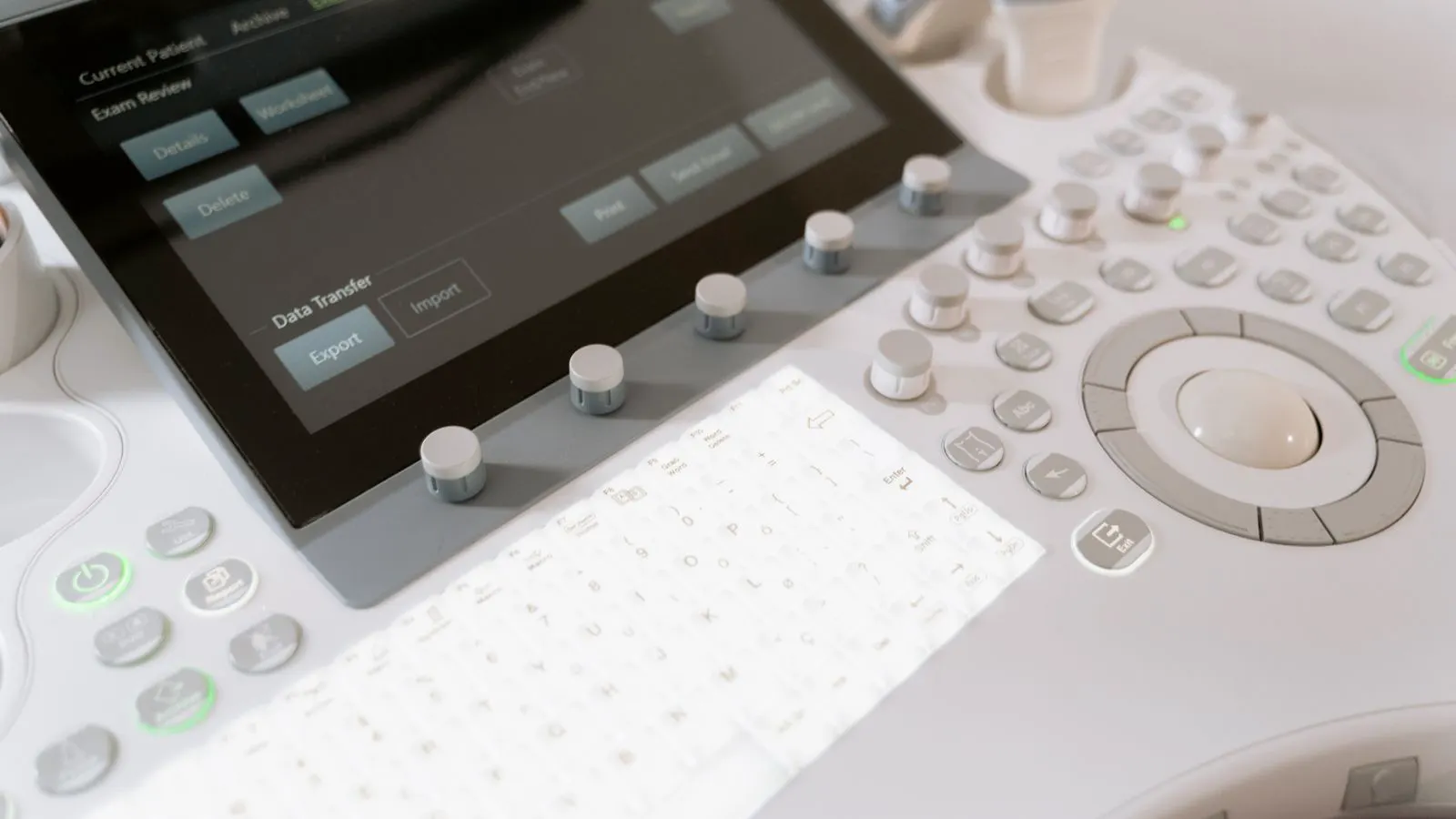
Digitalization moves filling and sealing toward connected sensors, adaptive controls, and predictive maintenance. Buyers should plan for data integration, flexible

A validation checklist for sealing equipment confirms leak-free, consistent seals on liquid product lines. It covers seal parameters, surface preparation, fixture wear