Hygiene & Standards
Sanitary Design: Cost vs Lead Time for Compliance
Sanitary design cost depends on material changes, CIP integration, and vendor lead times. Budget for 20 to 40 percent of the base machine price and plan for longer
Understand food-grade design, easy-clean features, and common compliance expectations for hygienic and regulated packaging lines.
Sanitary design cost depends on material changes, CIP integration, and vendor lead times. Budget for 20 to 40 percent of the base machine price and plan for longer
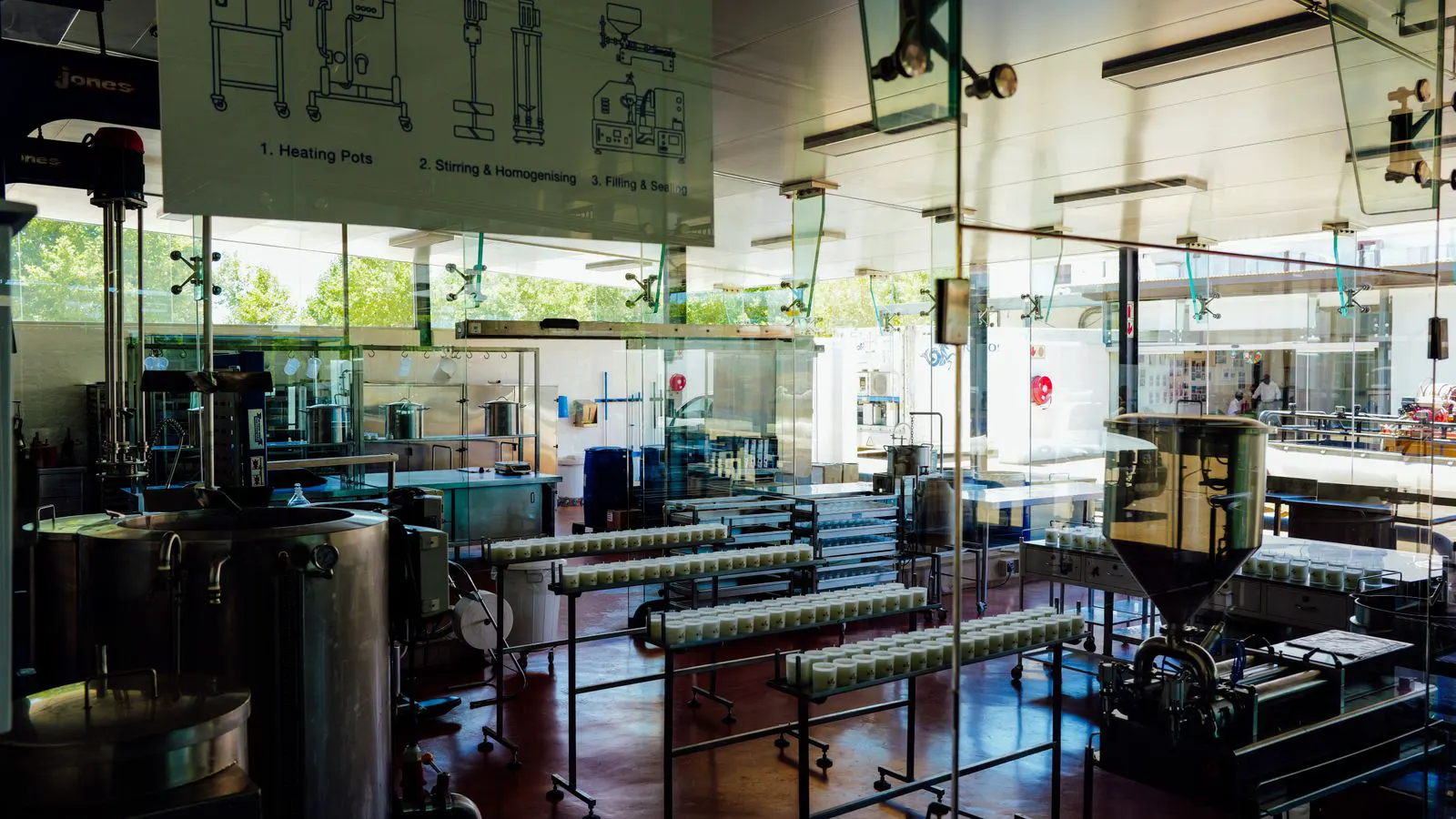
Food grade certified packaging machinery uses compliant materials, smooth surfaces, and specific design features. These elements prevent contamination and meet
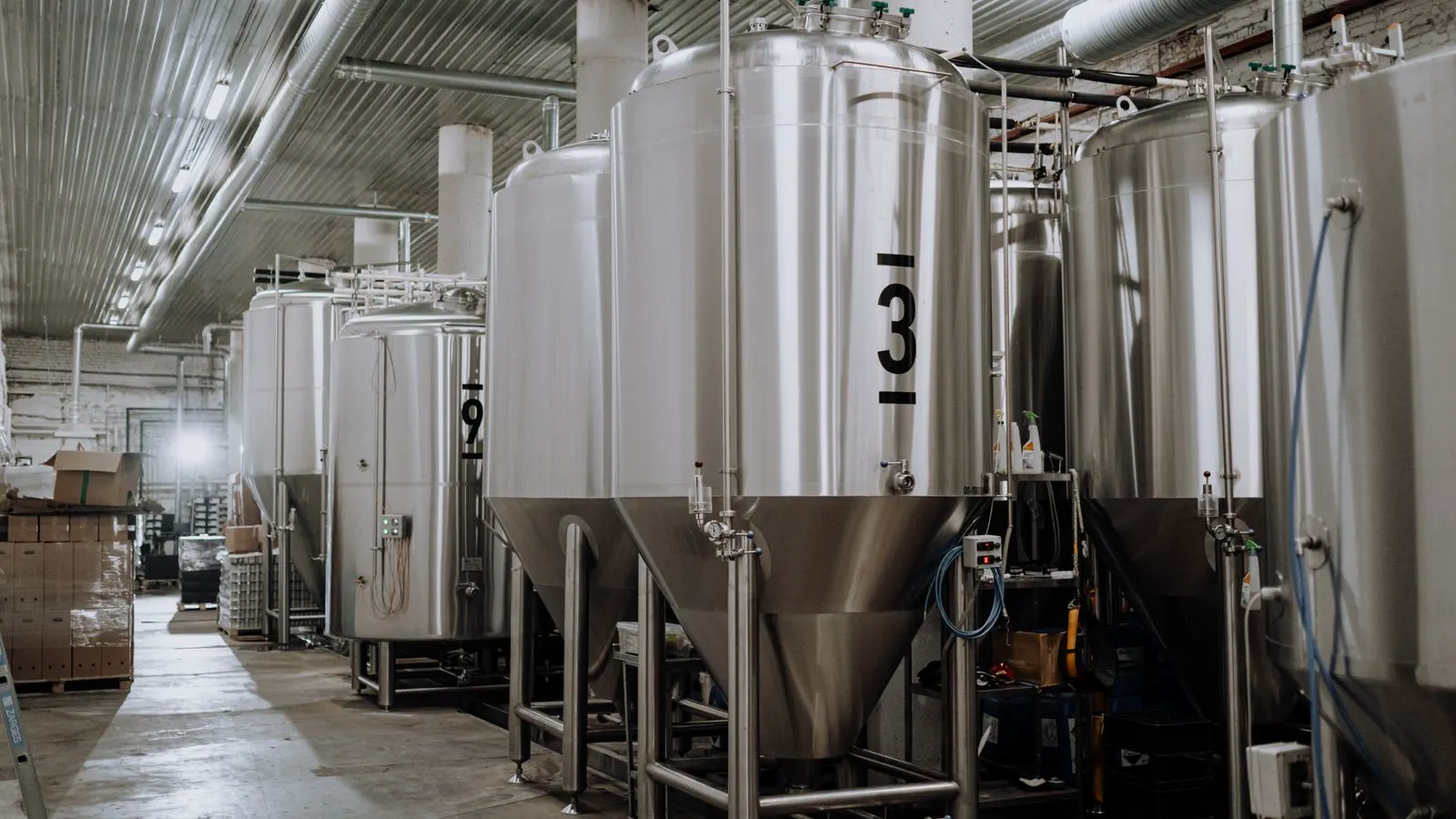
Regulatory updates are moving packaging hygiene standards from basic cleaning to continuous monitoring and digital traceability. Buyers should expect stricter food-grade
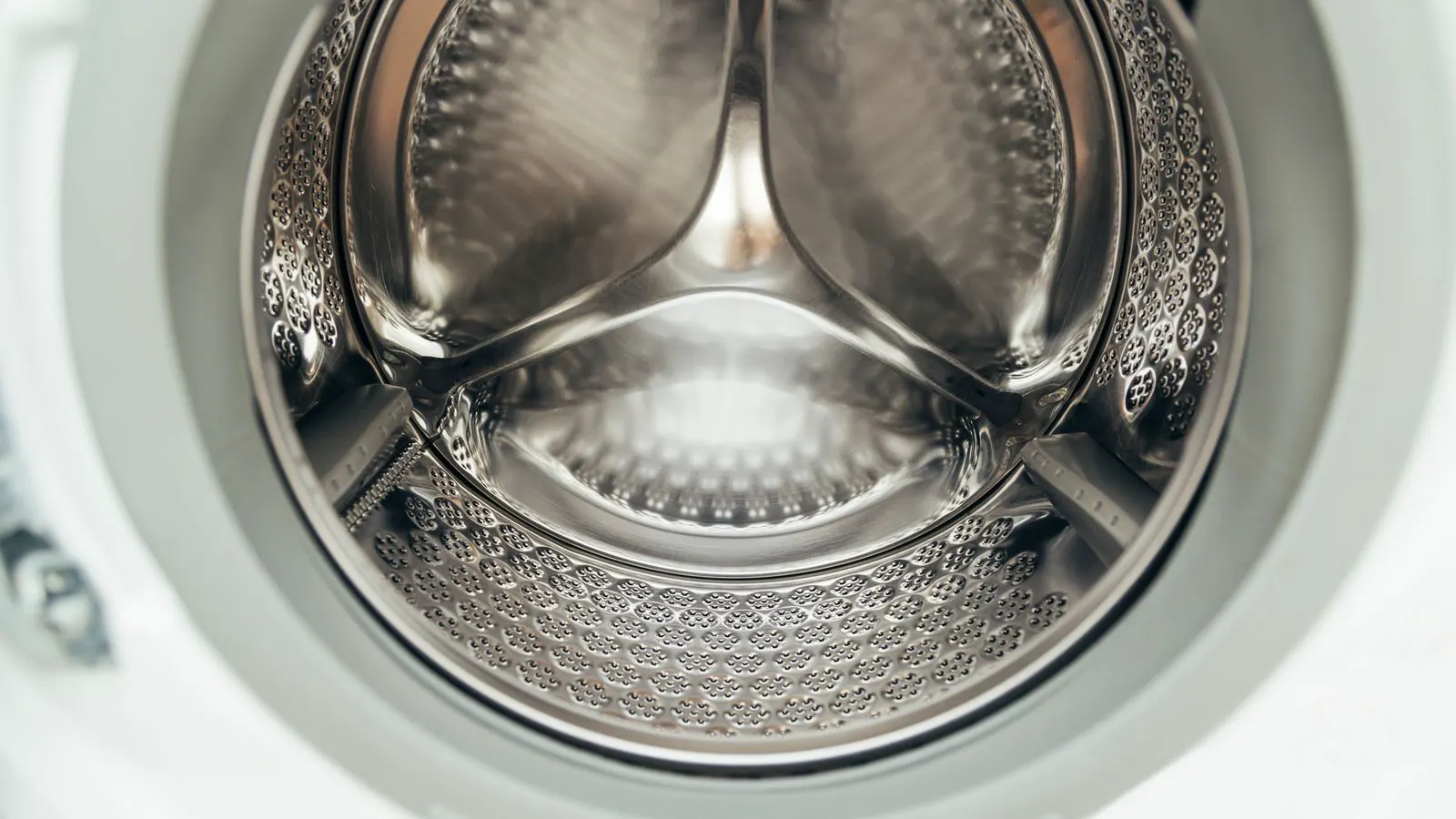
CIP is faster, more consistent, and easier to audit than manual cleaning in high-volume packaging. Manual works for low-speed or specialized lines. The right choice
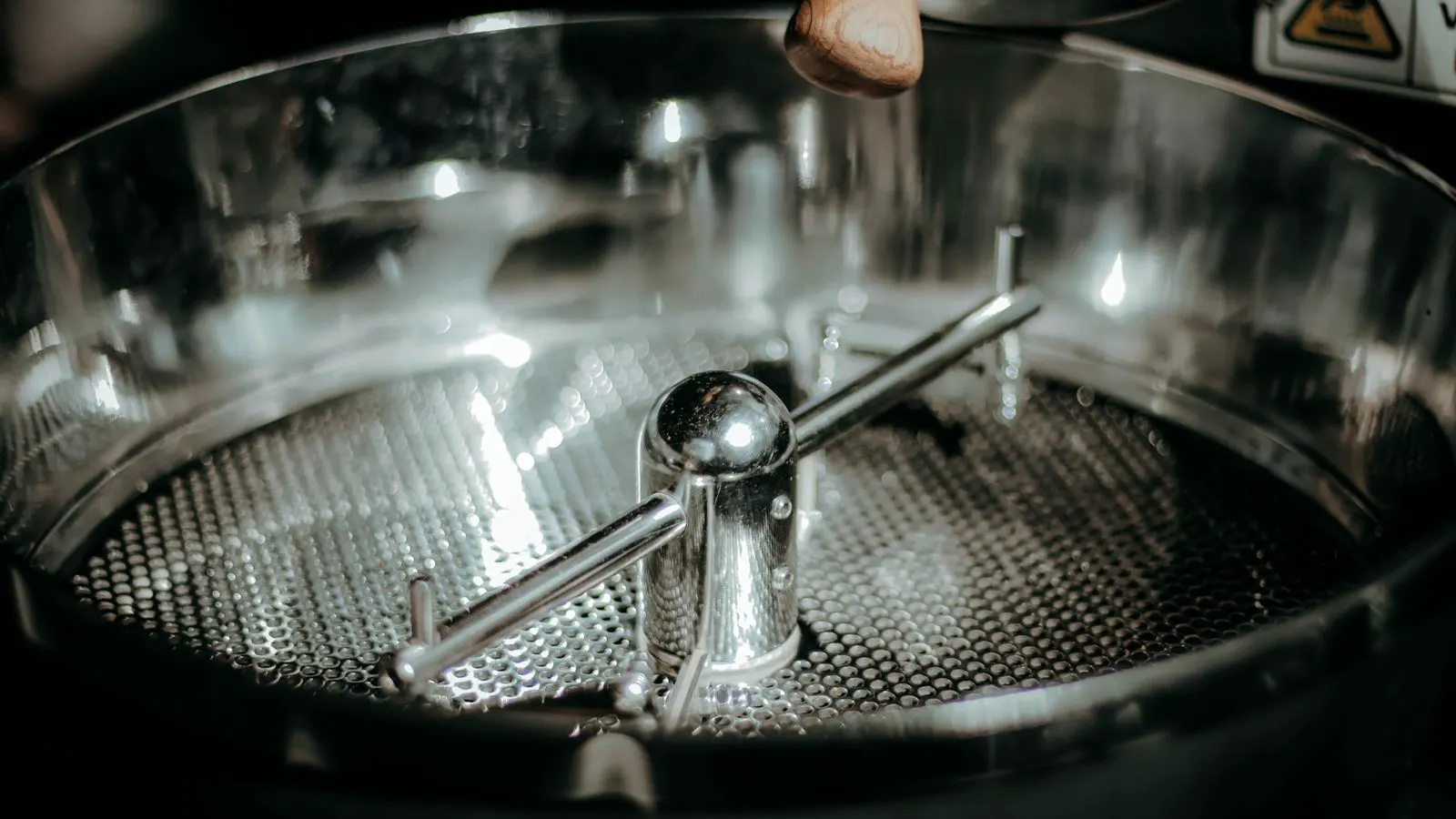
To select food grade packaging machinery, evaluate hygiene design, material compatibility, and cleaning access. Check vendor documentation, surface finish, and CIP
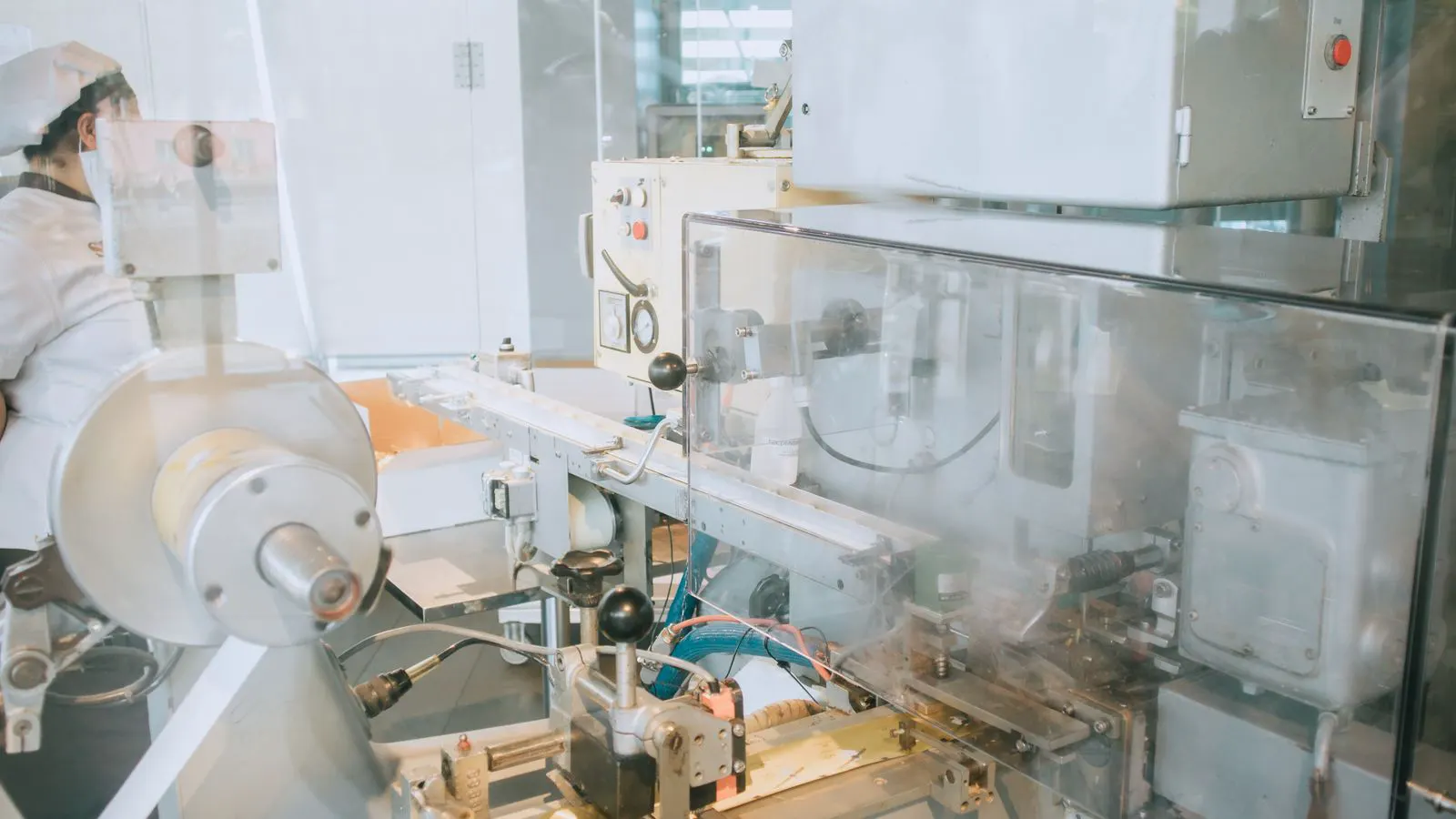
CIP troubleshooting helps identify why clean in place cycles fail on wet packaging equipment. This guide lists common symptoms, likely causes, and practical fixes to
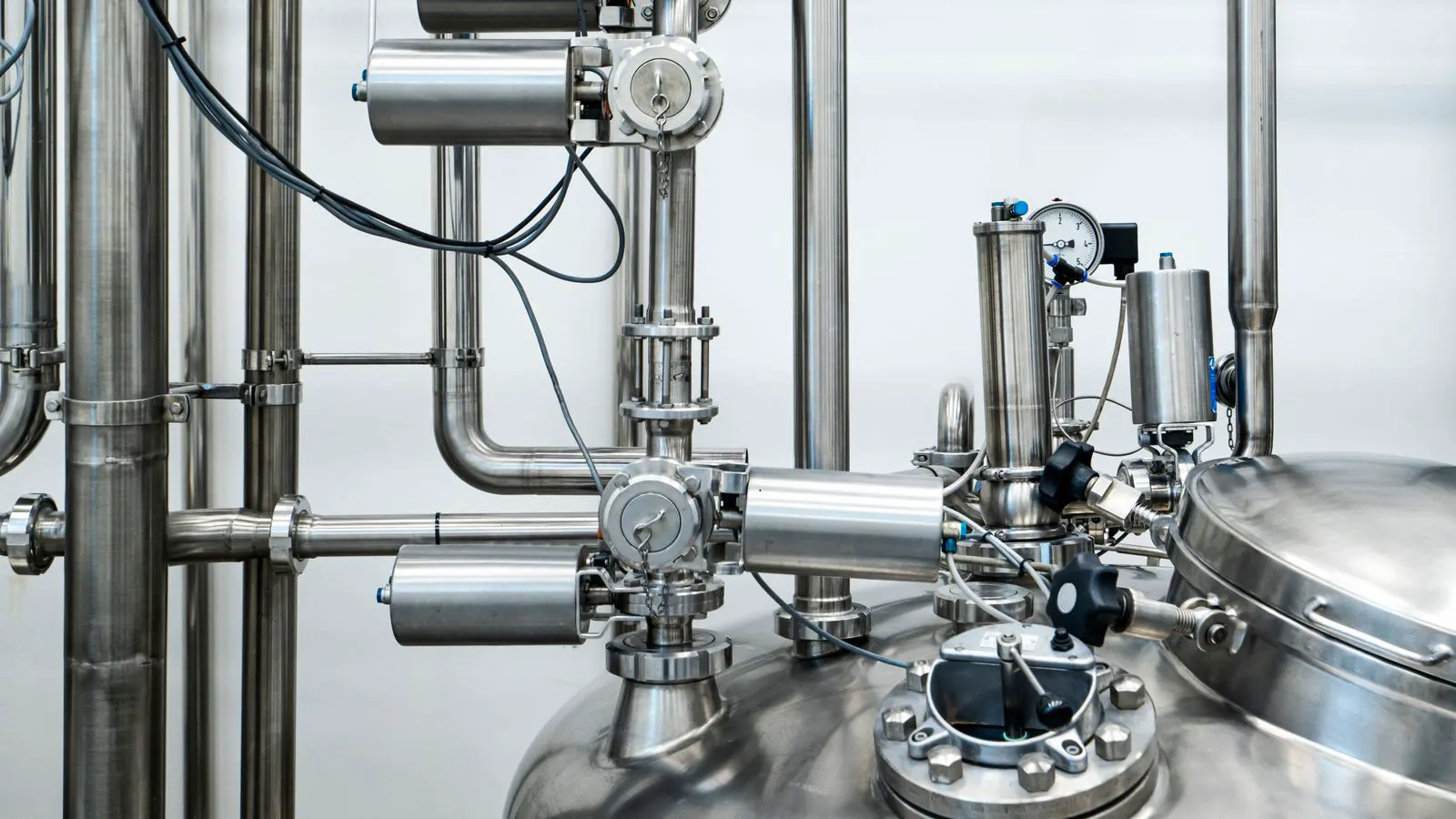
Food grade materials cost depends on material type, certification level, and part complexity. Lead time varies by supplier and region. A clear RFQ with exact standards
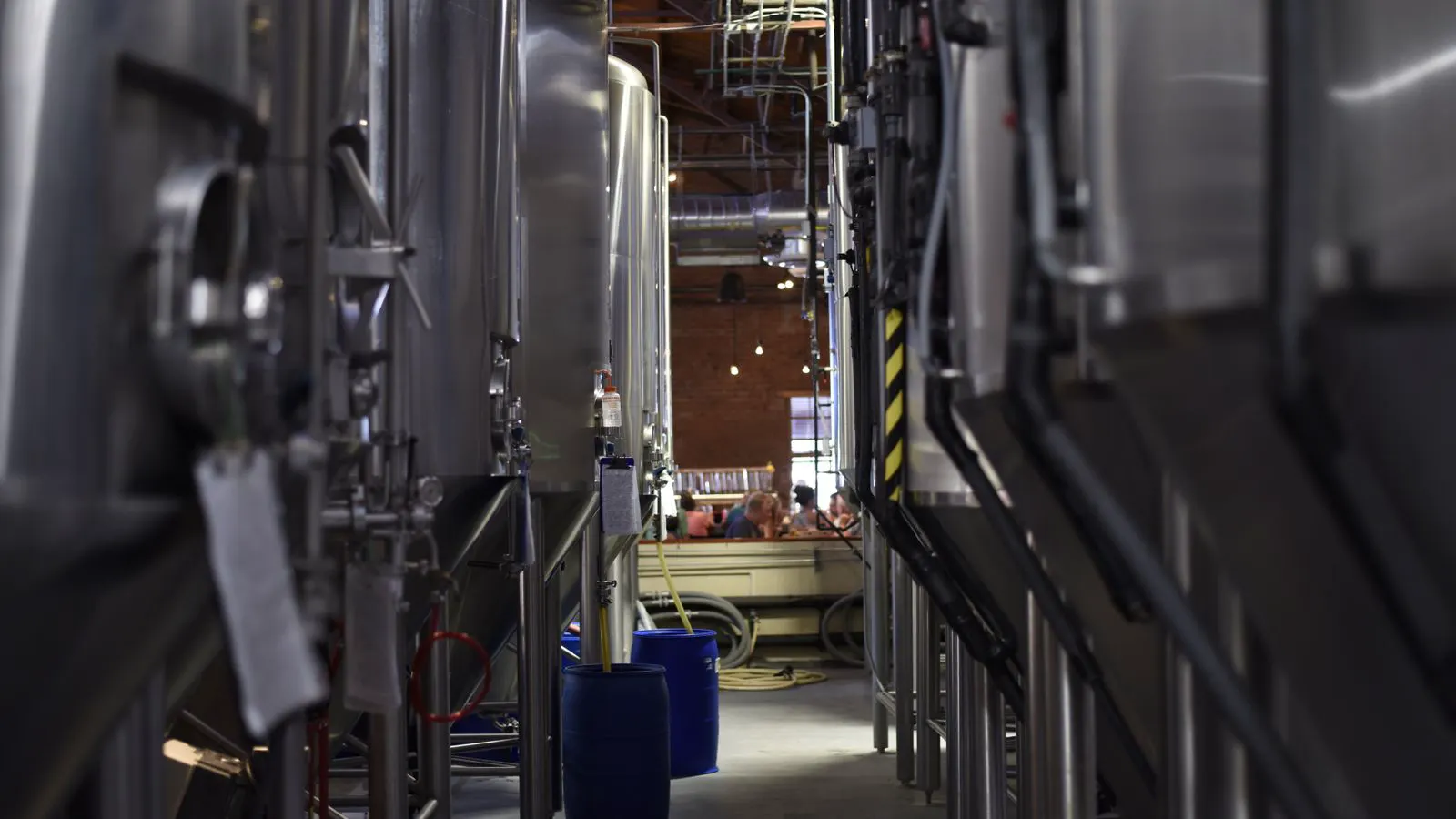
Implementing CIP systems for high-speed packaging equipment requires careful design of valves, nozzles, and controls. This guide outlines the technical steps to ensure
This guide provides a 12-point sanitary design checklist to verify hygiene compliance in packaging machinery. It covers surfaces, joints, materials, and maintenance to