Food Grade Materials: Cost and Lead Time for Compliant Parts
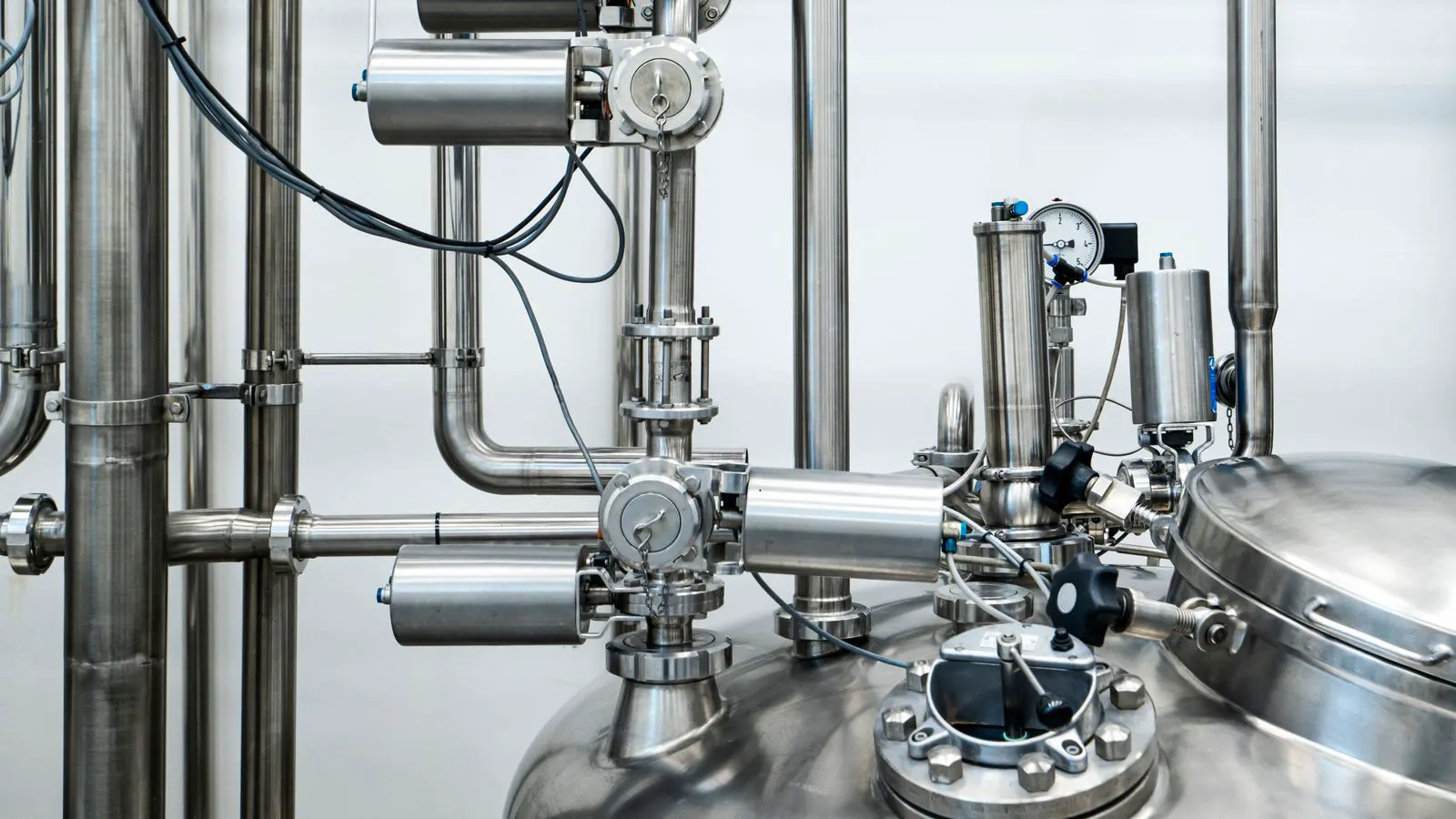
Food grade materials cost depends on material type, certification level, and part complexity. Lead time varies by supplier and region. A clear RFQ with exact standards and part dimensions reduces quote variance and accelerates sourcing.
- Food grade materials cost rises with material grade, surface finish, and certification requirements.
- Lead time is driven by part geometry, supplier stock, and regional logistics.
- A precise RFQ with standards and drawings cuts quote variance and shortens procurement time.
- Compare quotes on total landed cost, not just unit price.
- Verify compliance documentation before finalizing supplier selection.
What drives the price of food grade materials
The cost of food grade materials for packaging machinery is not set by a single factor. It is the result of material selection, part geometry, surface treatment, and the level of compliance documentation required by the end user. A simple food grade fastener costs far less than a machined stainless steel part that must meet strict surface finish and corrosion resistance standards.
Material grade is the first cost driver. Stainless steels are common in food contact applications because they resist corrosion and clean easily. Higher alloy grades resist pitting and chemical exposure better. They also cost more per kilogram. The difference between a standard and a higher alloy grade can be significant when the part is large or used in large volumes.
Surface finish affects price as well. A polished finish takes longer to produce and requires more inspection. A passivated part costs more than an unpickled one. When the part is exposed to cleaning chemicals or high humidity, a better finish may be necessary to prevent corrosion and maintain hygiene.
Part complexity adds cost. A straight shaft is cheaper to machine than a part with multiple threaded sections, grooves, or internal passages. Tight tolerances increase machining time and reduce yield. A part that must be disassembled for cleaning often requires more engineering and more expensive fasteners than a sealed unit.
Certification adds cost. If the supplier must provide material test reports, mill certificates, or compliance statements for a specific standard, that work takes time and money. Some buyers require full traceability from raw material to finished part. Others only need a basic compliance statement. The difference changes the quote.
How lead time is determined for compliant parts
Lead time is often the bigger problem for buyers. A part may be cheap to make but slow to deliver. Several factors control delivery time.
Stock availability matters. Some suppliers keep common food grade fasteners and gaskets in stock. If the part is standard, delivery can be short. If the part is custom or made to drawing, the supplier must source raw material, schedule machining, and run inspection. Each step adds time.
Raw material lead time is a hidden factor. Stainless steel coil or bar stock can have long delivery times, especially during high demand periods. A supplier may quote a short lead time but miss it if the raw material does not arrive.
Tooling and setup time add days to weeks. A new part may require a new tool holder, fixture, or inspection program. The first batch is slower than subsequent batches. If the part requires heat treatment or passivation, those processes add more time.
Regional logistics affect delivery. Parts made in one region and shipped to another face longer transit times. Customs clearance, documentation, and port congestion can delay the shipment. A buyer in Europe receiving parts from Asia will see a different lead time than a buyer in North America receiving from a local supplier.
How to write a clear RFQ for food grade parts
A poor request for quotation produces a poor quote. Ambiguity in the RFQ leads to guesses from the supplier. The supplier may assume a standard material grade, a basic finish, or a shorter lead time. When the buyer receives a quote, the price may not match the actual need.
Start with the part drawing. Include dimensions, tolerances, and any special features. If the part is a standard item, provide the part number and the standard it follows. For custom parts, provide a CAD file or a detailed drawing. The more precise the input, the fewer assumptions the supplier must make.
State the material grade and finish. Do not just say stainless steel. Specify the alloy and the surface treatment. Include any requirements for passivation, polishing, or corrosion resistance. If the part must meet a specific hygiene standard, name it. If the buyer needs a material test report or mill certificate, say so explicitly.
Define the quantity and delivery schedule. A single part and a batch of five hundred parts have different cost structures. A one-time delivery and a scheduled release over several months have different lead time profiles. State both.
Ask for compliance documentation in the RFQ. List the documents required. This prevents a later argument about what is included. It also helps the buyer compare quotes fairly.
How to compare quotes fairly
Quotes for food grade parts often look different. One supplier may include tooling, another may not. One may include certification, another may charge extra. A low price can become expensive when the buyer adds the missing items.
Compare the total landed cost. This includes unit price, tooling, certification, packaging, freight, and any handling fees. A supplier with a low unit price may have high logistics costs. A supplier with a higher unit price may include everything and deliver faster.
Compare the lead time on the same basis. One quote may say two weeks from PO. Another may say four weeks from raw material receipt. Align the start date and the delivery date. Check what happens if the date slips. Ask about penalties or expediting options.
Compare the compliance scope. One quote may cover basic compliance. Another may include full traceability, test reports, and a formal compliance statement. If the buyer needs the latter, the first quote is incomplete.
Compare the supplier’s track record. A supplier with experience in food grade parts understands the documentation and the quality checks. A supplier with no experience may cut corners. Ask for references from similar projects. Check if they have delivered parts for packaging machinery before.
Cost drivers in one table
The table below lists the main cost drivers for food grade compliant parts. Use it as a checklist when reviewing quotes.
| Cost Driver | What It Affects | Typical Impact on Price |
|---|---|---|
| Material grade | Corrosion resistance, chemical exposure | Higher grades cost more per unit |
| Surface finish | Hygiene, cleaning, corrosion | Polished or passivated parts cost more |
| Part complexity | Machining time, tooling, yield | Complex parts cost significantly more |
| Certification | Documentation, testing, traceability | Full traceability adds cost |
| Quantity | Unit price, setup cost | Larger batches lower unit cost |
| Lead time | Logistics, expediting, tooling | Faster delivery often costs more |
Common mistakes that raise cost and delay delivery
Buyers often make the same mistakes when sourcing food grade parts. The first mistake is vague specifications. A request for stainless steel parts without a grade or finish leads to a quote for the cheapest option. When the buyer realizes the part does not meet the requirement, the process starts over.
The second mistake is ignoring tooling. A custom part requires tooling. If the tooling cost is not in the first quote, the buyer gets a surprise. Some suppliers include tooling in the unit price. Others charge separately. Clarify this early.
The third mistake is underestimating lead time. A buyer may need the part in two weeks but the supplier needs six. The buyer then pays for expedited shipping or changes the design. A realistic lead time, confirmed in writing, prevents this.
The fourth mistake is not checking documentation. A part may look fine but lack the required compliance statement. The buyer discovers this during an audit. The part is rejected or held. The cost and delay are higher than if the documentation had been checked upfront.
The fifth mistake is choosing the cheapest supplier without checking quality. A low price may mean a lower material grade, a rougher finish, or a supplier with no compliance experience. The part may fail during cleaning or cause a hygiene issue. The cost of replacement and line downtime far exceeds the savings.
When to buy from a supplier versus a manufacturer
There is a trade-off between buying from a supplier and buying from a manufacturer. A supplier offers speed and stock. A manufacturer offers control over the process and the ability to specify every detail.
For standard parts, a supplier is usually better. Fasteners, gaskets, and small components are often available in stock. The buyer can get them quickly and at a competitive price. The risk is lower because the part is standard and the supplier has experience.
For custom parts, a manufacturer may be better. The buyer needs control over material selection, finish, and certification. The manufacturer can produce the part to drawing and provide the required documentation. The lead time is longer, but the buyer has more control over quality and compliance.
A hybrid approach works well. Use a supplier for standard items and a manufacturer for custom parts. This balances speed and control. It also reduces risk. If one supplier has a problem, the other can cover the need.
Final checklist before placing an order
Before placing an order, run through this checklist.
- Confirm the material grade and finish.
- Confirm the quantity and delivery date.
- Confirm the compliance documentation required.
- Confirm the tooling cost and ownership.
- Confirm the lead time and the start date.
- Confirm the total landed cost, not just the unit price.
- Confirm the supplier’s experience with food grade parts.
- Get all terms in writing.
This checklist helps the buyer avoid surprises. It also makes the comparison between quotes fairer. When the terms are clear, the buyer can make a decision based on the actual need, not on assumptions.
Food grade materials cost and lead time are manageable when the buyer understands the drivers and writes a clear RFQ. The key is precision. A precise RFQ produces a precise quote. A precise quote produces a fair comparison. A fair comparison produces the right decision.
Frequently asked questions
What is the biggest cost driver for food grade parts?
Material grade and surface finish are the largest drivers. Higher alloy grades and polished or passivated finishes increase the unit price significantly.
Can lead time be shortened for custom food grade parts?
Yes, but it usually costs more. Expedited tooling, priority raw material allocation, and faster inspection can reduce the lead time, but the supplier charges for the added work.
What documents should I request with a food grade part quote?
Request a material test report or mill certificate, a compliance statement, and any required hygiene documentation. The exact list depends on your audit requirements.
Is it better to buy standard or custom food grade parts?
Standard parts are faster and cheaper. Custom parts offer more control and fit specific machine requirements. Use standard parts where possible and custom parts where the machine demands it.
How do I avoid a surprise tooling cost?
Ask the supplier to include tooling in the first quote or to state the tooling cost separately. Clarify who owns the tooling and what happens if you stop ordering.