Hygiene & Standards
Explainer: What Is Dead Space in Hygienic Design
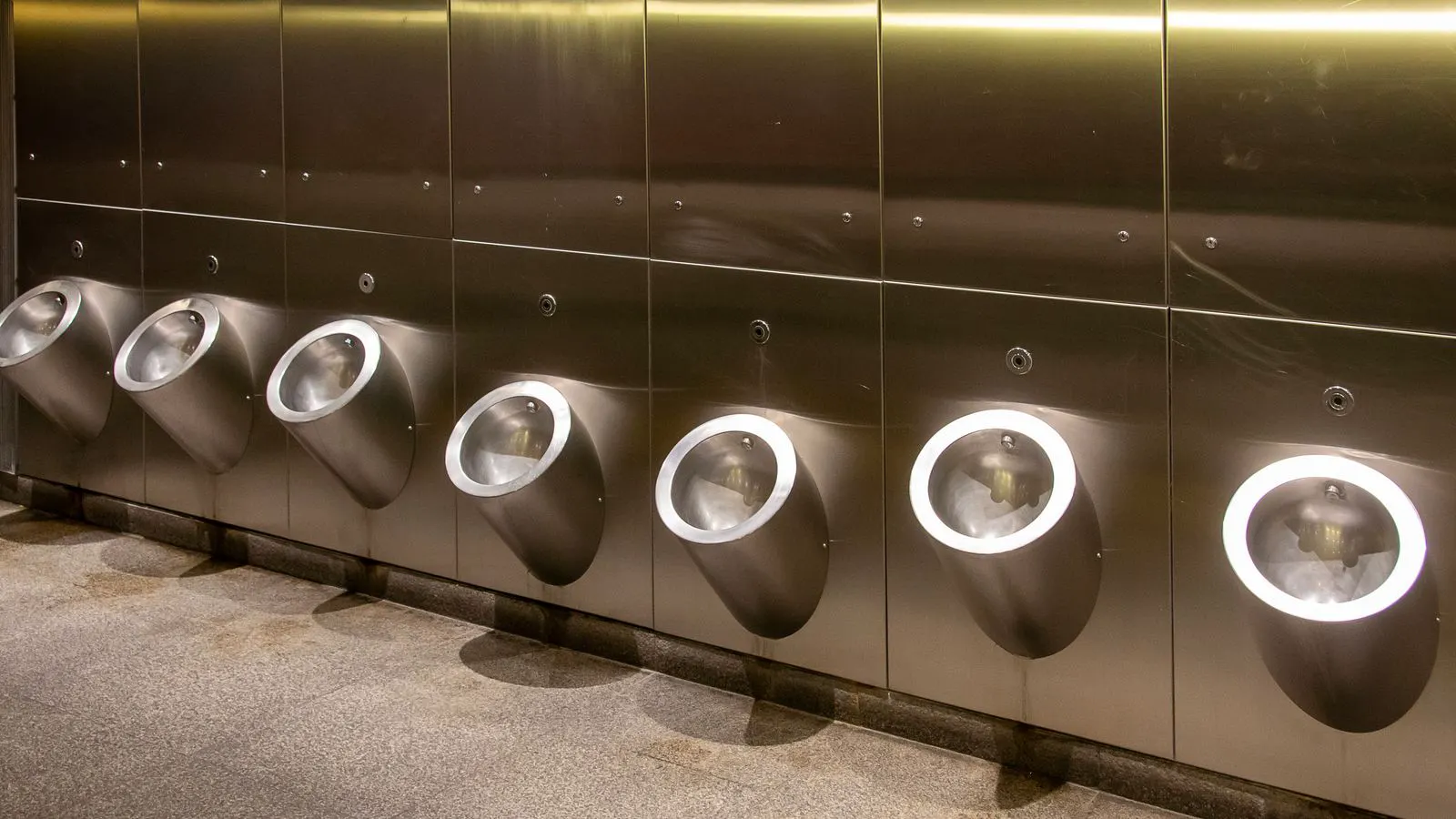
Dead space is any area of hygienic packaging equipment where product residue can settle and resist removal by normal cleaning cycles. It creates contamination risks and
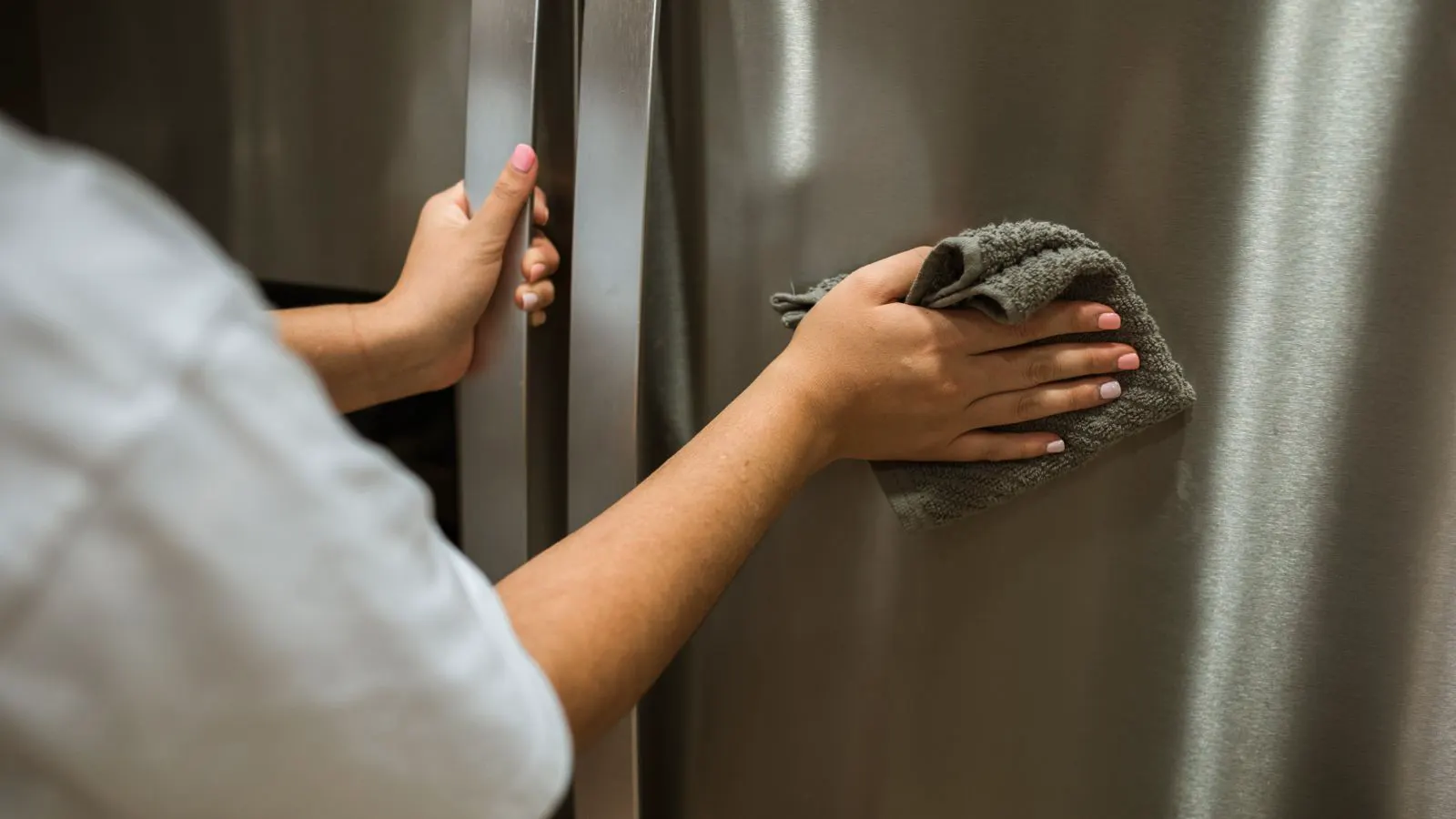
Understand food-grade design, easy-clean features, and common compliance expectations for hygienic and regulated packaging lines.
Dead space is any area of hygienic packaging equipment where product residue can settle and resist removal by normal cleaning cycles. It creates contamination risks and
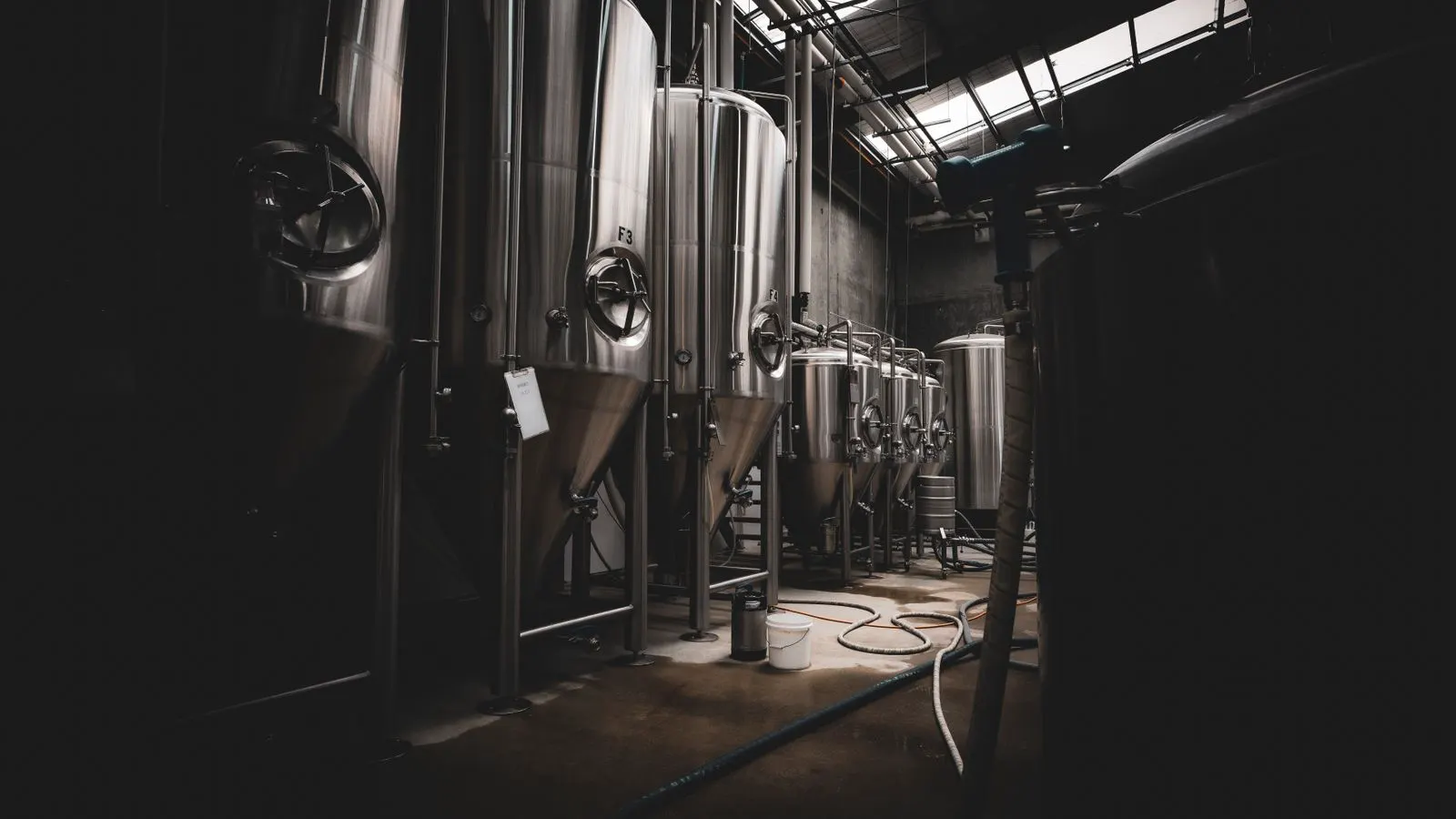
Slow CIP cycles often stem from blocked drain valves, incorrect flow rates, or improper line sizing. This guide helps you diagnose and fix packaging cleaning issues
Next-generation sanitary design will prioritize automated verification, material traceability, and modular cleanable structures. Buyers should plan for tighter
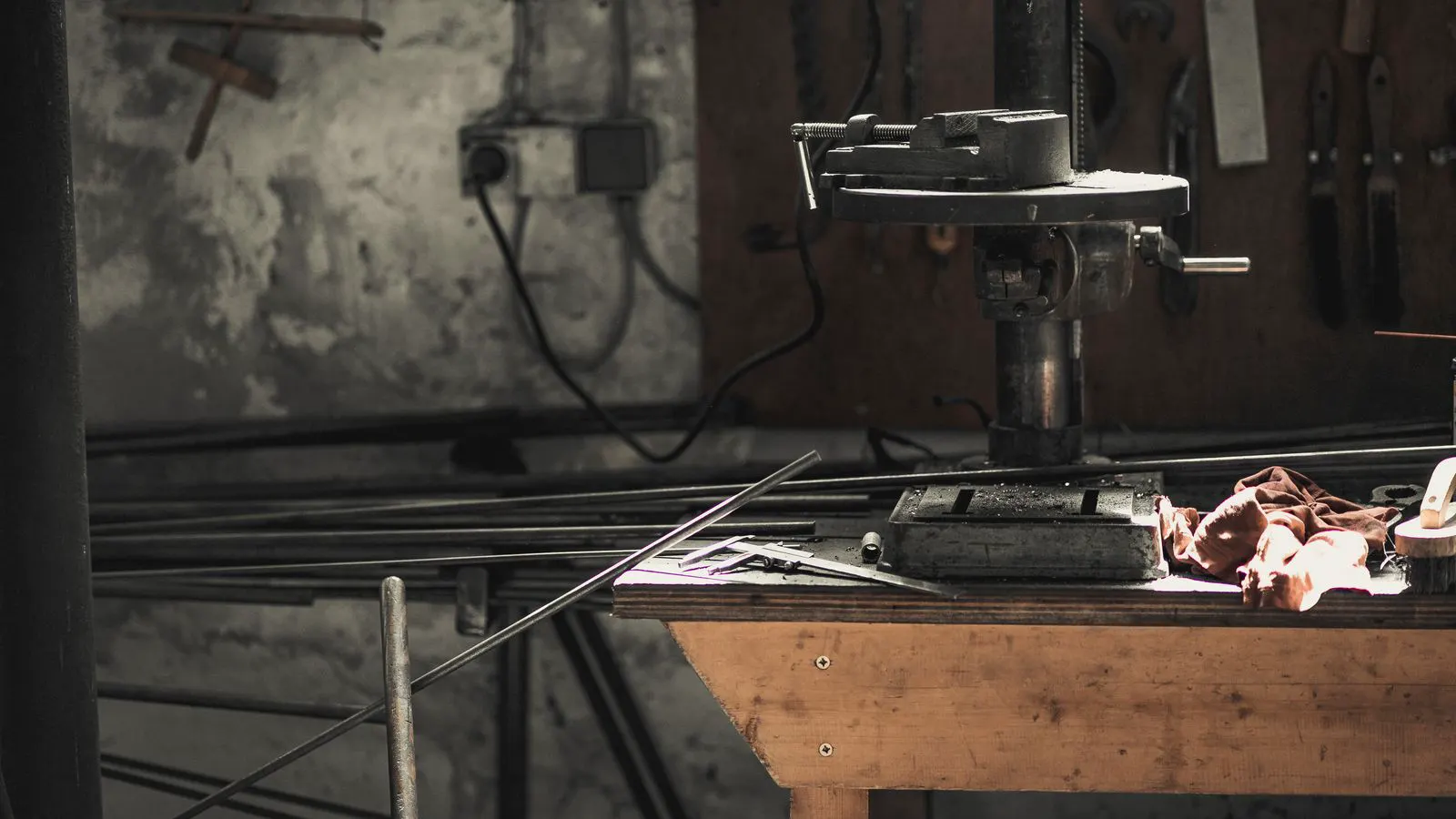
CIP valve cost depends on material grade, pressure rating, size, and certification. Lead time varies by supplier capacity and custom specs. A clear RFQ with line details

This guide provides a practical audit checklist to verify sanitary design elements before purchasing new hygienic packaging lines. It covers material selection
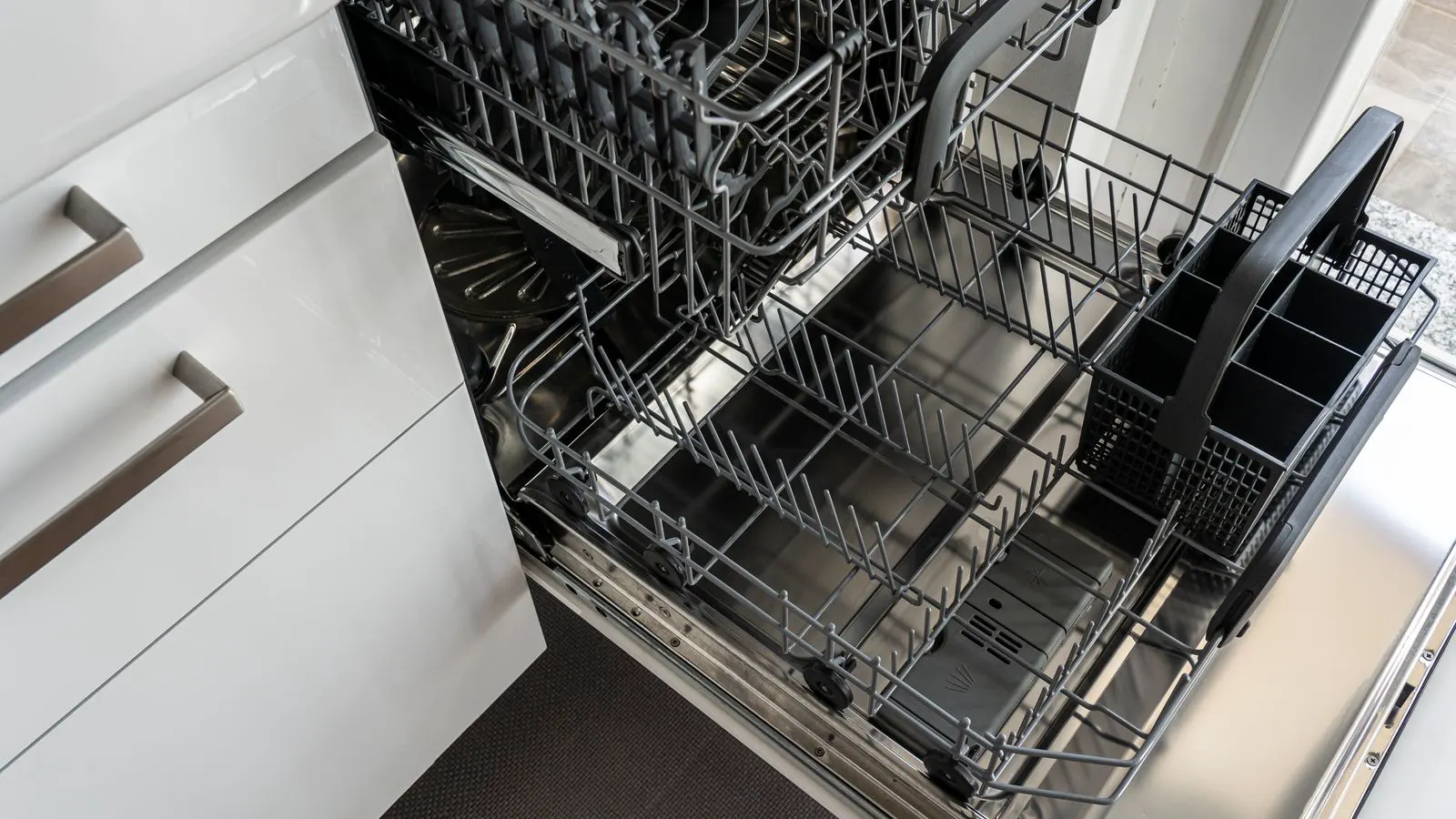
Easy clean design refers to machine engineering that prevents product buildup and allows rapid, validated cleaning. It involves smooth surfaces, sanitary fittings, and
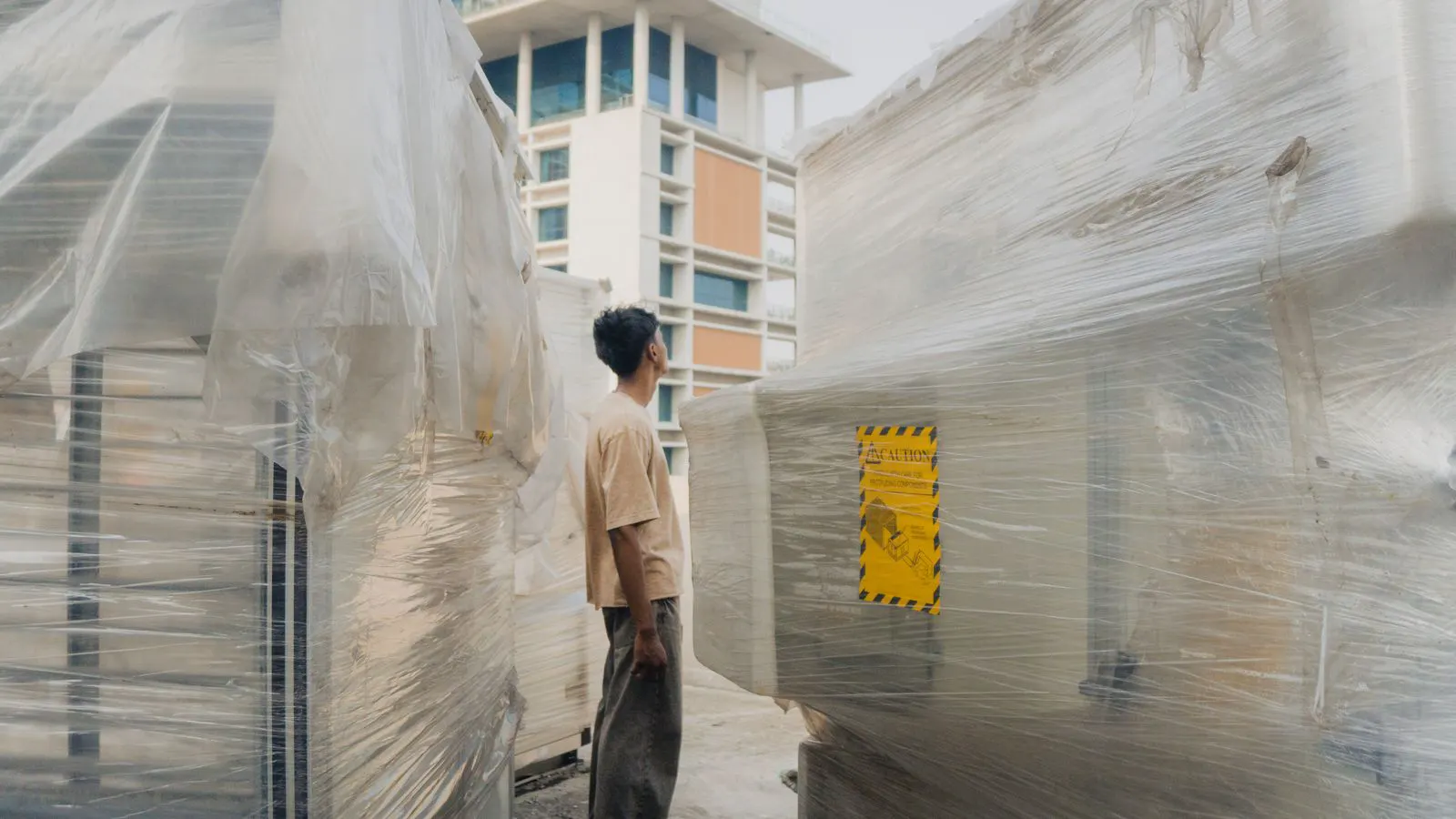
Digital traceability automates hygiene records and packaging compliance for hygienic lines. Buyers should plan for sensor integration, data validation, and CIP log
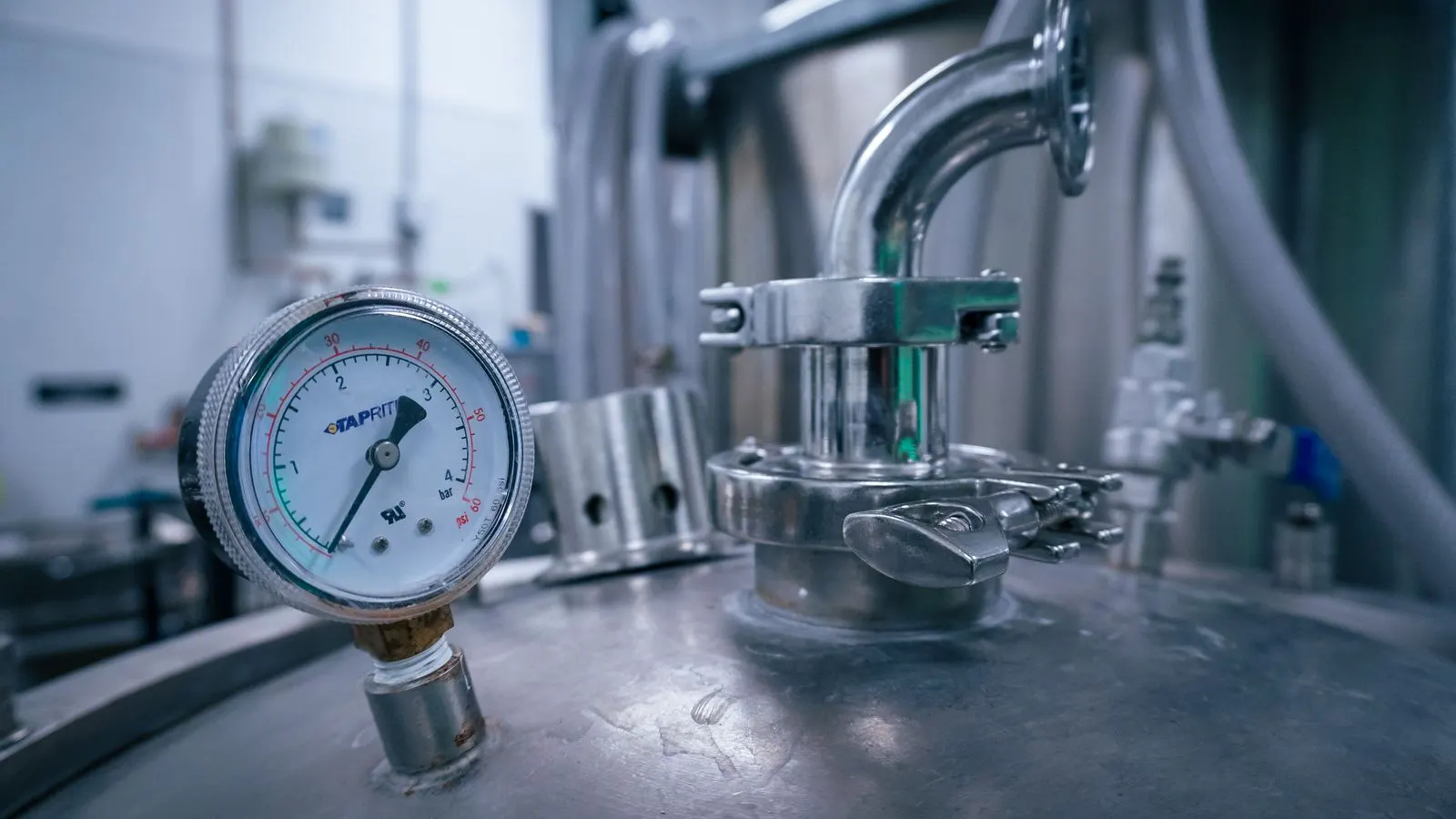
Incomplete CIP flushing often stems from blocked nozzles, stuck valves, or low flow rates. This guide lists common symptoms of CIP residue, explains root causes, and
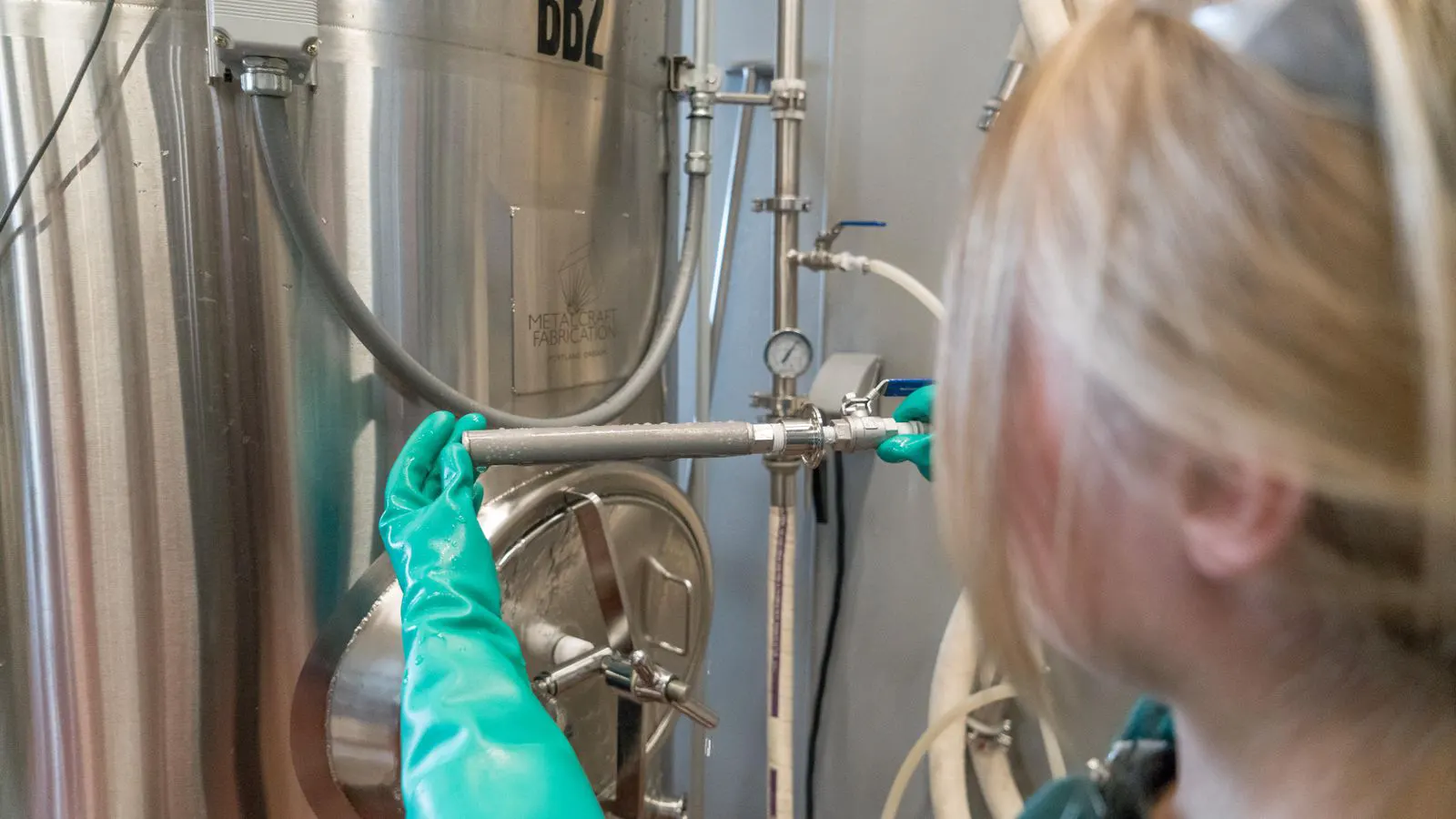
CIP integration on legacy packaging lines involves replacing manual clean points with automated valves, adding stainless steel piping, and connecting to a CIP
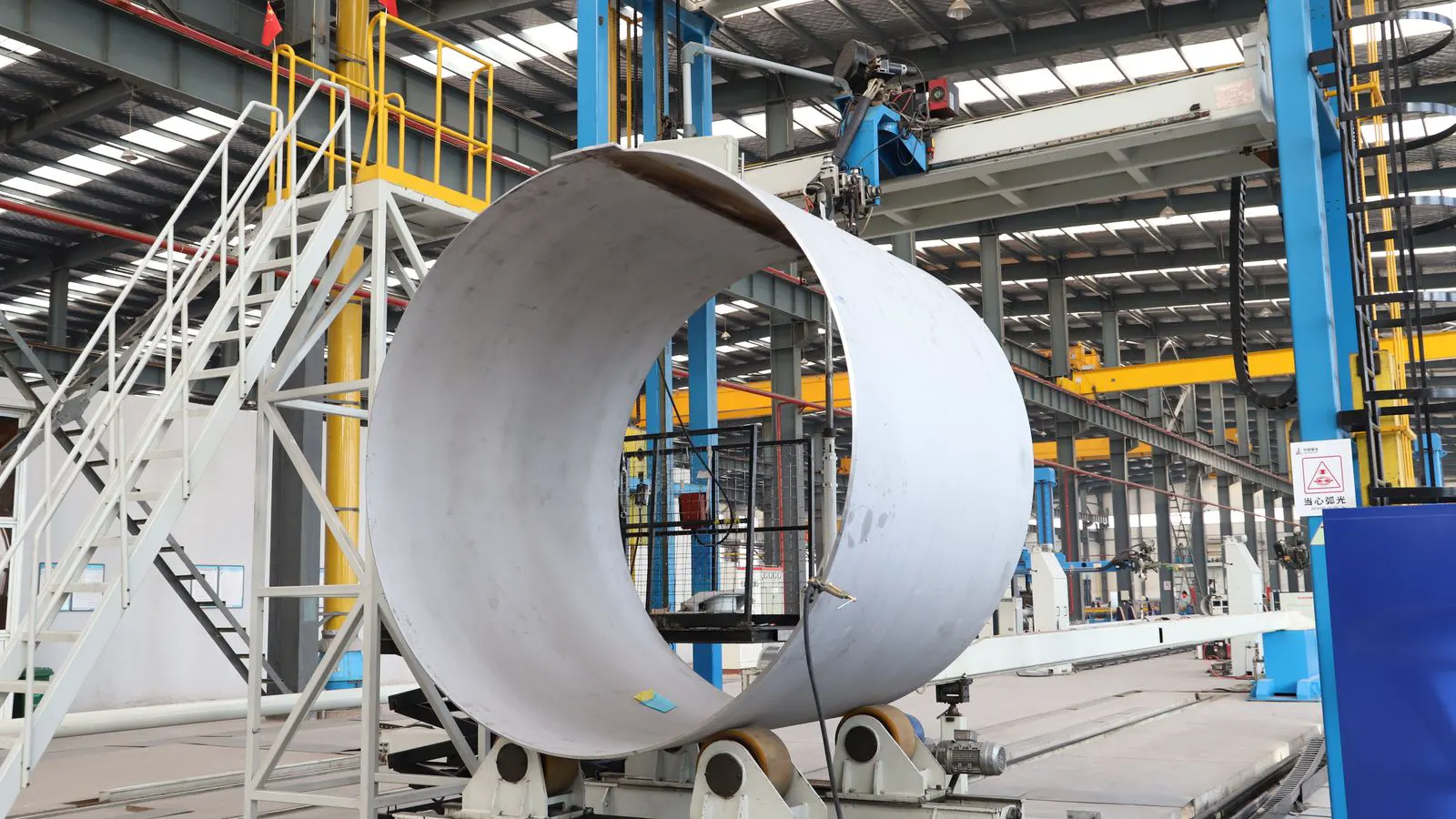
316L stainless steel is a low-carbon austenitic alloy with added molybdenum that resists pitting and chloride attack. It suits food processing where aggressive cleansers

CIP vs manual cleaning depends on production volume and downtime tolerance. High-volume lines usually favor CIP for consistent hygiene and lower labor costs. Low-volume
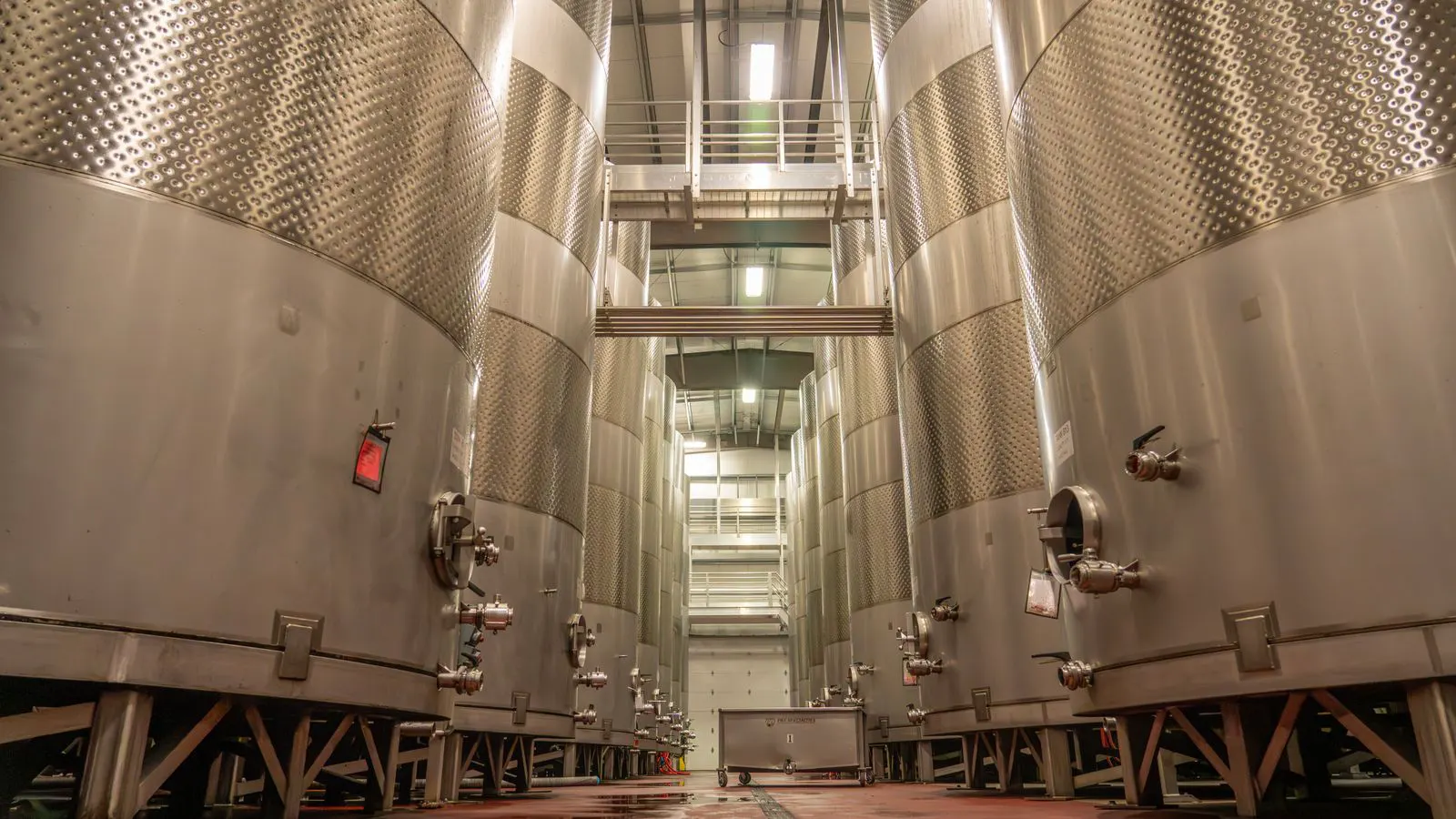
To verify CIP compliance, check cleaning validation records, verify CIP parameters match design specifications, inspect equipment for biofilm, and review operator