Troubleshooting CIP Ineffectiveness in Wet Packaging Lines
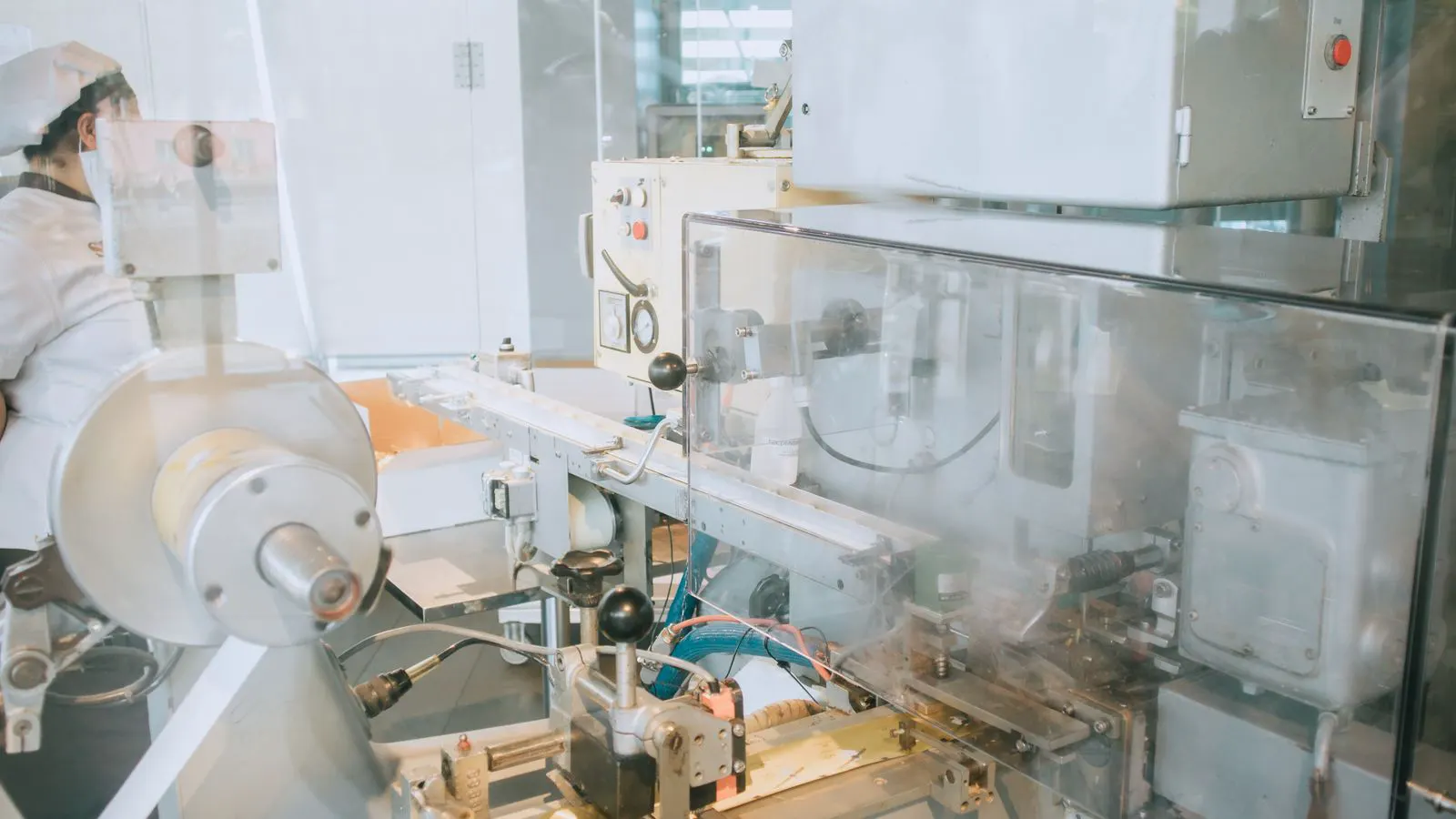
CIP troubleshooting helps identify why clean in place cycles fail on wet packaging equipment. This guide lists common symptoms, likely causes, and practical fixes to restore effective cleaning and pass hygiene audits.
- CIP failure usually stems from clogged nozzles, low flow, or poor chemical concentration, not from a broken pump alone.
- Verify chemical dosing, rinse water quality, and dwell time before replacing components.
- Maintain a documented CIP log and regular nozzle inspections to prevent repeat failures.
When a clean in place system fails to remove residue, the line sits idle while operators check gauges and run manual washes. In wet packaging lines, product carries moisture, oils, or sugars into crevices. If the CIP cycle does not displace that material, the next batch risks contamination.
CIP troubleshooting starts with observation. Operators see what a control panel does not show. A pump running at full speed does not mean the nozzle at the end of the line is delivering pressure. A chemical tank that looks full does not mean the right concentration reached the machine.
Why Does CIP Cleaning Fail on Wet Packaging Lines
Wet packaging lines handle liquid or semi-liquid products. The residue is not dry powder. It clings to seals, gaskets, and internal channels. The CIP system must do more than rinse. It must agitate, heat, and chemically break down that film.
Common failure patterns repeat across lines. A pump runs, but the nozzle at the filling head barely sprays. A chemical tank shows green liquid, but the pH test shows no change. A rinse cycle runs for the programmed time, yet swab tests still detect residue.
These patterns point to specific causes. The root cause is rarely the pump motor. More often, it is a blocked nozzle, a weak chemical dose, or a rinse water quality issue.
Common Symptoms of Ineffective CIP Cycles
Symptoms appear in different forms. Some are visible. Some require testing. Operators should record each one.
- Weak spray from nozzles or spray balls
- Slow drain after a cycle
- Chemical tank empties too quickly
- Swab tests show residue after rinse
- Product taste or smell persists in the next batch
- Alarm for low flow or low pressure
These symptoms do not always match. A line can have strong spray but poor chemical concentration. It can drain slowly because of a clogged valve, not a clogged nozzle.
CIP Troubleshooting Table for Wet Packaging Lines
The table below lists common symptoms, likely causes, and practical fixes. Use it as a field checklist.
| Symptom | Likely cause | What to do |
| Weak spray from nozzles | Clogged nozzle or spray ball | Remove nozzle, inspect with compressed air or water, replace if pitted |
| Slow drain after cycle | Clogged drain valve or check valve | Inspect valve seats for residue, clean or replace |
| Chemical tank empties quickly | Leak in manifold or over-dosing pump | Check manifold joints, verify dosing pump calibration |
| Swab tests show residue | Insufficient dwell time or wrong chemical | Extend dwell time, test pH and conductivity of chemical batch |
| Persistent product odor | Poor rinse water quality or biofilm | Check rinse water TDS, run a sanitizer cycle, inspect seals |
| Low flow alarm | Clogged filter or pump wear | Replace filter, check impeller condition |
Each row addresses one failure mode. A clogged nozzle is a mechanical issue. A weak chemical dose is a process issue. A drain problem is a hydraulic issue. Fixing the wrong one wastes time.
How to Verify Chemical Concentration and Dosing
The dosing pump is the heart of CIP. If the pump is not calibrated, the line receives the wrong chemical strength. Operators should not assume the tank level equals dose accuracy.
Check the dosing pump first. Look for worn seals, air in the suction line, or a clogged inlet filter. A pump that runs but draws air delivers less chemical than programmed.
Next, verify the chemical batch. Different products require different surfactants and alkalis. A line that processed sugar syrup needs a different detergent profile than a line that processed oil-based sauce. Using the wrong formula makes the CIP cycle ineffective even if the hardware works.
Test the chemical concentration before the cycle and after the rinse. If the post-rinse test shows low residual detergent, the chemical did not work. If it shows high residual, the rinse water may be contaminated or the rinse time is too short.
How to Check Nozzle Flow and Spray Pattern
Nozzles and spray balls are the first point of failure. They sit in the path of product. They collect residue. They clog.
Remove the nozzle from the line. Hold it up to light. Look for holes that are partially blocked. A small piece of dried product or a scale deposit can reduce flow by a large amount.
Run clean water through the nozzle. Watch the pattern. A healthy spray ball produces a wide, even cone. A clogged one produces a narrow jet or a mist. A pitted one produces uneven flow.
Replace nozzles on a schedule, not only when they fail. In wet lines, nozzles see constant moisture and chemical attack. Even without visible clogs, the internal geometry can wear.
How to Inspect Sanitary Design Features
The machine itself must be designed for cleaning. A CIP system cannot clean a design that traps residue.
Check for dead legs in the manifold. A dead leg is a section of pipe that does not flow during the cycle. Residue sits there. The next batch may pick up that residue.
Check the seals and gaskets. Wet lines use elastomers that can degrade with heat and chemical exposure. A swollen seal can block a small channel. A torn seal can let product leak into a non-cleanable area.
Check the fill heads and valves. These parts move. They collect residue in the gaps between moving components. If the seal faces are worn, the CIP cycle may not reach the contact surface.
How to Confirm Rinse Water Quality
Rinse water is the final step. If the rinse water is contaminated, the line is not clean.
Check the rinse water source. In many plants, the rinse water is the same water used for product. If that water has high total dissolved solids, it can leave a film.
Check for biofilm. Biofilm forms in rinse water lines. It reduces flow. It carries microorganisms. A CIP cycle that uses contaminated rinse water may fail even if the chemical step works.
Run a rinse water test. Check pH, conductivity, and microbial load. If the results are out of range, clean the rinse water line before running the next cycle.
How to Document CIP Performance
CIP troubleshooting is not a one-time fix. It is a process. Without documentation, the same failure returns.
Keep a CIP log. Record the date, product type, chemical used, concentration, cycle time, and rinse water test results. This log shows trends. A pump that runs fine today may fail next week. The log catches the decline before it stops the line.
Record swab test results. A swab test after a cycle gives a direct measure of cleaning effectiveness. Compare it to the previous cycle. If the residue level rises, something changed.
Review the log monthly. Look for patterns. A particular product may require a longer dwell time. A particular nozzle may clog faster. Use that data to adjust the CIP program.
Prevention Tips for Long-Term CIP Effectiveness
Prevention saves downtime. It also protects product quality.
- Inspect nozzles and spray balls weekly. Clean them before they clog.
- Calibrate the dosing pump monthly. Verify the chemical concentration at the start of each shift.
- Test rinse water quality daily. Check pH and conductivity.
- Run a sanitizer cycle after each product changeover. This removes cross-contamination.
- Keep spare nozzles, seals, and gaskets on hand. A small part failure should not stop the line for days.
These steps are simple. They require time and discipline. They also prevent the expensive problem of a failed CIP cycle that stops production and risks a product recall.
CIP troubleshooting is about finding the failure mode. It is not about replacing parts randomly. A weak spray is a nozzle issue. A low chemical dose is a dosing issue. A slow drain is a valve issue. Identify the symptom. Check the cause. Apply the fix.
A wet packaging line that cleans properly protects the product and the brand. A line that fails to clean creates risk. The CIP system is the first line of defense. Keep it working. Keep it documented. Keep it ready for the next batch.
Frequently asked questions
What is the first thing to check when a CIP cycle fails?
Check the nozzle spray pattern and the chemical concentration. These two factors cause most CIP failures on wet packaging lines.
Can a CIP system clean a machine with poor sanitary design?
No. A CIP system cannot remove residue from dead legs or trapped gaps. The machine design must allow full flow and access for cleaning.
How often should nozzles be replaced?
Replace them on a schedule based on use and product type. In wet lines, inspect them weekly and replace them when the spray pattern changes or flow drops.
What if the chemical tank is full but the line still fails to clean?
The dose may be wrong. Check the dosing pump for air, worn seals, or a clogged filter. Verify the concentration with a test, not just the tank level.
Does rinse water quality affect CIP effectiveness?
Yes. Contaminated rinse water can leave a film or introduce microorganisms. Test the rinse water for pH, conductivity, and microbial load before relying on it.