Comparison: CIP vs Manual Cleaning for High-Volume Packaging
CIP is faster, more consistent, and easier to audit than manual cleaning in high-volume packaging. Manual works for low-speed or specialized lines. The right choice depends on throughput, contamination risk, and compliance requirements.
- CIP reduces labor time and improves consistency for high-speed packaging lines.
- Manual cleaning suits low-volume lines, specialized formats, or parts too tight for automated cycles.
- CIP requires careful design to avoid dead zones and ensure chemical circulation.
- Documenting cleaning records is simpler with CIP systems.
- Hybrid approaches can work when automation cannot reach every surface.
Why cleaning method changes with throughput
The cleaning decision on a packaging line is not just about sanitation. It is about whether the process can keep up with production. A line running two shifts around a standard eight-hour cycle leaves little room for a twenty-minute manual wash-down. A slower line with complex changeovers may find that a hose, brush, and sanitizer are more practical than a full CIP cycle.
The core issue is contact time. Chemicals need to circulate, dwell, and then be flushed. Manual cleaning depends on operator motion and attention. CIP depends on pumps, valves, and timed sequences. The difference shows up in two ways: time and repeatability.
What CIP actually does
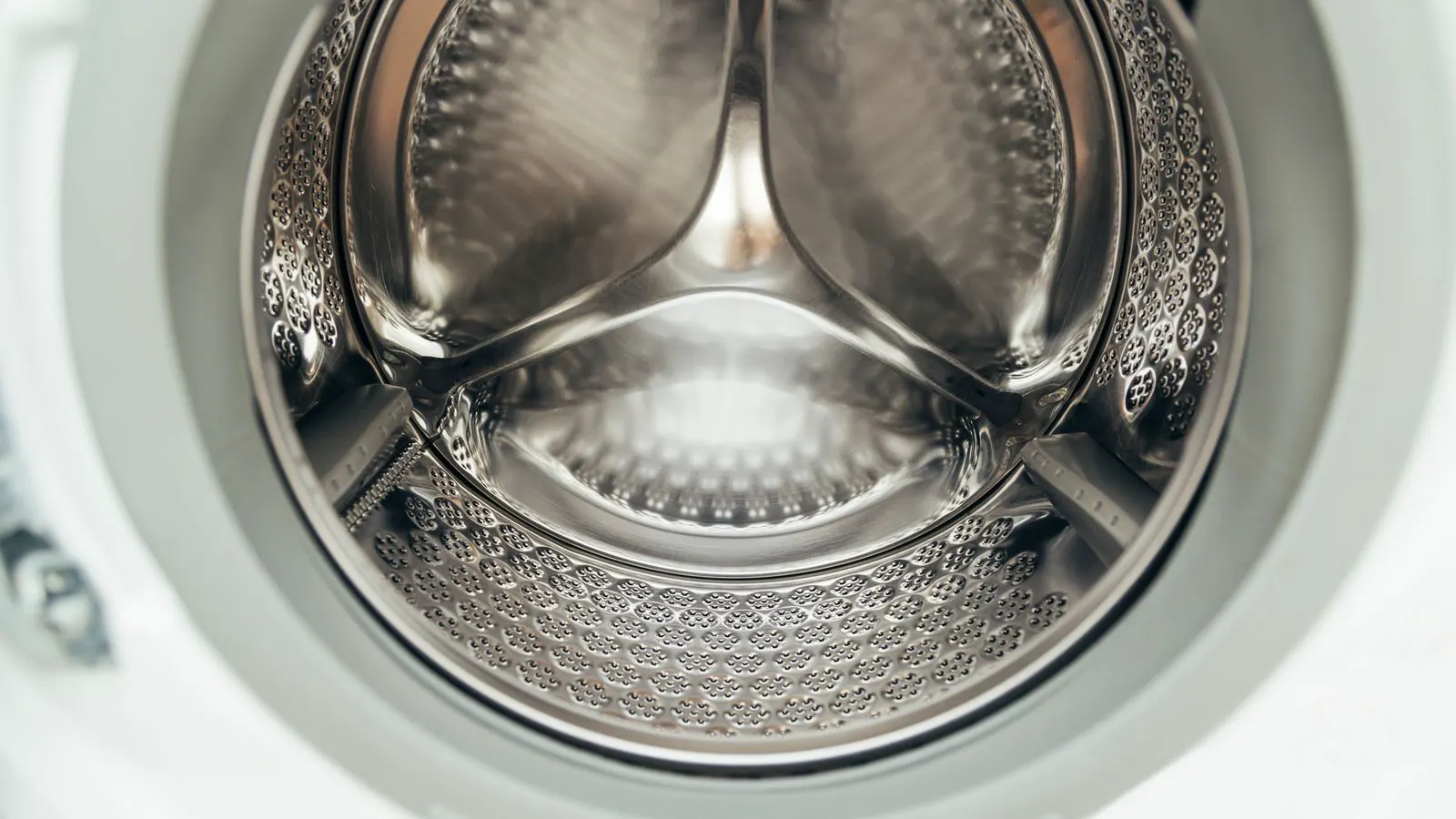
Clean in place systems use a closed-loop or open-loop circuit to deliver cleaning solution into the machine. Typical steps include a hot water pre-rinse, alkaline wash, rinse, acidic sanitization, and final rinse. Each step is controlled by a programmable logic controller or a dedicated CIP controller.
In packaging, CIP usually targets wetted areas: nozzles, guides, contact plates, hopper interiors, and seals. The system must move solution through every path that touches product. Dead zones are the biggest failure point. A corner where liquid pools, or a blind fitting, becomes a place where residue and microbial growth can accumulate.
For high-speed lines, the benefit is not just speed. It is consistency. Every run uses the same temperature, chemical concentration, flow rate, and dwell time. That consistency supports audit trails and reduces the risk of operator error.
How manual cleaning compares
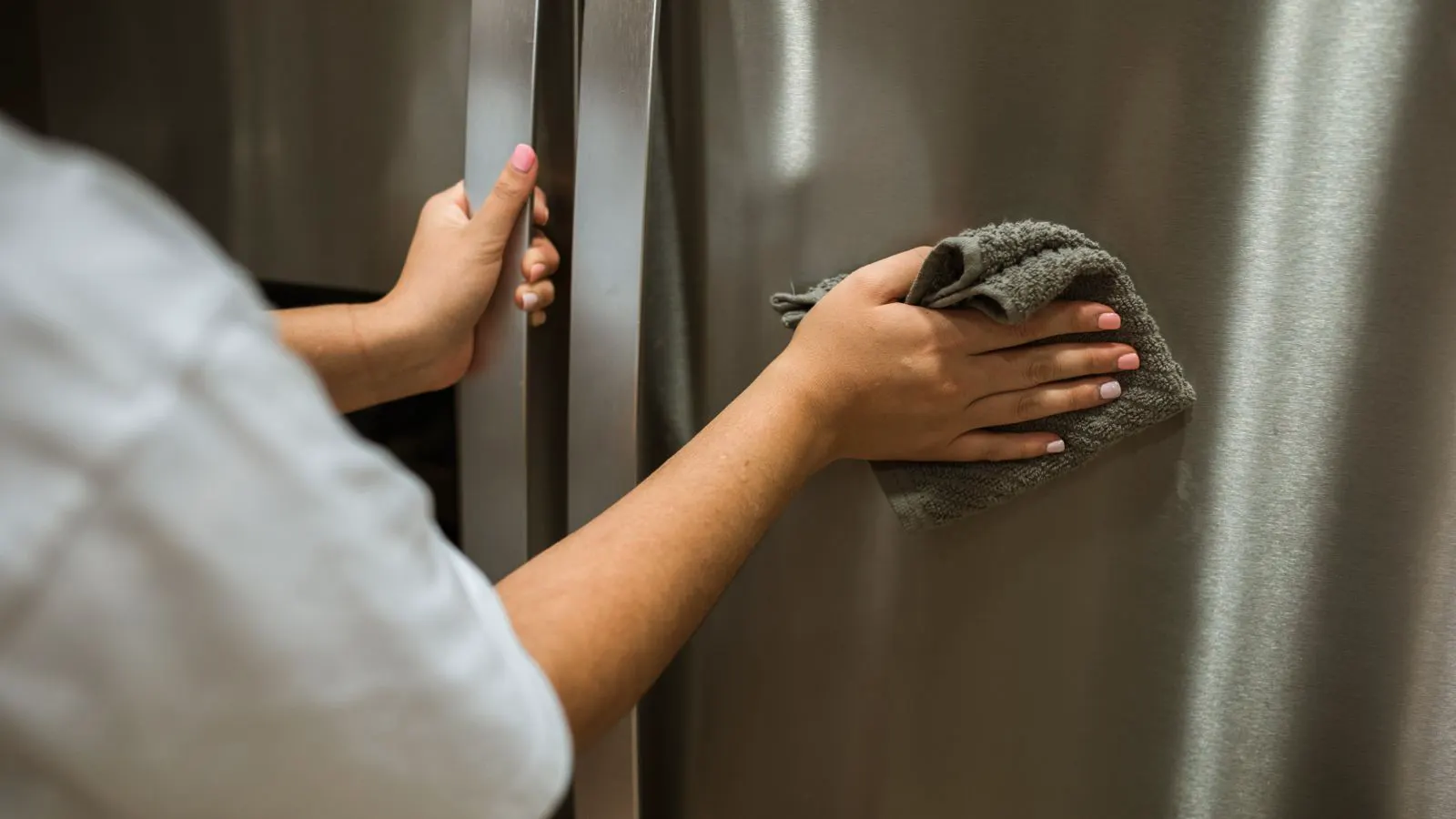
Manual cleaning is direct. Operators use hot water, brushes, sponges, and sanitizer solutions. The method is flexible. It can reach areas that a CIP line cannot, such as external frames, hinge points, or small mechanical parts that are not in the wetted circuit.
The weakness is variability. One operator may scrub a surface for thirty seconds. Another may spend two minutes. Temperature may drop below target as the water cools. Chemical concentration may drift if the mix is not checked. In high-volume operations, that variability becomes a compliance risk and a production bottleneck.
Manual cleaning also creates more waste. Water and chemical usage can be higher when operators cannot control the flow rate. Drying time can be longer, which may push the next production run.
Side-by-side comparison
| Option | Best for | Limitations |
| CIP | High-speed lines, wetted product contact, audit-heavy environments | Requires upfront design work, cannot reach all surfaces, needs chemical and water supply |
| Manual cleaning | Low-to-medium speed lines, complex changeovers, non-wetted areas | Inconsistent time and quality, higher labor, harder to document |
| Hybrid CIP plus manual | Mixed environments, lines with both automated wetted sections and manual access areas | More complex procedures, risk of gaps if handoff is unclear |
| Manual with documented SOPs | Sites where CIP is not feasible or cost is prohibitive | Still depends on operator discipline, may fail under high pressure |
When CIP is the right choice
Pick CIP when the line runs at high speed and the product is wet, sticky, or prone to microbial growth. Think fresh food packaging, beverage filling, or any operation where a single contaminated surface can cause a batch rejection. CIP works best when the machine is designed with cleanability in mind from the start. Smooth surfaces, no crevices, and accessible fittings make the system effective.
CIP is also the better option when you need defensible records. A CIP controller can log each run: start time, end time, chemical lot, temperature, and duration. That data is useful during customer audits and internal quality reviews. Manual cleaning records rely on paper logs or checklists, which are easier to miss or fill in incorrectly.
For a line that runs 18 hours a day, CIP can return the machine to service in a fraction of the time. The exact time depends on the cycle design, but the pattern is clear: automated cycles are shorter and repeatable.
When manual cleaning still makes sense
Manual cleaning is not outdated. It remains practical for several scenarios. A small-format line that changes product three times a day may find CIP overkill. The changeover time for a full cycle may exceed the benefit. A manual wash-down between formats can be faster.
Manual cleaning also fits when the machine has areas that are not in the wetted circuit. External guides, mechanical drives, and small parts that product never touches do not need CIP. In those cases, a documented manual clean is enough.
Another case is when the line is new and the team is still learning the process. Some operators prefer the tactile feedback of manual cleaning before committing to a full CIP system. That preference is valid, but it should not delay the evaluation of automated options as production scales.
How to implement a CIP system without mistakes
A CIP system is only as good as its design. Before installation, map every path that touches product. Identify where solution enters, where it circulates, and where it drains. Look for dead zones: blind ends, low points, and areas with tight tolerances.
Chemical selection matters. Alkaline cleaners dissolve proteins and fats. Acidic sanitizers reduce microbial load. The concentrations must match the product residue and the surface material. Stainless steel is the standard for wetted parts, but gaskets and seals must be compatible with the chemicals used.
Water quality is another factor. Hard water can leave scale in the circuit. Scaling reduces flow and creates new dead zones. If the local water is hard, consider a softener or a scale inhibitor in the CIP loop.
Operator training is part of the system. The CIP sequence should be simple enough that a new operator can start it without confusion. Error-proofing, such as interlocks that prevent product contact until the final rinse is complete, reduces the chance of a missed step.
A practical decision framework
Start with the product. If it is wet, sticky, or high-risk, lean toward CIP. If it is dry and low-risk, manual may be sufficient. Next, look at the line speed. The faster the line, the less room you have for downtime. A manual clean that takes 30 minutes between runs can become a major constraint.
Then assess the machine design. If the wetted parts are smooth and accessible, CIP is easier to implement. If there are many small parts and tight clearances, plan for a hybrid approach. Use CIP for the main wetted circuit and manual cleaning for the rest.
Finally, document the process. Whether you choose CIP, manual, or hybrid, the procedure should be written, trained, and audited. A cleaning method that cannot be verified is not a method, it is a hope.
Common mistakes to avoid
The first mistake is assuming CIP cleans everything. It does not. External surfaces, mechanical parts, and non-wetted areas still need manual attention. A line can pass a CIP cycle and still have contaminated guides.
The second mistake is ignoring water quality. Hard water and improper chemical mixing can reduce the effectiveness of the cycle. Scale and residue build up slowly, and operators may not notice until the cycle starts failing.
The third mistake is poor training. Operators who do not understand the purpose of each step may skip a rinse or shorten a dwell. That turns a controlled process into an uncontrolled one.
The fourth mistake is not reviewing records. A CIP log is useless if no one checks it. Regular review of cycle times, chemical usage, and temperature trends helps catch problems before they become product issues.
Final thoughts on the choice
CIP vs manual cleaning is not a matter of preference. It is a matter of fit. For high-volume packaging, CIP usually wins on time, consistency, and documentation. Manual cleaning still has a role, especially where automation is not practical or where the line is simple.
The best approach is often a blend. Use CIP for the wetted, high-risk sections. Use manual cleaning for the rest. Document both. Train the team on both. The goal is not to replace every human task with a machine. It is to make the cleaning process reliable enough to support the production rate and the hygiene standard.
Frequently asked questions
Can CIP replace all manual cleaning on a packaging line?
No. CIP covers wetted product contact areas. External parts, mechanical drives, and non-wetted surfaces still require manual cleaning. A hybrid approach is common.
How much time does CIP save compared to manual cleaning?
It varies by machine and cycle design, but CIP is generally shorter and more repeatable. On high-speed lines, the time savings can be significant.
Is manual cleaning acceptable for high-volume food packaging?
It can be acceptable if the risk is low and the procedure is documented, but CIP is preferred for wetted, high-risk lines because of consistency and auditability.
What is the main advantage of CIP for audits?
CIP systems can log each run, including time, temperature, and chemical concentration. That creates a clear record for reviewers.
When should I start with manual cleaning before adding CIP?
Start with manual cleaning when the line is new, low-speed, or the machine design makes CIP difficult. Revisit CIP as throughput increases or compliance pressure grows.