CIP vs Manual Cleaning: Operational Cost Comparison
CIP vs manual cleaning depends on production volume and downtime tolerance. High-volume lines usually favor CIP for consistent hygiene and lower labor costs. Low-volume or intermittent lines often favor manual cleaning to avoid high capital expenditure and water usage.
- CIP systems reduce labor hours and water consumption per batch but require significant upfront investment and dedicated infrastructure.
- Manual cleaning is cheaper to start but drives up variable costs through labor, chemical usage, and extended line downtime.
- The break-even point for CIP usually appears at medium to high production volumes where batch changeovers are frequent.
- Hygienic line maintenance must account for cleaning verification, not just the physical act of washing equipment.
- Selecting the right method requires modeling your specific throughput, product type, and required changeover speed.
Why the cost difference matters
The debate between automated and hand-washed equipment rarely starts with hygiene standards. It starts with the maintenance schedule. If the line stops for four hours to clean by hand, the cost of that downtime multiplies quickly. If the line runs continuously through a CIP cycle, the cost shifts to water, chemicals, and energy.
For professional buyers and engineers, the choice is not about which method is “better” in the abstract. It is about which method fits the production rhythm. A plant running three shifts of high-speed beverage filling behaves very differently from a facility running two batch runs per week of premium sauces. The cleaning method must match the operational profile.
How CIP cleaning works
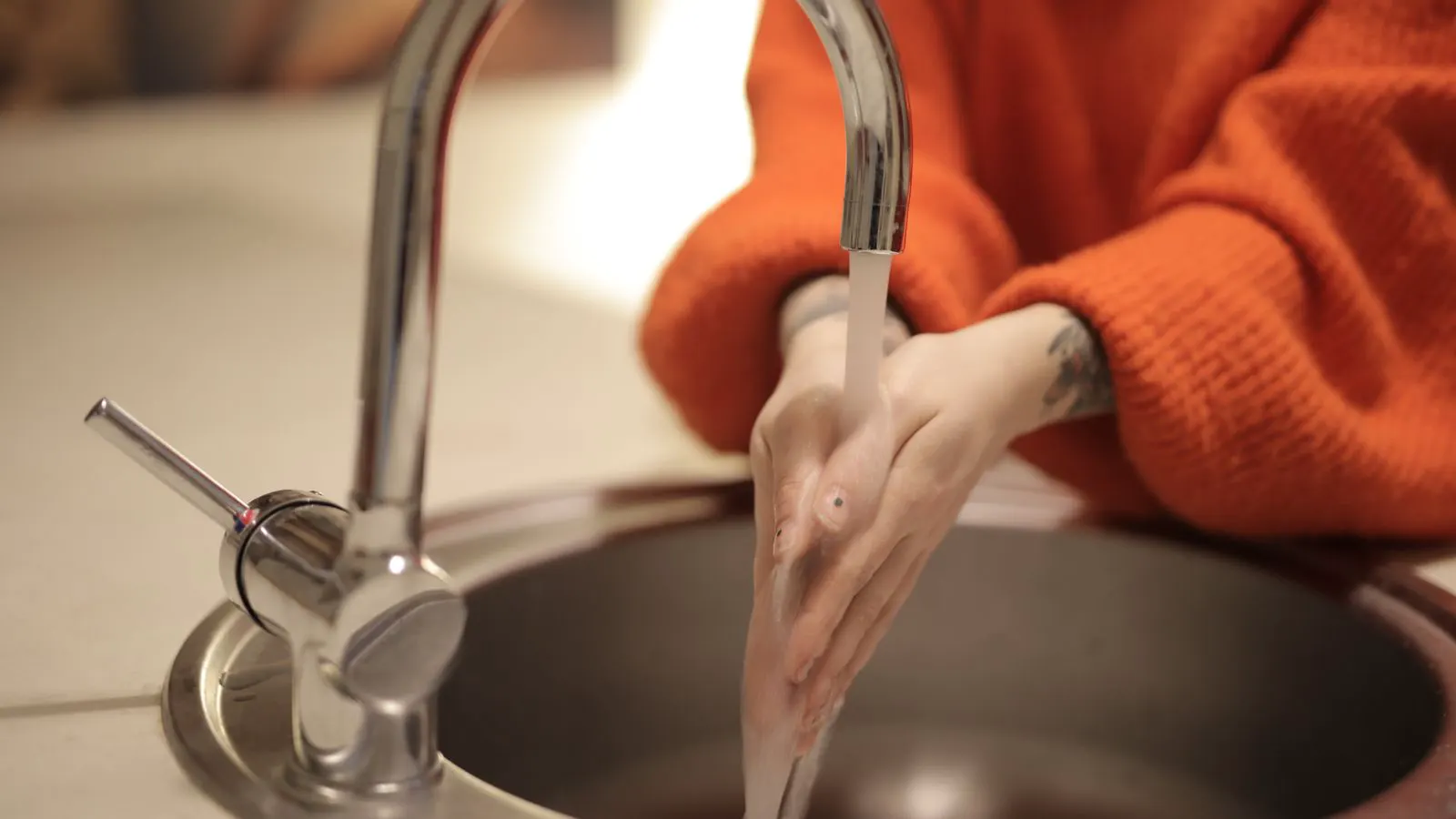
CIP, or Clean In Place, uses pumps to circulate a cleaning solution through the equipment. The process typically follows a sequence. First, a rinse cycle removes loose product. Next, an alkaline detergent breaks down organic matter. A rinse cycle flushes the detergent. Then, a sanitizer, often a peroxide-based or quaternary ammonium product, eliminates microorganisms. Finally, a water rinse leaves the system ready for the next product.
The hardware requires a manifold, valves, nozzles, and a control panel. Modern systems integrate with the plant’s SCADA or PLC. The operator sets the recipe, and the machine executes the cycle. The benefit is consistency. Every cycle uses the same temperature, pressure, and chemical concentration.
The limitation is rigidity. CIP is best when the equipment is designed with cleanable geometry. Blind spots, dead legs, or complex internal channels can trap residue. If the design is poor, no amount of CIP will achieve a hygienic state.
How manual cleaning works
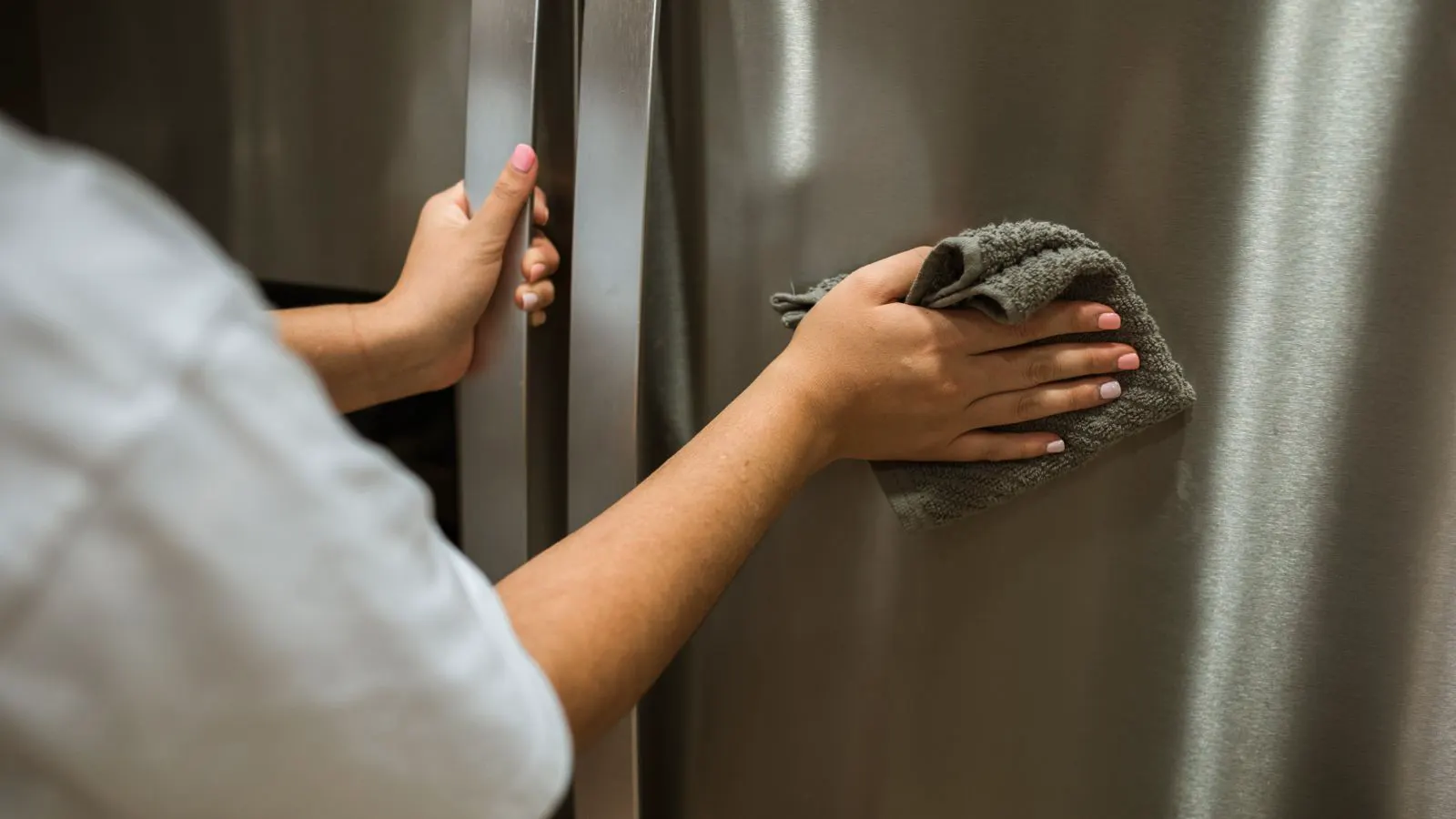
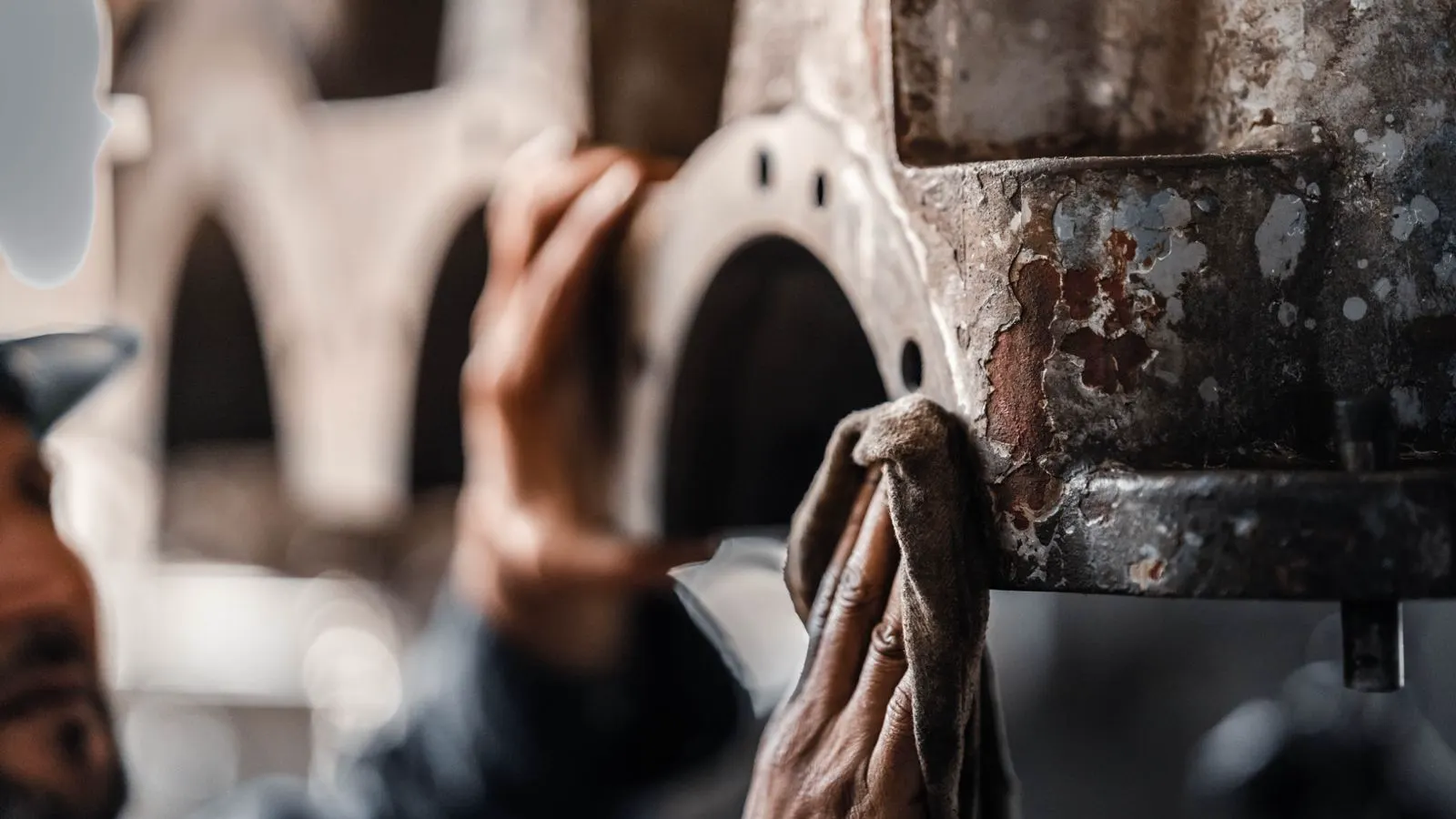
Manual cleaning involves physically disassembling or accessing internal parts. Operators use brushes, cloths, and hoses to remove residue. Chemicals are often applied in buckets or through spray bottles. The process is labor-intensive and highly dependent on operator skill.
The advantage is flexibility. If a specific valve jams or a nozzle clogs, a skilled operator can reach in and clear it. CIP struggles with localized blockages. Manual cleaning allows for targeted attention. It also works well on equipment that is not designed for CIP, such as older machines or small, custom-built units.
The disadvantage is variability. Two operators may clean the same machine with different results. Water usage is often higher because hoses are left running longer than necessary. Chemical usage is harder to control. Without metering, operators may over-dose, increasing disposal costs and environmental risk.
CIP vs manual cleaning comparison
The table below summarizes the primary options for cleaning food and beverage packaging machinery.
| Option | Best for | Limitations |
|---|---|---|
| CIP System | High-volume lines, frequent changeovers, consistent hygiene requirements | High capital cost, requires cleanable design, less flexible for localized issues |
| Manual Cleaning | Low-volume lines, intermittent production, older equipment without CIP ports | High labor cost, variable quality, high downtime, inconsistent chemical usage |
| Hybrid Approach | Mixed production, specific critical components, transitional phases | Complex scheduling, potential for inconsistency if not well managed |
| External Cleaning | Small equipment, non-critical parts, occasional deep cleans | Time-consuming, often requires line shutdown, high labor intensity |
The choice is rarely binary. Many plants use a hybrid approach. For example, CIP handles the main product flow and tanks. Manual cleaning addresses the filling heads, seals, or small valves that CIP cannot reach effectively.
When CIP is the cost-effective choice
CIP becomes the lower-cost option when production volume is high. The capital cost of the system is spread over many batches. If you run five batches per day, the cost per batch for CIP drops significantly. Manual cleaning, by contrast, has a high fixed labor cost per batch.
Consider a beverage line. The CIP cycle might take 90 minutes. Manual cleaning might take 4 to 6 hours. In a 24-hour operation, that difference is substantial. The CIP cycle uses water and chemicals, but the labor and downtime costs are lower.
CIP is also the correct choice when hygiene validation is a strict requirement. Auditors look for consistent, documented processes. CIP provides a digital record of temperature, pressure, and flow rate for every cycle. Manual cleaning relies on checklists and operator observation. Proving that a manual clean was effective is difficult.
However, CIP is not always the right fit. If the equipment has poor cleanability, CIP will fail. The cost of fixing the design might outweigh the benefits of automation. If production is low, the payback period for CIP can stretch to many years.
When manual cleaning is the cost-effective choice
Manual cleaning makes sense for low-volume production. If the line runs two days a week, the labor cost of CIP is hard to justify. The capital expenditure for a CIP system is high. If the machine is only used intermittently, that cost is a burden.
Manual cleaning is also better for small, specialized equipment. Think of a sample machine, a pilot plant, or a small batch processor. These units may not have the infrastructure for CIP. The cost of retrofitting CIP might exceed the value of the machine.
Another factor is product type. Some products are highly viscous or sticky. They may require physical scrubbing to remove residue from small internal channels. CIP may not achieve the required cleanliness level. In these cases, manual cleaning is necessary for product quality, regardless of cost.
How to run a cleaning cost analysis
To decide, you need to build a simple cost model. Do not guess. Use your plant’s actual data.
- Calculate batch frequency. How many batches do you run per week?
- Estimate downtime. How long does each cleaning method take? Include setup and teardown.
- Value downtime. What is the hourly cost of the line being down? Include labor, energy, and opportunity cost.
- Sum variable costs. For CIP, add water, chemicals, and energy. For manual cleaning, add labor, chemicals, and water.
- Add capital costs. For CIP, annualize the system cost. For manual cleaning, consider the cost of training and PPE.
- Compare total cost per batch. This gives you a clear picture of the operational cost.
Do not forget indirect costs. CIP reduces the risk of contamination, which can lead to fewer rejected batches and lower customer complaints. Manual cleaning carries a higher risk of human error. These risks are hard to quantify but real.
Practical considerations for implementation
If you choose CIP, verify the design. The machine must have no dead legs. All wetted surfaces must be reachable by the cleaning fluid. The manifold must be sized correctly for the flow rate. A poorly designed CIP system wastes water and fails to clean.
If you choose manual cleaning, standardize the procedure. Create a step-by-step checklist. Train operators on the correct chemical concentrations. Use color-coded tools to prevent cross-contamination. Record the cleaning on a logbook. Consistency is the key to making manual cleaning hygienic.
Hygiene is not just about washing. It is about verification. After cleaning, you must verify the process. For CIP, this means checking conductivity of the final rinse water. For manual cleaning, it means visual inspection and possibly swab testing. Without verification, you are guessing.
Final decision framework
The decision between CIP and manual cleaning is a business calculation, not a technical preference. Look at your production volume. Look at your downtime tolerance. Look at your hygiene validation requirements.
For high-volume lines with frequent changeovers, CIP is almost always the better operational cost. It reduces labor, minimizes downtime, and provides a consistent, auditable process. The initial investment is high, but the payback period is shorter.
For low-volume lines or specialized equipment, manual cleaning is often the more cost-effective option. It avoids high capital costs and offers the flexibility needed for tricky cleaning tasks. The labor cost is higher, but the total cost per batch may still be lower.
There is no one-size-fits-all answer. Model your costs. Test your process. Make the decision based on your specific operational reality. A well-chosen cleaning method protects product quality, ensures regulatory compliance, and keeps the line running efficiently.
Frequently asked questions
Is CIP always more expensive than manual cleaning?
No. CIP has a high upfront capital cost. However, for high production volumes, the lower labor and downtime costs can make it more cost-effective over time.
Can I use manual cleaning for high-volume lines?
It is possible, but it is often not practical. The labor cost and downtime become too high. CIP is generally preferred for high-volume operations.
What is the main advantage of CIP?
Consistency. Every cleaning cycle uses the same parameters, which reduces the risk of contamination and makes verification easier.
How do I verify that CIP is working?
Use conductivity sensors to check the final rinse water. Regularly test for residual chemicals and conduct swab testing to confirm microbial control.
Can I switch from manual to CIP later?
It is often possible, but it depends on the machine design. You may need to retrofit nozzles, manifolds, and valves. Consult with a specialist before committing.