Explainer: What Is an Easy Clean Packaging Design Standard
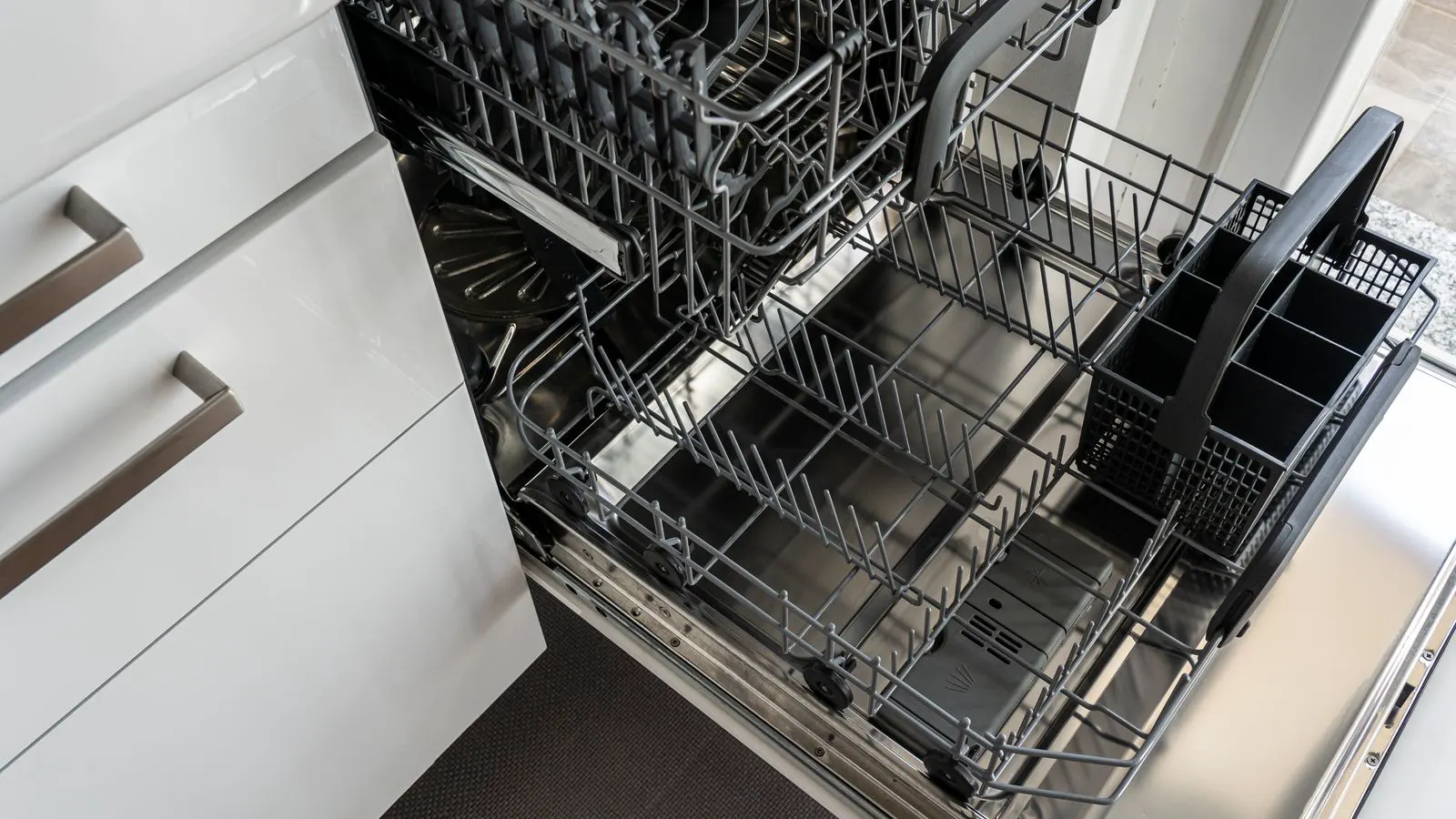
Easy clean design refers to machine engineering that prevents product buildup and allows rapid, validated cleaning. It involves smooth surfaces, sanitary fittings, and food grade materials. These features reduce downtime, lower contamination risk, and simplify compliance checks during audits.
- Easy clean design focuses on removing product and preventing residue, making CIP faster and more reliable.
- Key features include polished stainless steel, sanitary valves, and flat surfaces without dead legs or crevices.
- Sourcing decisions should prioritize design over raw material alone, as poor design undermines food grade components.
- Verify cleaning validation documents and access points before purchase to avoid costly retrofits.
What Does Easy Clean Design Actually Mean
Easy clean design is an engineering approach that treats machine surfaces, joints, and internal channels as part of the product. If a component traps liquid, powder, or fat, it creates a cleaning problem. The goal is to make those problems impossible or negligible.
In practice, this means the machine is built so that a rinse cycle removes what a manual wipe cannot. The design assumes operators will not have time to disassemble every section. It assumes CIP chemistry will be used. It assumes auditors will check the logic behind the cleaning sequence.
This concept sits at the intersection of hygiene, manufacturing efficiency, and regulatory compliance. A machine with excellent food grade stainless steel but poor geometry can still fail a sanitation audit. The material does not save bad design. The design must support the material.
Core Features of Sanitary Design
Sanitary design is the structural backbone of easy clean principles. It defines how parts fit together and how fluid moves through the machine.
Key elements include:
- Polished surface finish. Internal surfaces that contact product or CIP solution should have a low roughness grade. This reduces the surface area available for microbial adhesion. Rough patches act as hideouts.
- No dead legs. A dead leg is a pipe section or chamber where fluid stagnates. Stagnant fluid becomes a breeding ground for bacteria. Sanitary design eliminates or minimizes these zones.
- Sanitary connections. Flanges, quick-disconnects, and clamps must seal without gaps. Gaps create crevices where product can dry and harden.
- Access for cleaning. Every internal part must be reachable by CIP spray or manual inspection. If a part is hidden behind a panel that requires disassembly, it creates a compliance gap.
- Drainage geometry. Surfaces should slope toward drains. Pools of liquid invite contamination. Drain traps should be shallow and easy to clean.
These features work together. A polished surface is useless if it is located in a pocket that cannot be rinsed. The geometry determines the outcome.
How Materials Fit Into the Design
Food grade materials are necessary but not sufficient. Stainless steel 316L is the standard for many wet processing applications because it resists corrosion and withstands aggressive CIP chemicals. However, the grade of steel only matters if the design allows it to perform.
Consider a scenario. A filling machine uses 316L stainless steel for the product contact zone. The material is correct. But the nozzle tip has a threaded connection that creates a small gap. Product residue can migrate into the threads during operation. During cleaning, the CIP solution may not reach those threads effectively. The result is a persistent contamination point.
To avoid this, the design must use sanitary threads or flat-face seals. The material is food grade, but the design creates a failure mode.
Another common issue is the use of non-food grade plastics in non-contact zones. These are acceptable if they never touch the product. But if a plastic seal degrades over time, particles can shed into the product path. The design must account for the lifespan of all components, not just the primary contact parts.
The Role of CIP Readiness
Easy clean design is defined by how the machine interacts with a CIP system. A machine is not CIP ready just because it has an inlet and outlet. It is CIP ready when the design ensures uniform flow, adequate dwell time, and complete coverage.
The flow path matters. In a filling machine, the CIP solution must travel through the nozzle, the product valve, and the return line. If the valve has a bypass channel, the solution may not reach all internal surfaces. The design must account for the flow rate and pressure required to displace the product.
Valve selection is critical. A pinch valve is common in filling applications. It uses a flexible tube to close the flow. The tube can trap product between the clamp and the tube wall. To make this easy clean, the valve body should be constructed from a smooth, polished material. The clamp mechanism should allow the tube to be removed for inspection without tools.
A numbered list helps clarify the CIP readiness checks:
- Verify that all product contact surfaces are in the CIP flow path.
- Confirm that the CIP solution can reach the internal cavity of every valve.
- Ensure that the flow rate is sufficient to prevent sedimentation in low points.
- Check that the return line does not create a dead leg at the machine base.
- Validate that the drain point is accessible and unobstructed.
If any of these checks fail, the machine requires redesign or retrofit. This is where sourcing decisions become difficult. A vendor may offer a machine that looks clean on the outside but has hidden dead zones inside.
Sourcing Decisions and Vendor Evaluation
When sourcing packaging machinery, buyers often focus on throughput, automation, and price. These factors matter. But easy clean design affects total cost of ownership in ways that are not visible in the purchase price.
A machine that is difficult to clean requires more labor. It requires more downtime. It requires more frequent manual inspection. It may fail an audit, leading to production stoppages. These costs accumulate.
To evaluate a machine correctly, ask specific questions:
- What is the surface finish specification for all product contact parts?
- Where are the dead legs, and how are they addressed?
- What type of sanitary connections are used for fluid lines?
- How is the CIP flow path documented?
- Are there any non-stainless steel parts in the product path, and why?
The vendor should provide drawings or CAD models that show the internal geometry. A verbal promise is not enough. The design must be verifiable.
A worked example helps. Imagine a beverage filling line. The vendor offers a machine with a stainless steel body. The buyer inspects the nozzle assembly. The nozzle uses a standard thread connection. The buyer asks if the thread is sanitary. The vendor says it is sealed with a gasket. The buyer requests a cross-section drawing. The drawing shows a small gap between the gasket and the thread. The buyer realizes that during cleaning, the CIP solution will not fully flush that gap. The product residue will dry there. The machine fails the easy clean criteria.
The buyer then requests an alternative nozzle design. The vendor offers a sanitary clamp connection. The drawing shows a flat seal with no gaps. The surface finish is listed as 2BA. The buyer approves the change. This exchange costs time and a small premium. But it prevents a future contamination issue that could cost thousands in lost production.
Verification and Documentation
Easy clean design is not just about the machine. It is about the evidence. Auditors do not accept claims. They require documentation.
The key documents include:
| Document Type | Purpose |
|---|---|
| CIP Flow Map | Shows the path of the cleaning solution through the machine |
| Surface Finish Certificate | Confirms the roughness grade of all product contact parts |
| Material Traceability | Links each component to its food grade certification |
| Validation Report | Demonstrates that the cleaning process removes product and microbes |
| Maintenance Log | Tracks the condition of seals, clamps, and valves over time |
Without these documents, the machine is a black box. The buyer cannot verify the claims. The vendor cannot prove compliance.
A common mistake is assuming that the manufacturer’s standard CIP program is sufficient. Every production site has different water quality, different product viscosity, and different CIP chemistry. The validation report must be specific to the site. A generic report from the factory floor is not enough.
The design must allow for these variations. If the machine requires a specific flow rate that the site cannot provide, the CIP validation will fail. The buyer must check the site’s infrastructure before finalizing the purchase.
Final Thoughts on Design Priorities
Easy clean design is a prerequisite for compliant packaging. It is not an optional upgrade. It is the baseline.
When evaluating a machine, look at the geometry first. The material is secondary. A well-designed machine with standard stainless steel will outperform a poorly designed machine with premium alloys. The design determines whether the cleaning process works.
Focus on the details. The finish on the valve stem. The angle of the drain plate. The type of seal on the clamp. These small features add up to the overall performance.
If the design is right, the machine will clean itself. If the design is wrong, no amount of manual effort will fix it.
The path forward is simple. Ask for the drawings. Check the flow map. Verify the materials. Confirm the validation. These steps separate a compliant machine from a liability.
Frequently asked questions
Is 316L stainless steel automatically easy clean?
No. The material is food grade and corrosion resistant, but the design must support it. If the geometry creates dead legs or gaps, the material cannot compensate for the poor design.
What is the difference between easy clean and easy to clean?
Easy clean is a design standard that prevents contamination and allows rapid CIP. Easy to clean refers to the operational effort required. A machine can be easy to clean if the design is good, but the term "easy clean design" specifically refers to the engineering features that enable that ease.
How do I know if a machine has hidden dead legs?
Request a 3D model or detailed CAD drawings. Look for areas where fluid flow slows or stops. Pay attention to valve bodies, drain traps, and return lines. Ask the vendor to identify all potential dead zones.
Can I add CIP valves to an existing machine that was not designed for it?
Sometimes, but it is often limited. The existing flow path may not support the required pressure or coverage. You may need to modify the internal geometry or replace components. This is often more expensive than buying a new machine with built-in easy clean design.
What surface finish is recommended for food contact parts?
A low roughness grade is standard. 2BA is a common specification for internal wet parts. The finish should be consistent across all contact surfaces to ensure uniform cleaning performance.