Explainer: What Is Food Grade Stainless Steel 316L?
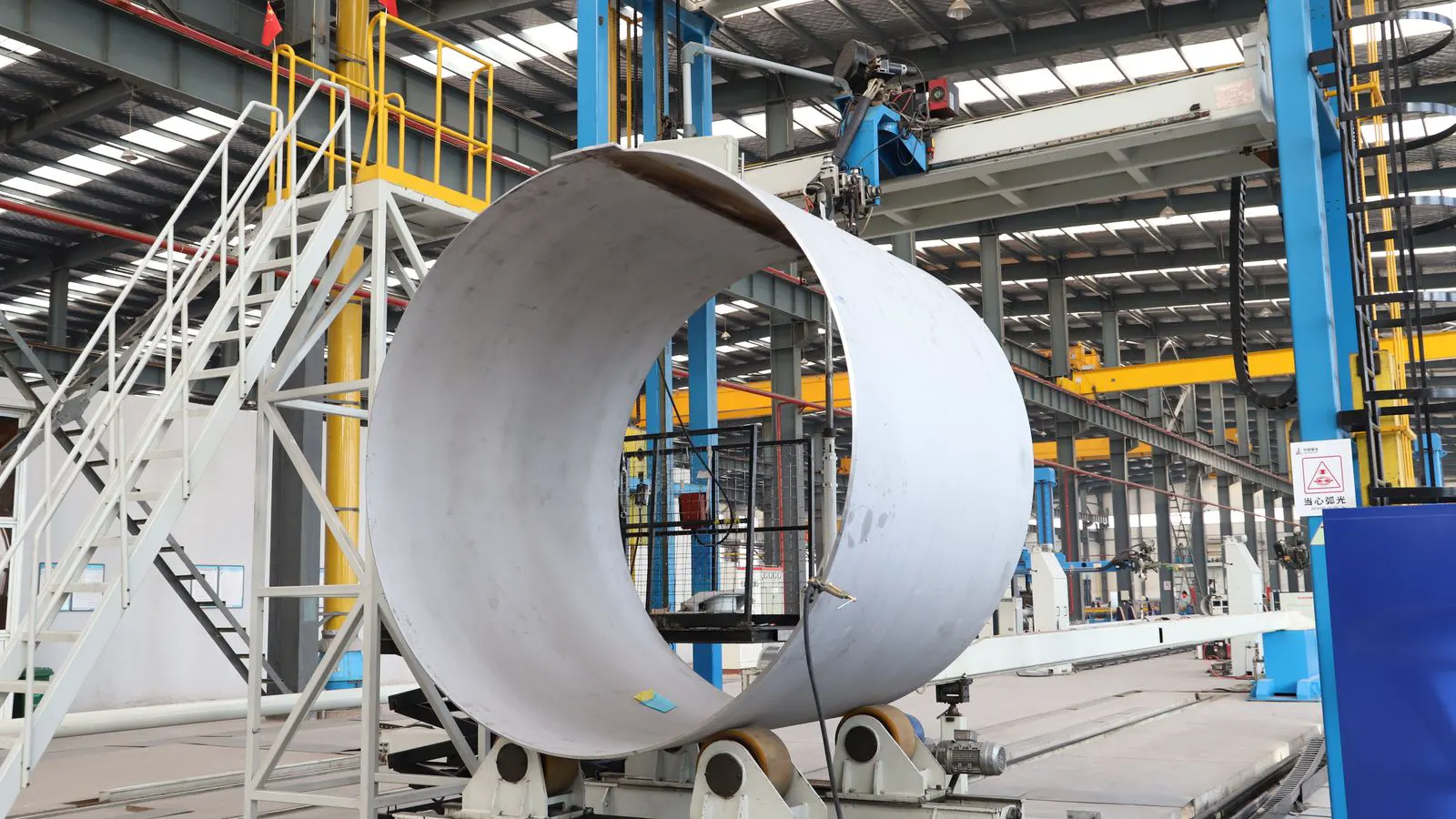
316L stainless steel is a low-carbon austenitic alloy with added molybdenum that resists pitting and chloride attack. It suits food processing where aggressive cleansers and high-moisture environments cause standard steel to fail. Buyers should verify mill certifications and surface finish to ensure food grade performance.
- 316L contains molybdenum and low carbon levels that improve resistance to pitting and intergranular corrosion compared to 304L.
- Low carbon prevents chromium depletion at weld heat-affected zones, making the material safer for long-term food contact.
- Surface finish and mill test certificates must be verified before accepting hygienic packaging components for production.
- 316L is often selected for wet zones, CIP systems, and high-chloride washdown scenarios where standard stainless steel corrodes.
- Cost differences between 304L and 316L should be weighed against expected service life and maintenance frequency in the specific application.
Why 316L Differs From Standard Stainless Steel
Stainless steel is a family of alloys, not a single material. The designation 316L identifies a specific grade with distinct chemical properties. The base is an austenitic iron nickel chromium alloy. The L in the name indicates low carbon content. The 6 refers to the molybdenum addition.
This combination changes how the material behaves in food processing. Standard 304L stainless steel performs well in many dry or low-moisture environments. It handles mild cleansers and general product contact. However, 316L resists pitting and crevice corrosion more effectively. The molybdenum stabilizes the passive chromium oxide layer when chlorides are present.
Chlorides enter food processing through salt, brine, certain dairy products, and chlorine-based sanitizers. These compounds attack the passive film on standard stainless steel. Over time, small pits form. Pits become stress concentrators. They trap product residue and bacteria. In hygienic packaging components, that failure mode is unacceptable.
The low carbon specification prevents another issue. During welding or heat treatment, carbon atoms can cluster at grain boundaries. This pulls chromium out of the surrounding metal. The area becomes vulnerable to corrosion. This is called sensitization. Low carbon 316L maintains chromium levels across the weld zone, preserving corrosion resistance where the joint is most critical.
How Alloy Composition Affects Sourcing Decisions
When sourcing hygienic packaging components, buyers must verify the actual grade, not just the marketing label. A supplier may list stainless steel without specifying the grade. A component built with 304L may be labeled simply as stainless steel. If the application involves wet washdowns or chlorinated cleansers, that component may fail prematurely.
Request mill test certificates for every batch of material. These documents list chemical composition, heat numbers, and mechanical properties. For food grade applications, the certificate should confirm the 316L grade and the low carbon limit. Some specifications require carbon content below 0.03 percent. Verify the surface finish as well. A mirror or electropolished finish reduces surface area for bacterial adhesion. A brushed or mill-finish surface provides more texture for product to stick to.
Cost is a factor. 316L generally costs more than 304L due to the molybdenum content. The difference may be small for small components. For large tanks, long pipe runs, or extensive frame work, the cost gap widens. Evaluate the total cost of ownership. A cheaper 304L part that needs replacement every few years may cost more than a 316L part that lasts longer. Factor in downtime for replacement, cleaning, and validation.
Where 316L Performs Best in Food Processing
Not every part of a packaging line needs 316L. Understanding the environment determines the right material. Consider the wettest zones first. Product contact surfaces, internal tank walls, and pipe interiors see constant moisture. These areas benefit from 316L. They are exposed to acidic or salty products and aggressive sanitizers.
CIP systems are a major driver for 316L. Cleaning in place uses hot water, alkaline caustics, and acidic sanitizers. Some formulations contain chlorinated compounds. The combination of heat and chemicals accelerates corrosion on unsuitable grades. 316L handles these cycles better. The molybdenum shields the metal when the passive film is compromised by chlorine.
Exterior frames and structural supports may not require 316L. These parts see less direct product contact. They face splashes and washdowns but dry faster. 304L often suffices for these areas. However, if the facility uses strong acid cleaners or if the environment is constantly wet, 316L extends the life of even structural parts.
Consider the product type. Dairy, seafood, and salty snacks present higher chloride exposure. Acidic beverages and fruit juices challenge the passive film through pH. 316L handles these better. For dry packaging lines with minimal moisture, standard stainless may be adequate. Match the material to the exposure level.
Surface Finish and Hygienic Design Requirements
The grade is only one part of the equation. Surface finish determines how the component performs in practice. A 316L part with a rough, unpolished surface will not clean as well as a polished 304L part. Hygienic design requires smooth surfaces that allow easy cleaning and prevent product accumulation.
Electropolishing is a common method for achieving a hygienic finish. It removes burrs, sharp edges, and microscopic roughness. The result is a smooth, corrosion-resistant surface. This finish is particularly valuable in wet zones and CIP systems. It reduces the surface area where bacteria can hide.
Mirror finish is the smoothest option. It is ideal for product contact surfaces and critical CIP components. It is more expensive and requires careful handling. Scratches or handling damage can compromise the finish. Brushed finish is a middle ground. It is easier to clean than mill finish but not as smooth as mirror.
Verify the finish specification in the purchase order. Do not assume the supplier will provide a hygienic finish by default. State the Ra value or finish type in the drawing. For food contact, a lower Ra value is better. For structural parts, a brushed finish may be acceptable. The goal is to match the finish to the cleaning method and the level of contamination risk.
Verifying Food Grade Certification and Documentation
Food grade certification is not a single stamp. It is a set of documents and practices. The material must meet chemical specifications. The manufacturing process must prevent contamination. The documentation must prove compliance.
Mill test certificates are the primary document. They confirm the chemical composition of the raw material. For 316L, the certificate should show the molybdenum content and the low carbon level. Request copies before accepting the material. Store them with the component records.
Supplier quality certifications matter. Look for ISO 9001 or ISO 22000. These standards cover quality management and food safety. They do not guarantee the specific grade, but they indicate the supplier has documented processes for material control. Request evidence of their material verification process.
For high-risk applications, consider third-party inspection. An independent inspector can verify the material grade using chemical analysis. This is useful for critical components or when the supplier is new to your facility. The cost is higher, but the risk reduction is significant.
Keep records for audit purposes. Auditors check material certificates and process records. They verify that the components in use match the specifications. If you cannot produce the mill test certificate for a critical part, you have a documentation gap. Maintain a system for tracking material lots and their corresponding certificates.
Practical Example: Selecting 316L for a Wet Zone Component
A bottling facility is replacing the internal pipe run of a carbonation chamber. The previous run used 304L stainless steel. After three years, pitting appeared at the weld joints. The pitting trapped carbon dioxide and syrup residue. Cleaning time increased. Product yield dropped due to more product remaining in the line.
The facility evaluates the environment. The pipe is exposed to carbonated beverage, which contains carbonic acid. The cleaning cycle uses hot caustic and an acid sanitizer. The acid sanitizer contains a chlorinated compound. The environment is constantly wet. The welds are the most vulnerable points.
The engineering team selects 316L for the new pipe run. The molybdenum content resists the pitting caused by the chlorinated sanitizer. The low carbon prevents sensitization at the welds. The surface finish is electropolished to a smooth finish for easy cleaning and CIP flow.
The new run performs better. Cleaning time decreases. Pitting does not appear after the first year. The welds remain intact. The facility documents the mill test certificates for the new material. They update the equipment records to reflect the grade change. They include the 316L specification in the maintenance plan.
This example shows how material selection affects performance. The 316L choice addresses the specific corrosion mechanism. It reduces cleaning time and improves reliability. The documentation supports audit readiness and future maintenance.
Common Mistakes in Material Selection
The most common mistake is assuming all stainless steel is the same. A supplier quotes a price based on standard stainless. The buyer accepts the quote without verifying the grade. The component fails when exposed to the actual cleaning chemicals.
Another mistake is ignoring weld quality. A high-grade material with poor welds will perform poorly. The weld heat-affected zone can be more vulnerable than the base metal. Low carbon 316L helps, but welding procedure matters. Verify the welder’s qualifications and the welding procedure specification.
Surface finish is another frequent oversight. A polished 304L part may outperform a rough 316L part in some cleaning scenarios. The finish reduces contamination more than the grade in some cases. Specify the finish alongside the grade.
Finally, buyers sometimes under-specify. They choose 316L for every part to be safe. This increases cost without benefit. Structural frames and non-wet areas do not need the higher grade. Match the material to the environment. Over-specifying wastes money. Under-specifying creates reliability problems.
Frequently asked questions
What is the main difference between 316L and 304L stainless steel?
316L contains molybdenum and lower carbon than 304L. The molybdenum improves resistance to pitting and crevice corrosion, especially in chlorinated environments. The low carbon prevents sensitization during welding.
Does 316L require special cleaning methods?
No, 316L does not require special cleaning methods. It cleans like other stainless steel. However, the surface finish matters. A polished or electropolished finish cleans more easily than a rough finish.
Can 316L be used for dry packaging areas?
Yes, but it is often over-specification. Dry areas with minimal moisture exposure usually perform well with 304L. 316L is justified when chlorides, acids, or constant wetness are present.
How do I verify a supplier is providing true 316L?
Request mill test certificates for each batch. The certificate should list the chemical composition and confirm the 316L grade. You can also request third-party chemical analysis for critical components.
Is 316L always cheaper than other stainless grades?
No, 316L is generally more expensive than 304L due to the molybdenum content. However, it may reduce total cost by lasting longer in corrosive environments and requiring less maintenance.