Outlook: Digital Sealing and Filling in Packaging
Digitalization moves filling and sealing toward connected sensors, adaptive controls, and predictive maintenance. Buyers should plan for data integration, flexible tooling, and operator training. A modern packaging line balances automation with practical field checks.
- Digital sensors on fillers and seals turn manual checks into continuous data records.
- Flexible tooling and software updates reduce changeover time for small batches.
- Predictive maintenance reduces unplanned downtime on the packaging line.
- Operators need training to interpret data and verify results.
- Buyers should specify data access, connectivity, and spare parts availability.
Filling and sealing machines are changing. The change is not just software. It is a shift from fixed equipment to connected systems that adjust fill volumes, seal parameters, and speed in response to product conditions. For importers and operations leaders, this means the packaging line must be designed to handle data, not just product.
The practical question is simple. How do you choose machines that remain useful for the next decade? The answer lies in five to six design shifts. Each shift affects procurement, maintenance, and daily operations. Understanding them helps you avoid buying equipment that becomes obsolete quickly.
How sensors change fill accuracy
Traditional fillers rely on mechanical checks. A valve opens, a set time passes, and the operator verifies the fill level by eye or a periodic test. Digital filling machines add flow meters, pressure sensors, and load cells. These sensors track the product in real time.
The result is a tighter fill weight distribution. When a thick paste or viscous liquid moves through the line, the sensor detects resistance. The controller adjusts pump speed or valve timing within milliseconds. This reduces waste and improves yield.
For buyers, this means you should ask for sensor data access. You want raw counts, not just pass/fail signals. If the machine reports only “good” or “bad,” you lose the ability to diagnose trends. A good filling machine exports fill weight data, product viscosity readings, and valve cycle times.
What adaptive sealing equipment does
Sealing equipment also moves toward digital control. Heat and pressure are no longer fixed settings. Sensors monitor the seal temperature, the contact time, and the pressure profile. If the product temperature changes, or if the bag material thickness varies, the controller corrects the seal parameters on the fly.
This is critical for multi-product lines. A single packaging line may run several SKUs. The old method required manual adjustments and trial runs. The new method uses stored profiles. When the product changes, the operator selects a program. The machine applies the correct seal and fill settings automatically.
However, the technology is only as good as the data behind it. A stored profile is a starting point, not a guarantee. You must still verify the seal integrity after changeovers. The digital system reduces the time to a correct setup, but it does not remove the need for physical checks.
The shift to predictive maintenance
Maintenance is the third major shift. Traditional maintenance is reactive. A pump fails. The belt snaps. The line stops. The team finds the fault and fixes it. Digital maintenance is predictive. The machine collects vibration, temperature, and current draw data. The software flags a pattern that suggests a bearing is wearing or a motor is straining.
This changes the maintenance schedule. Instead of fixed intervals, you service based on actual wear. A pump that runs 4,000 hours may be fine. Another pump that runs 5,000 hours with a slight temperature increase may need attention. The difference is in the data.
For importers, this means the machine must have a maintenance log. You want to see the history of each component. If you buy a filling machine without a digital log, you lose the benefit of predictive maintenance. The spare parts list also changes. The system can recommend specific part numbers based on the failure mode.
Connectivity and the data layer
The fourth shift is connectivity. A modern packaging line is not a single machine. It is a network of machines, sensors, and controls. The filling unit talks to the capping unit. The capping unit talks to the case packer. The case packer talks to the warehouse management system.
This creates a data layer. The line collects information on speed, stop reasons, fill accuracy, and seal quality. This data can be stored locally or sent to a central server. The value is in the visibility. You can see which product runs slow. You can see which shift has the most rejects. You can see which machine has the highest waste rate.
Buyers should specify the communication protocol. Ethernet, OPC UA, and other standard protocols make integration easier. If a machine only supports a proprietary protocol, it becomes an island. It does not talk to the rest of the line. It limits your ability to build a coherent data system.
The protocol also affects security. A connected machine is a network device. It must have secure logins, encrypted data transmission, and role-based access. You do not want a technician to access the control system from an unsecured phone. The manufacturer should provide clear documentation on network setup and security.
Flexible tooling and changeover speed
The fifth shift is flexibility. The market moves toward smaller batches and more SKUs. A packaging line that takes two hours to change over is less competitive than one that takes twenty minutes. Digital machines help here.
The tooling is modular. Nozzles, seals, and guides are designed to be removed and replaced quickly. The software stores the tooling settings. When you swap a nozzle, the system knows the dimensions and the required fill volume. It adjusts the pump and valve automatically.
This does not remove the need for physical work. You still must clean the nozzle. You still must align the seal jaws. But the time for parameter setup drops significantly. The operator spends less time on the HMI screen and more time on the physical setup.
For buyers, ask about the changeover process. How long does a standard changeover take? What parts are involved? Is there a quick-release mechanism? A machine that looks fast on paper may be slow in practice if the tooling is difficult to remove.
Operator training and data interpretation
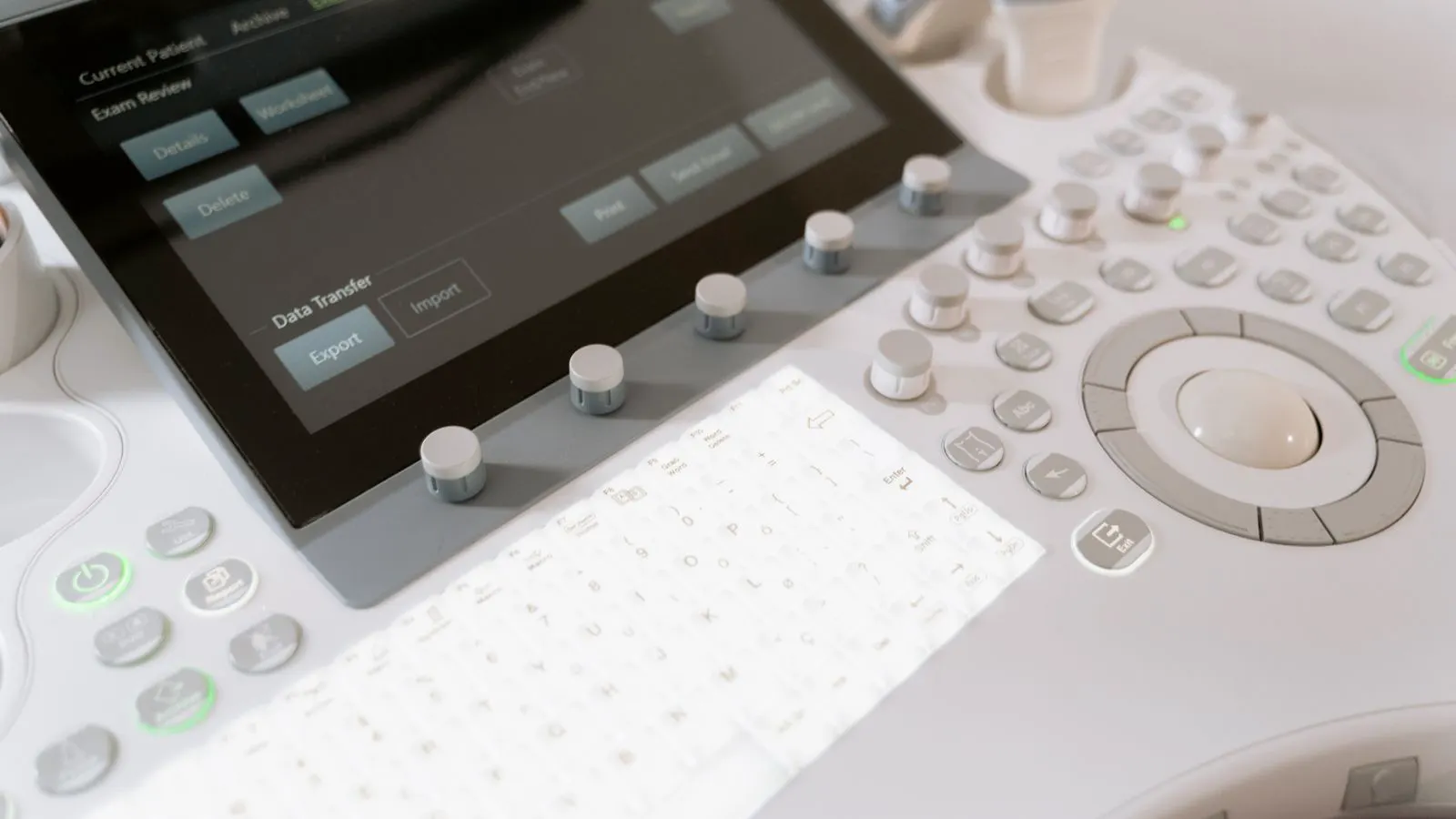
The sixth shift is the operator. The machine is smarter, but the operator must be more skilled. The HMI is no longer a set of buttons. It is a dashboard. It shows trends, alarms, and recommendations. The operator must know what to look at and what to ignore.
A new operator may see a fill variance warning and panic. An experienced operator knows that a small variance is normal during a startup. The training must cover the data. It must cover the alarms. It must cover the basic troubleshooting.
Manufacturers should provide training. This should not be a one-time video. It should be a hands-on session with the specific machine. You want the operator to practice a changeover, a fault injection, and a data export. The operator should understand the difference between a sensor fault and a mechanical fault.
For the buyer, this means the machine must have a user-friendly interface. The language should be clear. The alarms should be specific. “Valve 3 stuck” is better than “Error 402.” The documentation should be available in the local language of the plant.
A practical comparison of digital features
The table below shows the main digital features and their impact on the packaging line.
| Feature | Impact on Operations | Buyer Question |
|---|---|---|
| Real-time fill sensors | Tighter fill weight, less waste | Can I access raw fill data? |
| Adaptive sealing | Faster changeovers, consistent seals | Are seal profiles stored in the machine? |
| Predictive maintenance | Lower downtime, longer part life | Is there a digital maintenance log? |
| Standard connectivity | Easier integration with WMS | Which protocols are supported? |
| Modular tooling | Quick SKU changes | How long is a standard changeover? |
| Data dashboard | Better shift visibility | What alarms and trends are shown? |
How to prepare your packaging line
Preparing for digital filling and sealing is not about buying the newest machine. It is about planning the system. Start with the data. What data do you need? Fill weight, seal quality, speed, waste rate? Define this before you select the machine.
Next, look at the connectivity. Your existing control systems must be able to receive data. If your current line uses a proprietary system, you may need a gateway. This is a cost, but it is a necessary step.
Finally, plan the training. The machine is only half the solution. The people who operate it are the other half. If the team cannot read the dashboard, the data is useless. Build the training into the project budget.
The shift is clear. Filling and sealing are moving from mechanical to digital. The machines are better, but the requirements are higher. A well-designed packaging line balances automation with practical field checks. It uses data to improve, but it relies on people to verify. The buyer who understands this shift will make a better decision. The machine that fits the data needs of the line is the one that will serve well for years.
Frequently asked questions
Do digital filling machines always reduce waste?
They reduce waste when the sensors are accurate and the product conditions are stable. If the sensor is fouled or the product viscosity changes rapidly, the machine may compensate incorrectly. Regular cleaning and calibration are required.
How much data should a filling machine store?
Store enough to diagnose trends. At minimum, store fill weight, cycle time, and alarm history for the last shift. Longer storage helps with performance analysis, but the local drive should have enough space for a few weeks of data.
Is predictive maintenance worth the cost?
It is worth it if the machine is critical to production. The cost of unplanned downtime usually exceeds the cost of the software. However, the benefit depends on the quality of the sensors and the maintenance team.
Can old machines be upgraded with digital sensors?
Yes, in many cases. Retrofit kits add flow meters, load cells, and connectivity modules. This is often cheaper than buying a new machine. Check with the manufacturer for compatibility and support.
How do I verify the data from a new filling machine?
Compare the machine data with manual checks. Weigh a sample of bottles by hand. Check the seal by cutting one open. If the data matches the physical result, the system is working correctly. If not, calibrate the sensors.