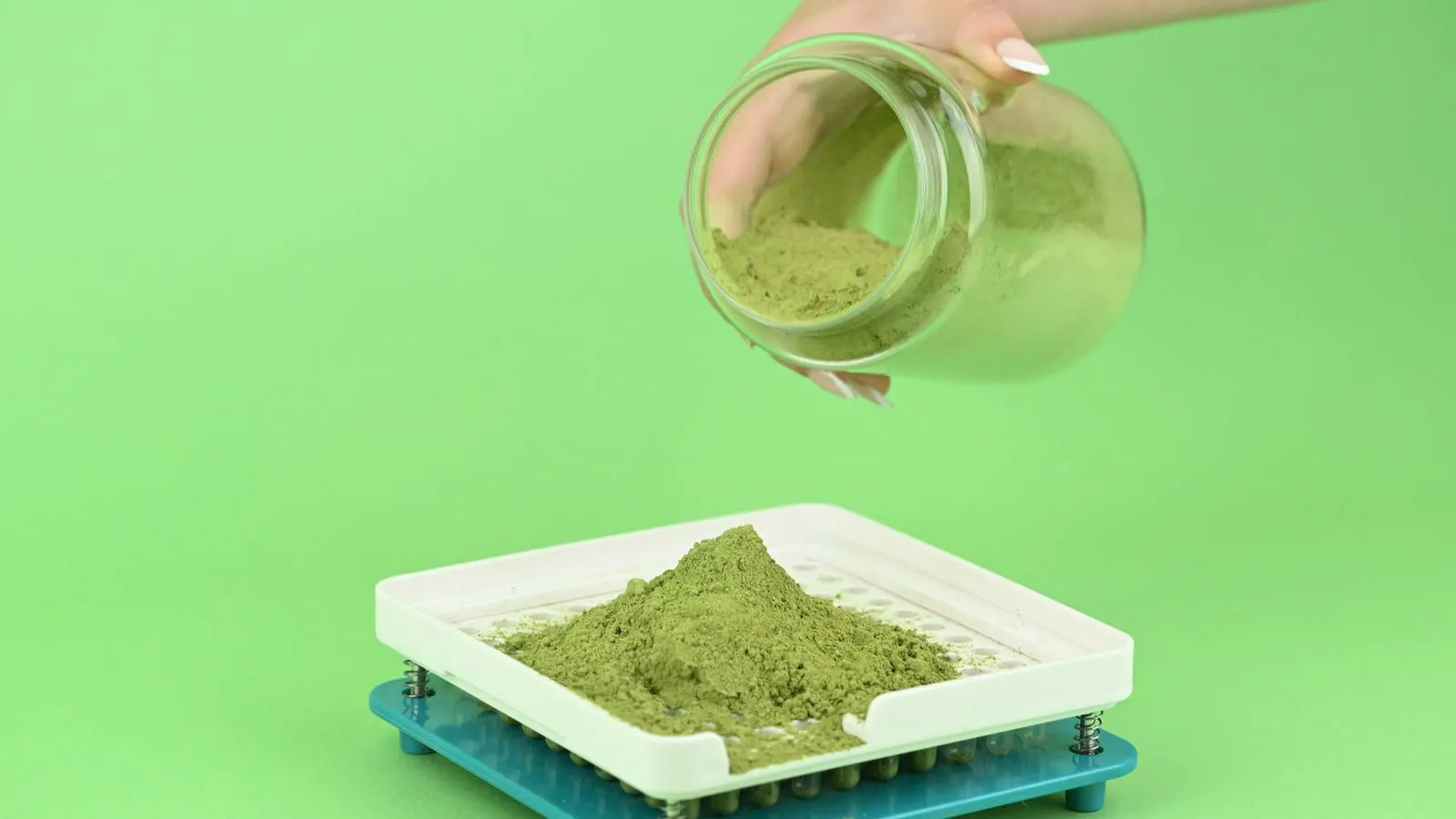
Filling & Sealing Machines
Buyers Guide: Selecting Powder Filling and Sealing
Choose powder filling equipment based on particle characteristics, dosing method, and sealing integration. Accurate volume measurement and reliable sealing are the two

Explore machine types, filling speeds, and sealing technologies for liquids, powders, and solids with practical guidance.
Choose powder filling equipment based on particle characteristics, dosing method, and sealing integration. Accurate volume measurement and reliable sealing are the two

Choose paste product fillers based on pump type, seal material, CIP capability, and volume accuracy. This guide outlines criteria for thick liquid filling and packaging
A filling accuracy checklist provides a structured method to measure, verify, and document fill volumes for viscous products. It guides operators through pre-run checks
Inconsistent fill levels in viscous product filling usually stem from temperature shifts, worn seals, or incorrect flow settings. This guide lists common symptoms

Viscous flow control regulates thick liquid movement in fillers using pump displacement, viscosity compensation, and precise timing. It ensures consistent volumes

Piston fillers deliver higher accuracy and control for thick liquids, while cup fillers offer lower cost and easier maintenance. The right choice depends on viscosity
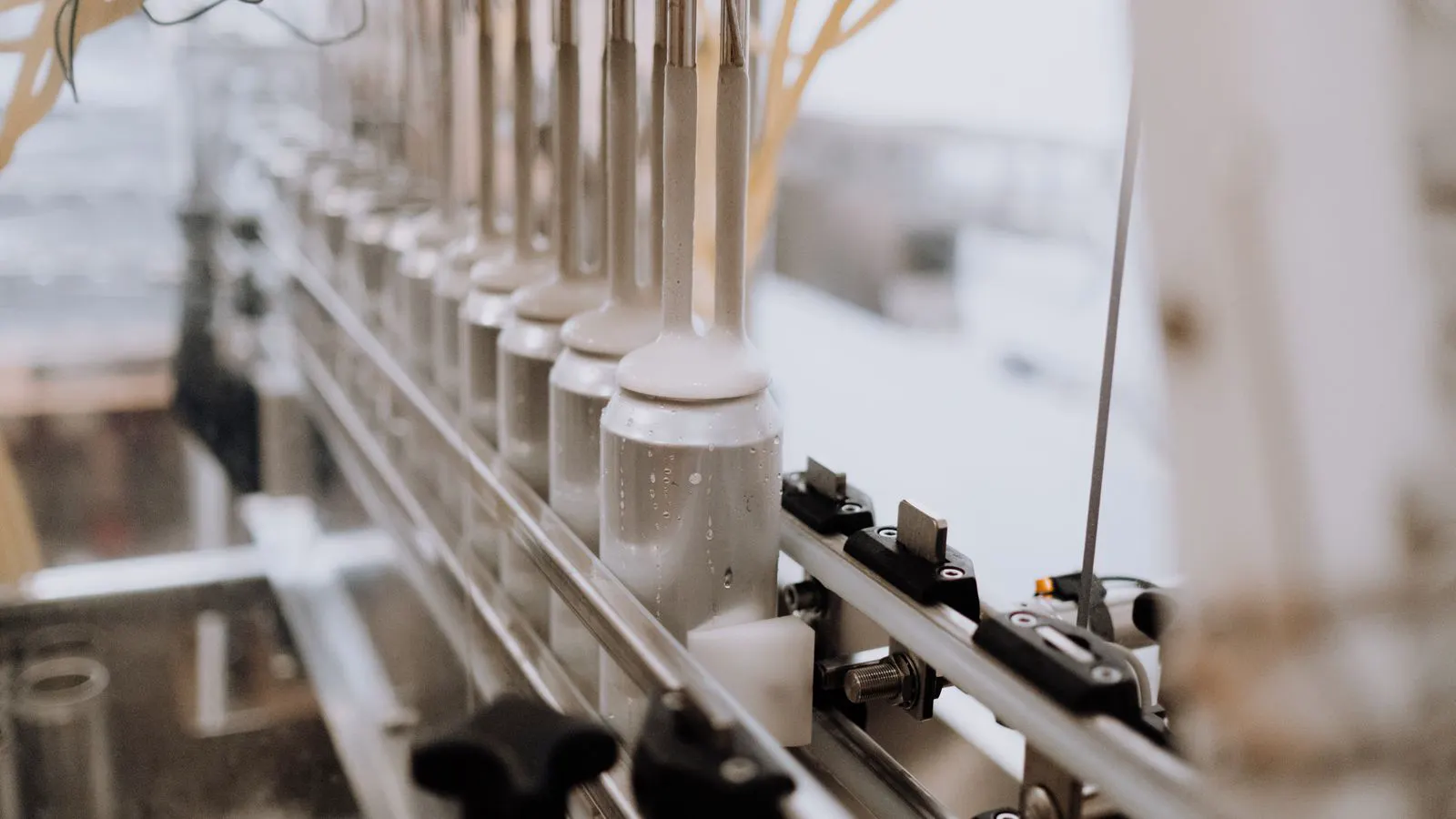
Proper sealing alignment keeps the heat element, pressure plate, and container position in exact agreement. This guide covers the prerequisites, the step-by-step
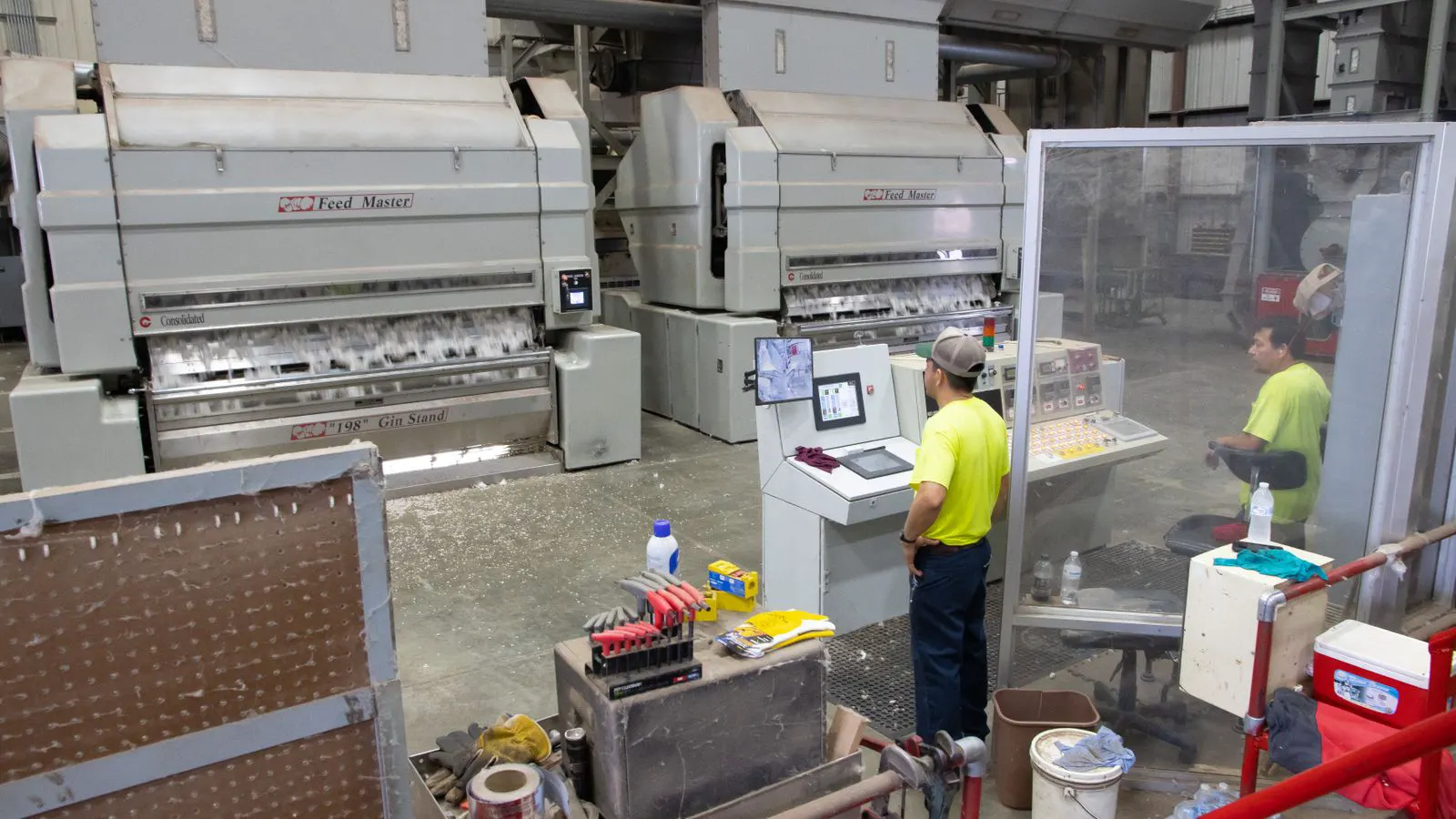
Inconsistent volume in rotary fillers usually traces to nozzle wear, air pressure drift, or product viscosity changes. This guide lists common symptoms, likely causes
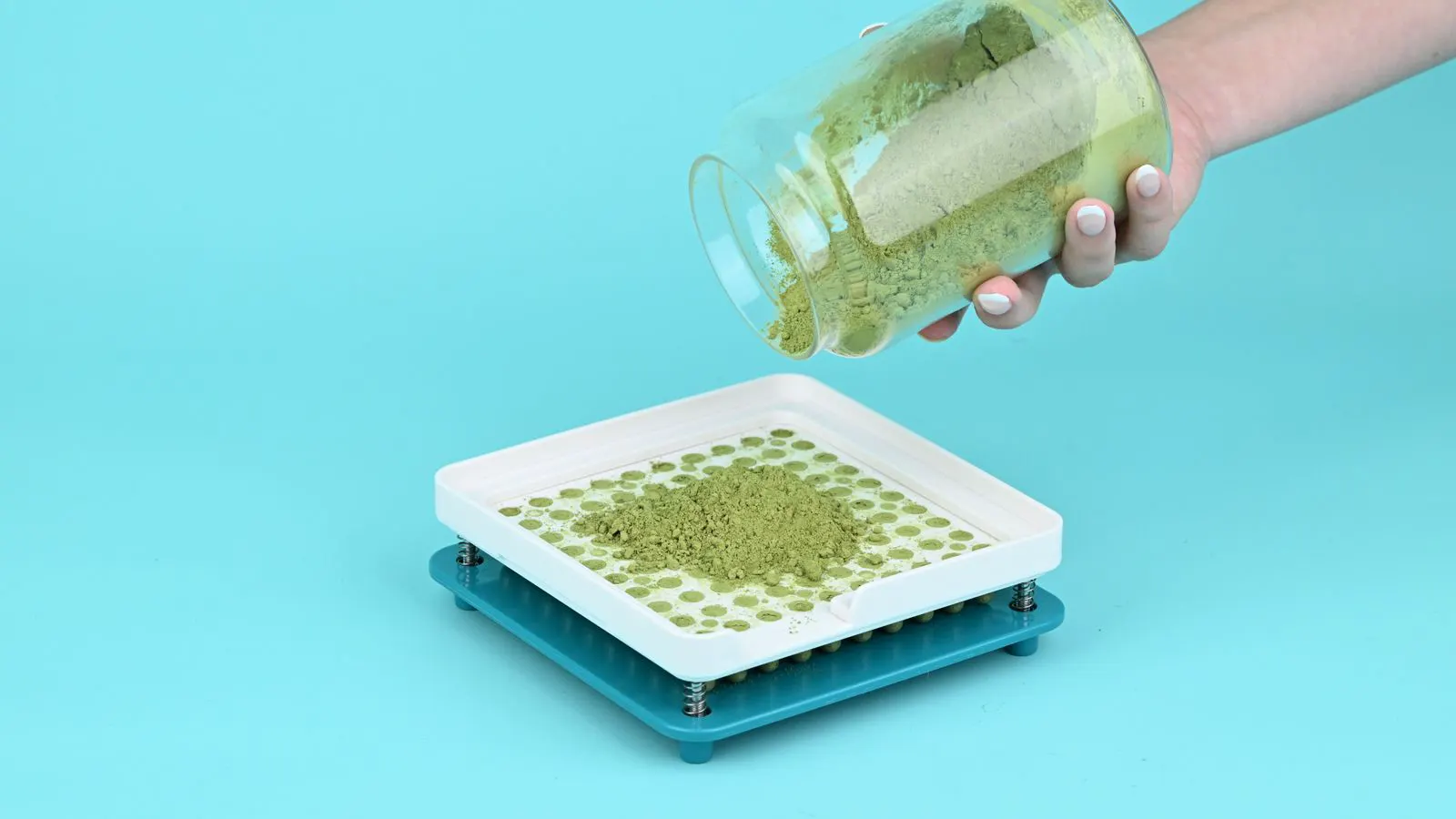
Choose between rotary filler and piston filler based on product viscosity, target speed, container type, and budget. Rotary fillers suit low-viscosity liquids at high
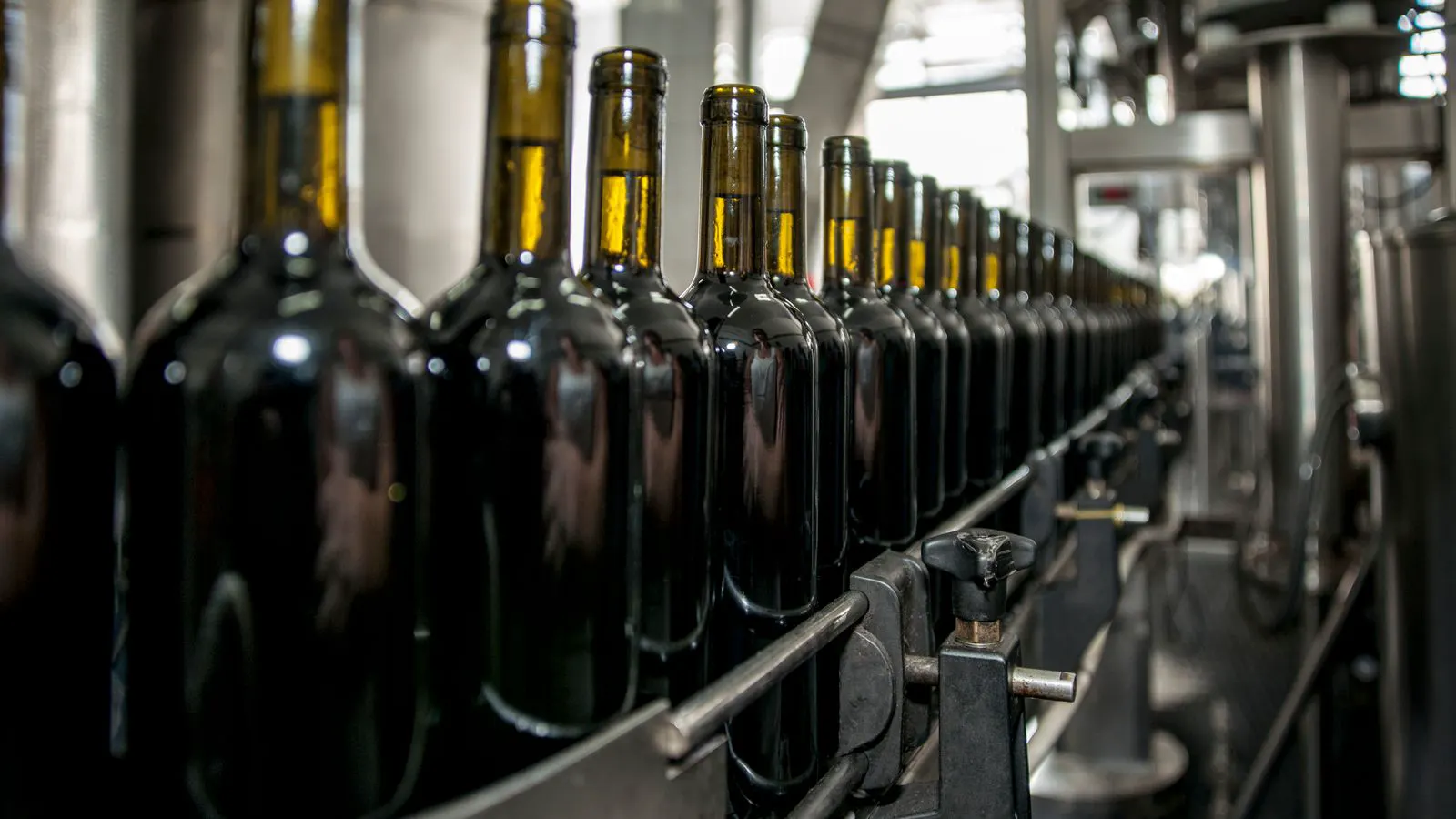
AI-driven predictive maintenance will shift filling equipment care from reactive fixes to condition-based actions. Buyers should plan for better sensor integration, data
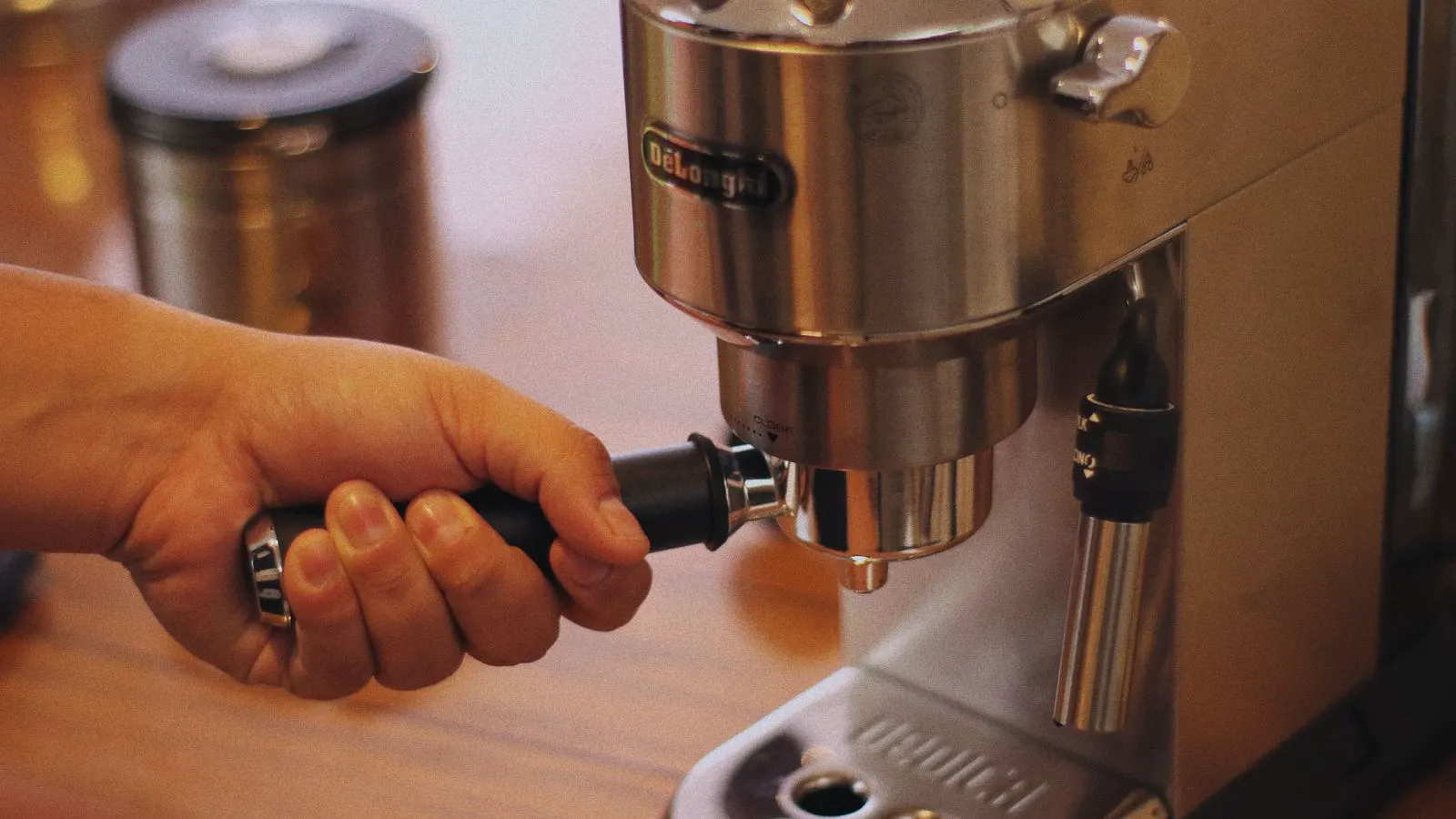
Hygiene requirements for filling machines are tightening. Buyers should plan for stricter food safety, packaging regulations, and future standards. This outlook covers
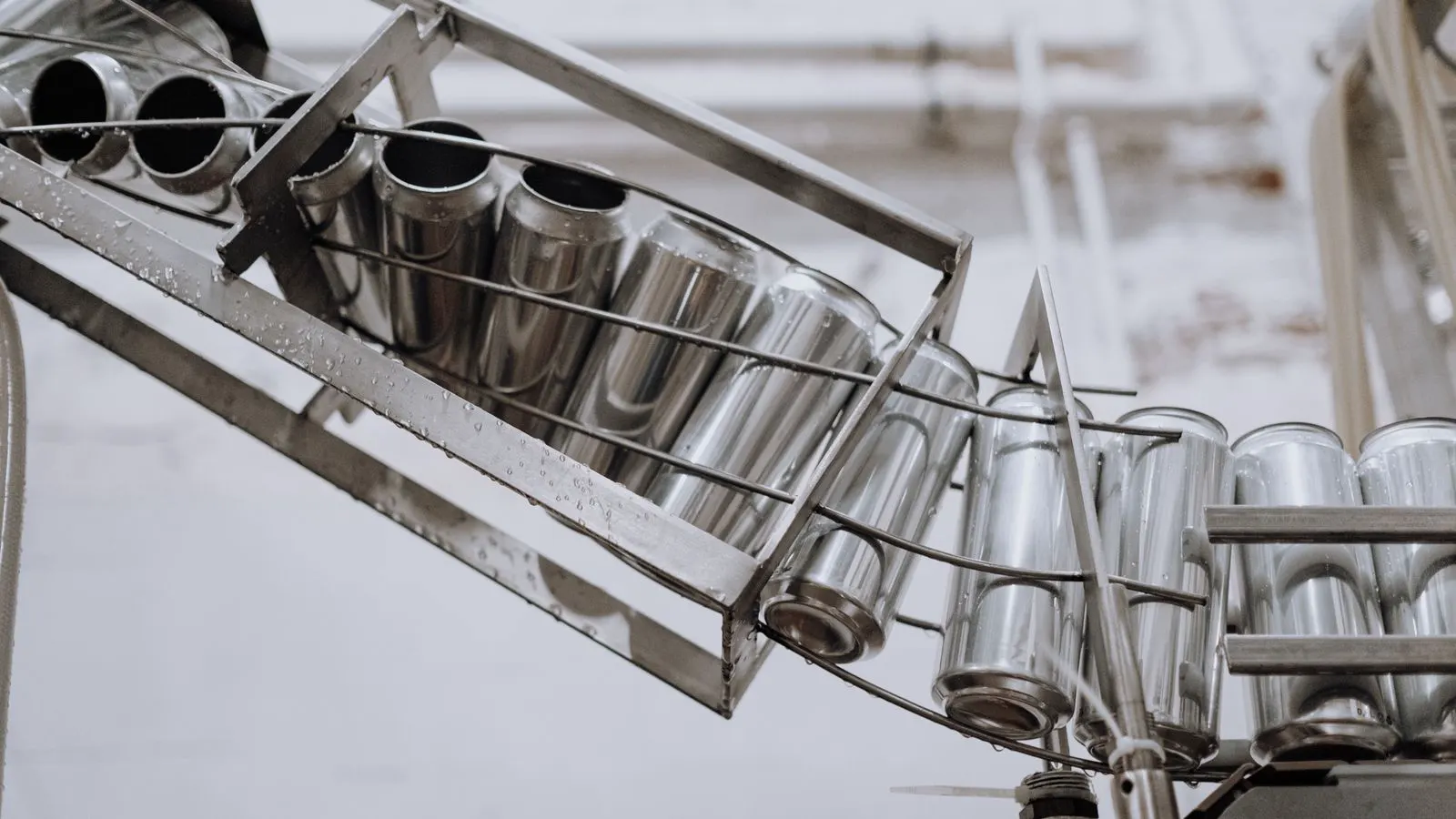
Reducing filling line downtime requires a structured approach combining preventive maintenance, clear troubleshooting routines, and realistic line speed targets. This