Outlook: Sealing Automation in Powder Packaging
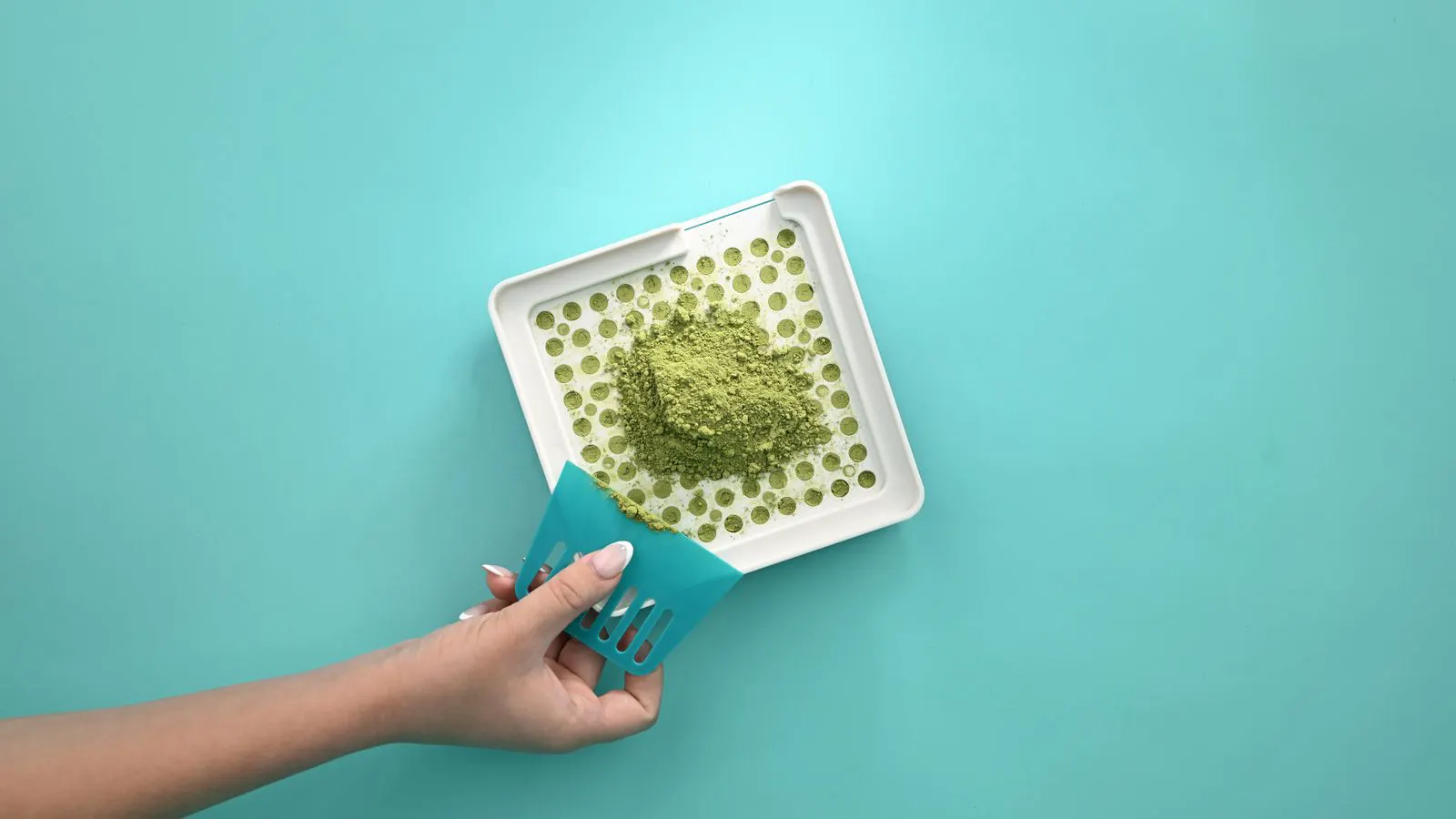
Powder sealing automation is moving toward tighter integration of filling, sealing, and verification. Buyers should plan for digital monitoring, modular seal heads, and stronger data capture to handle variable powder products.
- Powder sealing automation is shifting from simple mechanical closure toward digitally monitored, process-controlled sealing.
- Engineers should plan for modular seal heads, inline verification, and better integration with existing filling systems.
- Dry product lines need more attention to sealing integrity, material compatibility, and data traceability than in the past.
- Preparation starts with mapping current seal failures, standardizing tooling, and selecting equipment that supports future digital upgrades.
- Avoid over-automating a line before the base sealing and filling process is stable and well documented.
What is changing in powder sealing automation
Powder sealing automation is no longer just about closing a container after the powder is in. The focus is moving toward a tighter connection between filling, sealing, and verification. Engineers are seeing more lines where the seal head reports its own status, the filler adjusts to what the seal system is doing, and the data goes to a central record.
This shift is practical. Powder products often have variable moisture, density, or particle size. A seal that works perfectly on a stable lot can fail when the powder settles differently in the funnel or when humidity changes. If the sealing station is only a mechanical stop, the problem shows up later, usually as rejected bags or damaged product. With automated monitoring, the signal appears at the point where it can be corrected.
The practical question for buyers is not whether to automate sealing. It is how much control to add now and how much to keep flexible for later.
How seal heads are becoming more digital
The biggest change is happening at the seal head and the closure mechanism. Older units often had a simple limit or pressure switch. They could tell an operator that the seal was done, but they did not explain why a seal was weak. Newer systems use more sensors and tighter feedback loops.
Common digital features include:
- Real-time seal temperature and pressure monitoring
- Motor current or torque monitoring on the sealing actuator
- Optical or mechanical verification of the closure
- Automated alarm and adjustment based on measured values
- Data export to a production log or central system
For powder lines, this matters because the seal surface can be affected by residue, static, or moisture. If the seal head can detect a deviation before the container leaves the line, the team can adjust the process instead of discovering a batch problem at inspection.
A practical example is a line sealing powder in stand-up pouches. If the heat seal is running too hot, the pouch edge can darken. If it is running too cool, the seal may be weak and fail later. A basic system might only show an error after a batch of rejected units. A more automated system can log the trend and trigger a small correction in real time.
What this means for filler and sealing integration
Powder filler trends are pushing toward more integrated machines, not just faster machines. The filler and the sealer are becoming part of one process. The filler controls how much powder is in the pouch, and the sealer controls the closure. If they are isolated, the line can still have a good fill and a weak seal. If they share data, the process becomes more stable.
This is where many buyers get stuck. They buy a high-speed filler and a separate sealer, then wonder why the line is not as reliable as expected. The gap is often in the handoff. The filler does not know if the sealer is ready. The sealer does not know if the fill is complete. The operator has to manage the timing manually.
For engineers, the practical move is to treat filler and sealer as one unit. The machine should have a clear sequence: fill, verify fill, seal, verify seal, reject or continue. If the sequence is not controlled, the line will be sensitive to small changes in product or packaging.
The five shifts to plan for
Buyers and engineers should plan for these five shifts in powder sealing automation.
-
From mechanical to process-controlled sealing
The seal will be treated as a measured step, not just a closure. Expect more sensors, more alarms, and more need for cleaning and calibration. -
From standalone machines to connected lines
Filler, sealer, and packaging stations will exchange data. This improves traceability and makes it easier to find the root cause of a defect. -
From generic tooling to product-specific tooling
Seal heads and closure tools will be selected more carefully for pouch type, liner, powder residue, and ambient humidity. A one-size-fits-all approach will struggle. -
From operator judgment to data-driven checks
Operators will still be needed, but they will rely more on dashboards, trend logs, and automated rejection logic. This reduces waste and improves consistency. -
From end-of-line inspection to inline verification
More verification will happen at the seal station or immediately after. This is better than finding a weak seal at the packing area, where the cost of correction is higher.
A useful way to prepare is to map the current line step by step. Write down how the fill is measured, how the pouch is positioned, how the seal is applied, and how a bad seal is detected. That map will show where automation will help most and where the line is already stable enough to leave alone.
How to prepare your dry product line
Preparation starts with the base process, not the software. If the powder is not consistently flowing, the filler will vary. If the pouch is not positioned well, the seal will vary. If the seal temperature is not stable, the closure will vary. Automation will make these problems visible, but it will not fix them.
The practical preparation steps are:
- Confirm that the powder feed is stable and that the filler is calibrated for the current product lot.
- Check pouch or container alignment before adding more sensors.
- Review the current seal head for wear, residue, and temperature control.
- Document the common failure modes, such as weak seals, open seals, or damaged pouch edges.
- Decide what data the line needs to keep, and where it will be stored.
A common mistake is buying advanced sealing automation before the filling process is stable. The line may look smarter, but the same defects will appear, just with more data attached to them. The first step is to make the mechanical process reliable. The second step is to add control and data.
What to ask suppliers and integrators
When evaluating powder sealing automation, ask specific questions about control, maintenance, and data. Vendors often talk about speed and capacity, but the real value is in how well the line can be controlled and maintained.
Questions to consider:
- How is the seal quality measured on this machine?
- Can the filler and sealer communicate in real time?
- What happens when the seal station detects a weak closure?
- Can the machine log seal parameters for each batch?
- How is the seal head cleaned and maintained?
- What tools and settings are available for different pouch types?
- Can the data be exported to a central system or a production log?
If the answers are vague, the system may be more mechanical than it appears. If the answers are specific, the system is more likely to support the kind of control that dry product lines need.
A practical comparison of control levels
The table below compares three common levels of sealing control for powder lines.
| Control level | What it does | Best for | Limitation |
|---|---|---|---|
| Basic mechanical seal | Closes the container with a fixed heat or pressure cycle | Simple products, stable packaging, low volume | No feedback on seal quality |
| Sensor-assisted seal | Monitors temperature, pressure, or closure position | Medium complexity, some product variation | Limited ability to adjust in real time |
| Process-controlled seal | Measures seal quality, adjusts the cycle, and logs data | Variable powders, tight traceability, high volume | Higher setup and maintenance effort |
Most lines will not jump straight to the highest level. The practical path is to start with the control level that matches the current process, then add more as the line stabilizes.
How to avoid over-automation
Over-automation is a real risk. Adding sensors and software to a line that is already unstable can create confusion. The operator sees more alarms, but the root cause is still a worn seal blade or a misaligned pouch.
To avoid this, keep the automation aligned with the process. Add data where it changes a decision. If the seal station can detect a weak seal and reject the pouch before it moves on, that is useful. If the system only logs data but does not act on it, the value is lower.
A good rule is to start with one clear improvement at a time. Fix the fill consistency first. Then add seal monitoring. Then add data logging. This approach is slower, but it is easier to maintain and easier to justify.
What to expect in the coming years
Powder sealing automation will continue to move toward tighter integration and better data use. The machines will become more capable of adjusting to product variation, and the operators will have better tools to see what is happening in real time.
The practical takeaway is simple. The next generation of sealing automation will not just close containers. It will help the line run more consistently, with fewer rejects and better traceability. The buyers who prepare well will be the ones who focus on the base process first, then add control in a measured way.
Frequently asked questions
What is the main benefit of powder sealing automation for dry product lines?
The main benefit is better control over seal quality. Automated monitoring helps detect weak or inconsistent seals earlier, which reduces rejects and improves traceability.
Do all powder lines need advanced sealing automation?
No. Simple lines with stable products and packaging may do well with basic mechanical sealing. Advanced automation is most useful when the product or packaging varies, or when traceability is a priority.
How should an engineer start preparing a line for better sealing automation?
Start by stabilizing the filling process and pouch positioning. Then review the current seal head for wear and calibration. After that, add monitoring and data capture in a controlled way.
What are the most common sealing problems on powder lines?
Common problems include weak seals, open seals, damaged pouch edges, and seal residue from powder. These are often caused by temperature variation, poor pouch alignment, or worn seal tools.
Can existing powder fillers be upgraded for better sealing automation?
Many existing fillers can be upgraded if the sealer and control system are compatible. The key is whether the filler can communicate with the sealer and whether the line can support the added data and control steps.