Buyers Guide: Choosing Liquid Filling Machines
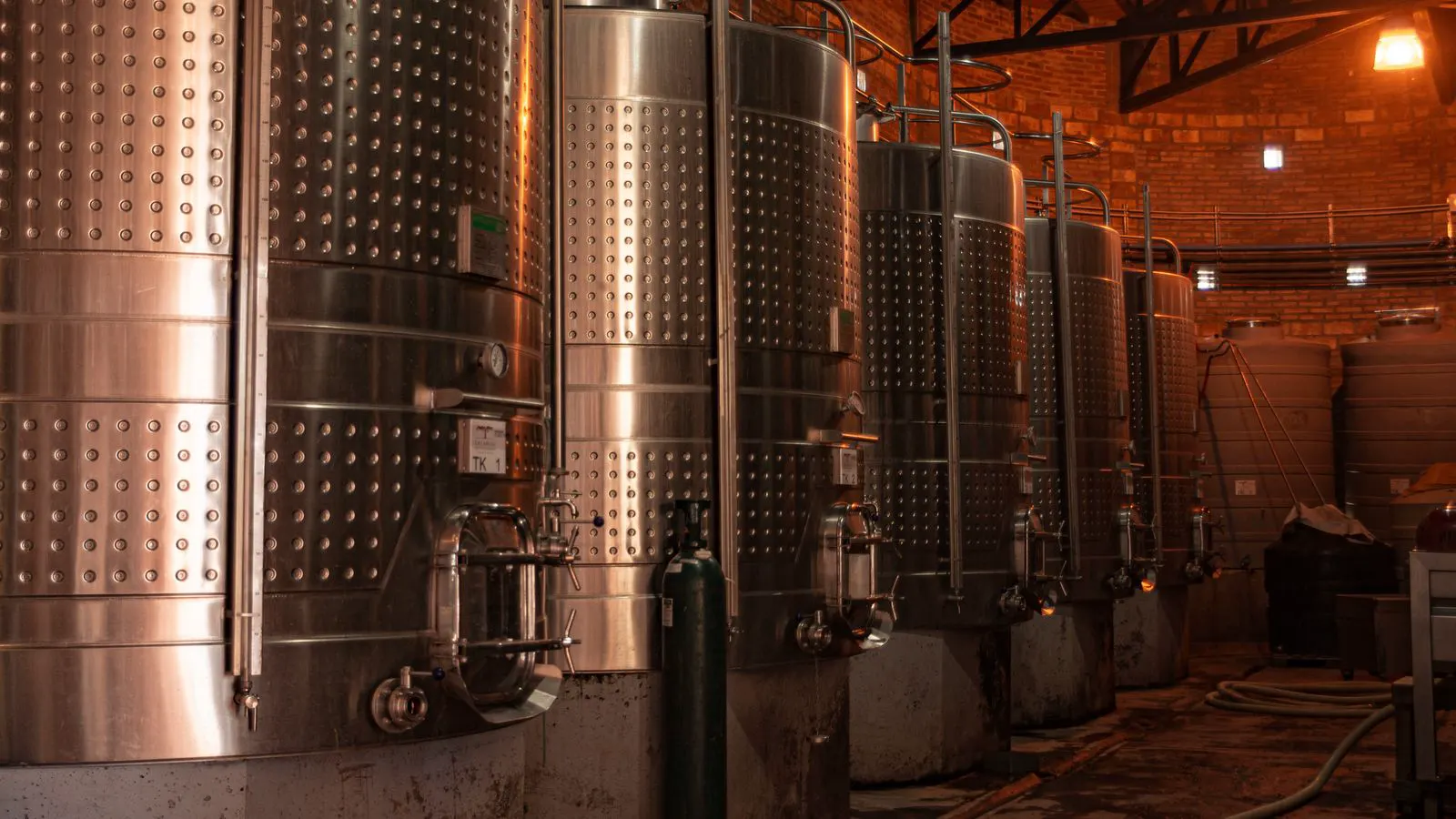
Choose a liquid filling machine by matching product viscosity and fill volume to the right technology. Evaluate container compatibility, washdown needs, and line integration before committing to filling equipment.
- Match the filling technology to viscosity. Low viscosity liquids suit volumetric or piston fillers, while thicker products need pressure-based or rotary valve systems.
- Define the fill volume and tolerance first. The container size and required accuracy drive the selection of the filler head and control system.
- Plan for line integration. The liquid filler must sync with the packaging line, including capping, labeling, and washing stations.
- Verify washdown and material compatibility. Stainless steel construction and proper seals are required for food, beverage, and chemical applications.
- Use a decision checklist to compare options. Evaluate capacity, speed, maintenance, and vendor support before finalizing the purchase.
Start with the product, not the machine
The first and most common mistake is choosing filling equipment based on speed alone. A fast machine is useless if it cannot handle the product safely. The liquid filling machine selection process begins with the liquid itself.
Viscosity is the primary driver. Water-like fluids flow easily. Thick oils, sauces, and creams resist flow and require more pressure to move through a valve. The difference changes the entire design of the filler.
Volume matters just as much. A filler designed for 100 ml bottles operates differently from one built for 5 liter containers. The container shape, opening size, and filling height all affect the head design.
Before looking at specific technologies, write down these facts:
- The exact viscosity of the product, measured in centipoise or by a simple pour test.
- The target fill volume for each container size.
- The required tolerance, such as plus or minus 0.5 ml.
- The container material and opening type.
- The washdown requirements and any sanitization cycles.
- The production rate, measured in units per hour.
This data set forms the baseline for every conversation with a supplier. Without it, the selection process becomes guesswork.
Match the filling technology to the product
Different filling technologies suit different liquids. The right choice depends on the product behavior and the production requirements.
Volumetric filling works well for low viscosity liquids. A pump measures a fixed amount of fluid per stroke. These fillers are simple, reliable, and well suited for water, juice, and light oils. They handle many container shapes but struggle with very thick products.
Piston fillers use a pump that pushes the liquid into the container. They offer better accuracy than basic volumetric units and work with slightly higher viscosities. They are common in the food and beverage sectors for sauces and dressings.
Pressure-based fillers force the liquid through a valve under pressure. This method suits thick products like ketchup, mayonnaise, and high viscosity oils. The pressure helps the product flow through the valve without clogging. The trade-off is that these machines are more complex and require more maintenance.
Rotary valve fillers move through multiple valves in rotation. They are often used in high-speed lines. A rotary filler can handle moderate viscosities and works well when speed and consistency are the priority. They are a standard choice for many beverage and condiment plants.
For very thick or particulate products, special heads or nozzles may be needed. A standard valve will clog. The filler must be designed to handle the specific texture of the liquid.
Evaluate accuracy and tolerance requirements
Accuracy determines the quality of the fill. A slight overfill wastes product. A slight underfill risks legal issues and customer complaints.
The tolerance depends on the product type and the regulatory environment. Food and beverage products usually have stricter limits than industrial chemicals.
The control system affects accuracy. A manual filler is less precise than an automated one. A simple timer-based system may not match a pressure-sensing system for thick liquids.
Check the following:
- The minimum and maximum fill volume the machine can handle.
- The accuracy of the filler head.
- The type of sensor used for level detection.
- The ability to adjust the fill point quickly.
- The calibration process and how often it is required.
A machine that is accurate at 500 ml may not be accurate at 50 ml. The tolerance range must cover all container sizes on the line.
Consider line integration and packaging compatibility
The liquid filler does not work in isolation. It is part of a larger packaging line. The integration points determine the overall efficiency.
The filler must sync with the container feeding and capping stations. If the capping station is slower than the filler, the line stops. If the filler is slower, the capping station waits.
Container compatibility is a frequent problem. A filler designed for cylindrical bottles may not work with square containers or narrow-neck jars. The head must fit the opening size and the container height.
The conveyor system must support the weight of the filled containers. Glass is heavier than PET plastic. The speed of the line affects the conveyor design.
Plan the following integration points:
- The infeed conveyor and container guide.
- The capping or sealing station.
- The labeling and coding station.
- The washdown area.
- The product discharge or palletizing station.
A well-integrated line runs smoothly. A poorly integrated line creates bottlenecks and downtime.
Review washdown, material, and maintenance requirements
The operating environment dictates the material choices. Food, beverage, and pharmaceutical applications require easy-to-clean surfaces.
Stainless steel is the standard for wet cleaning. The gaskets and seals must be food-grade or chemical-compatible. The filler head must be removable for cleaning.
The washdown cycle affects the machine design. A CIP, or Clean-In-Place, system requires specific ports and tubing. A manual washdown allows for simpler designs.
Maintenance intervals depend on the product. Thick products leave residue. The valve seals wear over time. The pump seals need replacement.
Check the following:
- The number of parts that require cleaning per shift.
- The availability of spare seals and gaskets.
- The mean time between maintenance events.
- The service support from the vendor.
- The energy consumption per unit filled.
A machine that is easy to maintain reduces downtime. A machine that requires frequent seal changes increases the cost of ownership.
Use a criteria table to compare options
The criteria table below summarizes the key factors for selecting filling equipment. Use it to compare different machine types and vendors.
| Criterion | What to look for | Why it matters |
|---|---|---|
| Product Viscosity | Head type, valve design, pressure settings | Determines if the liquid flows through the valve without clogging |
| Fill Volume | Minimum and maximum range, accuracy tolerance | Ensures the machine can handle all container sizes on the line |
| Container Shape | Head diameter, guide rails, filler height | Prevents spills and ensures the filler seats properly in the opening |
| Production Speed | Units per hour, cycle time, line sync | Matches the filler to the rest of the packaging line |
| Washdown Method | CIP ports, removable heads, seal material | Reduces cleaning time and meets hygiene standards |
| Control System | Sensor type, calibration ease, HMI interface | Affects accuracy, setup time, and operator training |
This table should be filled out for each shortlisted machine. The scores will highlight the trade-offs between speed, accuracy, and ease of maintenance.
Build a decision checklist
The final step is to verify the selection against a clear checklist. This reduces the risk of buying the wrong machine.
- The product viscosity is within the stated range of the filler head.
- The fill volume and tolerance match the product requirements.
- The container shape and opening fit the filler head design.
- The production rate aligns with the rest of the packaging line.
- The washdown method meets the hygiene and production schedule.
- The control system allows for easy calibration and adjustment.
- Spare parts and maintenance support are available from the vendor.
- The machine footprint fits the floor space and utility connections.
- The safety features comply with local regulations.
- The total cost of ownership, including maintenance, is acceptable.
If any item in this checklist fails, the machine is not the right choice. Do not compromise on these points. The cost of a wrong machine is higher than the cost of a correct one.
The selection process is straightforward when the product data is clear. A liquid filling machine is a tool. It must fit the job. The more specific the product data, the easier the decision. Use the checklist to verify the choice. Then proceed to the next step of the packaging line design.
Frequently asked questions
What is the best liquid filling machine for thick sauces?
Pressure-based or rotary valve fillers are best for thick sauces. The pressure helps the product flow through the valve without clogging.
How do I know if my container is compatible?
Check the opening size, container height, and shape. The filler head must fit the opening and reach the bottom of the container.
Can a volumetric filler handle high viscosity liquids?
No. Volumetric fillers are designed for low viscosity liquids. Thick products will not flow through the pump efficiently.
What is the main difference between a piston filler and a rotary filler?
A piston filler uses a pump to push the liquid. A rotary filler uses rotating valves. Rotary fillers are usually faster but more complex.
How often do I need to calibrate the filler?
Calibration frequency depends on the product and the quality requirements. Most lines calibrate at the start of each shift or after a product change.