Checklist: Matching Machine Capacity to Product Size
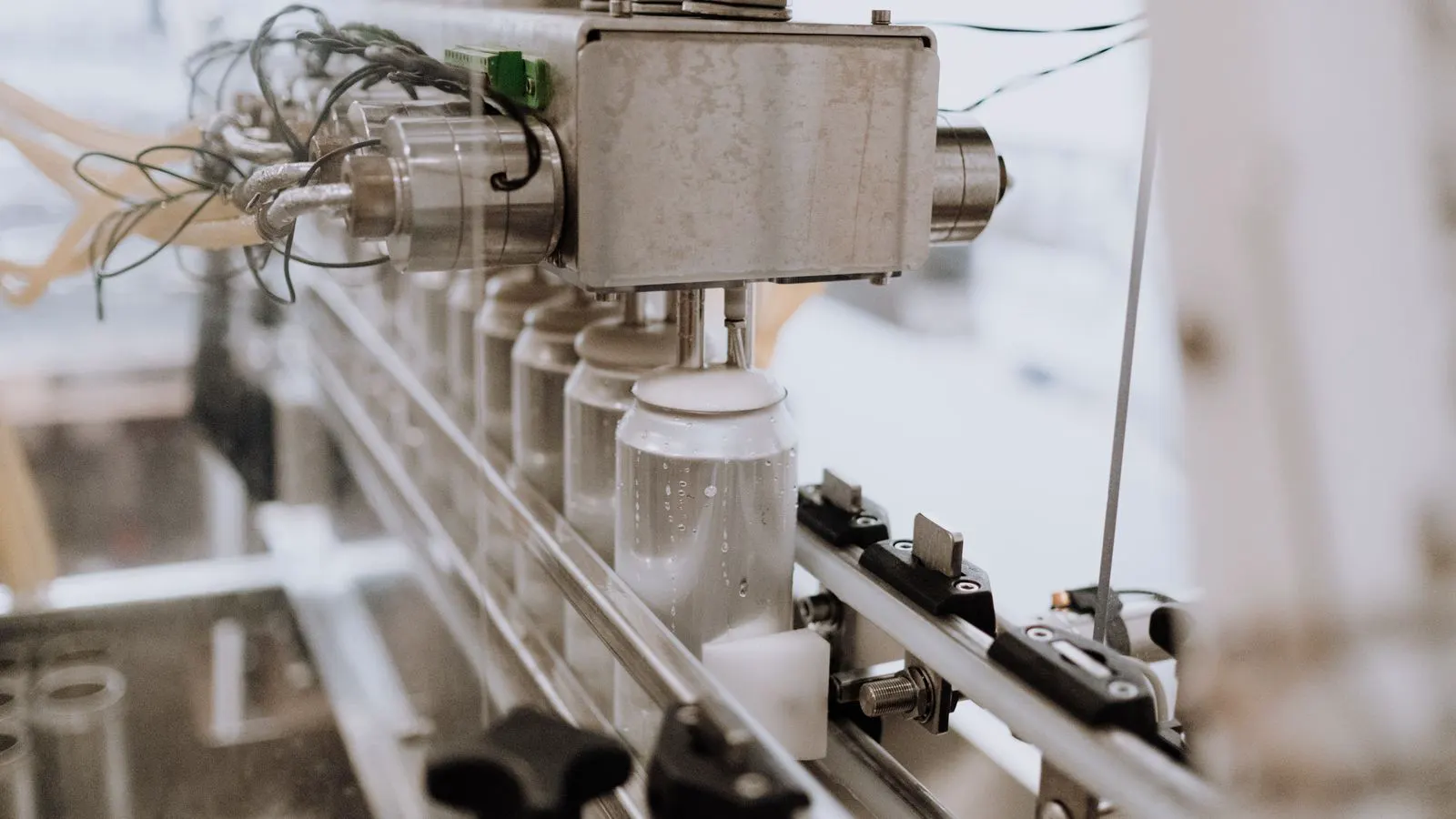
Confirm your packaging machine handles your product by verifying container dimensions, throughput capacity, and line speed. This checklist provides practical verification steps to match equipment capacity to specific product sizes.
- Machine sizing requires matching container dimensions, throughput capacity, and line speed.
- Verify container dimensions against machine maximums before final purchase.
- Calculate required throughput and line speed based on production goals.
- Test product fit with representative samples to identify red flags.
- Document verification results for future reference and maintenance planning.
Why Machine Sizing Verification Matters
Machine sizing is a critical step in packaging equipment selection that prevents costly production bottlenecks. When machine capacity does not align with product dimensions, operators face frequent jams, misfeeds, and reduced throughput capacity. This verification process ensures your selected equipment can handle your specific product size efficiently.
Step 1: Verify Product Dimensions
Start by measuring your product containers across all critical dimensions. Record the length, width, and height of each container type you plan to package. Include any overhangs, labels, or secondary packaging that affects the footprint.
Checklist:
- Measure container length at multiple points to identify maximum width
- Record container width including any protruding features
- Document container height from base to top
- Note any irregular shapes or non-standard geometries
- Include secondary packaging dimensions when applicable
Red Flags:
- Containers that exceed the machine’s maximum footprint by even 5mm
- Irregular shapes that may not seat properly on the machine bed
- Containers with sharp corners that could damage sealing mechanisms
Step 2: Confirm Throughput Capacity
Calculate your required throughput capacity in units per hour based on production targets. Consider peak demand periods and seasonal variations when determining your machine’s required output.
Checklist:
- Determine target units per hour for normal production
- Add 10-15% buffer for peak demand periods
- Account for changeover time between product sizes
- Factor in expected downtime for maintenance
- Verify the machine’s rated throughput matches your requirements
Red Flags:
- Required throughput exceeds the machine’s maximum rated capacity
- Changeover time significantly reduces effective production time
- Buffer time is insufficient for seasonal demand spikes
Step 3: Match Line Speed to Production Goals
Line speed must align with both your throughput capacity and the physical constraints of your product. Faster line speeds increase throughput but may cause product damage or misalignment for certain container types.
Checklist:
- Calculate required line speed based on target throughput
- Verify the machine can operate at your required line speed
- Test line speed with representative product samples
- Monitor for product damage at different speed settings
- Confirm operator accessibility at your selected line speed
Red Flags:
- Products shift or fall off at your target line speed
- Sealing quality degrades as line speed increases
- Operator cannot access the machine safely at required speed
Step 4: Test with Representative Samples
Always test your machine with actual product samples, not just specifications. Representative samples should match your final product in all critical dimensions and materials.
Checklist:
- Prepare 50-100 representative product samples
- Run a test cycle at your target line speed
- Inspect sealed products for quality issues
- Monitor machine performance for 2-4 hours continuously
- Document any jams, misfeeds, or quality defects
Red Flags:
- Sealed products show inconsistent seal quality
- Containers shift or rotate during processing
- Machine requires frequent operator intervention
Step 5: Verify Machine Specifications Against Requirements
Compare your recorded product dimensions and production targets against the machine’s official specifications. Pay attention to maximum container dimensions, rated throughput, and maximum line speed.
Checklist:
- Cross-reference container dimensions with machine maximums
- Confirm rated throughput meets your calculated requirements
- Verify maximum line speed supports your production goals
- Check if the machine offers adjustable settings for your product
- Request written confirmation from the manufacturer
Red Flags:
- Manufacturer cannot provide written confirmation of capacity
- Machine specifications appear to be based on ideal conditions
- Maximum dimensions are close to your product dimensions
Step 6: Consider Future Product Variations
Account for potential changes in product size, shape, or packaging method when verifying machine capacity. A machine that fits your current product may not accommodate future variations.
Checklist:
- Identify planned product size changes within 12-24 months
- Verify the machine can accommodate anticipated variations
- Check if the machine offers adjustable settings for different sizes
- Confirm spare parts availability for different product formats
- Document the machine’s flexibility for future product changes
Red Flags:
- Machine has limited adjustability for product size changes
- Future product variations would require a completely different machine
- Manufacturer cannot provide information about adaptability
Step 7: Document Your Verification Results
Create a comprehensive record of your machine sizing verification for future reference. This documentation helps with maintenance planning, operator training, and equipment upgrades.
Checklist:
- Record all product dimensions and measurements
- Document required throughput and line speed
- Note test results from representative sample runs
- Keep copies of manufacturer specifications and confirmations
- Store the checklist and results in your equipment records
Red Flags:
- No written documentation of verification process
- Test results not retained for future reference
- Specifications not confirmed in writing by manufacturer
Quick Reference: Capacity Verification Table
| Verification Item | Your Requirement | Machine Capability | Status |
|---|---|---|---|
| Container Length | [Enter value] | [Enter value] | [✓/✗] |
| Container Width | [Enter value] | [Enter value] | [✓/✗] |
| Container Height | [Enter value] | [Enter value] | [✓/✗] |
| Required Throughput | [Units/hour] | [Rated capacity] | [✓/✗] |
| Target Line Speed | [Speed unit] | [Max line speed] | [✓/✗] |
| Future Product Fit | [Description] | [Adjustability] | [✓/✗] |
Final Verification Steps
Complete all checklist items before making your final machine selection decision. Machine sizing verification is a practical step that protects your investment and ensures your packaging line operates at its intended capacity. When in doubt, request additional test runs or seek guidance from the manufacturer’s technical team. Proper machine sizing prevents the most common causes of packaging line inefficiency and extends the useful life of your equipment.
Frequently asked questions
How much buffer should I add to my required throughput?
Adding 10-15% buffer to your target throughput accounts for changeover time, maintenance, and seasonal demand variations. This ensures your machine can handle peak periods without becoming a bottleneck.
Can I use machine specifications without testing?
Machine specifications provide a baseline, but testing with representative samples is essential for accurate machine sizing. Specifications often assume ideal conditions that may not match your actual production environment.
What if my product dimensions are close to the machine maximum?
Keep at least 5mm clearance from maximum dimensions to allow for manufacturing tolerances and operator handling. Products too close to maximums increase the risk of jams and misfeeds.
How often should I re-verify machine capacity?
Re-verify machine capacity when introducing new products, changing production targets, or after significant equipment modifications. Regular review ensures your machine continues to meet your throughput capacity needs.
Do line speed and throughput capacity always correlate?
Line speed and throughput capacity are related but not identical. Line speed affects how quickly products move through the machine, while throughput capacity accounts for the entire production process including changeovers and downtime.