Explainer: Hygienic Packaging Design Standards

Hygienic packaging design standards prevent contamination through smooth surfaces, easy cleaning, and low dead space. These rules affect sourcing decisions by defining material choices, joint types, and verification requirements. Buyers should verify design intent against specific cleaning standards before approving equipment.
- Hygienic packaging design uses smooth, sloped, and accessible surfaces to stop product buildup and microbial growth.
- Food grade materials must withstand repeated cleaning cycles and not leach into product.
- Dead space and trapped areas are primary failure points in any packaging line.
- Cleaning standards define how verification is done after design is approved.
- Buyers should inspect joints, seals, and drainage paths during equipment reviews.
What hygienic design means in practice
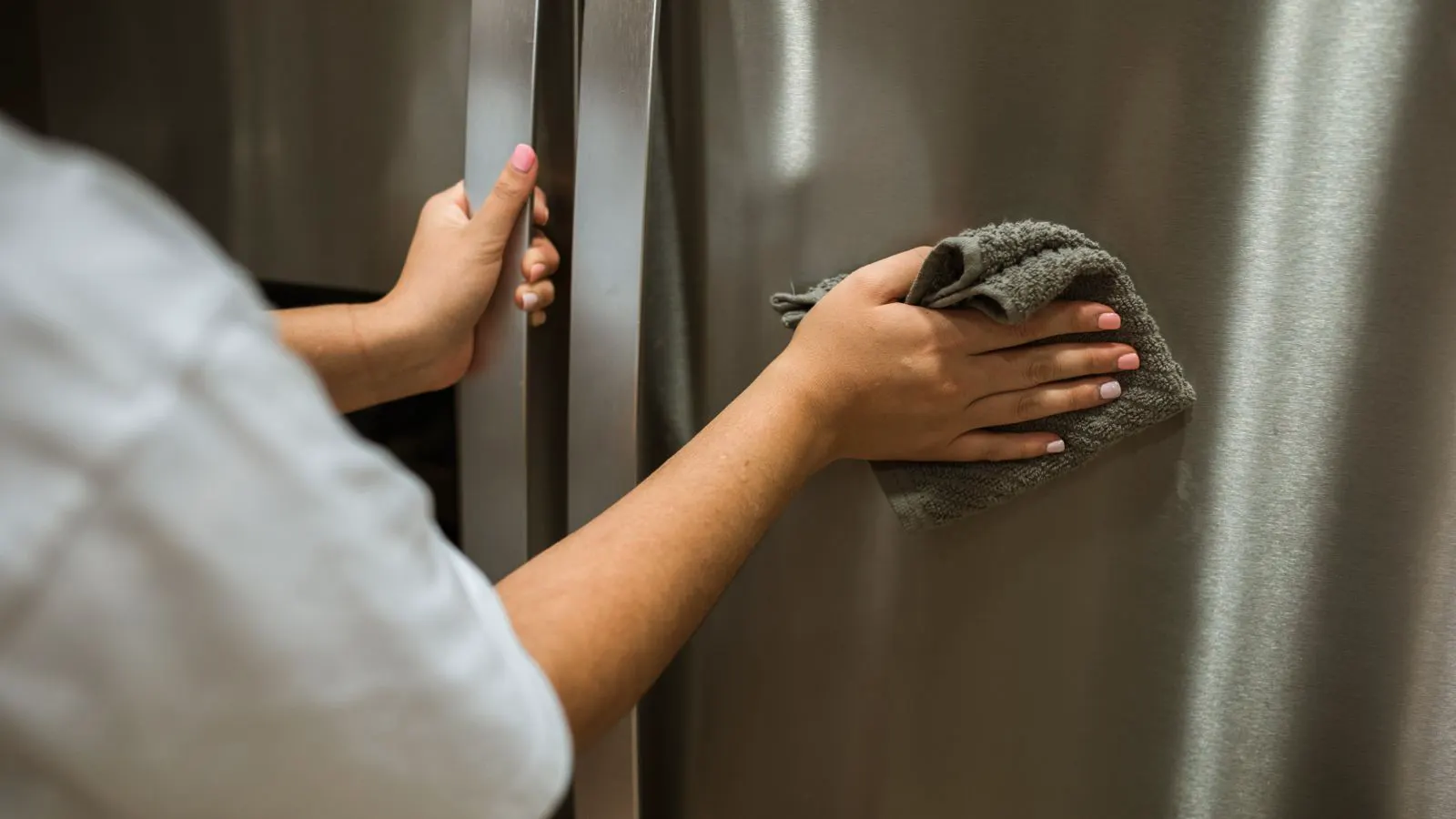
Hygienic packaging design is a set of engineering rules that stop product from sticking, drying, and breeding organisms inside machinery. It applies to fillers, cappers, sealing stations, conveyor transitions, and any part that touches product. The goal is simple. Every surface must be cleanable quickly and thoroughly.
The term covers more than polished steel. It includes how a joint moves, how a drain runs, and how a gasket seals. A machine can use the right material and still fail if a bolt head traps product or a hinge allows liquid to pool.
Buyers often see “hygienic” as a label on a spec sheet. In practice, it is a design intent. The machine must be built so that a trained operator can remove residue without disassembly. That distinction changes sourcing decisions early.
Why contamination control drives every design choice
Contamination starts with residue. If product remains in a crevice, it becomes a nutrient source. Microorganisms grow. Next run, they transfer to product. The machine looks clean but is not.
Hygienic design addresses this at three levels.
- Surface geometry. Sloped panels, rounded corners, and minimal recesses reduce hold-up.
- Access. Every surface must be reachable by a brush, hose, or CIP line.
- Material behavior. Parts must not absorb liquid, shed particles, or corrode during cleaning.
These rules affect what you order. A filler with removable nozzles and open drain paths meets a different standard than one with sealed channels. The price difference often reflects design effort, not just components.
Core principles of hygienic design
The following principles appear in most food and beverage packaging equipment.
| Principle | What it looks like | Common failure point |
|---|---|---|
| Smooth surfaces | No sharp corners or deep grooves | Cracked seals around valves |
| Sloped drainage | Panels angle toward drains | Flat platforms under pumps |
| Minimal dead space | No pockets behind guards or motors | Hoses tucked inside frames |
| Accessible joints | Hinges and flanges open fully | Bolt heads inside product zones |
| Material compatibility | Parts resist cleaning agents | Rubber seals hardening over time |
| Drainage paths | Direct route to floor drain | Blocked channels in conveyor beds |
Dead space is the most common weak point. Even a small recess behind a guard can hold product. Over time, that residue dries and becomes invisible. A CIP cycle may not reach it.
How food grade materials affect sourcing
Food grade design requires parts that stay clean and stable under repeated cleaning. Stainless steel is the default for product contact surfaces. 316L grade handles chlorinated cleaners and higher temperatures better than 304. The choice matters when cleaning cycles are aggressive.
Non-metal parts need more scrutiny. Gaskets, seals, and conveyor belts must not release fibers or absorb liquid. A gasket that shrinks after repeated hot water exposure creates gaps. Product can leak. Microbes can enter.
Buyers should ask for material certificates for every component that touches product. This includes internal parts. A visible steel surface does not prove the internal seals are food safe.
The comparison of stainless steels shows why this matters. 304 handles many food lines well. 316L adds corrosion resistance for harsher cleaning. The decision depends on your cleaning chemicals and temperature range.
What cleaning standards actually require
Cleaning standards define how you prove a machine is clean. They are not just a list of steps. They set pass criteria.
A typical standard requires:
- Visual inspection. Surfaces must show no visible residue.
- Chemical wipe tests. A swab is taken from a representative area and tested for product or biological indicators.
- ATP testing. Light-based swabs measure organic load.
- Documentation. The process is recorded and repeatable.
These checks apply to the whole line, not just the filler. Conveyor transitions, drip trays, and nozzle guards all need verification. If a part cannot be wiped, it cannot be tested.
Buyers often skip this step until after purchase. That is a mistake. The cleaning method must fit the machine design. A machine with deep channels may need a CIP line. A machine with open panels may need manual brushing. The design dictates the method.
How design decisions affect your buying process
When you source packaging machinery, hygienic design is not a footnote. It shapes the entire evaluation.
Start with the product. High viscosity products hold residue differently than thin liquids. A sauce filler needs more open design than a juice filler. Ask the vendor to show how their design handles your specific product.
Next, review the cleaning plan. Ask how each part is cleaned. If a part requires removal, who does it? How long does it take? If the answer is “we do not know,” that is a red flag.
Finally, check the documentation. Vendors should provide a hygienic design statement. This document lists materials, joint types, and cleaning instructions. It should be specific. Generic language is a sign of weak design.
The table below shows how design choices affect sourcing.
| Sourcing Question | What to Look For | Risk if Ignored |
|---|---|---|
| Product contact materials | Certified food safe materials | Contamination and recalls |
| Joint and seal types | Gasketed flanges or welded seams | Leaks and trapped residue |
| Drainage layout | Direct paths to drains | Standing water and microbial growth |
| Access points | Open guards and removable covers | Inability to clean |
| Verification method | Defined testing procedure | No proof of cleanliness |
A worked example in plain words
Imagine a filling machine for a thick spread. The vendor offers a sealed nozzle with a small gap behind the housing. The gap looks minor. During production, product squeezes into that gap. The next day, an operator rinses the nozzle. The gap remains wet. Three days later, the residue dries. The surface looks clean.
The problem is not the material. The steel is food safe. The problem is the geometry. The gap creates dead space. A CIP line cannot reach inside. A brush cannot reach behind the housing. The next batch may carry microbes from the old residue.
The fix is simple. Redesign the nozzle so the gap opens fully. Add a slope so liquid drains. Use a gasket that seals without trapping. The change costs little but removes the failure point. This is the essence of hygienic design. It is not about expensive parts. It is about shape, access, and flow.
How to verify design before purchase
Do not accept a brochure as proof. Request a design review. Ask the vendor to walk through the machine with a cleaning checklist.
Check the following:
- Every surface that touches product.
- Every joint and seal.
- Every drain and drain path.
- Every guard and cover.
- The cleaning procedure for each part.
If a part cannot be cleaned, it should not be in the product path. If a part requires disassembly for routine cleaning, evaluate the labor cost. If a drain is blocked by a frame member, the design fails.
Bring your own cleaning standards to the review. Do not rely on the vendor’s interpretation. Your standard defines the pass criteria. Their machine must meet it.
This review takes time. It is worth it. A machine that fails hygiene testing after installation is expensive to fix. A machine that passes design review costs less in downtime and risk.
Final thoughts on sourcing hygienic equipment
Hygienic packaging design is a discipline. It combines geometry, materials, and process. It is not a single feature. It is the sum of small choices. A smooth corner. An accessible drain. A food safe seal.
Buyers should treat these choices as core requirements. Not optional extras. The machine must be designed for cleaning from the start. Retrofitting is rarely effective.
When you evaluate vendors, ask for evidence. Material certificates. Design statements. Cleaning procedures. If they cannot provide these, the design is likely weak. If they can, you have a foundation for a reliable line.
The goal is not perfection. It is control. Every part must be cleanable. Every surface must be verifiable. Every process must be documented. That is what hygienic packaging design delivers.
Frequently asked questions
What is the main difference between food safe and hygienic design?
Food safe means materials do not contaminate product. Hygienic design means the machine can be cleaned and verified after contact. A material can be food safe but the design can still trap residue.
How do I know if a machine meets cleaning standards?
You verify through a documented cleaning procedure and testing. This includes visual checks, swab tests, and ATP measurements. The standard defines pass criteria for each step.
Can I retrofit hygienic features onto an older machine?
Sometimes. Adding drains or replacing seals may help. But changing geometry is difficult. If dead space is built into the frame, retrofit is limited.
What is the role of dead space in hygienic design?
Dead space traps product and prevents cleaning. It is a primary cause of contamination. Designers minimize it by removing recesses and ensuring access.
How often should I verify hygiene after installation?
Follow your cleaning standard. Typically, verification happens after changeover, after downtime, or after a recall. The frequency depends on your risk assessment and product type.