Explainer: What Is a CIP System in Packaging
A CIP system is an automatic cleaning in place setup that sanitizes packaging equipment without disassembly. It uses controlled hot water, detergents, and rinsing cycles to meet hygiene standards and support fast changeovers.
- A CIP system keeps packaging lines clean without manual disassembly, supporting shorter changeovers and consistent hygiene.
- Cycle design depends on product residue, material compatibility, and audit requirements, so sourcing decisions must match those constraints.
- Validation is not optional. Records, temperature checks, and dwell times are what make a CIP cycle defensible during an audit.
- Dead space, valve design, and drainage flow shape cycle time and cleaning performance as much as the detergent used.
A CIP system is a closed-loop or open-loop cleaning arrangement built around the equipment that contacts product. It runs water, detergent, and rinse cycles through the process lines without taking the machine apart. The goal is simple. Remove residue, prevent microbial growth, and keep the equipment ready for the next fill or changeover.
What a CIP system actually is
The core of a CIP system is not the pump or the controller. It is the loop design. The loop is a set of pipes, valves, and connections that take a controlled cleaning fluid from the tank through the machine and back to the drain. In most packaging plants, this loop feeds the filler, the inlets and outlets, the nozzles, and any wetted surfaces that product touches.
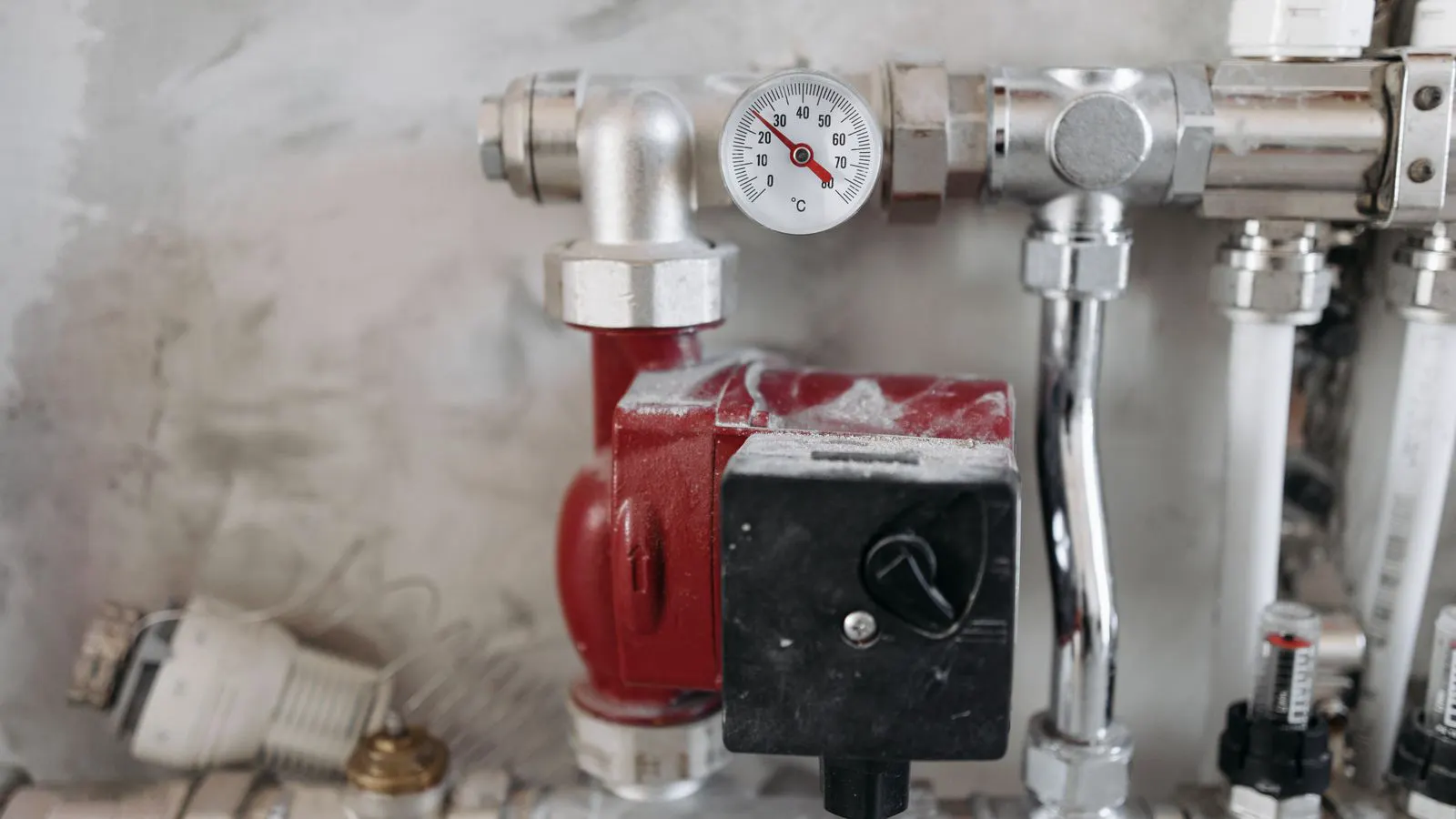
The system usually includes a tank, a pump, a heater, a control valve, and a manifold. The tank holds the cleaning fluid. The pump creates pressure. The heater brings the fluid to the required temperature. The manifold directs the flow to the specific part of the machine being cleaned.
There are two main loop types. A closed loop recirculates the fluid through the machine. This keeps the fluid cleaner for longer and reduces waste, but it requires careful drain management. An open loop sends fluid through the machine and directly to the drain. It is easier to manage but uses more water and detergent.
The choice between closed and open depends on the process. A closed loop is common when the machine has a tight circuit and the residue is low. An open loop is more common when the machine has multiple wetted points or when the fluid becomes dirty quickly.
How a CIP cycle works
A standard CIP cycle is a sequence of steps. The machine is drained first. Then water is flushed through the loop to remove loose product. A detergent stage follows, where the fluid is heated to a set temperature and allowed to dwell. A rinse stage removes the detergent. A final rinse or sanitizer stage prepares the equipment for the next batch.
The order of steps matters. If the machine still has dry product when detergent is introduced, the detergent will not penetrate the residue. A pre-rinse with water softens the product and opens the surface. This is why many plants run a water flush before the first detergent stage.
The dwell time is the time the fluid stays in contact with the wetted surface. A short dwell may look acceptable on the controller, but the fluid may not reach every corner. A long dwell wastes water and can overheat the fluid if the heater is not sized correctly.
The temperature is set based on the material and the product. Hot water improves cleaning efficiency, but it also increases the risk of thermal damage to seals, plastics, or electronic components. The set point must be checked against the machine manufacturer’s limits.
The flow rate controls how quickly the fluid moves through the loop. Too low a flow leaves stagnant zones. Too high a flow can splash or create pressure spikes at the valves. The flow must be enough to flush the loop but low enough to avoid turbulence that traps residue in crevices.
Why CIP matters for packaging hygiene
Packaging hygiene is not just about the last rinse. It is about controlling every contact point between product and equipment. If a filler nozzle dries out between batches, residue builds up. If a drain line holds stale water, microbial growth can restart the next fill. CIP addresses these points by keeping the wetted path clean and dry at the same time.
The hygiene benefit is two part. First, the cleaning removes product residue that would otherwise support microbial growth. Second, the controlled rinse and sanitizer stages reduce the bioburden on the equipment. This lowers the risk of cross-contamination between batches and supports traceability.
Hygiene also affects product quality. Residue left in a line can change the taste, color, or texture of the next batch. It can also cause off-flavors in sensitive products such as water, juice, or dairy. CIP reduces these risks by keeping the equipment in a known, cleaned state.
For buyers, hygiene is a sourcing criterion. A machine that is hard to clean will increase labor, water, and downtime. A machine that is designed for CIP will have smoother changeovers and lower audit risk. The difference shows up in cycle time, maintenance cost, and the number of manual checks needed before each batch.
What to look for when selecting a CIP system
Selecting a CIP system is a set of matching decisions. The system must fit the machine, the product, the plant layout, and the audit requirements.
| Factor | What to check | Practical effect |
|---|---|---|
| Loop type | Closed or open loop, drain design | Affects water use, residue carryover, and cleaning reliability |
| Material compatibility | Stainless steel grade, seals, gaskets | Determines corrosion resistance and service life |
| Flow path design | Dead space, valve placement, drain slope | Controls dwell time and flush effectiveness |
| Control logic | Dwell time, temperature, flow set points | Ensures consistent cycles and audit-ready records |
| Sanitizer stage | Type, concentration, contact time | Affects final bioburden and product contact safety |
| Integration | Existing filler, valves, sensors | Determines retrofit cost and cycle synchronization |
The material choice is a direct trade-off. 304 stainless steel is the standard for many food lines. It is cost effective and resistant to dilute acids. 316L is used where chloride exposure is higher or where the cleaning fluid is more aggressive. The cost difference is not large for the piping, but it becomes meaningful when the system includes valves, nozzles, and seals.
The flow path design is where most CIP problems start. Dead space is any area where fluid does not move freely. It can be a pocket behind a valve, a corner in a manifold, or a short stub pipe that is not drained. Even a small dead space can hold residue and restart microbial growth. When reviewing a machine layout, check the drain points and the slope of the lines. A flat line that does not drain fully will need a longer cycle to reach the same cleaning level.
The control logic must be auditable. The controller should record the start time, end time, temperature, flow rate, and cycle step for each run. If a batch is released based on a CIP cycle, the record should show that the cycle met the set points. A controller that only shows pass or fail is not enough for most audits.
A worked example
Imagine a plant that fills bottled water. The filler uses a multi-head nozzle assembly, and the lines are made of 316L stainless steel. The product is low residue, but the changeover is frequent. The plant runs a closed CIP loop with a pre-rinse, one detergent stage, two rinse stages, and a sanitizer stage.
Before the first batch, the operator starts the cycle. The controller opens the drain valve. Water is flushed for two minutes. The heater brings the water to the set temperature. The detergent stage runs for a fixed dwell time. The first rinse removes the detergent. The second rinse removes the remaining fluid. The sanitizer stage runs for the required contact time. The final rinse removes the sanitizer.
The cycle ends. The controller logs the run. The next batch is released.
If the drain valve sticks, the drain time extends. If the heater overshoots the set point, the seals may age faster. If the sanitizer concentration is low, the bioburden check will show a failure. Each of these points is a control point. The plant does not need to guess. It needs a record.
The example shows how the system works in practice. The same logic applies to a juice line or a dairy filler, but the set points and materials change. Juice lines need a longer detergent dwell because the sugar residue is sticky. Dairy lines need a sanitizer stage that is compatible with the product and the next batch. The core principle is the same. Control the fluid, control the contact, and record the result.
Common mistakes that weaken a CIP system
The most common mistake is treating CIP as a single step. It is a sequence. If one step is skipped, the next step does not fix the problem. A short pre-rinse leaves dry product on the nozzle. A short dwell leaves detergent in the lines. A weak final rinse leaves sanitizer residue that will affect the next batch.
Another mistake is ignoring the drain. A machine that does not drain fully will hold water. That water becomes the starting point for the next cycle. The next cycle must remove old water first. This extends the cycle and reduces the effective cleaning time.
A third mistake is assuming the detergent does the work. Detergent helps, but it is not a substitute for flow and temperature. If the fluid does not reach the surface, the detergent cannot work. If the temperature is too low, the residue will not break down. The cycle must be designed for the surface it is cleaning.
A fourth mistake is not validating the cycle. A CIP cycle that passes the controller is not the same as a CIP cycle that passes an audit. Validation requires a defined procedure, a defined set of checks, and a defined record. If the procedure changes, the validation must change with it.
How CIP fits the wider packaging hygiene picture
A CIP system is one part of the hygiene plan. It works alongside machine design, operator training, and routine maintenance. The machine design determines how much residue can build up. The operator determines how the cycle is started and stopped. Maintenance determines whether the valves, seals, and pumps keep working.
The machine design is the foundation. A hygienic design has no dead space, no crevices where product can stick, and a surface that is easy to clean. The CIP system makes that design work. Without it, the design is only a potential.
Operator training is the second part. An operator who does not understand the cycle will start it too early, stop it too late, or ignore an alarm. The training should cover the sequence, the set points, and the meaning of each alarm. It should also cover the records. The operator is the person who starts the record.
Maintenance is the third part. A CIP system is a set of mechanical parts. Pumps wear. Seals crack. Valves stick. The maintenance schedule must include the CIP components. A worn seal will leak. A stuck valve will change the flow. A failed pump will stop the cycle. The maintenance record is part of the hygiene record.
Final checks before relying on a CIP system
Before a CIP system is treated as a reliable part of the hygiene plan, a few checks are needed. The first check is the loop design. The flow path must be reviewed to confirm that there are no dead spaces and that the drain is adequate. The second check is the material compatibility. The pipes, valves, and seals must match the cleaning fluid and the product. The third check is the control logic. The set points must be correct, and the record must be complete.
The fourth check is the validation. The cycle must be tested against a defined procedure. The test should include a residue check and a bioburden check. The result should be recorded. If the cycle fails, the procedure must be revised. If it passes, the cycle is ready for production.
These checks are not one time events. They are repeated when the machine changes, when the product changes, or when the cleaning fluid changes. A CIP system is a living process. It must be reviewed and updated as the plant changes.
The goal is not to run the longest cycle. The goal is to run the right cycle. A short cycle that works is better than a long cycle that does not. The best CIP system is the one that matches the machine, the product, and the audit requirements, and that leaves a clear record of every run.
Frequently asked questions
Does every packaging machine need a CIP system?
No. The need depends on the product and the machine. Machines that contact wet product and run frequent batches usually need one. Machines that handle dry product or run infrequent batches may use manual cleaning, but the risk of cross-contamination is higher.
Can a CIP system be added to an existing filler?
Yes. Most fillers can be retrofitted with a CIP loop. The retrofit requires new piping, a manifold, a pump, and a controller. The cost depends on the complexity of the machine and the existing layout.
What is the difference between a closed loop and an open loop CIP system?
A closed loop recirculates the cleaning fluid through the machine. An open loop sends the fluid directly to the drain. Closed loops use less water but require careful drain management. Open loops are simpler but use more fluid.
How do I know if my CIP cycle is valid?
A valid cycle has a defined procedure, a defined set of checks, and a complete record. The procedure must be tested against a residue check and a bioburden check. The record must show that the cycle met the set points.
What materials are used in a CIP system?
Stainless steel is the standard material for pipes and valves. 304 is common for most food lines. 316L is used where chloride exposure is higher. Seals and gaskets must be compatible with the cleaning fluid and the sanitizer.