Troubleshooting High Utility Bills in Packaging
High utility bills often stem from hidden leaks, idle equipment, or oversized components. This guide helps operations managers diagnose energy waste, adjust compressor load, and apply practical fixes to lower OPEX and improve packaging line efficiency.
- Track baseline power data before making changes so you can measure savings accurately.
- Fix air compressor leaks and set proper load controls to cut the largest variable costs.
- Audit idle time on conveyors, sealers, and case packers to eliminate wasted energy.
- Review variable frequency drives and insulation to reduce heat and power losses.
Rising utility bills often point to hidden energy waste inside a packaging plant. Many operations teams assume the cost comes from a single expensive machine, but the real driver is usually a mix of small losses that add up over a shift. This guide walks through the most common symptoms, likely causes, and practical fixes that reduce OPEX.
Why Do Utility Bills Jump Without a Production Change?
Power draw in a packaging plant is rarely a single line item. It includes compressors, motors, conveyors, heat sources, and lighting. When output stays flat but the meter climbs, something is drawing power without producing value. The most common triggers are air leaks, idle equipment, and misadjusted controls.
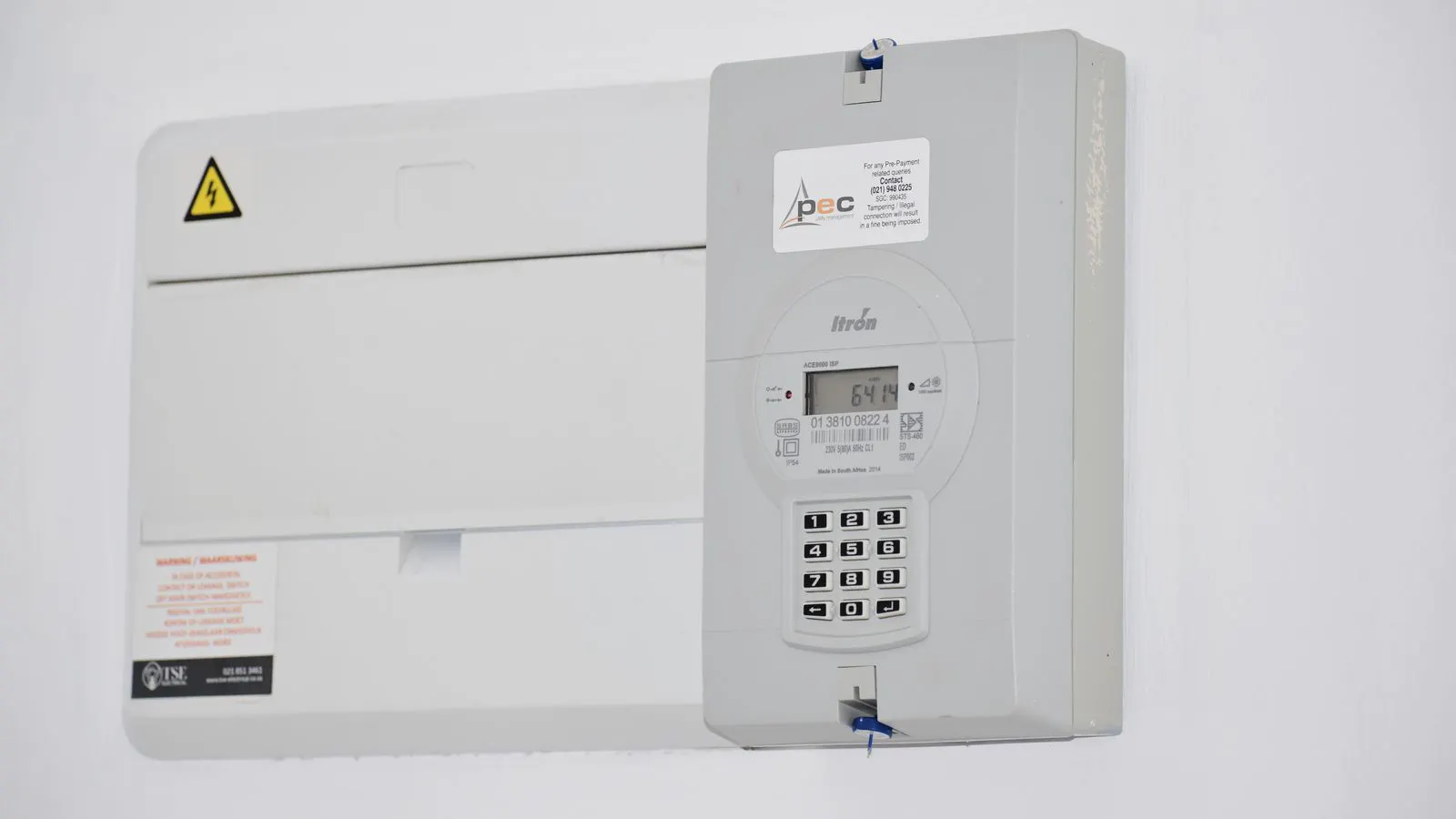
Start with the meter. Pull data for the last three full production cycles. Compare peak and off-peak loads. If the off-peak load is too high, idle machines are likely staying energized. If peak load is spiking, a specific component is drawing more than expected. This baseline gives you a target to beat when you fix issues.
How Do You Find the Biggest Energy Leaks?
The fastest way to find losses is to walk the line and check for obvious signs. Listen for hissing air. Look for oil stains near fittings. Check whether motors run hot to the touch. These clues usually point to the largest waste sources.
Air compressors are the usual suspect. They consume a large share of plant power. A small leak at a fitting can force the compressor to run longer to maintain pressure. That extra run time shows up directly on the bill. Check every hose, valve, and coupler on the line. A simple soapy water test reveals small leaks that are invisible to the eye.
Troubleshooting Table: Symptoms, Causes, and Fixes
| Symptom | Likely cause | What to do |
|---|---|---|
| Compressor runs continuously even when no machines are active | Leaks in air lines or valves | Inspect fittings, replace worn seals, adjust pressure settings |
| High energy use during short production batches | Machines stay energized between runs | Install automatic shutoffs or schedule idle power reduction |
| Motors draw higher current than rated | Worn bearings, misalignment, or poor ventilation | Clean air filters, check alignment, replace worn parts |
| Heat sources run longer than needed | Poor insulation or incorrect setpoints | Add insulation, recalibrate thermostats, check door seals |
| Power spikes during startup | Undersized variable frequency drives or simultaneous startup | Stagger machine start times, upgrade VFDs, review power supply |
| Unexplained high baseline load | Lighting, HVAC, or control cabinets staying on | Turn off non-essential loads, use motion sensors, check cabinet fans |
How Can You Reduce Compressor Load?
Compressor load is one of the easiest places to cut costs. The compressor should only run when the line needs air. If it runs all the time, the plant is paying for air that is not being used.
First, set the correct pressure. Many operators run compressors at higher pressure than the machines need. Lowering the setpoint by even a small amount can reduce run time. Check the pressure requirements for each sealer, palletizer, or case packer. Adjust the unloader pressure to match the highest demand, not the highest possible value.
Next, manage the tank. A compressor that cycles on and off too frequently wears the motor and wastes energy. If the tank is too small for the line, the compressor runs more often. If the tank is too large, air cools and loses pressure, which also causes extra cycling. Review the tank size and the unloading pressure together.
Finally, schedule maintenance. A compressor with a dirty intake filter or a worn valve draws more power. Clean filters on a fixed schedule and inspect valves during annual maintenance. This keeps the unit efficient and prevents small issues from becoming large energy drains.
What to Do About Idle Equipment
Idle equipment is a silent cost. If a conveyor runs while the operator waits for material, the motor draws power for no output. If a sealer stays hot during a break, the heating element uses energy without producing cases.
Create a shutdown procedure for each machine. Define exactly what happens when the line stops. Turn off conveyors. Close valves. Power down heaters. Use clear labels or color-coded switches so operators know which equipment should be off.
Train the team on the cost. Show them the meter data. When operators see that leaving a machine on for ten minutes adds to the monthly bill, they become part of the fix. A simple sign at each station with the estimated cost per hour of idle time helps drive the habit.
Review the schedule. If a line runs in short, irregular batches, it may be better to consolidate runs. Fewer startups mean less energy wasted on ramping up. Fewer stops mean less idle time. Look at the order book and see if production can be grouped to reduce transitions.
How Do You Measure the ROI of Energy Fixes?
Before you buy new equipment, calculate the savings you expect. Use the meter data from your baseline period. Estimate the power saved by each fix. Multiply that by the electricity rate and the number of operating hours per year.
For example, if a compressor leak saves half a kilowatt over a ten-hour shift, and you run 2,000 shifts a year, the annual energy savings are a specific number you can compare to the cost of the repair. This is the same logic used in evaluating machine payback periods. The goal is to know exactly how much money each fix puts back into the operation.
Track the results after the fix. Pull the meter data again after one month. Compare it to the baseline. If the savings match your estimate, the fix worked. If not, look for other leaks or adjust the controls. This cycle of measure, fix, and verify is how you keep costs under control.
Prevention Tips to Keep Bills Low
Prevention is cheaper than repair. Build these habits into daily operations.
- Run a weekly walk-through of the line. Check for leaks, hot spots, and abnormal noise.
- Keep a log of power readings. Update it after any maintenance or machine change.
- Clean filters and vents on a fixed schedule. Dust reduces efficiency and increases motor load.
- Train operators on energy costs. Make them aware of the impact of idle time.
- Review the energy plan quarterly. As production changes, so do the energy needs.
Do not wait for the bill to surprise you. A small leak today becomes a large cost next quarter. A small fix today saves money and protects the equipment.
When Should You Upgrade Equipment?
Sometimes the fastest way to cut energy costs is to replace an old machine. If a motor is more than ten years old, it may use significantly more power than a modern unit. If a compressor is worn out, repairing it may cost more than buying a new one.
Compare the cost of the upgrade to the savings you expect. Use the same method you used for the baseline. Calculate the annual savings and divide the purchase price by that number to get the payback period. If the payback period is short, the upgrade is a strong candidate. If it is long, look for other fixes first.
Check the power supply before buying. A new machine may need a different voltage or current. Make sure your electrical panel can handle the load. A poorly sized supply can cause voltage drops that reduce efficiency and damage equipment.
What Are the Common Mistakes to Avoid?
The most common mistake is guessing. Many teams assume a machine is wasting energy without checking the data. Start with the meter. Let the numbers tell you where the problem is.
Another mistake is fixing only the obvious leak. The hissing fitting gets attention, but the compressor keeps running because of a small leak elsewhere. Check the entire system. A single fix may not be enough.
Finally, do not ignore the human side. If operators do not understand why energy matters, they will not follow the shutdown procedure. Explain the cost in plain terms. Show them the savings. Make energy management part of their daily routine.
High utility bills are rarely a mystery. They are usually a collection of small losses that add up over time. Identify the leaks, fix the controls, and measure the results. The savings will show up on the next bill, and the equipment will run more smoothly.
Frequently asked questions
How do I know if my compressor is wasting energy?
Check the run time and the pressure. If the compressor runs constantly or cycles too quickly, it is likely working against leaks or an incorrect setpoint.
What is the cheapest fix for high utility bills?
Fixing air leaks is usually the cheapest. It requires little material and can save a significant amount of power without any capital investment.
Can idle equipment really add to my bill?
Yes. Motors, heaters, and conveyors draw power even when they are not producing output. Turning them off during stops can save a noticeable amount of energy.
How often should I check the power data?
Check it monthly to spot trends and after any major change to the line. A weekly check is useful if you are actively trying to reduce costs.
Should I upgrade old machines to save energy?
Only if the payback period makes sense. Calculate the savings and compare them to the cost. A short payback period suggests the upgrade is worth it.