Checklist: Validating Utility Costs for New Machinery
This checklist provides a step-by-step process to verify utility costs before buying packaging machinery. It covers metering, load profiles, and water consumption to prevent budget overruns and ensure accurate return on investment calculations.
- Verify utility costs with actual meter readings, not just manufacturer claims.
- Check water consumption separately from energy to capture hidden operating costs.
- Use load profiles and duty cycles to estimate real annual usage.
- Document findings in a standardized format for finance and engineering teams.
- Watch for red flags like missing metering data or unexplained utility spikes.
Why Verify Utility Costs Before Purchase
Utility costs form a significant portion of the operating budget for most packaging lines. A machine may present an attractive purchase price, yet the total cost of ownership rises sharply when energy and water consumption exceed the initial assumptions. This checklist guides you through verifying those costs before you sign a contract.
Buyers frequently depend on manufacturer specifications. Those documents are useful, but they rarely reflect your specific plant conditions. Line speed, product geometry, ambient temperature, and shift patterns all alter actual usage. Verifying utility costs early gives you a realistic picture of the machine’s impact on your budget.
Section 1: Gather Baseline Data
Start with your current utility data. Pull the last three to six months of electricity and water bills for the exact area where the machine will operate. Note the rate for each utility. These rates vary by region, by time of day, and by whether the facility is on a fixed or variable rate.
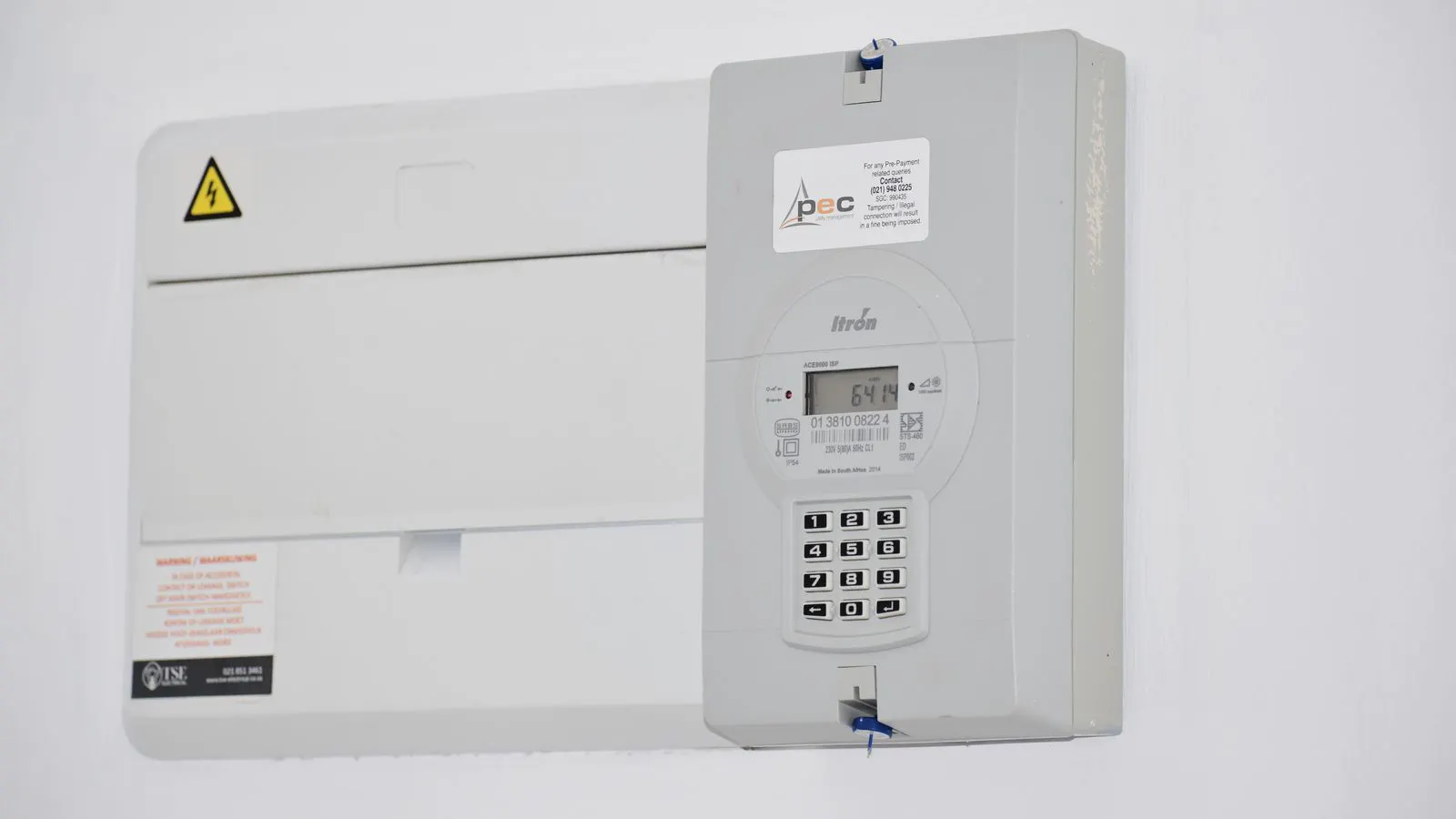
Check if your plant has sub-metering. If you do not have sub-meters, you need a method to measure the new machine’s usage separately. Without sub-metering, you cannot isolate the machine’s utility cost from the rest of the facility. In many plants, the main meter shows total consumption, which includes lighting, HVAC, and other equipment.
Checklist: Baseline Data
- Collect utility bills: Gather at least three months of electricity and water bills for the installation area.
- Record utility rates: Note the cost per kilowatt-hour for electricity and the cost per cubic meter for water.
- Check sub-metering: Confirm if the plant has individual meters for each machine or area.
- Note ambient conditions: Record average summer and winter temperatures for the facility.
- Log line speed: Document the expected production speed and operating hours per shift.
Section 2: Verify Manufacturer Specifications
Request the machine’s technical data sheet. Look for the rated power consumption in kilowatts. This tells you the maximum power the machine draws under full load. It does not tell you the average power. Rated power is often determined by the largest motor or heating element on the line.
Ask for the energy consumption per cycle or per hour. A machine that uses 15 kilowatts for one second per cycle and 15 kilowatts for six seconds per cycle has very different energy profiles. Get the duty cycle or the average power consumption over a full production run. If the seller only provides peak power, ask for the average power during a standard operating cycle.
Checklist: Manufacturer Specifications
- Request technical data sheet: Ask for the complete specification sheet from the seller.
- Note rated power: Record the maximum power rating in kilowatts.
- Get average consumption: Ask for average power consumption in kilowatts under normal operation.
- Check energy per unit: Request energy use per product or per cycle, if available.
- Verify water usage: Ask for water consumption per liter or per hour.
Section 3: Check Energy Load Profile
The load profile shows how power demand changes over time. A constant load is easy to estimate. A pulsed load is harder. Many packaging machines have high-power motors that start and stop. The in-fill, sealing, and ejection phases can draw significantly more power than the idle state.
Ask the seller for a power curve. This graph shows power consumption over a production cycle. If they cannot provide one, request a test run. A test run lets you measure the actual power draw with a power analyzer. You can also ask for data from a similar machine installed at another site, provided the operating conditions are comparable.
Checklist: Energy Load Profile
- Request power curve: Ask for a graph of power consumption over one full cycle.
- Identify peak demand: Note the maximum power draw during startup or high-speed operation.
- Measure average draw: Use a power analyzer to measure average power over 30 to 60 minutes.
- Check for idle power: Measure power draw when the machine is on but not running.
- Compare to spec: Compare your measured average to the manufacturer’s claim.
Section 4: Verify Water Consumption
Water usage is often overlooked in initial cost models. Some machines use water for cooling, cleaning, or product contact. Even small amounts add up over time, especially if the machine runs multiple shifts per day.
Check the water treatment requirements. If the machine uses compressed air or steam, factor in the energy cost of producing those utilities. Compressed air is energy-intensive because compressors convert electrical power into pressure, with significant losses. Steam uses heat, which may come from a boiler or an electric heater. Both add to the total operating cost.
Also consider the water quality. Some machines require deionized water for cooling loops or product washing. If you need to treat the water, the cost of the chemicals and the energy for treatment must be included in the calculation.
Checklist: Water and Fluid Consumption
- List water sources: Identify where water enters the machine (cooling, washing, product).
- Measure flow rate: Use a flow meter to measure water use during a test run.
- Check for recirculation: Determine if water is reused or discharged.
- Assess steam usage: Calculate steam consumption if the machine uses steam for heating or sterilization.
- Check air consumption: Measure compressed air use, as air compressors consume significant energy.
Section 5: Calculate Annual Utility Cost
Use the verified data to calculate the annual utility cost. Multiply the average power consumption in kilowatts by the operating hours per year. This gives you kilowatt-hours. Multiply by the electricity rate to get the annual electricity cost.
Do the same for water. Multiply the flow rate in liters per hour by operating hours. Convert to cubic meters if needed. Multiply by the water rate. Add the two numbers for the total annual utility cost.
If the machine uses steam or compressed air, calculate the energy cost for those utilities separately. For compressed air, measure the free air delivery in cubic meters per hour and multiply by the cost of electricity per cubic meter. For steam, measure the mass flow rate in kilograms per hour and multiply by the cost of the fuel or electricity used to generate the steam.
Table: Annual Utility Cost Calculation
| Parameter | Unit | Example Value | Calculation |
|---|---|---|---|
| Average Power | kW | 8.5 | 8.5 kW x 4,000 hours |
| Operating Hours | hours | 4,000 | 34,000 kWh |
| Electricity Rate | $/kWh | 0.12 | 34,000 x 0.12 |
| Annual Electricity | $ | $4,080 | |
| Water Flow | L/h | 50 | 50 L/h x 4,000 hours |
| Water Rate | $/m³ | 2.50 | 200 m³ x 2.50 |
| Annual Water | $ | $500 | |
| Total Utility Cost | $ | $4,580 |
Section 6: Identify Red Flags
Some signs suggest the utility cost estimate is off. A large gap between rated power and average power can indicate a pulsed load. If the average is close to the rated power, the machine may be running at high load for most of the cycle. This can strain the electrical panel and increase the cost of demand charges.
Another red flag is missing metering data. If the seller cannot provide a power curve or test run data, ask why. A lack of transparency can hide high energy consumption. In some cases, sellers may only provide the nameplate rating, which is the maximum possible draw, not the typical operating draw.
Also check for unexplained water usage. If the machine uses a lot of water for a simple packaging task, investigate the design. Excessive water use can mean poor design or a need for frequent cleaning. Look for leaks in the cooling loop or in the product wash system.
Checklist: Red Flags
- No power curve: The seller cannot provide a power consumption graph.
- High average power: Average power is close to rated power.
- Missing metering: No sub-meter or test run data available.
- High water use: Water consumption is higher than similar machines.
- No steam or air data: The seller does not disclose steam or compressed air usage.
Section 7: Document and Validate
Write up your findings in a clear format. Include the meter readings, the power curve, the water flow rate, and the calculated annual cost. Share this with your finance team. They need to see the numbers to approve the purchase.
Have a second engineer review the calculations. A fresh set of eyes can catch errors. If the numbers look good, move to the next stage. If they do not, ask the seller for improvements or consider a different machine.
Validating utility costs is not a one-time check. Revisit the numbers after the machine is installed. Compare actual usage to your estimate. Adjust your budget if needed. This keeps your operating cost under control and your return on investment realistic.
Frequently asked questions
How do I measure utility costs for a new machine?
Use sub-meters or a power analyzer to measure electricity and water usage during a test run. Compare the results to the manufacturer's specifications.
What is the difference between rated power and average power?
Rated power is the maximum power draw. Average power is the typical power draw over time. Average power determines actual energy consumption.
Should I include water and air in the utility cost?
Yes. Water, steam, and compressed air are utilities that add to operating cost. Include them in your annual utility cost calculation.
How often should I verify utility costs?
Verify before purchase and after installation. Revisit annually to compare actual usage to your estimate and adjust your budget.
What if the seller cannot provide a power curve?
Request a test run with your own power analyzer. If the seller refuses, treat it as a red flag and consider other options.