Comparison: Manual vs Automated Sanitary Cleaning
Automated CIP systems usually win on consistency and labor costs for high-speed lines. Manual washing suits low volume or small batches. The best choice depends on line speed, product type, and dead space complexity.
- Automated CIP systems reduce labor costs and improve consistency on high-speed lines.
- Manual cleaning remains practical for low-volume batches or lines with complex dead space.
- An easy clean depends on design first. Hygienic packaging design standards matter before cleaning method matters.
- Track labor costs and cleaning cycles to find the break-even point for automation.
Which cleaning method fits your line speed
Manual washing and automated CIP systems handle food and beverage packaging lines differently. The choice is not just about cleaning speed. It is about how the line is designed, what product it runs, and how often the team changes over.
A filler running 20,000 units an hour with a viscous syrup needs a different cleaning strategy than a manual tray packer running 400 units an hour. The first line cannot stop for a long manual wash during the day. The second line can.
The main question for most buyers is whether an easy clean is achievable without adding a second shift just to scrub the line.
How manual cleaning works on a line
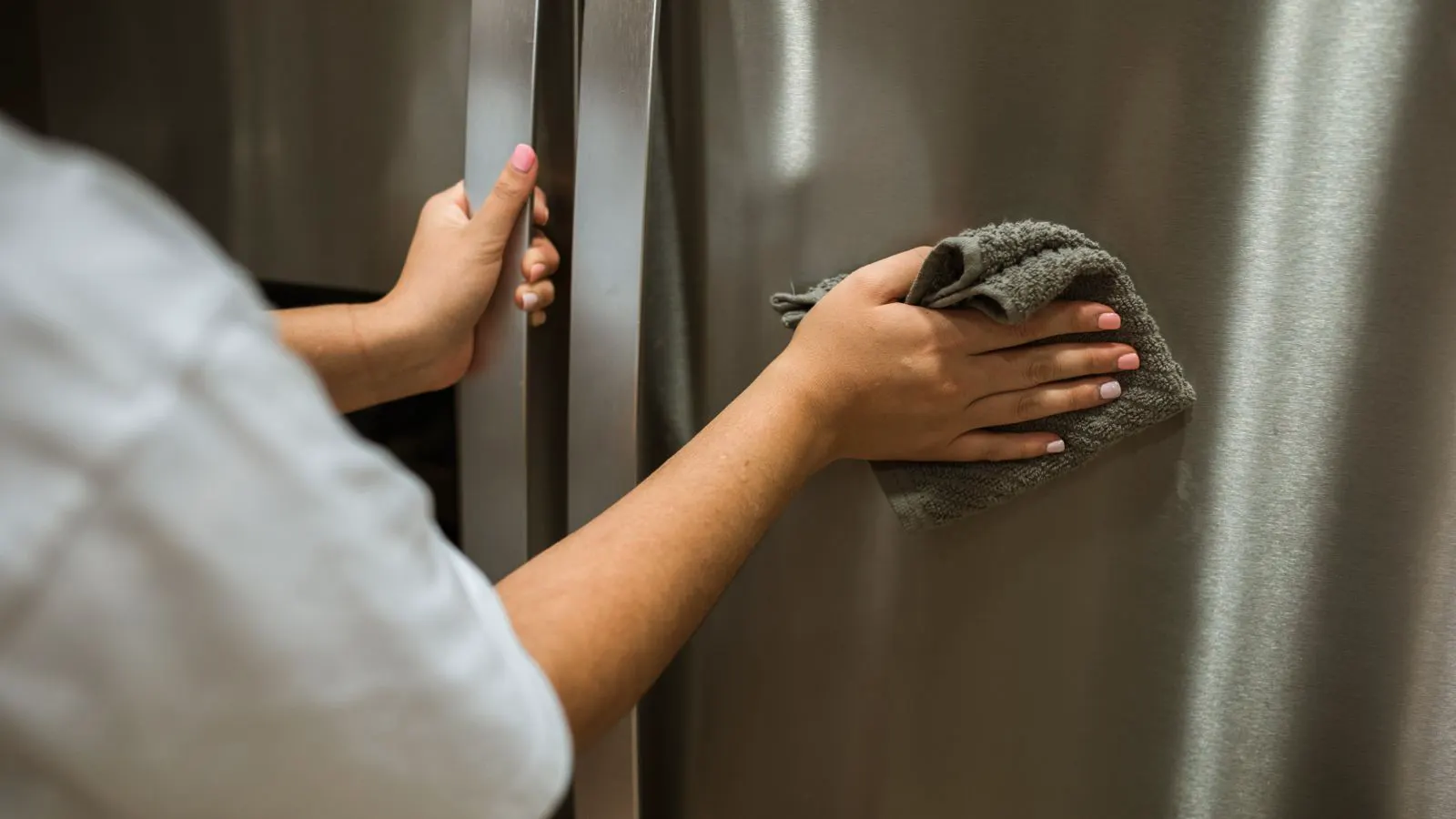
Manual cleaning uses a combination of physical and chemical methods. The operator disassembles removable parts, rinses them, applies detergent or alkaline solution, scrubs with brushes or cloths, and rinses with clean water. Some lines use hot water jets or steam from a portable wand. Others use a washdown hose and mop on the floor area.
This method is flexible. If a nozzle clogs with dried paste, an operator can open it, soak it, and clear it with a pick. A CIP system may need a higher pressure or a chemical flush to do the same job.
The trade-off is labor. Manual cleaning requires trained hands. It is slow, and the result depends on the person doing it. One operator may miss a small dead leg. Another may scrub the same area twice and still leave residue in a gasket.
For low volume lines, this is acceptable. The cleaning time fits into a short shift. The cost is contained.
How automated CIP systems work
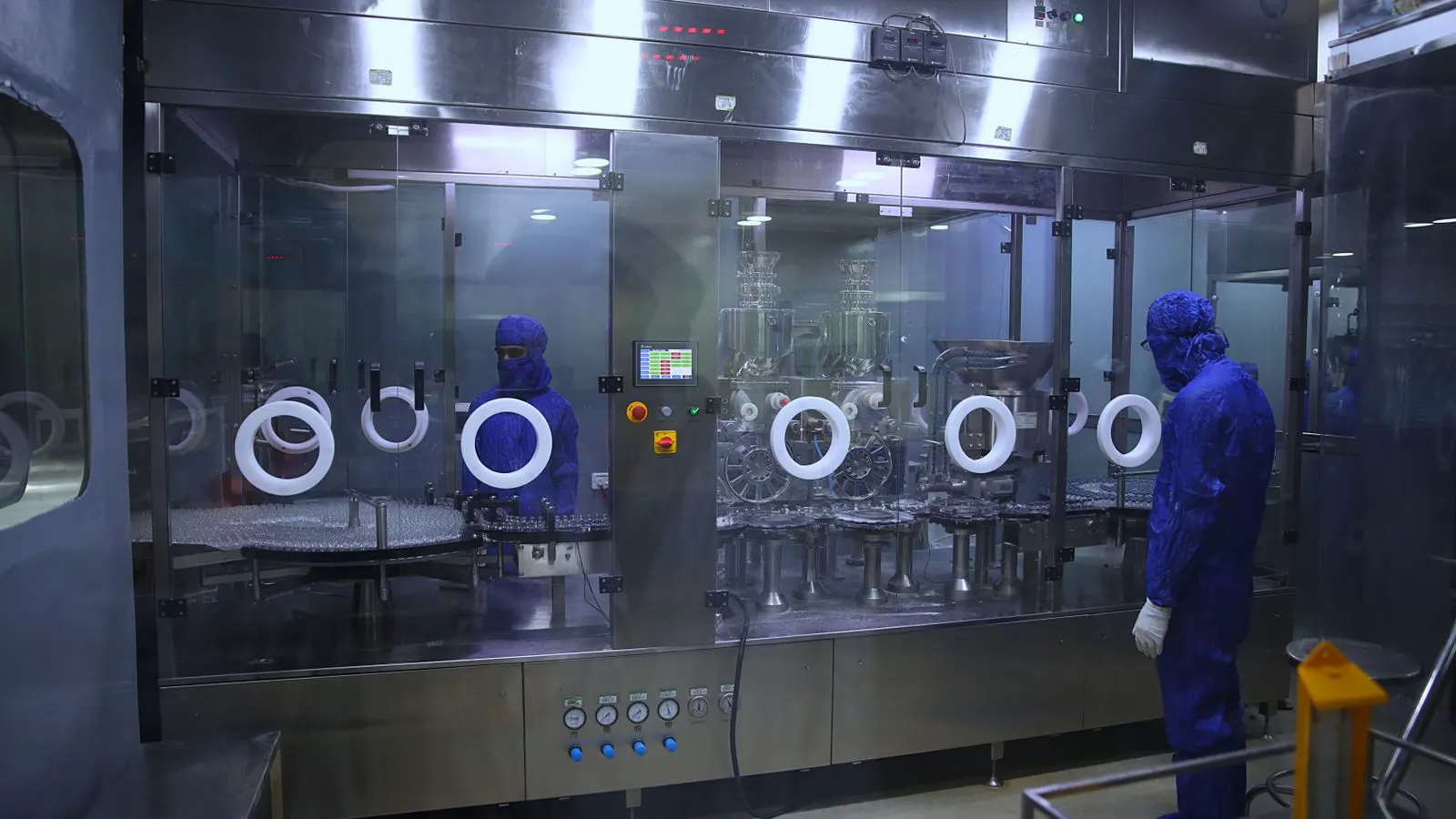
CIP systems clean equipment in place. Nozzles mounted on the machine direct clean water, detergent, and rinse water over the product contact surface. A pump moves the fluid. A controller runs the cycle.
A typical cycle has several stages. First, a rinse removes loose product. Then a detergent flush breaks down residue. A hot water rinse removes the detergent. A final rinse leaves the line ready for the next batch. Some systems add a sanitizer flush. Others leave sanitization to a separate step.
The benefit is consistency. The same nozzle pattern hits the same surface every time. The same temperature and pressure apply across the shift. The operator starts the cycle and does not scrub.
The cost is higher. CIP systems require installation, plumbing, chemical storage, and maintenance. They also require the machine to be designed for in-place cleaning. If the layout has blind spots, the CIP system will not fix them.
Comparison of manual versus automated cleaning
| Option | Best for | Limitations |
|---|---|---|
| Manual washing | Low volume lines, small batches, frequent format changes | Labor intensive, variable quality, slow cycle time |
| CIP system | High speed lines, viscous products, frequent batch changes | Higher capital cost, requires hygienic design, needs chemical storage |
| Steam or hot water wand | Small equipment, quick spot cleaning | Not a full process, uneven coverage, labor dependent |
| Combined approach | Mixed production, lines with complex dead space | More complex controls, longer changeover time |
The table above shows the common options. Most real lines sit somewhere in the middle. A high speed filler may use CIP for the main body and manual cleaning for a few removable parts. A small tray packer may use manual washing for the whole line and a steam wand for the frame.
When manual cleaning is the better choice
Manual cleaning works best when the line is simple and the volume is low. If a line runs a few batches a day, the cleaning time fits into a short shift. The labor cost is visible and easy to manage.
Manual cleaning also works when the machine has many removable parts. If the operator can take off the nozzle, the belt, and the sensor housing, the cleaning task becomes straightforward. The parts can be soaked in a sink or a small wash station.
There is another reason manual cleaning can win. It is cheap to start. No pump, no nozzles, no controller. The line only needs a hose, a mop, and a chemical dispenser. For a startup or a line that is not yet profitable, this is a practical path.
The risk is that the team gets used to a slow process. When volume grows, the same manual method becomes a bottleneck. The line stops for cleaning. The next batch waits. The labor cost rises.
When automated cleaning is the better choice
Automated CIP systems make sense when the line runs long, the product is sticky, or the compliance requirements are strict. A syrup filler, a sauce line, or a dairy packaging line will see a faster return on CIP than a dry product line.
The labor cost argument is strong here. If an operator spends four hours a shift scrubbing the line, that is four hours of paid labor that is not running the machine. A CIP cycle can run in the background. The operator can move to another task.
CIP also improves traceability. The controller records the cycle time, temperature, and chemical dose. The plant can review the log during an audit. Manual cleaning does not create the same paper trail. The only record is what the operator writes in a notebook.
The limitation is design. A CIP system on a machine with dead space will not give an easy clean. The fluid may not reach the corners. The residue may stay. The operator may still need to open the machine and scrub.
This is where the Explainer on Dead Space in Sanitary Packaging Design matters. If the line has blind legs, small crevices, or inaccessible nozzles, cleaning method matters less than design.
Cost and labor over time
Labor costs are the biggest variable in manual cleaning. The hourly wage, the number of operators, and the number of shifts all matter. A line that runs 12 hours a day with two operators cleaning each shift will have a high labor burden.
CIP systems reduce the number of hands needed. One operator can start the cycle and check the result. The chemical cost is usually lower than the labor cost over time. The equipment cost is higher, but it is a fixed cost.
There is also a maintenance angle. CIP systems have pumps, valves, filters, and sensors. They need servicing. The Troubleshooting article on Product Build-Up in CIP Systems covers what happens when the nozzles clog. Manual cleaning has fewer moving parts, but it has more physical wear on the line.
The break-even point depends on volume. A low speed line may never justify CIP. A high speed line will usually justify it. The key is to measure the current labor cost and compare it to the operating cost of a CIP system.
How to decide for your line
Start with the line design. Check the food grade material verification for every part that touches the product. If the line uses 316L stainless steel on product contact surfaces, it is easier to clean. If it uses other materials, the cleaning method may need more chemical strength.
Next, check the dead space. Look at the Explainer on Hygienic Packaging Design Standards. If the line has small gaps, blind corners, or hard to reach nozzles, manual cleaning may be necessary for those areas. CIP can handle the main body, but the operator may need to scrub the rest.
Then look at the product. Viscous products, powders, and sticky sauces are hard to clean. They dry fast. They need hot water and detergent. A CIP system with a hot water flush is better suited for this than a manual rinse.
Finally, look at the labor. Count the hours spent cleaning now. Count the hours the line is down. Compare that to the cost of a CIP system and the hours it saves. If the labor cost is high and the line runs long, automation is usually the better path.
Practical setup for a mixed approach
Many lines use a combined approach. The main body runs CIP. The removable parts are washed by hand. The frame and floor are mopped. This gives an easy clean without overcomplicating the system.
The CIP system handles the high speed surfaces. The nozzles hit the filler bowl, the tube, and the valve. The manual step handles the nozzle tips, the gaskets, and the small sensors. The operator opens the machine after the CIP cycle and checks the critical areas.
This approach works well when the line changes formats often. If the product changes from a thin liquid to a thick paste, the CIP cycle may need a longer chemical flush. The manual step can spot clean the nozzle before the next batch.
The key is to keep the process short. If the cleaning takes too long, the line loses money. If the cleaning is too fast, the line may fail an audit. The goal is a repeatable process that fits into the shift.
Final recommendation
For most professional packaging lines, the answer is not one or the other. The answer is to design for easy clean first, then choose the cleaning method that fits the volume.
If the line is low speed and simple, manual cleaning with a steam wand is a good start. If the line is high speed or runs viscous products, a CIP system is the better long term choice. If the line has complex dead space, a combined approach is the safest path.
The best decision comes from measuring the real cost. Count the labor hours. Count the chemical cost. Count the downtime. Then choose the method that gives the most consistent clean for the least disruption to production.
Frequently asked questions
Can a CIP system replace all manual cleaning?
Not always. CIP handles the main product contact surfaces well. Small dead space, removable parts, and hard to reach corners may still need manual scrubbing.
What is the main advantage of manual cleaning?
It is flexible and low cost to start. A trained operator can clean a simple line quickly without adding pumps or controllers.
When do labor costs make CIP the better choice?
When the line runs long shifts and the cleaning takes several hours each day. The saved labor usually outweighs the equipment cost over time.
Does CIP work on lines with dead space?
It works best when the design avoids dead space. If the layout has blind legs or small crevices, CIP may not reach all surfaces and manual cleaning may still be needed.
How do I know if my line is ready for CIP?
Check the material verification and the dead space design. If the line uses food grade stainless steel and has open surfaces, it is usually ready. If it has small gaps or non sanitary materials, the design may need work first.