Checklist: Food Grade Material Verification for Lines
To confirm machine components meet food safety standards, verify material certifications, inspect surface finishes, check gasket composition, and validate CIP compatibility. This checklist helps buyers avoid contamination risks and ensure regulatory alignment.
- Request mill test reports and material certificates for every contact surface
- Verify surface finish grades and check for weld seams or pitting
- Confirm gasket and seal materials are food safe and compatible with CIP
- Check documentation for chemical and cleaning agent compatibility
- Red flags include missing certifications, scratched surfaces, or unmarked fasteners
Start with the Contact Surface Map
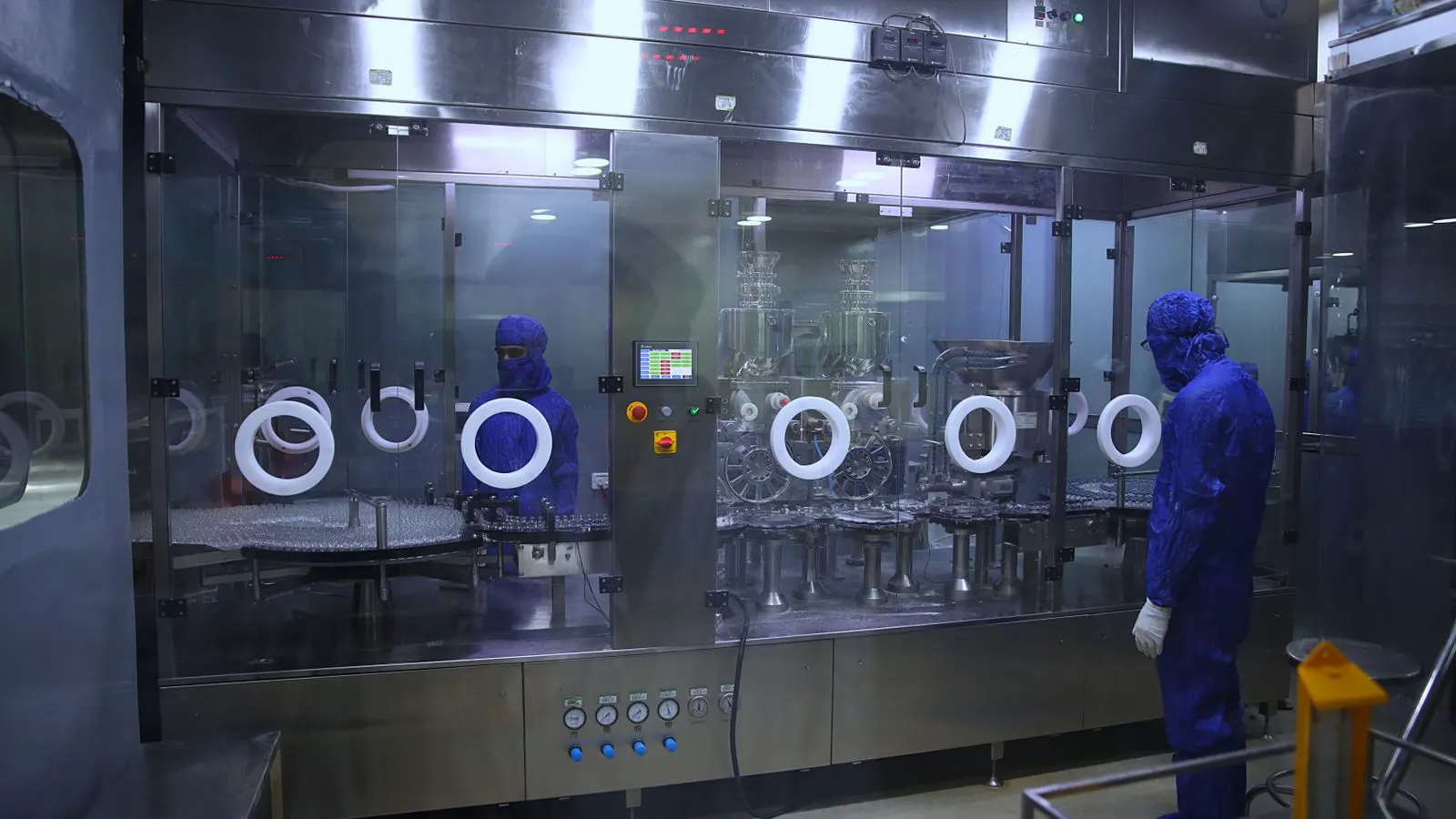
Before reviewing any document, map every component that touches the product. A filler line is not one machine. It is a chain of contact points. The product enters through the nozzle, passes through the valve seat, sits in the hopper, moves along the conveyor, and exits through the discharge chute. Each point has a different risk.
A buyer who only checks the main frame misses the small parts that cause most compliance failures. The O-ring on a pneumatic valve may be the only thing separating a non food safe material from the product. The same is true for the sealant used on a flange or the material of a single screw that holds a sensor bracket.
Create a simple list. Name the component. State the material. State the finish. State whether it touches the product or merely sits near it. This map becomes the backbone of every check that follows. Without it, you are relying on a vendor to remember every part. In practice, vendors often know the big items well but are vague on the small ones.
The contact surface map also helps you prioritize. Some parts are high risk. The product nozzle and the valve body are top priority. Others are lower risk. A guard on the side of the frame does not touch the product. A sensor housing may not touch it either. Focus your time where contamination is possible.
Check the Certificates First
The first question to ask is simple. Do you have the certificate? For stainless steel parts, this means a mill test report or material test certificate. For other materials, it means a food safety compliance document that identifies the specific material used.
Do not accept a generic statement. A vendor saying “this is food safe” is not enough. You need the document that identifies the material. For stainless steel, you need the grade. You need to know if it is 304 or 316L. You need to know if the welds are certified.
The certificate should match the part. If the vendor provides a certificate for a 316L plate but the part is made from 304, that is a serious mismatch. It can happen when a supplier substitutes material to cut costs. The certificate is your protection against that.
Keep the certificates for every major component. The hopper, the nozzle, the valve, the discharge chute. If you cannot find the certificate for a part, you cannot verify it. That is a red flag. Do not proceed until you have the document.
Inspect the Surface Finish
A certificate tells you the material. It does not tell you the condition. A 316L nozzle with a rough surface finish can harbor bacteria. A 304 hopper with a polished finish is generally acceptable for many food applications.
For food grade parts, the surface finish matters as much as the material. The finish affects how easily the part can be cleaned. It affects how well the part can be sanitized. It affects whether product build up can occur.
Look for the finish specification. For wetted areas, the finish should be smooth. Scratches, pits, and weld seams are problems. A weld seam that is not ground flush creates a dead zone. That dead zone can hold product. It can hold bacteria. It is the kind of place where a compliance failure starts.
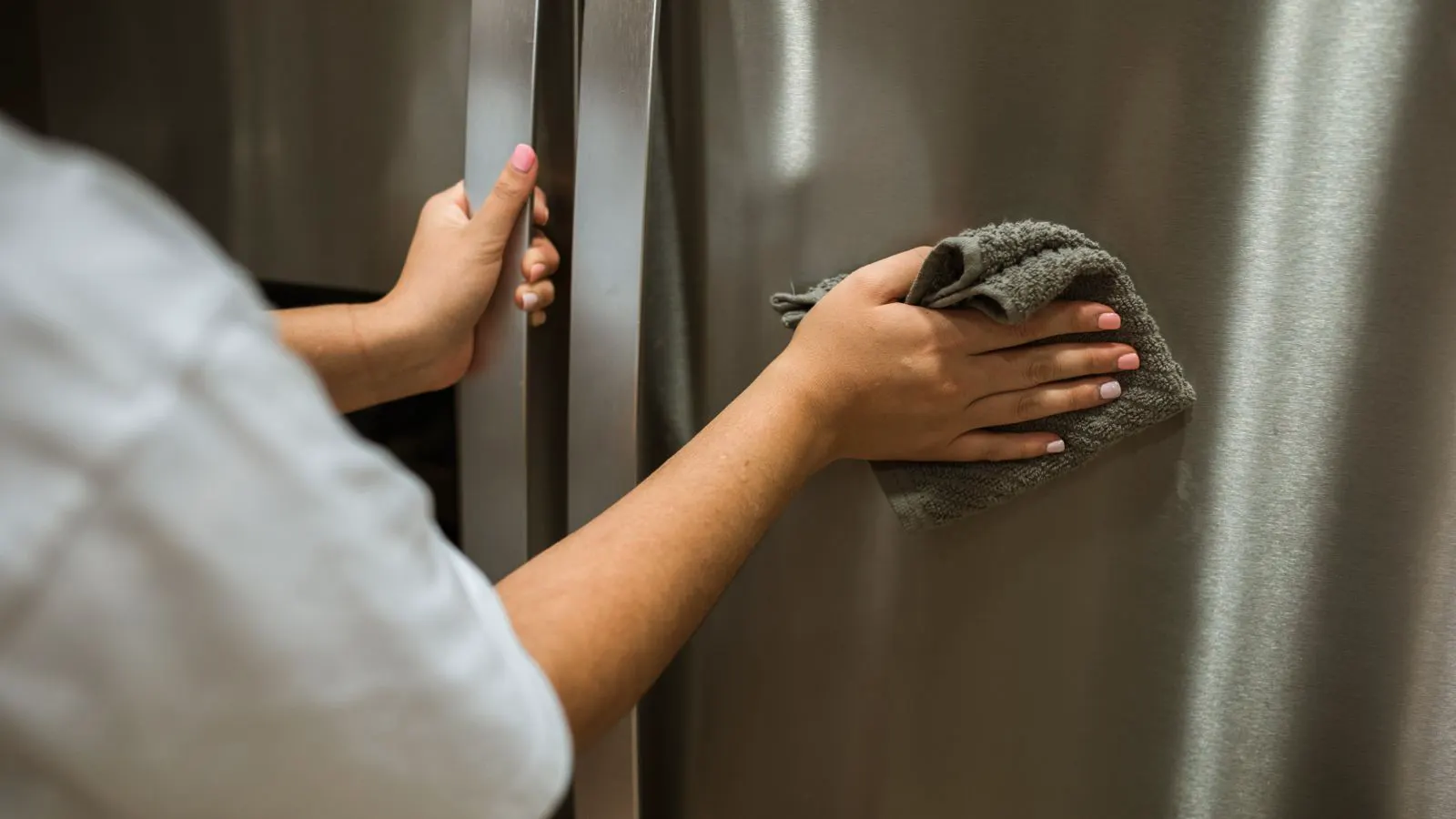
Check the surface with your hand. Run your finger across the wetted area. If you feel a rough spot, a burr, or a sharp edge, that is a problem. It may not be visible in a photo. It may not be listed in the spec sheet. You need to see it.
If the part is new, inspect it before it is installed. If the part is already on the line, inspect it during the maintenance window. A small scratch today can become a major contamination source tomorrow.
Verify Gasket and Seal Materials
The gasket is often the weakest link. A stainless steel nozzle with a non food safe O ring is a compliance failure. The O ring touches the product. It may sit in the product for hours. It is the part that most often gets the wrong material.
Ask for the gasket material specification. Do not accept “food safe rubber” as an answer. You need the specific material. You need to know if it is food compliant. You need to know if it is compatible with the cleaning agents used on the line.
The buyer guide on hygienic gaskets covers this in detail. A gasket that is food safe in one application may not be food safe in another. A gasket that is compatible with water may not be compatible with a caustic CIP solution. A gasket that is rated for low temperature may not hold its shape in hot water.
Check the gasket for the specific line. Do not use a gasket from one line on another. Do not use a gasket from a different product. Each gasket has a specific role. It has a specific pressure rating. It has a specific temperature rating. It has a specific chemical compatibility.
If the gasket is missing a food safety certificate, that is a red flag. If the gasket is made from a material that is not listed in the vendor’s food safety documentation, that is a red flag. If the gasket is old and showing wear, that is a red flag. Replace it.
Confirm CIP Compatibility
A food grade material must survive the cleaning cycle. It must survive the hot water. It must survive the caustic solution. It must survive the sanitizer. It must survive the mechanical action of the CIP system.
Check the material for CIP compatibility. Stainless steel is generally compatible with most CIP systems. 316L is better than 304 for caustic environments. 316L resists pitting better. It holds up longer in harsh chemical environments.
Gaskets and seals are different. A gasket that is food safe may not be CIP safe. A gasket that is CIP safe may not be food safe. You need both. You need the material to survive the cleaning cycle without degrading.
If the gasket swells in caustic solution, it will not seal properly. If the gasket cracks in hot water, it will let product escape. If the gasket dissolves in sanitizer, it will contaminate the product. Any of these is a failure.
The comparison of 316L versus 304 covers the steel side. The gasket side is where the details matter. A buyer who only checks the steel and ignores the gasket has not completed the verification.
Review the Documentation Chain
The documentation chain is the final check. It ties everything together. It shows that each part was sourced from a food safe supplier. It shows that each part was inspected. It shows that the line was validated after installation.
Ask for the compliance package. It should include the mill test reports for the steel. It should include the food safety certificates for the gaskets. It should include the finish specification for the wetted surfaces. It should include the CIP compatibility report. It should include the installation and validation records.
If the package is incomplete, you have a gap. A gap is a risk. You cannot verify what you cannot see. You cannot approve what you cannot document.
The documentation chain is not just for the buyer. It is for the regulator. It is for the customer. It is for the next team that maintains the line. If you cannot show the documentation, you cannot defend the compliance claim.
Red Flags to Watch For
The red flags are the signs that something is wrong. They are the moments where you should stop and ask questions.
A vendor who cannot provide the mill test report is a red flag. A vendor who says “we use food safe material” without naming the material is a red flag. A vendor who uses a gasket that is not listed in the food safety documentation is a red flag. A part with a rough surface finish is a red flag. A weld seam that is not ground flush is a red flag. A part that has been scratched or dented is a red flag. A part that is missing a food safety certificate is a red flag.
When you see a red flag, do not ignore it. Do not assume it will be fixed. Do not assume the vendor will replace the part. Ask for the correction. Ask for the document. Ask for the inspection report. If the vendor resists, that is another red flag.
The red flags are your early warning system. They tell you that the line is not ready. They tell you that the compliance claim is not supported. They tell you that you need to slow down and verify.
Final Verification Checklist
The final step is to run the checklist. It is a copyable list. It is a numbered list. It is the tool you use to verify the line.
- Create a contact surface map. List every part that touches the product. State the material, finish, and location.
- Request the mill test report for every stainless steel part. Verify the grade. Verify the weld certification.
- Inspect the wetted surfaces. Check for scratches, pits, weld seams, and burrs. Run your hand across the surface.
- Verify the gasket material. Request the food safety certificate. Check the CIP compatibility. Check the temperature and pressure rating.
- Confirm the CIP compatibility of all wetted parts. Verify the steel grade. Verify the gasket material. Verify the sealant.
- Review the documentation chain. Check that every part has a certificate. Check that the installation is documented. Check that the validation is recorded.
- Flag any red flags. Stop the process. Ask for correction. Do not proceed until the gap is closed.
The checklist is not a formality. It is a tool. It is the difference between a line that is compliant and a line that is at risk. It is the difference between a claim and a proof. Use it.
Common Mistakes
The most common mistake is checking only the big parts. The hopper, the nozzle, the valve. The buyer skips the O ring. The buyer skips the sealant. The buyer skips the sensor bracket. These small parts are where the failures happen.
The second mistake is accepting a generic statement. “This is food safe.” “This is stainless steel.” “This is compliant.” These statements are not enough. You need the document. You need the specification. You need the certificate.
The third mistake is skipping the CIP check. A part that is food safe but not CIP safe is a problem. It will degrade. It will contaminate. It will fail. You need to verify that the part survives the cleaning cycle.
The fourth mistake is not documenting the verification. If you cannot show the records, you cannot prove the compliance. The documentation is as important as the part. It is the proof that the part is what it claims to be.
When to Bring in an Expert
Some lines are complex. The contact surface map is long. The materials are varied. The CIP cycle is aggressive. In these cases, bring in an expert. An expert can identify the gaps that a buyer will miss. An expert can verify the documents. An expert can inspect the surfaces. An expert can confirm the CIP compatibility.
The expert is not a replacement for your own verification. It is a layer of protection. It is the final check before the line goes into production. It is the difference between a line that is ready and a line that is not.
The checklist is your first step. The expert is your second step. Together, they form a complete verification process. Use both.
Frequently asked questions
What is the minimum stainless steel grade for food contact parts?
304 stainless steel is generally acceptable for many food applications. 316L is preferred for caustic CIP environments and high sanitation demands.
Can I use a gasket from one line on another line?
No. Each gasket has a specific material, pressure rating, temperature rating, and chemical compatibility. Do not cross use gaskets between lines.
What if the vendor does not have a mill test report?
Do not accept the part. Request the report. If the vendor cannot provide it, the part cannot be verified. Find a supplier who can.
Is a polished finish always required?
For wetted areas, a smooth finish is required. The exact finish specification depends on the product and the cleaning cycle. Check the spec.
How often should I re verify the gaskets?
At every maintenance window. Gaskets wear over time. They can crack, swell, or degrade. Replace them when they show signs of wear.