Buyers Guide: Selecting Powder Filling and Sealing
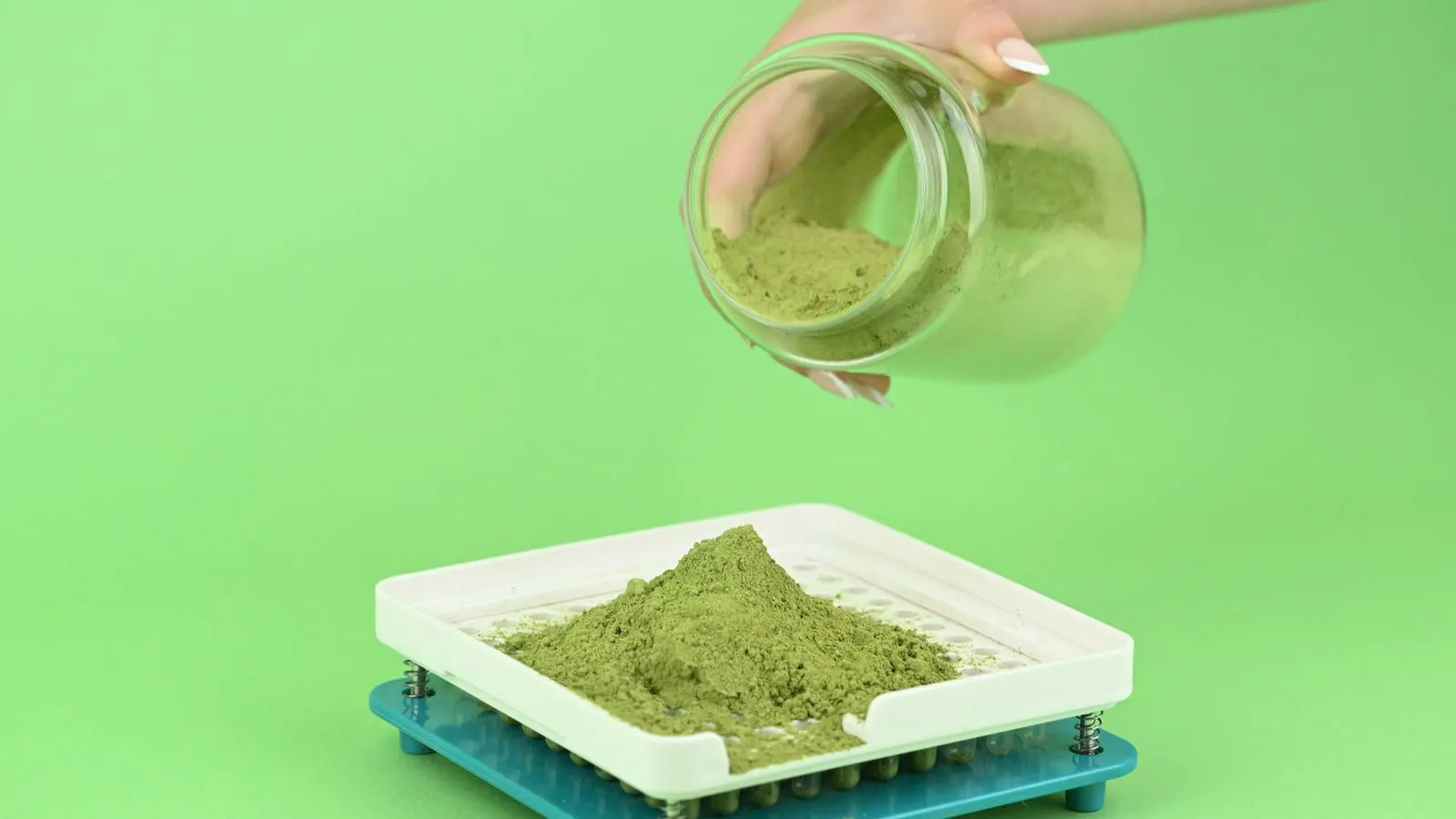
Choose powder filling equipment based on particle characteristics, dosing method, and sealing integration. Accurate volume measurement and reliable sealing are the two main factors in protecting product quality and reducing waste.
- Match the dosing method to the powder density and particle size.
- Test sealing equipment with the actual pouch material to confirm heat and pressure settings.
- Include a clean-in-place system to meet hygiene requirements and reduce changeover time.
- Validate fill weight and seal integrity before finalizing the line layout.
Match the Powder to the Dosing Method
Powder filling systems use different mechanisms to measure dry ingredients. The choice depends heavily on particle size, density, and flow behavior. Free-flowing granules suit volumetric dosers because they settle predictably in a measuring cup. Fine or cohesive powders often need rotary screw dosers or pneumatic conveying, which pull material through a controlled channel.
A volumetric doser is simple and handles low-cost powders well. It works by dropping a set amount of material into a cup. The limitation is density variation. If the powder compresses in the hopper or changes humidity, the fill weight drifts. For high-value or precision blends, a gravimetric system is better. It measures mass directly. The cost is higher, but the repeatability is stronger.
Inspect the hopper geometry. A wide funnel reduces bridging. A narrow throat can trap material. Engineers should verify the outlet size against the largest particle in the mix. If the powder contains lumps or clumps, the dosing chamber needs a sufficient diameter to prevent blockages.
Evaluate the Sealing Equipment
Sealing equipment must handle the specific pouch material. Heat and pressure are the two main variables. A seal that is too cold leaves a weak line. A seal that is too hot burns the material or leaves a visible mark. For powder bags, a continuous seal is often required. The seal width should match the pouch width. If the seal is too narrow, the bag can split at the stress points.
Check the seal head type. A single-barrel seal works for small pouches. A multi-seal head handles wider bags or multiple lanes. The pressure plate needs even contact. Uneven pressure creates cold spots. For powder, the seal must be airtight. Oxygen and moisture are enemies of dry products. A small leak in the seal line leads to caking inside the bag.
The sealing process should integrate with the filling station. The pouch must be held flat while the head closes. If the pouch moves, the seal shifts. A guide rail or clamp system helps keep the material centered. Engineers should test the seal with the final pouch material, including the liner and outer film.
Design the Packaging Line Layout
The packaging line needs a clear path from hopper to finished bag. The layout affects changeover speed and cleaning access. Place the doser close to the hopper to minimize transfer distance. Long transfer lines create static charge and dust. A short, direct path keeps the powder moving smoothly.
The sealing station should sit after the filler. The pouch moves from the filling nozzle to the sealing head. The distance between these two points should be short. If the pouch is open for too long, dust settles on the product. A small conveyor or gravity chute can move the pouch quickly to the seal.
Consider the downstream process. If the line moves to a capper or a labeler, the spacing must allow for manual intervention. A powder filler often requires a final weight check. A checkweigher can verify the fill before the bag leaves the line. If the weight is out of range, the bag can be rejected. This step catches dosing errors before they reach the customer.
Consider Hygiene and Cleanability
Powder lines face dust and residue. Hygiene is a major constraint. A machine that is hard to clean will fail in regulated industries. Look for removable parts and sealed bearings. The hopper and dosing chamber should have access points for a brush or a washdown.
A clean-in-place system is valuable for high-speed lines. It uses a chemical solution to flush the dosing chamber and transfer lines. This reduces manual cleaning time. The material in contact with the product must be food-grade. Stainless steel is common. Plastic parts must be rated for the chemical cleaners used.
Dust collection is part of the hygiene plan. The line should have a capture point for airborne powder. A local exhaust fan or a dust collector handles the fine particles. Without this, the dust settles on the floor and in the machine. The maintenance team must be able to empty the dust collector safely.
Check for Accuracy and Repeatability
Accuracy is measured as the deviation from the target weight. A filler that consistently fills at 99.9 percent of the target is acceptable. A filler that varies by 1 percent is not. The dosing method determines the baseline accuracy. A gravimetric doser can hold tighter tolerances than a volumetric one.
Repeatability is the consistency from bag to bag. A machine can be accurate but not repeatable. It hits the target every time, but the variation between bags is high. This is a problem for final packaging. The checkweigher will flag the variation. Engineers should test the line for at least one hundred bags. The average should be near the target. The standard deviation should be low.
The control system affects repeatability. A modern controller can adjust the dosing time in real time. If the powder flow changes, the system compensates. A manual setpoint requires an operator to adjust the machine. This is slower and less consistent. For a stable powder, a simple controller works. For a variable powder, an adaptive controller is better.
Review the Integration and Controls
The powder filling machine is one part of a larger system. It must talk to the packaging line. The line includes the conveyor, the sealing equipment, and the checkweigher. The controls should allow the line to run as a single unit. If the seal fails, the filler should stop. If the checkweigher rejects a bag, the line should slow down.
A human-machine interface helps the operator. It should show the fill weight, the seal temperature, and the line speed. Alarms should be clear. A low-hopper alarm warns the operator before the line stops. A seal-temperature alarm prevents a bad seal. The interface should log data. This helps with troubleshooting and quality audits.
The machine should be easy to maintain. Access to the dosing screws, belts, and seals is critical. A machine with many hidden parts slows down maintenance. A machine with quick-release tools speeds up changeover. The operator should be able to clear a jam without opening the entire housing.
Criteria Table
| Criterion | What to look for | Why it matters |
|---|---|---|
| Dosing Mechanism | Volumetric cup, rotary screw, or gravimetric load cell | Determines accuracy and handling of specific powder types |
| Hopper Design | Wide funnel, anti-bridging features, accessible outlet | Prevents flow blockages and ensures consistent material supply |
| Seal Type | Heat and pressure settings, seal width, material compatibility | Ensures an airtight seal that protects the powder from moisture |
| Control System | Real-time adjustment, HMI, alarm functions | Maintains repeatability and allows quick response to line changes |
| Cleanability | Removable parts, sealed bearings, CIP capability | Meets hygiene standards and reduces changeover time |
Closing Decision Checklist
- Confirm the powder characteristics. Measure the particle size, density, and flow index. This data guides the doser choice.
- Test the sealing equipment. Use the final pouch material. Verify the seal strength and visual quality.
- Evaluate the line layout. Ensure the distance between the filler and the sealer is short. Plan for dust collection.
- Check the control system. Verify that the HMI displays key parameters. Test the alarm functions.
- Review the hygiene features. Inspect the access points for cleaning. Confirm the material compatibility with food-grade chemicals.
- Run a validation trial. Produce at least one hundred bags. Measure the fill weight and seal integrity. Review the data before final approval.
Powder filling is a precise process. The machine must handle the material correctly. The sealing equipment must close the bag properly. The line layout must support both. Engineers should focus on these core areas. They determine the quality of the final product. A well-chosen system reduces waste and protects the brand.
Frequently asked questions
What is the best dosing method for a fine powder?
A gravimetric doser is usually the best choice for fine powders. It measures mass directly and is less affected by density changes than a volumetric cup.
How do I ensure the seal is airtight?
Match the seal width to the pouch width. Use the correct heat and pressure for the pouch material. Test the seal with the actual packaging film.
Is a checkweigher necessary for a powder filling line?
Yes, a checkweigher is highly recommended. It verifies the fill weight and catches dosing errors before the bag leaves the line.
What should I look for in the hopper design?
Look for a wide funnel to prevent bridging. Ensure the outlet size is larger than the largest particle in the mix.
How often should I clean the powder filling machine?
Clean the machine after each product change. A clean-in-place system can reduce the time and effort required for manual cleaning.