Filling Machine Cost Factors and Lead Time Expectations
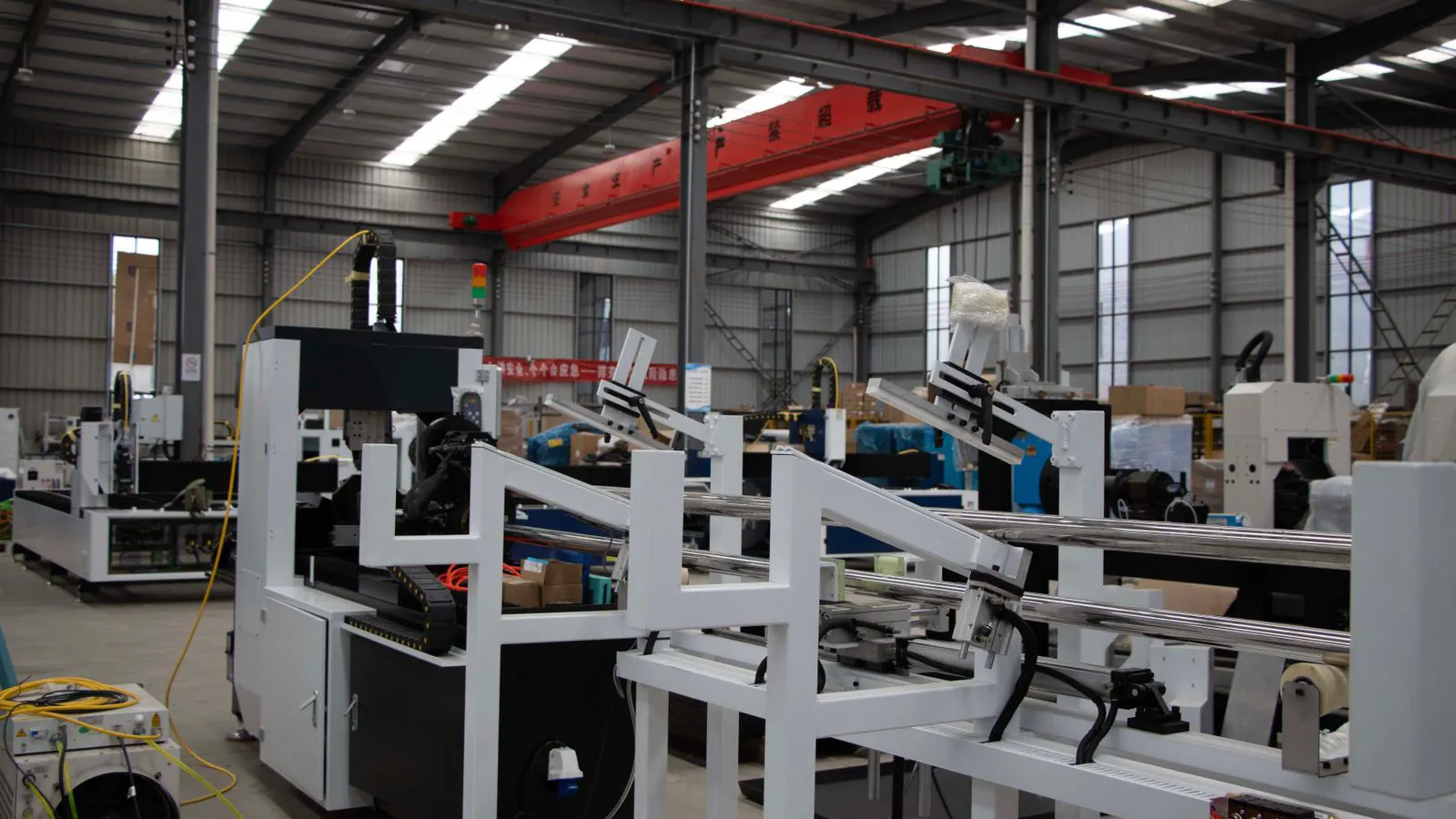
Filling machine procurement depends on capacity, automation, material, and integration needs. Lead times vary based on customization and supplier capacity. A detailed RFQ helps compare quotes and manage budget planning for capital cost.
- Filling machine prices vary widely based on throughput, product type, and level of automation.
- Lead times depend heavily on customization, component sourcing, and supplier production capacity.
- A clear RFQ with specific technical requirements prevents costly changes and delays.
- Comparing quotes requires evaluating total cost of ownership, not just the upfront capital cost.
- Early communication with suppliers about production schedules helps align equipment arrival with your launch plans.
When planning a packaging line upgrade or a new facility build, the filling machine often represents a significant portion of the capital budget. However, the final price and delivery date are rarely fixed in the initial conversation. These variables depend on a complex mix of technical specifications, integration requirements, and market conditions. Understanding these factors helps buyers avoid surprises during procurement.
What Drives the Capital Cost of a Filling Machine
The base price of a filling machine is determined by its core mechanical design and intended application. Simple gravity-fed units for small volumes cost significantly less than high-speed rotary fillers designed for bottling lines. The type of product being filled also impacts pricing. Handling viscous liquids, pastes, or products with solids often requires specialized nozzle designs or pump systems that increase the manufacturing complexity.
Automation level is another major cost driver. A semi-automatic machine operated by hand will have a lower capital cost than a fully automated system that integrates with a conveyor, a sealer, and a labeling station. If the machine requires advanced vision systems for quality control or servo-driven positioning for high precision, the price will reflect the cost of these electronic components and software.
Material selection also plays a role. Stainless steel construction is standard for food and pharmaceutical applications due to hygiene requirements, but the grade of steel and the finish (such as electropolished surfaces) can affect the final invoice. Specialized materials for aggressive chemicals or pharmaceuticals may add to the cost.
How Lead Time Expectations Vary by Requirement
Lead time is the period between placing a purchase order and the machine arriving at your facility. For standard, off-the-shelf models, lead times can be shorter because the units are often built to stock or built quickly from existing components. However, most industrial filling machines are made to order, which extends the timeline.
Customization is the primary factor that extends lead time. If you require a specific filling volume, a non-standard container shape, or a unique integration point, the manufacturer must design, source, and test custom parts. Sourcing critical components such as motors, controllers, and seals can take several weeks. During peak seasons, when demand for packaging equipment is higher, suppliers may have longer backlogs.
Installation and commissioning also contribute to the total lead time. The machine must be delivered, installed, connected to utilities, and tested with your actual product before it is ready for production. Allowing sufficient time for these steps prevents a situation where the machine arrives but the facility is not ready to use it.
How to Write a Clear RFQ for Better Quotes
A Request for Quote (RFQ) is your primary tool for obtaining accurate pricing and lead times from suppliers. A vague request will result in generic quotes that are difficult to compare. Your RFQ should specify the exact product to be filled, including its viscosity, temperature range, and container size.
You should also detail the required production rate, such as bottles per hour or containers per minute. Specify any required automation levels, such as whether the machine needs to interface with a conveyor or a labeling system. Include information about the facility, such as floor space, power availability, and compressed air supply.
Clear specifications allow the supplier to design the correct machine and calculate the cost accurately. It also helps in identifying potential integration issues early. A well-structured RFQ reduces the number of back-and-forth communications, which can otherwise delay the procurement process.
How to Compare Quotes Fairly
Receiving multiple quotes is standard practice, but comparing them requires looking beyond the initial sticker price. A cheaper quote might omit necessary components or integration services that are required for the machine to function in your facility.
Evaluate the total cost of ownership. This includes the capital cost, installation fees, training costs, spare parts, and estimated maintenance costs over the machine’s lifespan. Ask about warranty terms and the response time for technical support. A slightly higher initial cost with robust support and a longer warranty may be a better financial decision than a lower-cost machine with minimal support.
Also, compare the lead times provided by each supplier. A machine that is delivered later might disrupt your production launch. Ensure that the quote includes the full delivery timeline, from order confirmation to installation completion.
Cost Drivers and Lead Time Variables at a Glance
The following table summarizes the key factors that influence both the price and the delivery schedule of a filling machine.
| Cost Driver | Impact on Capital Cost | Impact on Lead Time |
|---|---|---|
| Production Rate | Higher rates require more complex mechanisms and stronger motors, increasing cost. | High-speed machines often require longer testing and calibration periods. |
| Automation Level | Integration with conveyors, sealers, and sensors adds significant cost. | Custom integration points require more engineering time and testing. |
| Product Type | Specialized nozzles or pumps for viscous or abrasive products increase cost. | Custom parts for specific products may need to be manufactured separately. |
| Material Grade | Higher-grade stainless steel or specialized materials increase material cost. | Sourcing specific materials may delay production if not in stock. |
| Customization | Any non-standard feature requires additional design and engineering, raising cost. | Custom designs extend the manufacturing cycle and testing phase. |
Budget Planning for Procurement
Effective budget planning for a filling machine involves more than just the purchase price. You should allocate funds for installation, which may include civil works, utility connections, and floor preparation. Include a contingency budget for potential changes in requirements or unexpected integration issues.
Consider the financing options available to your company. Some suppliers offer financing schemes, while others may work with third-party lenders. Understanding these options can help manage the cash flow impact of the capital investment.
Finally, align the equipment procurement schedule with your broader business goals. If you are launching a new product, the machine must be ready before the launch date. This requires a backward planning process from the target go-live date to the RFQ submission date, accounting for design, manufacturing, shipping, and installation phases.
Common Procurement Mistakes to Avoid
One common mistake is underestimating the complexity of integration. If the filling machine must work with existing equipment, the interfaces must be clearly defined. Ambiguity here leads to costly redesigns later.
Another error is ignoring the long-term maintenance implications. A machine that is difficult to service or requires proprietary parts can lead to higher operational costs over time. Choose machines with standard components where possible to ensure easier maintenance and access to spare parts.
Lastly, do not rush the supplier selection process based solely on the lowest bid. A reliable supplier with a proven track record and good after-sales service is crucial for the long-term success of your production line.
Frequently asked questions
How long does it typically take to receive a custom filling machine?
Lead times for custom filling machines can range from several months to over a year, depending on the complexity of the design and the supplier's production capacity.
What is the main factor that increases the capital cost of a filling machine?
The level of automation and the required production rate are the primary drivers of cost, as they necessitate more advanced components and complex engineering.
Can a filling machine be installed immediately upon delivery?
Not always. Installation often requires specific facility preparations, such as utility connections and floor modifications, which must be completed before the machine can be commissioned.
Is it worth paying more for a machine with a longer warranty?
Generally, yes. A longer warranty provides greater financial protection and peace of mind, reducing the risk of unexpected repair costs during the machine's early operational years.
How should I specify the product in my RFQ?
Provide detailed information about the product, including its viscosity, temperature range, potential additives, and the type of container being used. This ensures the machine is designed to handle the product safely and efficiently.