What Is a Filling Machine and How Does It Work
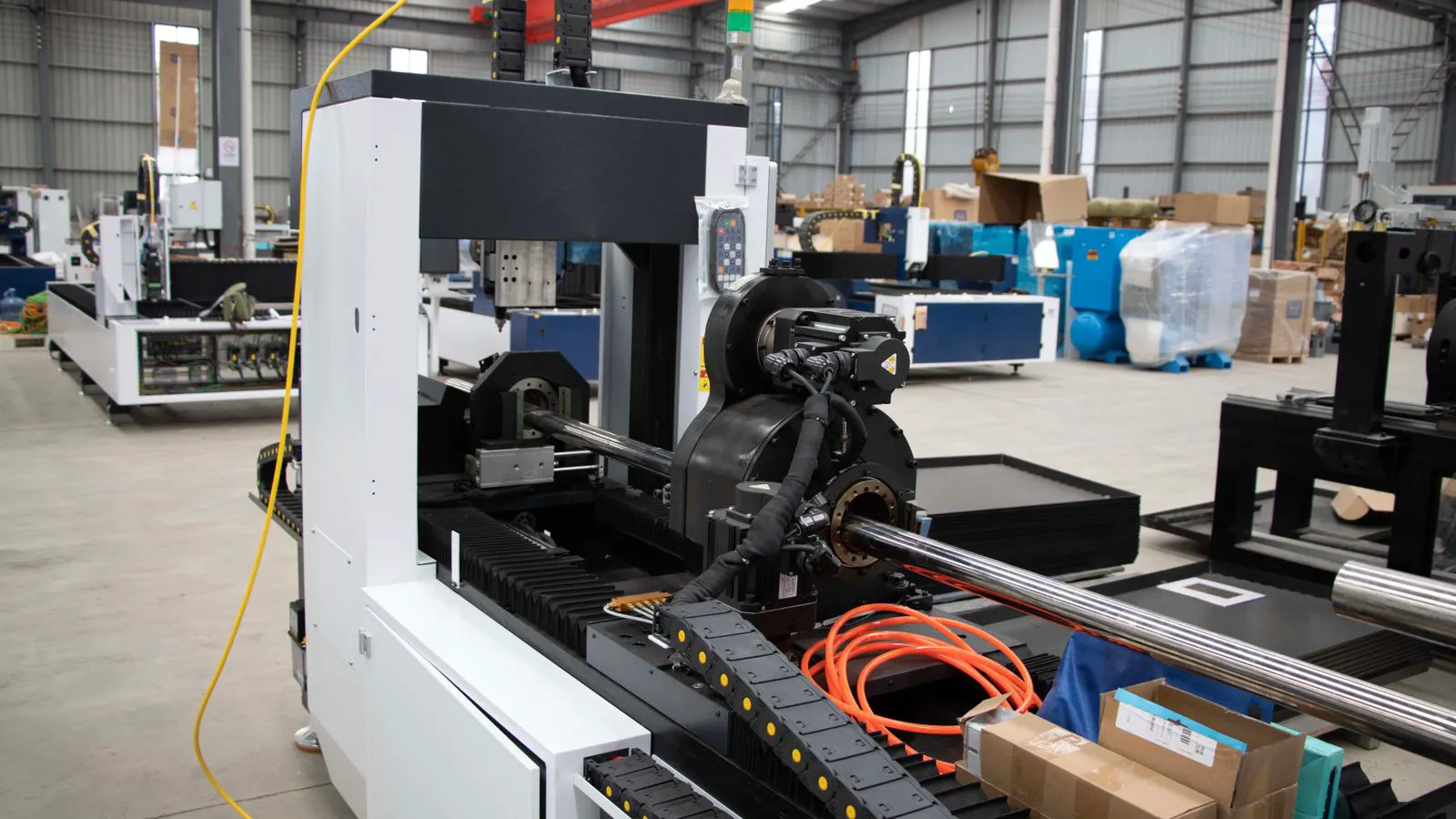
A filling machine is industrial equipment designed to accurately transfer liquids, powders, or pastes into containers such as bottles or pouches. It ensures consistent product volume, protects the contents from contamination, and prepares packages for sealing and downstream logistics.
- A filling machine is a core component of a packaging line, responsible for placing product into pre-made containers.
- The choice of machine depends heavily on the viscosity and flow behavior of the product.
- Filling accuracy and speed are the primary metrics that determine the machine's suitability for a specific production line.
- Integration with capping and labeling stations is essential for a complete and efficient packaging system.
- Maintenance of seals and nozzles is critical for preventing contamination and ensuring consistent fill levels.
What Is a Filling Machine
A filling machine is a piece of packaging machinery whose primary function is to transfer a product into a container. These containers can be rigid, such as bottles, jars, and cans, or flexible, such as pouches, bags, and sachets. The product being filled can range from simple liquids like water and beverages to viscous substances like honey, and from powders like coffee to pastes like toothpaste.
In a standard production environment, the filling machine is not usually an isolated unit. It is typically integrated into a larger packaging line. Before the product reaches the filler, the container must be positioned correctly on the conveyor. After the filler dispenses the product, the container usually moves to a capping or sealing station. This sequence is a fundamental aspect of packaging basics, where each machine performs a specific task to create a finished, market-ready package.
The Core Components of a Filling Machine
To understand how a filling machine operates, it is helpful to look at its basic components. While designs vary significantly between manufacturers and product types, most filling machines share a common set of parts.
| Component | Function |
|---|---|
| Product Hopper or Tank | Holds the bulk product and allows it to flow toward the filling nozzles. |
| Nozzles or Valves | The points where the product exits the machine and enters the container. |
| Conveyor System | Moves containers from the infeed to the filler and then to the outfeed. |
| Control System | Manages machine speed, fill volume, and timing of the valves. |
| Sensors | Detect the presence of containers and monitor fill levels for quality control. |
The hopper or tank is the starting point for the product. In liquid filling, this is often a pressurized tank or a gravity-fed reservoir. For powders, it is a hopper that allows the material to flow by gravity. The nozzles are the most critical part of the machine, as they are in direct contact with the container. The design of the nozzle determines the speed and precision of the filling process. For example, a machine for thin liquids uses a small, open nozzle, while a machine for thick pastes might use a valve that opens and closes to control the flow.
How the Filling Process Works
The filling process is a timed sequence of operations. While the exact mechanics differ based on the technology, the general flow is consistent.
- Container Detection: As a container moves onto the conveyor and approaches the filler, a sensor confirms its position.
- Positioning: The container is aligned with the filling nozzle. In some machines, a fixture or clamp holds the container steady during the fill.
- Filling: The valve or nozzle opens, and the product is dispensed into the container.
- Cut-off: The valve closes, stopping the flow of product.
- Release: The container is released and moves to the next station.
This cycle repeats continuously. The speed of the machine is determined by how quickly each of these steps can be completed. A faster cycle time allows for higher production throughput. The accuracy of the fill is determined by the precision of the valve and the consistency of the product flow.
Types of Filling Machines by Technology
There are several ways to fill a container, and the right choice depends on the product and the required volume.
Gravimetric Filling
In gravimetric filling, the product is dispensed into a container that is placed on a scale. The machine weighs the container as the product is added. The valve closes when the target weight is reached. This method is highly accurate and is commonly used for products like sauces, ketchup, and powders. It is also effective for products with variable viscosity, as the scale compensates for density changes.
Volumetric Filling
Volumetric filling measures the volume of the product. A pump or a tube draws a specific amount of liquid and transfers it to the container. This method is fast and is ideal for thin, free-flowing liquids like water, soft drinks, and oils. It is less accurate than gravimetric filling for thick products but is much faster for high-speed lines.
Piston or Displacement Filling
This type of machine uses a piston or a pump that moves a precise volume of product into the container. It is common in the pharmaceutical and cosmetic industries where precise dosing is critical. It is also used for products with bubbles, as the piston can push the air out before filling.
How Product Properties Affect Machine Selection
When sourcing a filling machine, the properties of the product are the primary drivers of the decision. Understanding these properties is a key part of packaging basics.
- Viscosity: This is the resistance of a fluid to flow. Water has low viscosity, while honey has high viscosity. High-viscosity products require more force to move and need valves that can handle the pressure.
- Flow Behavior: Some products are Newtonian, meaning their viscosity stays constant regardless of the speed of flow. Others are non-Newtonian, such as ketchup, where the viscosity decreases when force is applied. The machine must be designed to handle the specific flow behavior to ensure a consistent fill.
- Fragility: Some products, like beer or carbonated drinks, are sensitive to agitation. The filling process must minimize turbulence to prevent foaming and loss of carbonation.
- Particle Size: For powders or granular products, the size of the particles affects how they flow. Large particles may cause clogging, while fine powders may be prone to dusting.
A Worked Example: Filling a Bottle of Olive Oil
Consider a facility that produces a bottle of extra-virgin olive oil. The oil is a thin liquid with a viscosity similar to water, but it is a food product, so hygiene is paramount.
The filling machine in this scenario would likely be a volumetric filler. The oil is stored in a pressurized tank. As a glass bottle moves onto the conveyor, a sensor detects it. The bottle is aligned with a stainless steel nozzle. The nozzle opens, and the oil is dispensed into the bottle.
Because the oil is a thin liquid, it flows easily. The machine uses a pump to draw the oil and a valve to control the flow. The valve is timed to open and close, ensuring that each bottle receives the same amount of oil. The speed of the machine is set to match the conveyor, allowing for a high number of bottles per hour. After filling, the bottle moves to a capping station where a plastic cap is applied.
This example shows how the machine’s design is driven by the product. The stainless steel nozzle ensures hygiene, the volumetric pump ensures speed, and the precise valve timing ensures accuracy.
Integration with the Rest of the Packaging Line
A filling machine is only as effective as the line it is part of. It must integrate seamlessly with upstream and downstream equipment.
Upstream, the machine needs a reliable supply of empty containers. A container feeder ensures that bottles or jars are presented correctly to the filler. If the supply is interrupted, the filler must stop to prevent damage or misfills.
Downstream, the filled container must move to a capping or sealing machine. For bottles, this is a capping machine that applies a lid. For pouches, it might be a sealing machine that closes the top of the bag. After sealing, the package typically moves to a labeling machine, which applies a barcode and product information.
The synchronization of these machines is critical. If the capping machine is slower than the filler, a backlog will form. If the filler is slower than the capper, the capper will stop, which can cause the entire line to slow down. Proper integration ensures that the line runs at a steady, predictable speed.
FAQ
Q: What is the difference between a filling machine and a packaging machine?
A: A filling machine is a specific type of packaging machine. While all fillers are part of packaging, not all packaging machines fill products. Packaging also includes operations like capping, labeling, and case packing.
Q: Can a filling machine handle both liquids and powders?
A: Generally, no. A machine designed for liquids uses pumps and valves that are not suitable for dry powders. Conversely, a machine for powders uses a different mechanism, such as a screw feeder, and cannot handle thin liquids.
Q: How accurate are filling machines?
A: Accuracy depends on the type of machine and the product. Gravimetric machines can be highly accurate, often within a fraction of a gram. Volumetric machines are accurate for consistent liquids but can have more variation for products with air bubbles or variable viscosity.
Q: What is the most common type of filling machine?
A: Volumetric filling is the most common for high-speed, thin-liquid products like beverages. Gravimetric filling is common for semi-solids and powders where accuracy is more important than speed.
Q: Do filling machines require special training to operate?
A: Basic operation is usually straightforward, but operators need to be trained on the machine’s specific controls and safety features. Maintenance and troubleshooting, however, require more specialized knowledge.
===END===