Troubleshooting High Operating Costs in Packaging Lines
High operating costs usually stem from worn seals, misaligned guides, or inefficient drive systems. This guide lists common symptoms, likely causes, and direct fixes. It also covers maintenance habits that protect return on investment.
- Track energy per unit to isolate high usage to specific machines.
- Replace worn seals and bearings before they cause drag and heat.
- Align guides and film paths to reduce material scrap.
- Use scheduled maintenance to catch small faults before they become major costs.
- Review consumable usage with operators to catch setup errors early.
Where the Money Goes
High energy and material usage on a packaging line rarely has one single cause. It usually comes from several small inefficiencies that add up over a shift. The most common areas for waste are the drive system, the sealing unit, the film path, and the control logic.
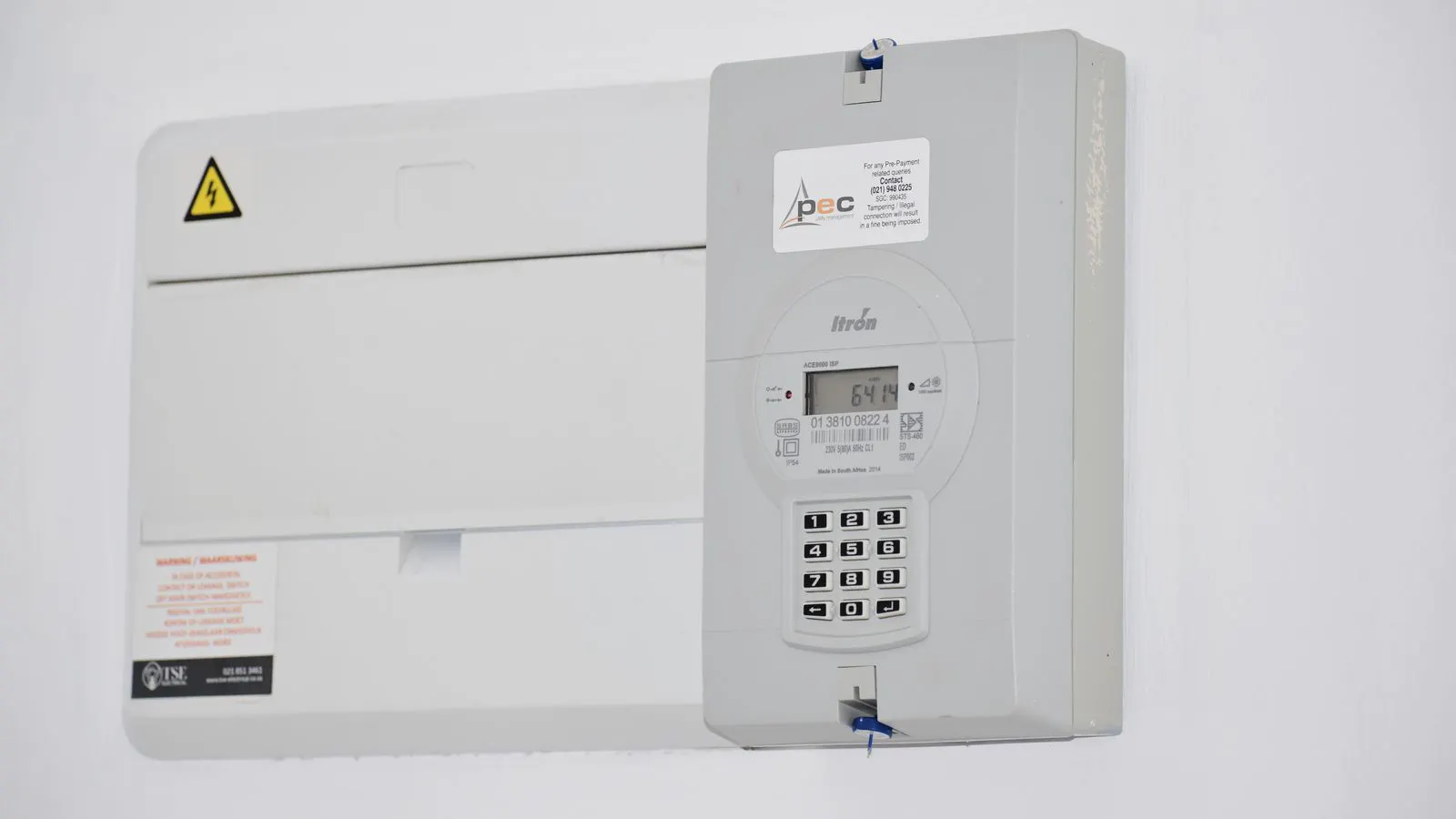
Engineers should start by looking at the energy meter. If the line consumes more power during steady state than during startup, the problem is likely mechanical. If usage spikes at specific points in the cycle, the issue is often a seal, a guide, or a sensor.
Consumable costs behave differently. High film usage usually points to misalignment or poor tension. High sealant usage often means worn sealing surfaces. Both require specific fixes that differ from general energy waste.
Energy Waste in Drives and Motors
The drive system is the first place to check when energy usage is high. A motor that struggles under load draws more current. A gearbox with low oil or worn bearings creates friction. This friction turns into heat and wastes power.
Look for the following signs. The motor runs hotter than usual. The gearbox vibrates more than normal. The drive current reading is high during constant speed. The line slows down when the operator increases speed.
Fixing these issues usually involves replacing seals, changing gear oil, or checking alignment. A motor running at 90 percent load for hours will consume significantly more energy than one running at 75 percent load. Check the load profile in the drive controller. If the average load is too high, the machine may be undersized for the product, or the product may be heavier than expected.
Sealing and Heat Waste
Sealing units are major sources of energy waste when they are worn. A worn sealing plate loses contact with the film. To compensate, the operator increases the temperature or the dwell time. Both actions increase energy use.
A common symptom is a faint seal line or a partial seal on the first few bags. The operator increases the heat setting. The seal passes, but the energy meter shows a spike. The root cause is often a dirty sealing surface or a worn spring.
Clean the sealing plate with a suitable solvent. Check the spring tension. Replace the sealing surface if it is scored or warped. A well maintained seal operates at the minimum effective temperature. This saves energy and reduces the risk of film damage.
Consumable Waste in Film and Wrap
High film usage is often mistaken for poor material quality. In most cases, it is a setup or alignment problem. If the film path is not straight, the web shifts. The cutter may cut wider than necessary. The form section may waste more material than planned.
Check the guides. Worn guides allow the film to drift. A drifting film causes the cutter to miss the target width. The result is a bag that is too wide. The operator increases the feed to compensate. This increases scrap.
Inspect the film path from the winder to the cutter. Clean dust and debris from the guides. Replace worn guide tips. Check the tensioners. If the film is too loose, it wrinkles. If it is too tight, it stretches. Both conditions increase material usage.
Control Logic and Startup Patterns
The control logic affects how the machine uses energy. A machine that stops and restarts frequently wastes more energy than one that runs continuously. Frequent stops and starts cause the motor to draw high current during acceleration.
Check the cycle time. If the line stops often due to jams or sensor faults, the average energy per unit rises. A single jam that causes a ten second stop can add significant waste over a shift.
Review the fault logs. Identify the most common stop reason. Fix the root cause. A sticky sensor can cause a stop every few minutes. A loose wire can cause intermittent faults. These small issues add up to high operating costs.
Troubleshooting Table
The table below lists common symptoms, likely causes, and direct fixes. Use this as a starting point for your on site checks.
| Symptom | Likely cause | What to do |
|---|---|---|
| Motor runs hot during steady state | Worn gearbox bearings or low oil | Check oil level and viscosity. Listen for grinding. Replace bearings if needed. |
| Energy spikes at seal point | Worn or dirty sealing surface | Clean the seal plate. Replace worn springs or sealing surfaces. |
| Film width exceeds target | Drifting film path or worn guides | Inspect and clean guides. Replace worn tips. Adjust tensioners. |
| High current during startup | Drive settings too aggressive or low voltage | Check drive acceleration curve. Verify power supply voltage. |
| Increased scrap on first run | Misaligned cutter or worn blade | Calibrate the cutter. Replace the blade if it is dull or chipped. |
| Frequent stops and restarts | Sticky sensor or loose wiring | Clean sensor lenses. Tighten terminal blocks. Check for vibration. |
Maintenance Habits That Protect ROI
Maintenance is not just about avoiding breakdowns. It is about keeping the machine in its designed efficiency range. A machine that runs at its rated efficiency uses less energy and less material.
Use a scheduled maintenance plan. The checklist for estimating packaging machine maintenance should include lubrication points, seal inspections, and tension checks. Do not rely only on reactive fixes. Proactive checks catch small issues before they become expensive.
Train operators to report small changes. An operator who notices a faint seal line or a slight drift in the film path can prevent a larger problem. Document these observations. Review them weekly.
Track operating costs per unit. Use the energy meter and the material usage log. Compare the numbers over time. If the cost per unit rises, investigate the specific machine or section. This data helps you prioritize fixes. It also supports the return on investment analysis when you consider upgrades.
When to Upgrade
Sometimes the cost of fixing is higher than the cost of replacing. This happens when the machine is old, the parts are unavailable, or the design itself is inefficient.
Look at the total cost of ownership. If the energy usage is high and the maintenance costs are rising, the machine may no longer be economic. Compare the cost of a new drive system, a new seal unit, or a new machine.
Do not upgrade just because the machine is old. Upgrade when the data shows that the current machine cannot reach the target efficiency. A well maintained older machine can be more efficient than a poorly maintained new one.
Measuring the Result
After you make a fix, measure the result. Do not assume the cost went down. Check the energy meter. Count the film usage. Compare the new numbers to the baseline.
If the cost per unit drops, document the fix. Add it to your standard operating procedures. If the cost does not drop, investigate further. There may be a second issue.
Use this data to build a baseline. A good baseline helps you spot future problems. It also helps you calculate the return on investment for new projects. When you buy a new machine or a new drive system, you can compare the expected savings against the actual savings.
Final Checks
Before you close out a troubleshooting session, run these final checks.
- Verify the energy reading for the last hour.
- Check the film width on the last ten bags.
- Inspect the sealing plate for wear.
- Review the fault log for any new errors.
- Update the maintenance log with the work performed.
These checks take a few minutes. They prevent small issues from becoming large costs. They also keep the maintenance records clean and useful for future analysis.
Use this process regularly. High operating costs are usually a result of small, uncorrected issues. Find them early. Fix them fast. Protect your return on investment.
Frequently asked questions
How often should I check the energy usage on a packaging line?
Check the energy meter at the start and end of each shift. Compare the numbers to the baseline. Investigate any increase of more than a few percent.
What is the most common cause of high film usage?
Drifting film due to worn guides or incorrect tension is the most common cause. Clean and replace guides, and adjust tensioners to keep the web straight.
Can a dirty seal cause high energy costs?
Yes. A dirty or worn seal forces the operator to increase temperature or dwell time. This increases energy use and can damage the film. Clean and replace seals as needed.
How do I know if the drive system is inefficient?
Check the drive current reading during steady state. If it is high, check the gearbox oil, bearings, and alignment. A healthy drive runs at a stable, lower current level.
Should I replace the machine if maintenance costs are high?
Not always. Compare the total cost of ownership. If the machine can be brought back to its rated efficiency with maintenance, it may be more economic than replacing it. Use data to make the decision.