Explainer: How Energy Efficiency Affects Machine ROI
Energy efficiency directly affects packaging machine ROI by reducing long-term operating expenses. Procurement managers must evaluate power draw, duty cycles, and standby modes to calculate true lifetime costs and identify the most profitable equipment.
- Energy efficiency reduces operating expense and improves return on investment over the machine's life.
- Power consumption varies by component, duty cycle, and standby state, so evaluate total kwh cost.
- Standardize power metering and baseline data to compare options and validate vendor claims.
Why power usage shapes profitability
Packaging machinery ROI extends beyond the purchase price. The operating expense of running a line for ten or fifteen years often outweighs the initial capital outlay. Energy efficiency determines how much electricity the machine consumes during active cycles, idle periods, and startup sequences.
Procurement teams must treat electricity as a recurring cost, not a utility afterthought. A machine with a higher upfront price can deliver a better return if it draws less power over its service life. This is especially true in facilities where power rates fluctuate or where the machine runs multiple shifts.
The first step is to define what energy efficiency means for your specific application. It is not simply a single wattage rating. It covers the combined draw of drive motors, pneumatic actuators, heaters, vacuum pumps, and control systems across the full operational profile.
Consider a bottling line with a high-speed filler. If the facility charges a premium rate for peak demand, a machine that spikes its draw to 50 kW during startup might trigger demand charges that erode the savings from efficient operation. Conversely, a machine with a flatter power curve, even if it draws more during steady state, might cost less over a year if it avoids those demand spikes. The purchase price is only one variable in the equation. The total energy cost over the asset’s life can be the deciding factor.
How to measure the true power draw
A nameplate rating on a motor does not reflect the actual energy consumption of the machine. The power supply interacts with the load, and the machine’s control logic changes draw based on speed and cycle time.
To evaluate a candidate machine, request or measure data across three states:
- Active cycling: The machine is running at target production speed.
- Idle or standby: The machine is powered on but not producing.
- Startup and shutdown: Transient loads during motor acceleration and heating.
Active cycling usually accounts for the majority of annual energy use, but standby draw can matter if the machine sits powered on between shifts. A machine that consumes a small amount of power while waiting for the next batch can add up over a year. Imagine a cartoning machine that runs for eight hours a day and stays powered on for sixteen hours. If its standby draw is 5 kW, that is 80 kWh of energy consumed for no production. Over a year, with 365 operating days, that is nearly 29,200 kWh wasted. At a rate of 20 cents per kWh, that is close to $5,840 in wasted energy annually.
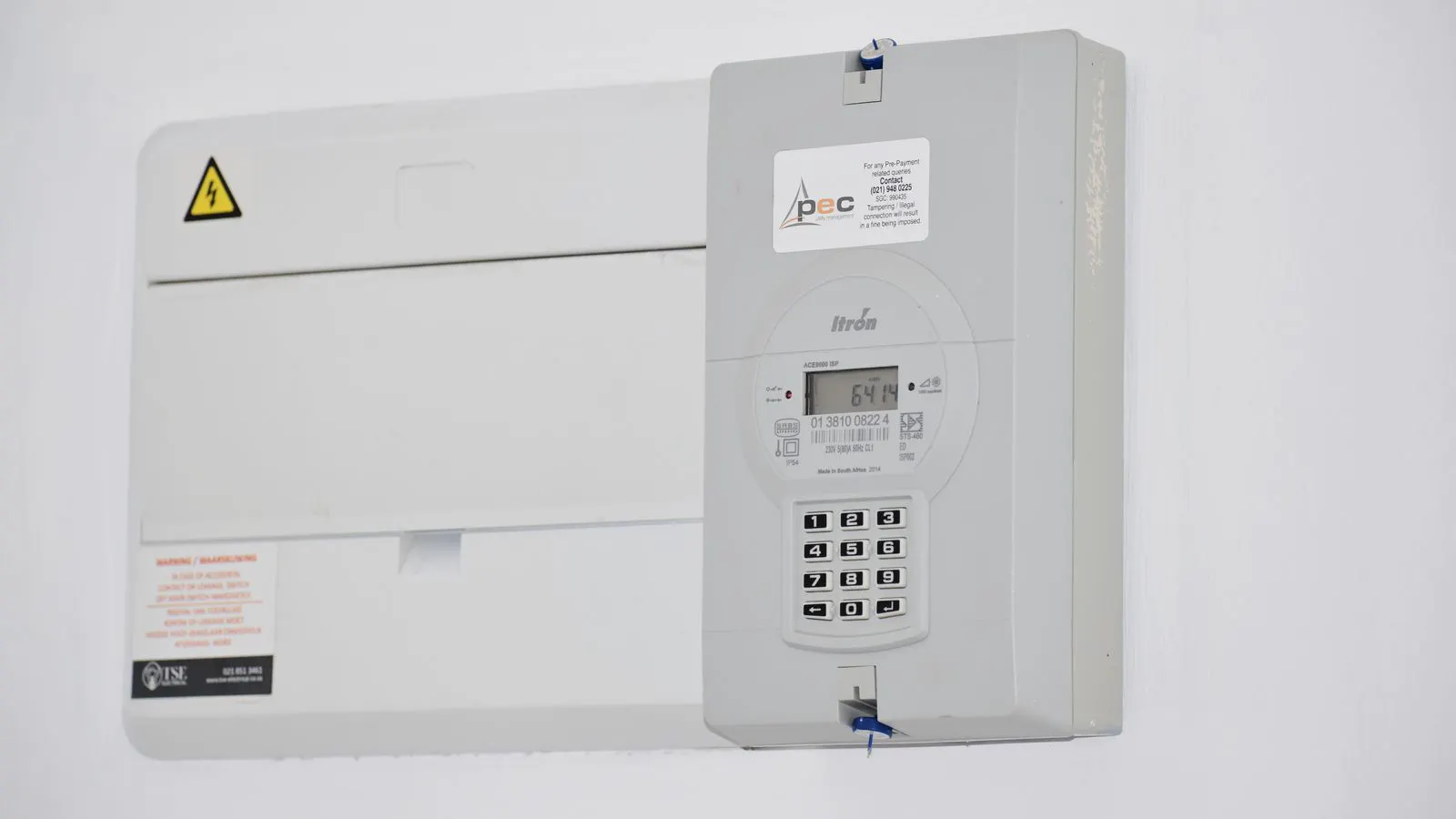
Many facilities use a power analyzer or a submeter on the dedicated circuit to capture real data. This gives a baseline kwh cost per unit of product. Without this baseline, comparing two machines is guesswork.
When measuring, ensure the meter captures three-phase power if applicable. Many large packaging machines run on 400V three-phase systems. A single-phase meter will not give an accurate picture of the total load. Record the voltage and current for each phase to ensure balanced loading. Imbalanced loads can cause additional heat and inefficiency in the motor windings, slightly increasing energy loss.
Key components that drive consumption
Not every part of a packaging line uses power equally. Understanding where the energy goes helps buyers ask better questions during vendor discussions.
| Component | Typical Energy Driver | Impact on ROI |
|---|---|---|
| Drive motors | Speed, torque, efficiency rating | Highest impact during active cycles |
| Pneumatic systems | Compressor duty, air pressure | Significant if air is used continuously |
| Heaters and dryers | Temperature setpoint, cycle length | High draw during thermal processing |
| Vacuum pumps | Continuous suction vs. pulsed | Varies with product handling |
| Control and sensors | Always-on electronics | Low individual draw, constant |
Drive motors are usually the largest consumers. A less efficient motor running at high speed for ten hours will draw substantially more power than an efficient one doing the same work. If a filler uses a 15 kW motor, and that motor runs at 100% load for 8 hours a day, the energy consumption is 120 kWh per day. If the motor efficiency drops from 95% to 85% due to age or poor maintenance, the electrical draw increases to account for the lower mechanical efficiency. That difference accumulates quickly.
Pneumatic systems are often overlooked. The compressor that powers the air supply is a major energy user, and if the machine’s air consumption is poorly managed, the facility’s kwh cost rises. Many packaging machines use air for capping, sealing, or pushing products through guides. If the air pressure is set higher than necessary, the compressor works harder and uses more electricity. Checking the air pressure settings and ensuring they are at the minimum required level can reduce energy waste.
Heaters add a different variable. If a machine requires a preheat phase before each batch, that energy is spent before production begins. A design that maintains heat during short pauses can be more efficient than one that cools and reheats. For example, a thermal form-fill-seal machine that cools down after a 15-minute break will use significant energy to reach operating temperature again. A machine with better insulation and a low-power hold mode will use less energy during that break.
How efficiency changes the ROI calculation
Return on investment is calculated by comparing the net profit generated by the machine to the total cost of ownership. The total cost includes the purchase price, installation, training, maintenance, and operating expense.
When you factor in energy efficiency, the math shifts. A machine with a 10% higher purchase price but a 20% lower power draw can break even faster than a cheaper machine. This is because the power savings reduce the operating expense every year the machine runs.
The break-even point depends on the local power rate, the machine’s annual operating hours, and the energy difference between the two models. Higher operating hours increase the value of efficiency. A machine running three shifts a day will see a larger return from lower power consumption than one running a single shift.
Procurement teams should model the total cost of ownership over a standard period, such as five or ten years. This includes the projected kwh cost based on measured or estimated power draw. It also includes maintenance, which may be lower for machines with simpler or more efficient power management.
Consider a scenario where Machine A costs $100,000 and consumes 50 kWh per hour of operation. Machine B costs $110,000 and consumes 40 kWh per hour. If the power rate is 20 cents per kWh and the machine runs 2,000 hours per year, Machine A costs $10,000 in energy annually. Machine B costs $8,000 in energy annually. The annual savings are $2,000. The additional purchase price is $10,000. In this simple model, the payback period for the energy savings is five years. If the machine has a ten-year life, the total energy savings over the life of the machine would be $20,000. This is before considering any additional maintenance savings or productivity gains.
Common mistakes in evaluating energy savings
Many buyers make decisions based on incomplete data. The most frequent errors involve assuming that a lower nameplate rating means lower energy use, or ignoring the duty cycle.
A machine rated for a lower maximum power draw may still use more energy if it runs at high power for longer periods. Conversely, a machine with a higher peak draw may use less total energy if it operates efficiently during its active cycles.
Another mistake is ignoring the facility context. If your plant has a high-power compressor, the energy cost of adding another air-consuming machine is higher. If the machine uses a heat recovery system, the net power draw may be lower than expected.
Finally, buyers often skip the baseline measurement. Without knowing the current kwh cost per unit of product, it is hard to validate whether a new machine is actually more efficient. A simple power meter on the main circuit can reveal unexpected draws from auxiliary equipment.
One subtle mistake is assuming that all machines operate at the same efficiency. A machine designed for a specific product type may be more efficient for that product than a general-purpose machine. For example, a machine designed for rigid cartons may use less energy per unit than a machine designed for flexible pouches, due to differences in material handling and sealing requirements. Buyers should ensure the vendor’s energy data is relevant to their specific application.
Best practices for sourcing decisions
To make an informed choice, follow a structured evaluation process.
- Collect baseline data: Measure the power draw of your current equipment or similar machines. Record kwh per unit of production.
- Request detailed specifications: Ask vendors for power consumption data across active, idle, and startup states. Do not rely on a single number.
- Model the operating profile: Multiply the power draw by your expected annual operating hours. Apply your local power rate to get the annual kwh cost.
- Compare total cost of ownership: Add the purchase price, installation, and projected energy costs over the machine’s life.
- Validate with a pilot: If possible, run a short-term test to confirm the vendor’s energy claims under your specific conditions.
This process removes guesswork. It turns energy efficiency from a vague concept into a measurable factor in the ROI calculation. It also helps you negotiate with vendors, as you can ask for specific data to support their efficiency claims.
When requesting specifications, ask for the power consumption in kW at different speeds. Many machines allow variable speed operation. A machine that runs at 50% speed may consume significantly less power than at 100% speed. If your production profile requires variable speeds, ensure the vendor’s data reflects that reality.
Also, ask about the machine’s power factor. A low power factor can increase the apparent power draw and potentially affect your facility’s power quality. While most modern machines have power factor correction, it is worth verifying.
When efficiency matters most
Energy efficiency has a larger impact on ROI in certain scenarios. If your facility has high power costs, the savings from a more efficient machine are greater. If you run the machine for long hours or multiple shifts, the cumulative energy savings add up quickly.
Efficiency also matters when the machine includes high-power components like heaters or large drive motors. In these cases, a small improvement in motor efficiency or heat management can lead to significant cost reductions.
For lower-power machines that run for short periods, the impact may be smaller. The purchase price and productivity might dominate the ROI calculation. Still, it is always worth checking the power draw to avoid unexpected operating expenses.
By treating energy efficiency as a core part of the sourcing decision, procurement managers can protect long-term profitability. The machine that looks most expensive on paper may be the best financial choice when you factor in the kwh cost over its lifetime.
Frequently asked questions
How do I calculate the energy cost of a packaging machine?
Measure the power draw in kilowatts during active operation. Multiply by the number of operating hours to get kilowatt-hours. Then multiply by your local electricity rate to find the annual kwh cost.
What is the difference between kwh cost and operating expense?
Kwh cost is the specific cost of electricity consumed by the machine. Operating expense includes all recurring costs, such as energy, labor, maintenance, and consumables.
Does energy efficiency affect maintenance costs?
Often, yes. Machines with efficient drive systems or heat management may experience less wear on certain components. However, this depends on the machine design and usage patterns.
How long should I assume a machine runs?
Use the expected service life from the vendor or industry norms. For many packaging lines, five to ten years is a common planning period. Adjust for your specific industry and maintenance schedule.
Can I get a refund or discount for energy savings?
Not typically. Vendors usually do not offer rebates for energy savings. The value comes from the reduced operating expense over time, which improves the ROI.