Cost and Lead Time for Case Palletizers
Case palletizer costs vary by payload, automation level, and control systems. Lead times depend on custom engineering and component sourcing. Buyers should request detailed RFQs to compare quotes fairly and avoid hidden capital investment risks.
- Price is driven by payload capacity, end effector type, and integration complexity.
- Lead time extends with custom software, CE/UL certification, and specialized components.
- A clear RFQ listing case count, carton dimensions, and throughput targets improves quote accuracy.
- Compare total cost of ownership, not just the machine price, to evaluate vendor proposals fairly.
What determines the base price of case palletizers
The starting price of a case palletizer is dictated by the physical workload the machine must handle. A unit designed to move lightweight beverage cartons differs structurally from one built to move heavy appliance boxes. Buyers must define the payload per case before discussing hardware. A typical light case weighs between 2 and 5 kg. A heavy case can exceed 15 kg. The drive motors, structural steel, and safety guarding must match that load.
When payload increases, the arm structure changes. A 5 kg case may run on a standard aluminum arm with a light-duty reduction gear. A 15 kg case requires a heavier steel arm, a larger base plate, and higher torque motors to maintain speed and accuracy. The floor anchoring points also change. Heavier machines need more bolt points and deeper anchor bolts to prevent tipping during the pick and place cycle. If you underestimate the weight, the machine will run slow or fail the safety load tests.
Automation level is the second major cost driver. A manual feed station paired with a single-arm robot costs less than a fully automated system with case infeed, case erector, and case stacker. The more automation included in the package, the higher the capital investment. A semi-automatic setup might use a conveyor that feeds cases into a robotic pick zone. The operator loads the pallet onto the machine. This saves capital but requires labor. A fully automated line adds a case erector to stand flat cartons upright and a stacker to place the finished pallet on a conveyor. This removes the need for manual pallet handling but adds multiple conveyors, sensors, and control logic to the budget.
Control systems also affect price. A basic PLC with a simple HMI screen is standard. A system with advanced vision, barcode reading, and integration to a central plant network costs more. Vendors usually quote control systems as a line item. Check if the price includes programming, commissioning, and operator training. A basic HMI allows you to change the pallet pattern. An advanced system with vision can detect missing cases, verify barcode data, and send status updates to a warehouse management system. If your plant requires real-time data tracking for inventory management, the control system price will rise significantly.
How lead time impacts project planning
Lead time for case palletizers is rarely fixed. It depends on what is standard and what is custom. Stock configurations may arrive within weeks. Custom builds can take months. The bottleneck is usually the robot arm and safety sensors. These components have longer manufacturing cycles. Robot arms are precision machines. They require calibration and testing after assembly. If you need a specific reach or a custom mounting plate, the vendor must order the arm from the manufacturer. This adds time to the quote.
Custom software development adds time. If the palletizer must interface with existing conveyors or a warehouse management system, the vendor needs time to write and test the code. Field testing and acceptance testing occur before final shipment. Do not plan the production line start date around the machine arrival date alone. Allow time for installation, calibration, and operator training. A machine that arrives on time but takes three weeks to calibrate does not help your production schedule. You need the machine running and stable before you count it as delivered.
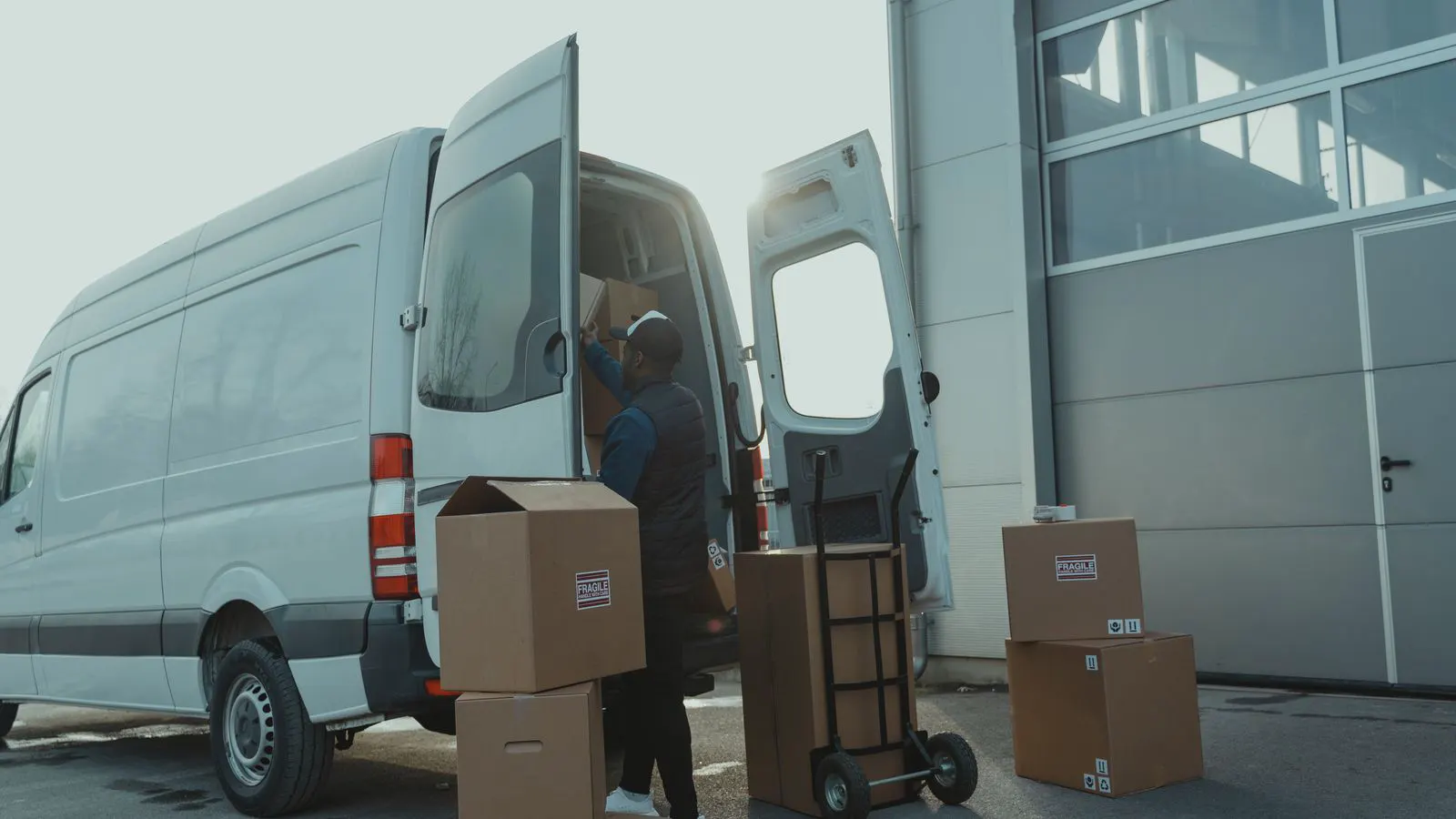
Shipping and customs add another layer. Heavy palletizing equipment often ships in multiple crates. You need a crane for unloading. If the machine requires special electrical work, a qualified electrician must be on site. These factors delay the start of commercial production. Check the shipping terms. If the vendor ships by sea, the transit time can be long. If you ship by air, the cost is high but the time is short. The weight of the machine matters here. A palletizer with a heavy steel base is difficult to ship by air. Most vendors ship large units by sea or rail. You must account for the time between order and the moment the machine is ready to run.
How to write a clear RFQ for accurate quotes
Vendors give better quotes when they understand the exact job. A vague request for a “palletizing machine” leads to generic proposals. A clear RFQ forces the vendor to specify components. This reduces the gap between the quoted price and the final invoice. When you send a vague request, the vendor will quote a mid-range machine to cover their bases. This machine may be too expensive for your needs or too weak for your product.
List the following details in your request for quotation:
- Case dimensions and weight. Provide length, width, height, and average weight. Include the tolerance. If your cases vary by 1 cm, state that. The gripper must handle that variation.
- Target throughput. State the number of cases per hour and the number of cases per pallet. A machine that does 1,000 cases per hour differs from one that does 5,000. The cycle time changes the hardware.
- Pallet type. Specify the pallet size and material. Wood, plastic, or mixed. Wood pallets are uneven. Plastic pallets are uniform. The pallet sensor and stacker must be designed for the specific material.
- Integration requirements. List the conveyors, sensors, or software systems the machine must connect to. If you have a barcode scanner upstream, state that. The palletizer must read the code and send it to the log.
- Certification needs. State if you require CE, UL, or other regional safety marks. These marks affect the design of the safety guards and the control cabinet.
- Installation environment. Provide the floor space, ceiling height, and electrical supply available. A machine that needs a 200V supply cannot run on a 110V line. The space must allow for maintenance and loading.
Including these details helps the vendor select the right robot arm, end effector, and control system. It also makes it possible to compare multiple vendors on the same basis. If Vendor A quotes a machine for a 5 kg case and Vendor B quotes for a 15 kg case, you cannot compare the prices. You must standardize the specification first.
How to compare quotes fairly
Do not compare the total price of two machines without looking at the line items. One vendor may quote a lower machine price but exclude installation, programming, and spare parts. Another may include everything in the final number. You need to break down the cost. Look at the robot arm, the end effector, the control cabinet, and the shipping. If one vendor excludes the crane for unloading and another includes it, the net cost is different.
Check the end effector. A vacuum gripper for uniform cartons costs less than a suction cup with a sensor for irregular shapes. A parallel gripper for heavy boxes requires a stronger motor. The end effector is a major cost center. If your product changes shape or size, the gripper must adapt. A simple vacuum gripper fails if the carton has a cutout. A multi-point gripper holds the carton firmly but costs more. Match the gripper to the product.
Check the safety features. Light curtains, safety mats, and interlocks are standard in many regions. If your site requires specific safety levels, the cost increases. Look for the safety controller brand and certification level. A basic light curtain stops the arm when a hand enters the zone. An advanced system with a safety controller can reduce the speed of the arm before it stops. This allows for faster operation in certain areas. The safety controller must be rated for the application.
Compare the service terms. A vendor with a long lead time may offer a lower price but poor after-sales support. A vendor with a shorter lead time may charge more but provide on-site training and extended warranty. Factor these factors into the capital investment decision. A machine that breaks down and sits idle for two weeks costs more than the extra cost of a better service plan. You are buying a service as much as you are buying a machine.
Cost drivers and typical ranges
The table below lists the main cost drivers for case palletizers. Prices vary by region and supplier. Use this table to structure your evaluation.
| Cost Driver | Low End | High End | Notes |
|---|---|---|---|
| Payload Capacity | 2-5 kg | 15-25 kg | Heavier cases require stronger arms |
| Automation Level | Manual infeed | Full automated infeed | More automation means higher cost |
| End Effector | Vacuum gripper | Multi-point gripper | Gripper type matches case shape |
| Control System | Basic PLC | Advanced network | Integration adds complexity |
| Certification | Regional only | CE and UL | Multiple marks increase testing time |
| Service Plan | Remote support | On-site training | Training reduces setup time |
The table provides a baseline. The low end represents a simple, manual system. The high end represents a complex, integrated system. The gap between the two is where your budget lives. You must decide which features you need and which you can do without. Do not buy high-end features if you do not need them. Do not buy low-end features if they will limit your growth.
How to manage capital investment risk
Capital investment for case palletizers is significant. To reduce risk, phase the project. Start with the core palletizer. Add automation later if the machine meets the target throughput. This lowers the initial outlay and allows you to test the process. If the machine does not work as expected, you have not spent the full amount. You can adjust the design before committing to the full automation package.
Negotiate payment terms. A standard structure is 30 percent deposit, 60 percent before shipment, and 10 percent after acceptance. Avoid paying the full amount before the machine is tested. Keep a portion of the payment tied to successful performance at your site. If the machine fails to meet the throughput target, you can negotiate a discount or a credit. This protects your cash flow and your quality standards.
Verify the warranty terms. A one-year warranty is common. Check what is covered. Parts, labor, and on-site service are all separate. Ask if spare parts are included in the initial package. A broken end effector at launch can stop production for weeks if you must wait for a replacement. Have a stock of critical spares on hand. The warranty covers the repair, but it does not cover the downtime.
What to check before signing the contract
Before you sign, confirm the delivery date in writing. Ask for a milestone schedule. Key dates include design approval, component ordering, factory testing, and shipment. If the vendor cannot provide a realistic schedule, be cautious. A schedule that is too optimistic is a sign of poor planning. A realistic schedule includes time for delays.
Check the installation requirements. Who installs the machine? Who handles the electrical connections? Who is responsible for the floor reinforcement? Put these responsibilities in the contract. Ambiguity here causes delays and extra costs. If the floor is not reinforced, the machine will vibrate and damage the structure. If the electrical work is not done, the machine will not start. These are not small issues. They are critical to the start of production.
Ensure the documentation is complete. You need the operating manual, electrical schematics, and software license. Without these documents, you cannot maintain the machine or train new operators. Request a copy of the documentation list before shipment. The documents must be in a language you can read. If the manual is in another language, you cannot use it.
Final thoughts
Case palletizer pricing and lead times are manageable when you define the requirements clearly. The cost is driven by payload, automation, and integration. The lead time is driven by custom components and testing. A clear RFQ and a detailed contract reduce uncertainty. Focus on the total cost of ownership, not just the sticker price. Plan for installation and training from the start.
Frequently asked questions
How long does it take to get a custom case palletizer?
Custom builds often take several months. The timeline depends on component sourcing, software development, and factory testing.
What is the biggest cost factor in a case palletizer?
The robot arm and end effector are usually the highest cost components. Automation level and integration complexity also raise the price.
Can I buy a standard case palletizer if my cases are irregular?
Standard machines are designed for uniform cases. Irregular cases may require a custom end effector or additional vision systems.
How does lead time affect my production start date?
Lead time includes manufacturing, shipping, and installation. You must allow time for site preparation, electrical work, and operator training before production begins.
What documents should I request before signing a contract?
Request a detailed scope of work, a milestone schedule, a warranty terms document, and a list of included spare parts.