Buyers Guide to Cost-Effective Packaging Automation
Evaluating packaging automation cost requires more than a sticker price. This guide explains how to calculate ROI analysis using labor, throughput, and maintenance data. It provides a framework for selecting machinery that improves profitability within your production budget.
- Total cost of ownership includes installation, training, and maintenance, not just the purchase price.
- ROI analysis must account for labor savings, defect reduction, and increased throughput.
- A criteria table helps compare vendors against specific production constraints.
- A decision checklist ensures the final machine selection supports long-term profitability.
Why Sticker Price Misleads Budgeting
The purchase price of a packaging machine is only the beginning of the financial picture. Buyers often compare two quotes based on the initial capital outlay, missing the total cost of ownership. This approach ignores installation, electrical upgrades, and the ongoing maintenance required to keep the line running. A machine that costs 10 percent more but requires half the maintenance hours can be the cheaper option within the first year of operation.
When evaluating packaging automation cost, you must look at the full lifecycle. A machine that requires frequent downtime for repairs will erode any labor savings it provides. Conversely, a higher-priced unit with lower maintenance needs can pay for itself faster. Consider a scenario where a rigid packaging line stops for two hours every week to replace worn seals. If the lost production value during those two hours exceeds the annual cost of the seals, the machine is actually costing you money despite its low purchase price.
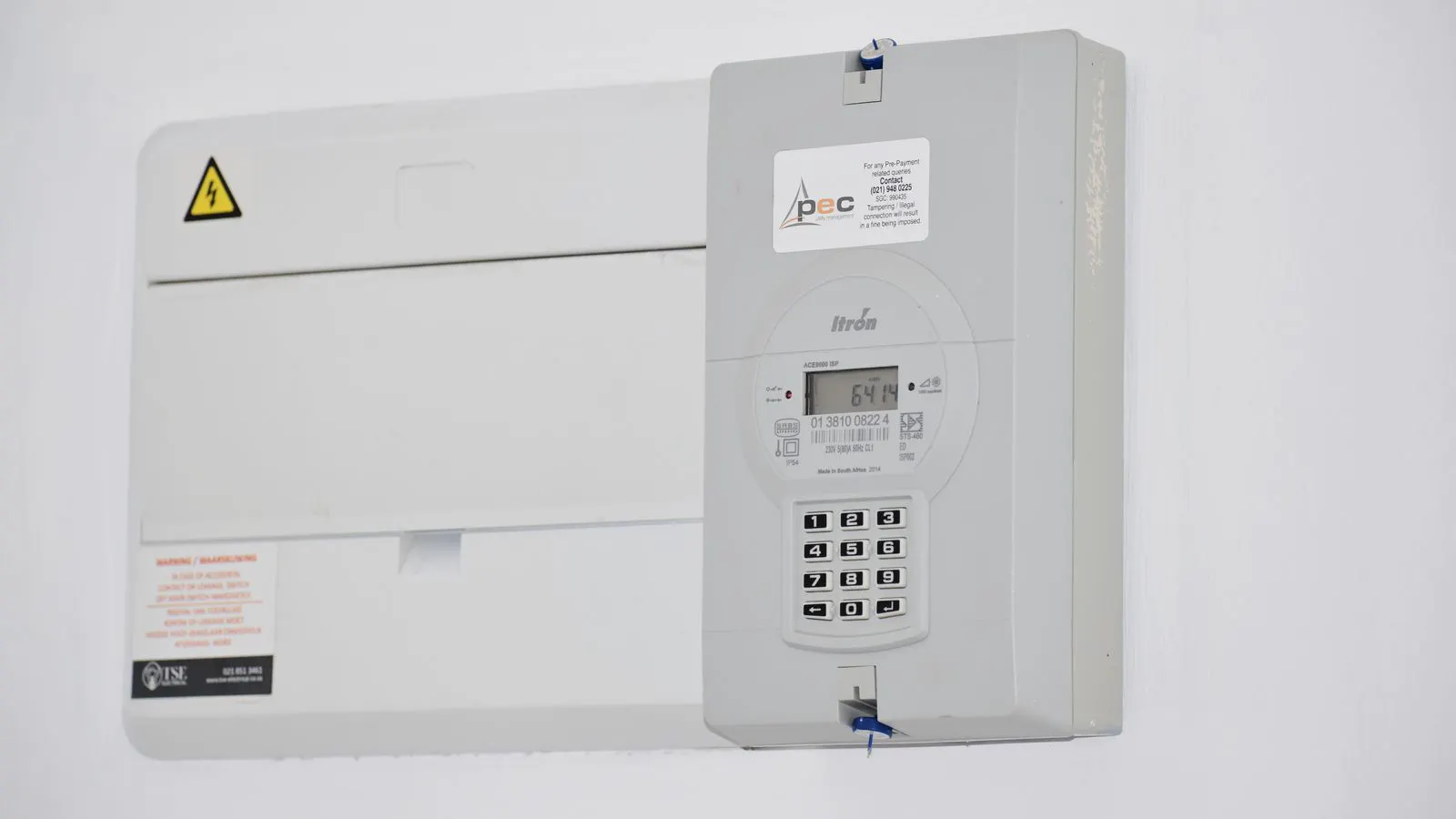
You need a baseline before selecting any new equipment. Measure your current production speed, labor hours, energy usage, and defect rates. Without these numbers, you cannot measure the return on a new machine. Walk the floor during a typical shift. Count how many cases an operator packs per hour. Record the electricity bill from the meter dedicated to the packaging area. Note the percentage of finished goods that fail the final inspection. These raw data points form the foundation of any credible financial model.
How to Calculate Machine Investment Value
The first step in ROI analysis is defining the financial baseline. Your current process likely involves manual handling, semi-automated filling, or older equipment with high failure rates. Document these variables for a specific period, such as a quarter or a fiscal year. Avoid using annual averages if your production volume fluctuates seasonally. Use the actual month with your highest demand to represent peak conditions.
Identify the direct costs associated with the manual or legacy process. This includes wages for the operators, the cost of materials wasted due to poor accuracy, and the time spent on manual quality checks. These figures form the starting point for your comparison. For example, if a manual packing station uses two people earning $18 per hour and wastes 4 percent of the product due to improper sealing, the direct cost per unit is higher than the wage rate alone suggests. Include the cost of the wasted material in that calculation.
Next, estimate the savings the new machine will generate. Look at labor reduction, where the machine handles a task that previously required three operators. Consider throughput gains, such as the machine running faster than the current line. Finally, factor in defect reduction, which lowers scrap costs and waste. Be conservative with your estimates. If a vendor claims the machine will cut defect rates by half, plan for a 25 percent reduction in your model. Overpromising on savings during the analysis phase leads to disappointment during the audit phase.
The calculation for ROI analysis is straightforward. Take the net annual benefits and subtract the total annual costs. Divide that number by the total initial investment. This gives you the return percentage. A positive number indicates the machine will pay for itself. A higher percentage means the investment pays back faster. Remember to include the cost of the machine’s installation and training in the denominator. A machine that costs $50,000 but requires $10,000 in electrical work has an initial investment of $60,000, not $50,000.
The Impact of OPEX on Long-Term Savings
Operating expenses often dominate the cost of running a packaging line. Energy consumption, spare parts, and preventive maintenance form the core of OPEX. When you buy a machine, you must project these costs for at least three to five years. Do not rely on a single year of data. Inflation and changing production volumes will shift the numbers annually.
High energy consumption is a common hidden cost. Large pneumatic systems and continuous drive motors draw significant power. Check the energy efficiency ratings of different components. Look for motors with variable speed drives, which can reduce power draw during idle or low-speed operation. A machine that runs at full speed even when the downstream conveyor is stopped wastes energy. Verify that the machine’s control software can automatically adjust speed based on the actual demand of the line.
Spare parts availability affects downtime costs. If a machine uses proprietary parts that take weeks to order, your line stops. This loss of production value can outweigh the cost of the parts themselves. Choose machines with common components or reliable local support. Before signing a contract, ask the vendor for the part number of the most frequently replaced item. Check if that part is available from a standard industrial supplier or if it requires a special order.
Preventive maintenance requires time and materials. Some machines need frequent lubrication or belt adjustments. Others are designed for longer intervals. Review the maintenance schedules provided by vendors. A machine that requires daily attention will increase your labor costs significantly. Ask about the mean time between failures for key components. If the data shows that a specific belt wears out every 500 hours, budget for that replacement in your annual OPEX forecast.
Criteria for Comparing Automation Options
Use the criteria table below to evaluate potential machines against your specific production goals. This table focuses on practical factors that affect your bottom line.
| Criterion | What to look for | Why it matters |
|---|---|---|
| Throughput Capacity | Machine speed matches or exceeds peak demand | Prevents bottlenecks and maximizes revenue |
| Labor Reduction | Number of operators required to run the line | Directly reduces wage expenses |
| Energy Efficiency | Power consumption at full and partial load | Lowers utility bills and environmental impact |
| Maintenance Frequency | Interval between required service and inspections | Reduces downtime and spare parts costs |
| Scalability | Ability to adjust speed or format without new hardware | Protects your investment as product mix changes |
| Integration | Compatibility with existing PLCs and ERP systems | Ensures smooth data flow and production planning |
When reviewing these criteria, prioritize based on your biggest pain point. If labor is your highest cost, focus heavily on labor reduction. If energy prices are volatile, prioritize efficiency ratings. The table helps you align the machine’s features with your specific financial constraints. Do not treat all criteria as equal. A machine that scores high on energy efficiency but fails on scalability may still be a poor choice if your product mix changes frequently.
Common Mistakes in Cost Evaluation
Buyers frequently make errors that distort their financial projections. One common mistake is ignoring installation costs. A machine often requires new flooring, electrical panels, or structural supports. These costs can be substantial and must be included in the initial investment. A heavy case packer may need a reinforced concrete slab. If you install it on a standard wooden floor, the vibration will cause misfeeds and break parts. The cost of the slab is part of the machine’s true cost.
Another error is underestimating training time. New operators need time to learn the machine’s interface and safety protocols. During this period, production speed may be lower than expected. Factor this learning curve into your ROI analysis. Plan for at least two weeks of reduced output during the initial rollout. If the machine has complex safety interlocks, training may take longer. Assign a dedicated trainer from the vendor or a senior operator to guide the team through the first few weeks.
Ignoring the cost of scrap is another error. If the new machine reduces defects, your savings increase. If it has a high learning curve and produces more waste initially, your savings decrease. Test the machine’s accuracy before finalizing your budget. Run a short trial batch with the new equipment. Measure the waste rate and compare it to your current baseline. If the trial shows higher waste, negotiate a longer warranty period or request additional training support.
Finally, do not forget the cost of obsolescence. Technology changes quickly. A machine that is efficient today may become outdated in three years. Consider the vendor’s roadmap for software updates and hardware upgrades. This helps ensure your investment remains relevant. Ask if the machine supports future barcode scanning standards or new labeling formats. If the vendor does not provide a clear update path, factor in the risk that you will need to replace the machine sooner than planned.
Decision Checklist for Final Selection
Use this checklist to verify your decision before signing the purchase order. It ensures you have considered all major financial factors.
- Confirm that the total cost of ownership, including installation and training, fits within your budget.
- Verify that the machine’s throughput meets your peak production demands without creating bottlenecks.
- Check that the vendor provides a clear maintenance schedule and access to spare parts.
- Ensure the machine integrates with your existing production software and data systems.
- Calculate the payback period using conservative estimates for labor savings and throughput gains.
- Confirm that the machine’s energy consumption aligns with your sustainability and cost targets.
- Review the warranty terms and support response times to minimize long-term risk.
This checklist provides a final check on your financial analysis. It helps you avoid costly mistakes and ensures the selected machine delivers the expected return on investment. Walk through each item with your finance team and your operations lead. Get written confirmation that the installation costs are covered in the budget. Verify that the support agreement includes a specific response time for critical failures.
How to Monitor ROI After Installation
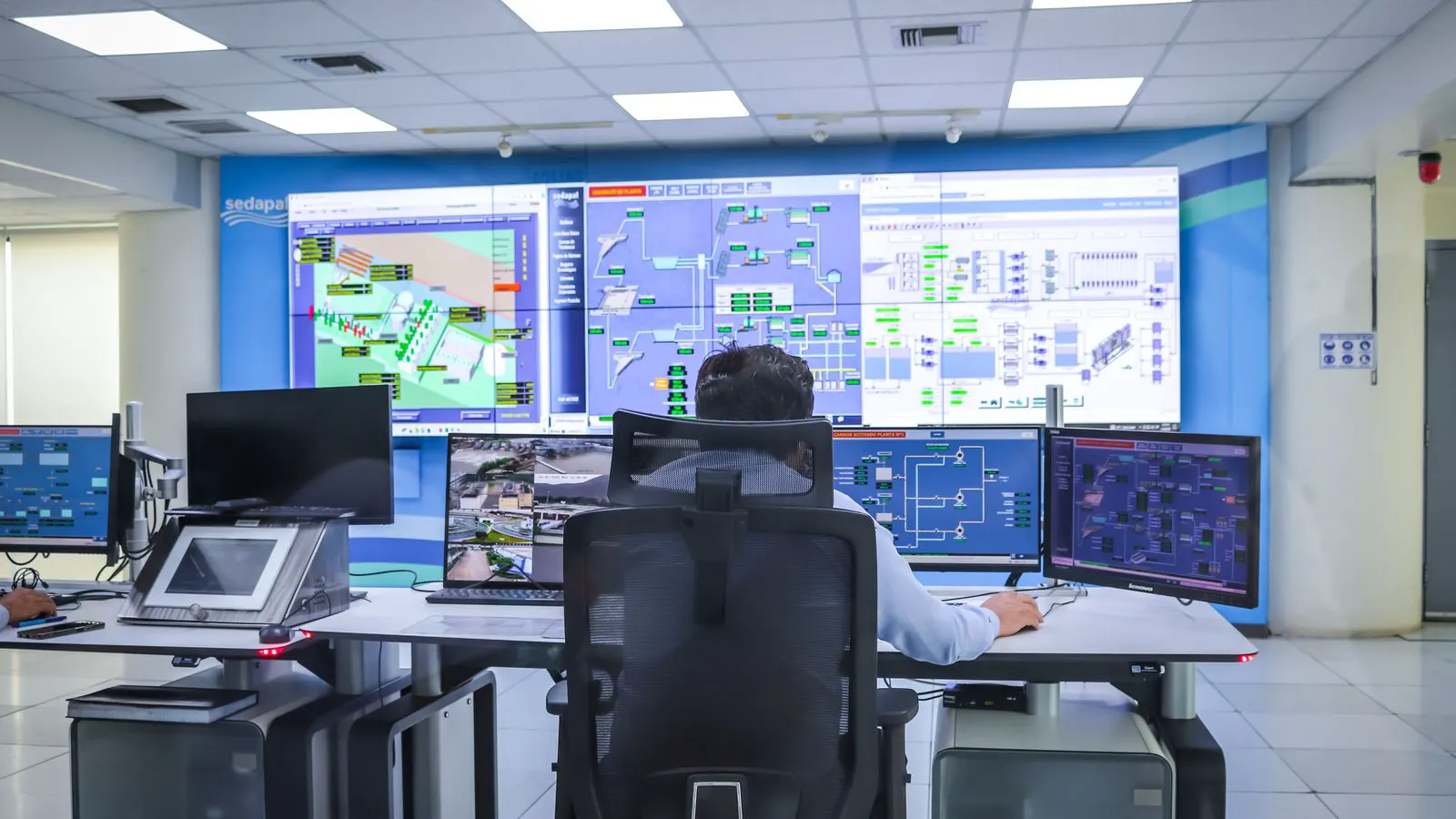
Once the machine is running, you must track its performance to validate your initial projections. Set up a dashboard to monitor key performance indicators. Track throughput, defect rates, energy usage, and maintenance downtime. Use the machine’s built-in data logger if available. If not, install a simple external meter to measure energy draw.
Compare these metrics against your baseline data. If the machine is not meeting the projected savings, investigate the cause. Is the operator not trained properly? Is the line speed set too low? Is there a recurring defect? Do not assume the machine is failing. Often, the issue is a misconfiguration or a lack of operator familiarity. Review the first month of data carefully to identify patterns.
Regular reviews allow you to adjust operations. You might need to retrain staff or adjust the machine’s settings. This ongoing monitoring ensures the machine continues to deliver value. It also helps identify opportunities for further optimization. Look at the maintenance logs. If a specific part fails more often than expected, investigate the root cause. It might be a calibration issue or an environmental factor like dust or humidity.
Tracking ROI after installation turns the purchase from a one-time event into a continuous improvement process. It ensures you get the most value from your machine investment over its entire lifecycle. Schedule a quarterly review with your team to assess the machine’s performance against your financial goals. If the machine is underperforming, address the issue immediately. Do not wait until the annual audit to discover that the investment is not paying off.
Frequently asked questions
How long does it typically take to see a return on packaging automation?
The payback period varies by industry and machine type. Most buyers see a return within one to three years, depending on labor savings and throughput gains.
What are the most common hidden costs in packaging automation?
Hidden costs often include installation, electrical upgrades, training, and unexpected maintenance. These should be included in your total cost of ownership.
How does energy efficiency affect the ROI of a packaging machine?
Energy efficiency reduces utility costs, which lowers the total operating expense. This improves the ROI by reducing the annual cost of running the machine.
Can I calculate ROI if I do not have exact labor data?
You can estimate labor costs using industry averages or your current payroll records. Use conservative figures to ensure the ROI analysis is realistic.
What should I do if the machine does not meet the projected ROI?
Review the machine's performance data and identify the cause of underperformance. Adjust operations, retrain staff, or contact the vendor for support.