Explainer: What Is a Wrapping System for Soft Goods Packaging
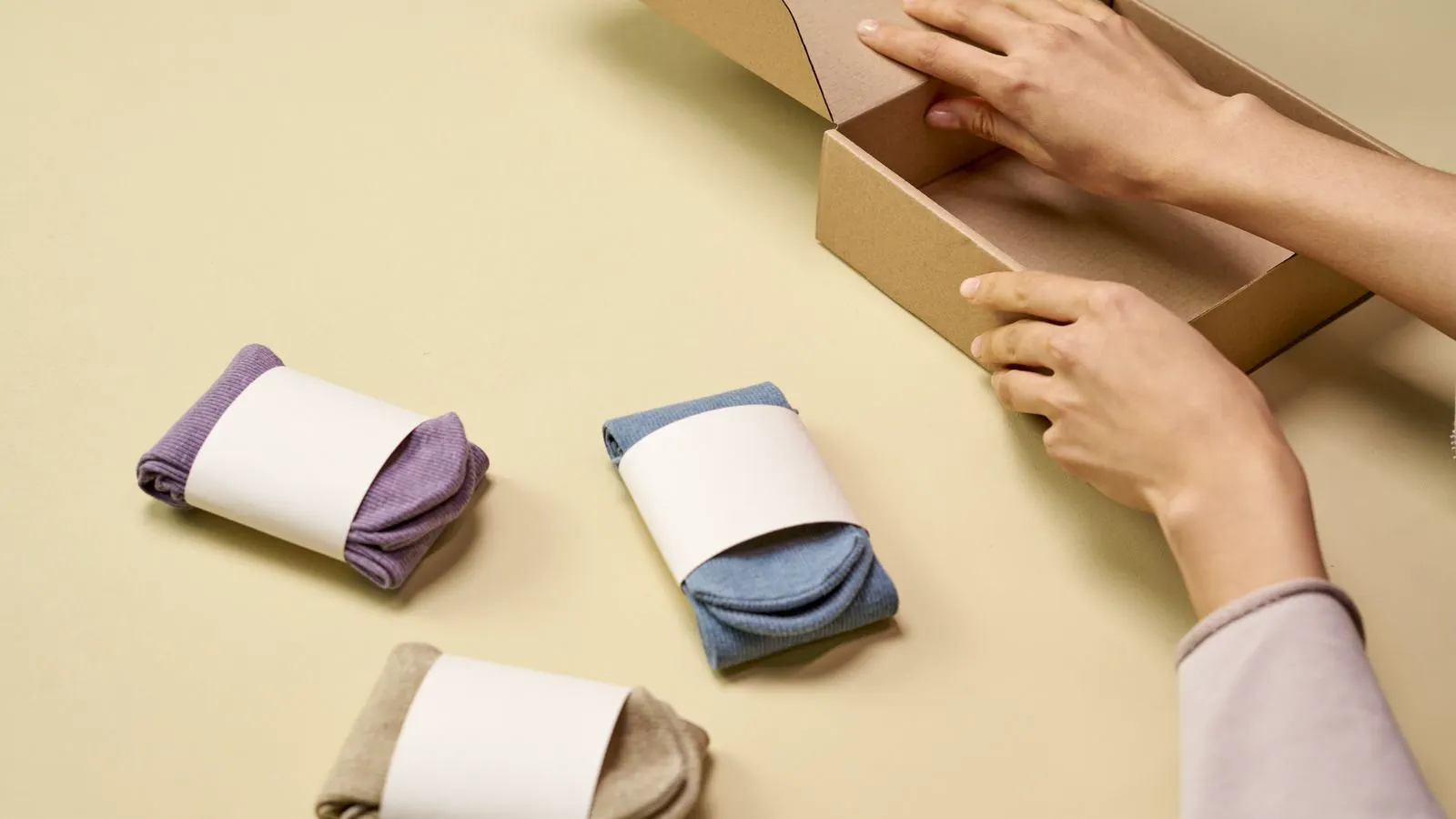
A wrapping system is a machine configuration that moves flexible products through film, label, and seal zones. It protects soft goods from damage. Understanding its parts helps buyers specify the right equipment for irregular shapes.
- A wrapping system for soft goods integrates film feed, product guide, label placement, and sealing into a continuous flow.
- Soft goods require flexible guides and tension control to prevent damage during wrapping.
- Label placement must align with film movement to avoid misregistration on flexible products.
- Seal quality depends on temperature, pressure, and dwell time, which vary by film type.
- Maintenance of rollers and sensors is critical for consistent operation on non-rigid loads.
A wrapping system for soft goods is not a single machine. It is a coordinated set of mechanical, pneumatic, and electrical elements that move a flexible product through a defined path. The product enters, receives a layer of protective film, gets a packaging label applied, and exits as a sealed unit. The goal is simple. Keep the product intact while adding the necessary protective and identification layers.
Soft goods differ from rigid items. They shift, compress, and deform under pressure. A blanket that folds, a pillow that compresses, or a garment that creases will not sit still on a conveyor. The machinery must accommodate that movement without crushing or tearing the product. This is where the design choices matter most.
How Does the Film Handling Section Work
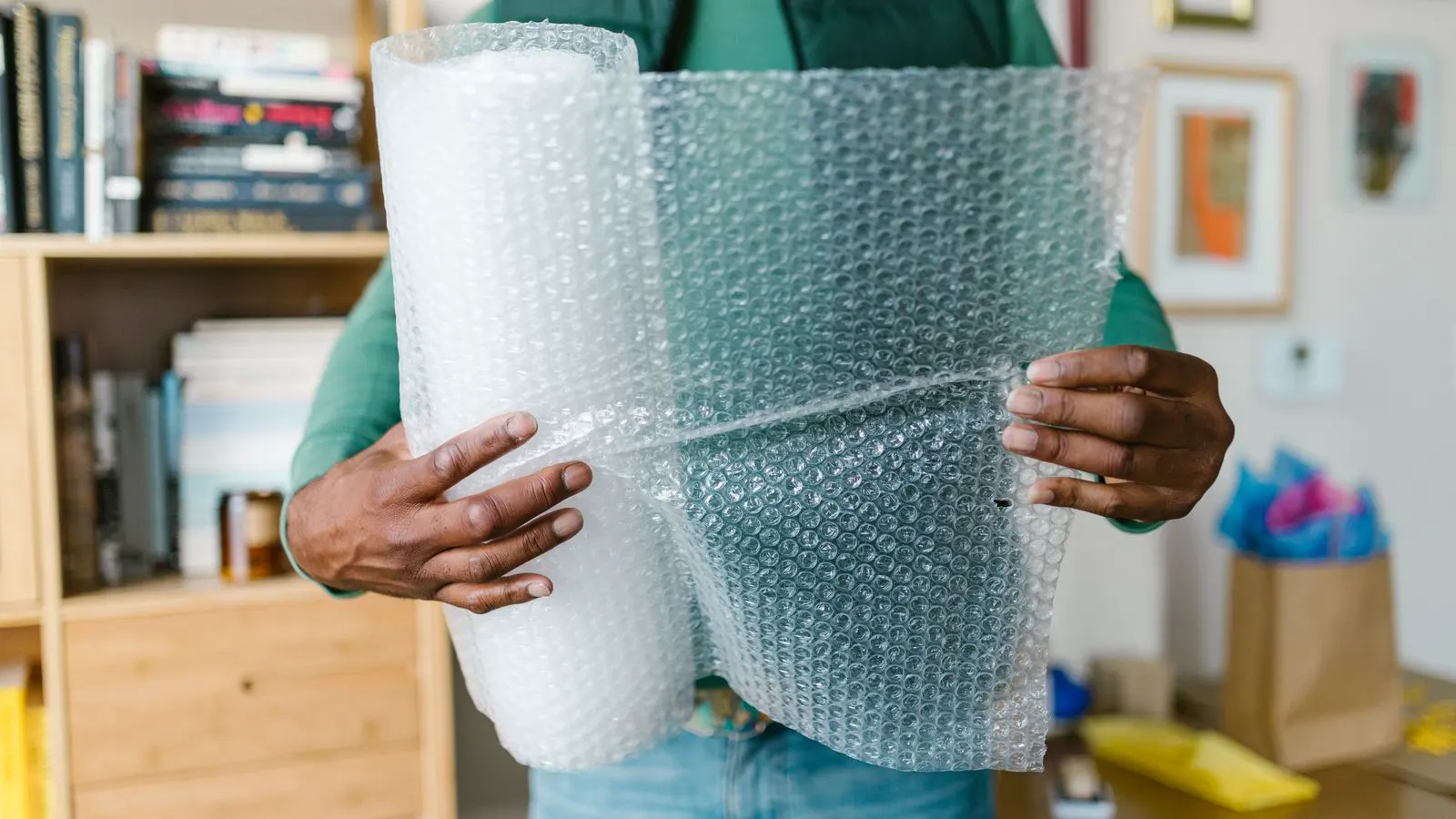
The film feed mechanism pulls a continuous web of plastic from a roll. The web passes through a series of rollers that maintain tension. Each roller has a specific function. The unwind roller feeds the film from the roll. The tension roller controls the pull. The guide roller keeps the web centered.
For soft goods, the film must stretch or flex around the product shape. The tension must be low enough to avoid crushing the item but high enough to prevent the film from slipping. Many systems use slip clutches or servo-controlled motors to adjust tension in real time. If the product is larger than expected, the system can release a small amount of film to accommodate the extra size.
The film gauge, or thickness, is a major sourcing decision. Thinner film uses less material and costs less per unit. It is lighter and easier to handle. Thicker film provides more protection and can withstand higher temperatures during sealing. For soft goods that might be handled roughly in transit, a slightly heavier film is often preferred. The choice depends on the product weight, the handling method, and the required protection level.
What Role Do Product Guides Play
Product guides are the physical surfaces that direct the soft goods through the machine. They are not rigid walls. They are flexible, often made of coated steel or plastic, and they move with the product. A flat guide might push a blanket to the center. A curved guide might support a cylindrical pillow.
The guide design is the most critical part for soft goods. A guide that is too rigid will tear the product. A guide that is too loose will allow the product to drift off center. The operator must set the guide width and height to match the product dimensions. For variable shapes, the guides may be adjustable or even spring-loaded to conform to the product.
Misalignment here causes downstream problems. If the product drifts, the label will not land in the correct position. If the product shifts during sealing, the seal may be incomplete. The guides must be inspected regularly for wear. Worn edges can catch and tear the product. The material of the guide surface matters too. A smooth, low-friction surface reduces drag and helps the product move freely.
How Is the Packaging Label Applied
The packaging label is the identification element. It carries the product name, size, and any regulatory information. For soft goods, the label must adhere to the film, not the product, unless the product surface is suitable for direct adhesion. In most cases, the label is applied to the outside of the film after the film has been wrapped around the product.
Label application systems can be pre-labeling or in-line. Pre-labeling applies the label to the film web before the product enters the machine. The label is positioned on the film, and the product passes through the label area. This method is fast but requires precise synchronization. In-line labeling applies the label after the product is wrapped. The label is pressed onto the sealed film. This method allows for better alignment on irregular shapes but adds a step to the process.
For soft goods, in-line labeling is often preferred. The product shape is already defined when the label is applied. The label applicator can adjust its position based on the product size. A vision system may detect the product center and adjust the label placement accordingly. Without vision, the operator relies on mechanical guides to keep the product and label aligned. The label pressure must be firm enough for adhesion but gentle enough to avoid damaging the soft product underneath.
What Determines Seal Quality
The sealing process closes the film around the product. It creates a barrier that protects the item and holds the label in place. Sealing uses heat, pressure, and time. The seal jaws apply heat to the film edges. Pressure holds the edges together. Time, or dwell time, allows the film to melt and bond.
The seal parameters must match the film type. A polyethylene film seals at a different temperature than a polypropylene film. Soft goods often use lighter films, which require lower temperatures to avoid melting through to the product. The seal width must be sufficient to withstand the forces the package will experience. A narrow seal may fail under tension. A wide seal uses more material but provides a stronger bond.
The seal area must not overlap the label area. If the seal overlaps the label, the adhesive may be damaged, and the label may peel. The layout of the film, label, and seal must be planned carefully. The seal jaws must be clean. Residue from previous runs can prevent proper bonding. The temperature sensors must be calibrated. A sensor error can lead to under-sealing or over-sealing.
What Is the Operational Flow
The operational flow is a continuous cycle. The product is fed into the machine. The film is unwound and wrapped around the product. The label is positioned and applied. The film is sealed. The finished package is ejected. The cycle time is determined by the slowest step. If the label applicator is slower than the seal, the line slows down. If the seal is slower, the product waits.
The flow is controlled by a programmable logic controller, or PLC. The PLC reads inputs from sensors and sends commands to motors and valves. Sensors detect product presence, film tension, label registration, and seal temperature. The PLC adjusts the machine speed to match the product flow. A soft goods line often runs at a moderate speed. Speed is not the primary goal. Consistency and product protection are.
An operator monitors the line visually and through the control panel. They check the product entry, the film wrap, the label placement, and the seal quality. They adjust the machine settings when the product size changes. They clean the guides and seal jaws during scheduled breaks. The operator’s role is to catch problems before they damage the product or the machine.
| Component | Function | Key Consideration for Soft Goods |
|---|---|---|
| Film Unwind Roller | Feeds film from the roll | Must allow variable tension for flexible products |
| Product Guide | Directs the product path | Must be flexible and adjustable to avoid crushing |
| Label Applicator | Places the packaging label | Must align with product shape for accurate placement |
| Seal Jaws | Closes the film with heat and pressure | Must match film type and avoid overlapping labels |
| Vision System | Detects product and label position | Helps adjust alignment on irregular shapes |
What Mistakes Lead to Poor Performance
Several common mistakes reduce the quality of the final package. One is using a guide that is too rigid. The product gets pinched, and the film tears. Another is setting the seal temperature too high. The film melts and sticks to the soft product, making it difficult to remove.
A third mistake is neglecting the label adhesive. If the adhesive is not suitable for the film, the label will not stick. It may peel off during handling. The operator must check the label adhesion regularly. A label that looks fine in the machine may fail in storage. The adhesion test is a simple pull test. If the label lifts easily, the adhesive is weak.
A fourth mistake is poor tension control. If the film tension is too high, the product is crushed. If it is too low, the film slips off the product. The tension must be adjusted for each product size. The machine settings must be saved for each product type. Switching products without adjusting the tension leads to defects.
A fifth mistake is ignoring the seal jaw condition. Worn or dirty jaws create uneven seals. The seal may be weak on one side. The operator must clean the jaws after each run. They must replace worn parts. A small defect in the seal can lead to a customer complaint.
How to Source the Right Wrapping System
Sourcing a wrapping system for soft goods starts with defining the product. The operator must describe the product shape, size range, weight, and fragility. The machine must handle the smallest and largest items in the batch. The guide width must be adjustable. The film tension must be variable.
The operator must define the label requirements. The label size, placement, and adhesion method must be specified. The machine must apply the label without damaging the product. The seal parameters must match the film type. The operator must provide the film gauge and material.
The machine layout must fit the plant floor. The feeding area, the wrapping area, and the discharge area must have enough space. The operator must consider the material handling. How does the product get to the machine? How does the finished package leave the machine? The machine must integrate with the existing line.
The operator must also consider maintenance access. The guides, seals, and label applicators must be easy to reach. The sensors must be cleanable. The machine must allow for quick changeovers. A soft goods line often handles multiple products. The changeover time must be short. The machine settings must be stored and recalled quickly.
The final decision is based on the balance of protection, speed, and cost. A faster machine may not protect soft goods well. A slower machine may be too expensive to run. The operator must find the balance that meets the product requirements and the budget. The machine must be reliable. Downtime on a soft goods line is costly. The product can be damaged if the machine stops and restarts improperly.
The wrapping system is a tool. It does not replace good process control. The product must be prepared for the machine. The film must be of consistent quality. The labels must be cut correctly. The operator must be trained. The machine must be maintained. When all these elements work together, the system produces a clean, protected, and properly labeled package for soft goods.
Frequently asked questions
What is the main difference between a wrapping system for soft goods and one for rigid items?
Soft goods require flexible guides and variable tension control. Rigid items can be handled with fixed guides and higher tension. The soft goods system must avoid crushing the product.
Can a single wrapping system handle multiple soft product sizes?
Yes, if the guides and tension controls are adjustable. The operator must change settings for each size. Some systems use vision to auto-adjust for variable shapes.
Why is the seal area placement important for soft goods?
The seal must not overlap the label or damage the product. The layout must be planned to keep the seal away from the label and away from fragile product areas.
What should an operator check first when a label peels off?
The operator should check the adhesive type and the seal temperature. If the seal is too hot, it may damage the adhesive. The label adhesion test should be performed regularly.
How does film gauge affect the wrapping system settings?
Thicker film requires higher seal temperatures and more tension. Thinner film requires lower temperatures and less tension. The operator must match the settings to the film gauge.