Buyers Guide: Selecting Wrapping Machines for Bulk Bags
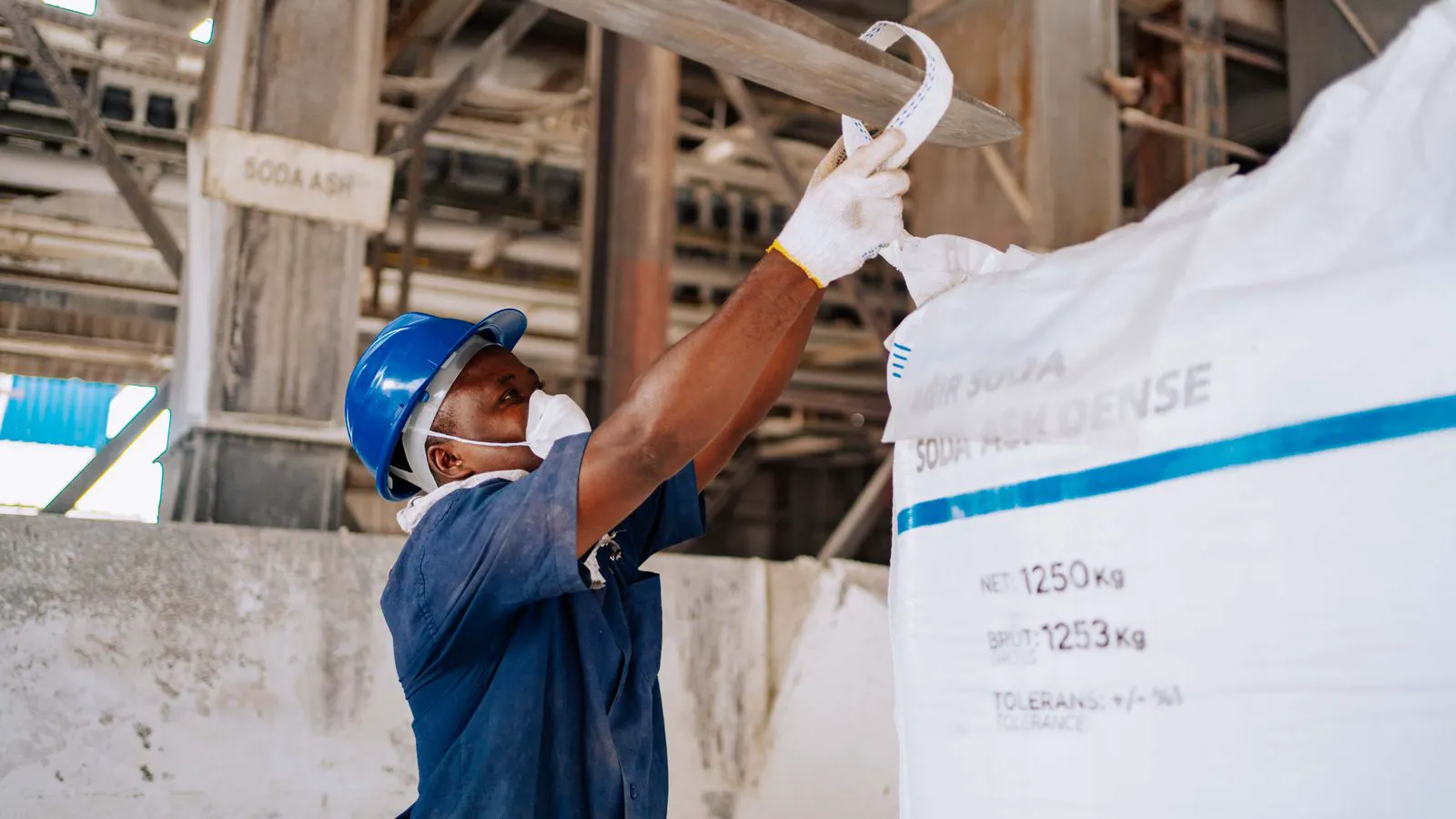
Choosing a bulk bag wrapping machine requires checking seal integrity, film handling, and machine size. This guide lists key criteria for buyers to ensure reliable sealing of large, irregularly shaped containers.
- Prioritize seal integrity and film handling over speed for irregularly shaped containers.
- Match the machine's envelope or wrap size to your largest bag plus slack.
- Verify material compatibility with the film and liner used in your operation.
- Test the machine on actual product loads before finalizing a purchase.
- Confirm service parts and local support availability for your region.
Why Irregular Shapes Change Machine Selection
Bulk bags do not behave like rigid palletized goods. They shift, sag, and change volume as the film wraps around them. A machine that handles uniform cartons may struggle with a 1.2 tonne bag that leans against the side rails. Importers must choose equipment based on how it manages this variability.
The machine must capture the bag, pull the film tight enough to create a seal, and release the bag without tearing the liner or film. The wrapping pattern matters too. A simple overwrap may not provide the compression needed for transport. A full encasement system offers more control but costs more to operate.
Film Handling and Seal Integrity
Film handling is the core of any large format wrapping system. The film must feed without tearing, stretch without slipping, and release cleanly at the seal point. Look for a machine with a film guide that adjusts to different film thicknesses. A fixed guide can create wrinkles or loose loops on the bag.
Seal integrity determines whether the package survives loading and shipping. Check the seal width and temperature control. A narrow seal may work for light loads but fails under tension. A wide seal holds better but uses more film. Temperature control must be precise. Too hot and the film melts. Too cool and the seal cracks.
The seal bar should be clean and undamaged. Look for a machine with a removable seal plate. This makes cleaning easier and extends the life of the sealing element. A clogged seal bar creates weak points that fail during transport.
Envelope and Wrap Size
The physical size of the machine matters more than the speed. Measure your largest bag, including the fill height and the slack needed for film. Add extra space for the wrap overlap. A machine sized too small will force the bag to tilt or hang over the frame. This creates uneven tension and weak seals.
For overwrap systems, the machine needs a frame or arm that reaches over the top of the bag. For encasement systems, the bag moves into a frame that wraps from the sides. Encasement offers better compression but requires more floor space. Overwrap is simpler and cheaper but provides less control over the final shape.
Check the frame width. If your bags are 1.2 meters wide, a 1.0 meter frame will not work. The film must stretch across the full width without overloading the film feed. This stretch creates the compression that holds the bag together. If the film is too tight, it tears. If it is too loose, the seal fails.
Machine Frame and Load Capacity
The frame must support the weight of the bag plus the force of the film wrap. A lightweight frame will bend or warp under load. This changes the geometry of the wrap and creates uneven seals. Look for a steel frame with sufficient thickness. Check the weld points. These are the first to fail if the frame is under-designed.
The load capacity also affects the machine’s movement. If the bag is heavy, the frame or arm must move slowly to avoid shock loads. A fast cycle time can cause the bag to swing and tear the film. Set the cycle speed based on the heaviest bag you plan to run, not the lightest.
The base of the machine should be rigid. Any flex in the base translates to flex in the frame. This causes misalignment over time. A machine with a heavy cast base or a welded steel base will hold its position better than a thin tubular frame.
Motor and Drive System
The drive system controls how the film moves and how the frame wraps. A direct drive motor is simpler and more reliable than a belt drive. Belts stretch and slip over time. This changes the tension in the film. A direct drive maintains consistent tension and requires less maintenance.
The motor size must match the load. A small motor will stall when wrapping a heavy bag. This causes the film to pull backward and create wrinkles. Check the motor rating against the maximum film tension and wrap force. A motor with a safety margin will handle peak loads without damage.
The control system should allow you to set different tension levels for different bag sizes. A fixed tension setting will work for one bag type but fail for others. Variable tension control lets you adjust the wrap force for each load. This improves seal quality and reduces film waste.
Criteria Table
| Criterion | What to look for | Why it matters |
|---|---|---|
| Seal Width | 25mm to 50mm adjustable | Wider seals hold better under tension and prevent cracks during transport. |
| Film Guide | Adjustable for 20mm to 40mm thickness | Prevents film tearing and ensures consistent feed on irregular bags. |
| Frame Width | Sized for bag width plus 200mm slack | Allows proper film stretch and compression without overloading the film. |
| Load Capacity | Rated for maximum bag weight plus film force | Prevents frame flex and maintains consistent wrap geometry. |
| Motor Drive | Direct drive with variable speed control | Maintains tension consistency and handles peak loads without stalling. |
| Seal Bar | Removable plate with temperature control | Allows easy cleaning and precise temperature for reliable seal formation. |
| Control System | Programmable tension and cycle speed | Adapts to different bag sizes and weights for uniform quality. |
| Base and Frame | Heavy steel construction with welded joints | Provides stability and prevents misalignment over time. |
Service, Parts, and Support
A machine that fails in a remote location is a problem. Check what parts are available in your region. Seal plates, motor drives, and control boards are common failure points. If these parts take weeks to arrive, your production line stops.
Local service support matters more than a global brand name. A local technician can fix a jam in hours. A remote vendor may take weeks to send a part. Ask about service contracts. Many vendors offer annual maintenance plans that include on-site visits.
The machine should have a clear manual and training support. A detailed manual helps your operators understand the setup and troubleshooting steps. Training ensures your team can handle the machine safely and efficiently. A poorly documented machine leads to operator errors and reduced output.
Testing Before Purchase
Do not buy a machine without testing it on your actual product. Bring samples of your largest and heaviest bags to the vendor. Run them through the machine under normal conditions. Check the seal, the wrap, and the release.
Look for weak seals, film tears, or bag deformation. These are signs of poor design or incorrect sizing. Test the machine with your specific film type. Different films have different melting points and stretch properties. A machine tuned for one film may fail with another.
Run the machine for a few hours. Check for heat buildup in the motor and seal bar. Look for any unusual noise or vibration. These are early signs of mechanical issues. A reliable machine should run smoothly under continuous load.
Decision Checklist
- Measure your largest bag and add 200mm for film slack.
- Confirm the machine frame width matches your bag size.
- Check the seal width and temperature control range.
- Verify the motor drive type and load capacity rating.
- Test the machine on your actual bags and film type.
- Confirm service parts and local support availability.
- Review the maintenance requirements and service contract options.
Frequently asked questions
What film thickness should I use for bulk bag wrapping?
Film thickness depends on the bag weight and transport conditions. Lighter bags may use thinner film, while heavier bags require thicker film for better stretch and seal strength.
Can I use the same machine for overwrap and encasement?
Most machines are designed for one method. Overwrap machines have a frame that wraps from the sides. Encasement machines have a frame that wraps from all sides. Choosing the wrong method affects seal quality and compression.
How often should I clean the seal bar?
Clean the seal bar after every shift or when you notice seal defects. Residue from the film or bag liner can build up and weaken the seal. A clean seal bar ensures consistent seal quality.
What happens if the film is too thin for the bag weight?
A thin film may tear during wrapping or fail at the seal point. This exposes the bag liner and causes leaks. Use a film with enough thickness to handle the tension and weight of the bag.
How long does it take to set up a new wrapping machine?
Setup time depends on the complexity of the machine and your site conditions. A basic overwrap machine may take a day. An encasement system may take several days for installation and calibration.