Explaining Wrapping Machine Types for Flexible Packaging
Wrapping machine types define how flexible packaging is applied to products. Understanding vertical, horizontal, and rotary configurations helps buyers match the right equipment to their product shape, speed, and material constraints.
- Wrapping machine types are defined by how the film is applied to the product.
- Vertical, horizontal, and rotary configurations each suit different product shapes and line speeds.
- The wrapper type must match the product’s weight, size, and fragility.
- Film type and machine compatibility are critical for cost and quality control.
- Choosing the right configuration reduces waste and improves throughput.
What is a wrapping machine?
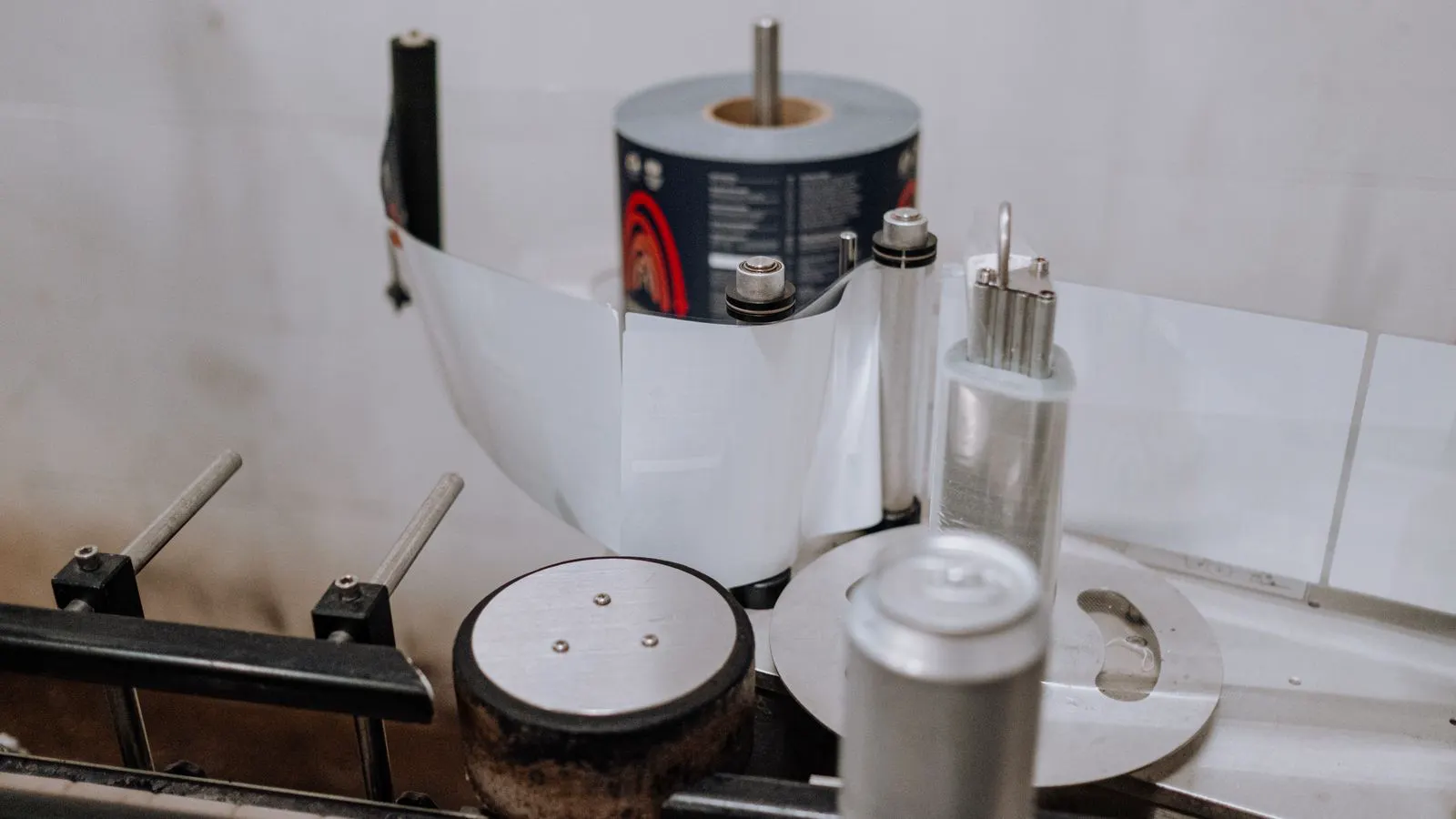
A wrapping machine is a packaging device that encases a product in a flexible material. The machine feeds a film or foil sheet, positions it around the product, and secures the wrap through heat, pressure, or adhesive. In flexible packaging, the wrapping machine applies films such as polyethylene, polypropylene, or laminated materials that are lightweight and moldable.
The term “flexible packaging” refers to packaging that bends or folds rather than holding a rigid shape. This category includes pouches, rolls, and sheets used for food, pharma, and consumer goods. Understanding the different mechanical configurations is essential for buyers evaluating how the machine will perform on their specific product.
How do vertical and horizontal wrapping machines differ?
Vertical wrapping machines apply film from above to below. The product moves vertically through the machine, and the film is folded over it. This design is common for tall or narrow products like bottles and cans. The vertical orientation keeps gravity from pulling the product out of alignment, which helps maintain consistent wrap quality.
Horizontal wrapping machines apply film from the sides. The product moves horizontally across the machine, and the film is wrapped around it. This configuration is often used for flat or wide products, such as boxes or trays. Horizontal machines can be faster for high-volume lines, but they require more space and precise product spacing to avoid film tearing.
The choice between vertical and horizontal wrapping depends on the product’s dimensions. A tall bottle is easier to wrap vertically, while a flat tray is better suited for horizontal wrapping. Buyers should measure their product height, width, and diameter before selecting a machine orientation.
What are rotary and wraparound configurations?
Rotary wrapping machines use a rotating drum or cylinder to hold the product while the film is applied. The product sits on a turntable that rotates as the film wraps around it. This configuration is ideal for round products like bottles, jars, and cans. The rotation ensures even film coverage and reduces the risk of wrinkles or gaps.
Wraparound machines apply film in a continuous loop around the product. The product is held in place, and the film is wrapped around it in a single pass. This type of machine is often used for multi-pack or group packaging. It is efficient for products that are already in a stable arrangement, as it does not require the product to move during wrapping.
The main difference between rotary and wraparound machines is how the product is positioned. Rotary machines rotate the product, while wraparound machines rotate the film. This distinction affects the machine’s footprint, speed, and the types of products it can handle.
How does the wrapper type affect sourcing decisions?
The wrapper type refers to the specific mechanism that applies and secures the film. Common wrapper types include top-wrap, bottom-wrap, and side-wrap. Top-wrap machines place the film on top of the product and fold it down. Bottom-wrap machines place the film underneath and fold it up. Side-wrap machines apply film from the sides.
Each wrapper type has advantages. Top-wrap machines are simpler and easier to maintain. Bottom-wrap machines provide better support for heavy products. Side-wrap machines offer more flexibility in film placement. When sourcing, buyers should consider the product’s weight, fragility, and the film’s thickness. A heavy glass bottle may require a bottom-wrap machine to prevent the film from slipping.
The wrapper type also affects the machine’s compatibility with different films. Some wrappers work best with thin, flexible films, while others can handle thicker, stiffer materials. Buyers should test the machine with their specific film before finalizing a purchase.
What factors influence machine speed and throughput?
Machine speed depends on the product’s size, weight, and the film’s properties. Larger products require more time for the film to wrap and secure, which reduces throughput. Lightweight products can be wrapped faster, but the machine must still ensure the film is applied correctly.
The film’s stretch and adhesion also affect speed. Films with high stretch can be applied faster, but they may require more tension control. Films with low adhesion may need additional heat or pressure, which slows down the process. Buyers should consider the desired production rate and the machine’s maximum speed when evaluating options.
Throughput is not just about speed. It also depends on the machine’s ability to handle jams, misfeeds, and film breaks. A slower machine that runs reliably may be more cost-effective than a faster machine that requires frequent stops. Buyers should assess the total cost of ownership, including maintenance and downtime.
How do film types and machine compatibility interact?
Not all films work with all wrapping machines. The film’s thickness, stretch, and heat-seal properties must match the machine’s capabilities. For example, a machine designed for thin polyethylene film may not handle thick polypropylene film without adjustments.
The machine’s sealing system must be compatible with the film. Some machines use heat seals, while others use ultrasonic sealing. The film’s melting point and heat resistance determine which sealing method is appropriate. Buyers should consult the film supplier to confirm compatibility before purchasing a machine.
Film type also affects the machine’s setup and maintenance. Some films require frequent blade cleaning, while others are easier to handle. Buyers should consider the total cost of film and maintenance when choosing a machine. A machine that works well with a specific film may be more economical than a machine that requires frequent changes.
Worked example: Choosing a wrapping machine for a beverage line
A beverage producer uses small glass bottles filled with juice. The bottles are 25 cm tall and 8 cm in diameter. The producer needs to wrap each bottle in a thin polyethylene film and seal it at the top. The desired production rate is 100 bottles per minute.
A vertical wrapping machine is a good fit because the bottles are tall and narrow. The vertical orientation keeps the bottles stable during wrapping. A top-wrap wrapper type is suitable because the film is placed on top and folded down, which is simple and reliable for glass bottles. The machine must handle the weight of the filled bottles and the stretch of the polyethylene film.
The producer selects a vertical wrapping machine with a top-wrap wrapper. The machine is configured to feed the film from above and apply heat to the top seal. The production rate of 100 bottles per minute is within the machine’s capacity. The producer tests the machine with the specific film and adjusts the tension and heat to ensure consistent seals. The result is a reliable, cost-effective wrapping solution for the beverage line.
Common challenges and how to address them
One common challenge is film tearing. This can happen if the film is too thin, too thick, or if the machine’s tension is not adjusted correctly. Buyers should use film that is rated for the machine’s speed and apply proper tension control. Another challenge is misalignment, where the product does not move in a straight line. This can be fixed with guide rails and sensors that detect and correct product position.
A third challenge is seal failure. If the heat or pressure is not sufficient, the seal may break. Buyers should use film with the correct melting point and adjust the machine’s sealing parameters. Regular maintenance of the sealing blade and rollers also helps prevent seal issues.
Final thoughts
Choosing the right wrapping machine requires understanding the product, the film, and the desired production rate. Vertical, horizontal, and rotary configurations each have their place. The wrapper type and film compatibility are critical for ensuring reliable performance. Buyers should evaluate machines based on their specific needs and test with their product and film before making a final decision. By matching the machine to the product, producers can achieve efficient, high-quality wrapping for their flexible packaging lines.
Frequently asked questions
What is the main difference between a vertical and a horizontal wrapping machine?
A vertical wrapping machine applies film from above to below, which is best for tall products. A horizontal wrapping machine applies film from the sides, which is best for flat or wide products.
How does the wrapper type affect the machine’s speed?
The wrapper type can affect speed because some wrappers require more time to fold and seal the film. A top-wrap wrapper is generally faster than a bottom-wrap wrapper for lightweight products.
Can a wrapping machine handle different film types?
Yes, but the machine may need adjustments. The film’s thickness, stretch, and heat-seal properties must match the machine’s capabilities. Buyers should test the machine with their specific film.
What is a rotary wrapping machine best for?
A rotary wrapping machine is best for round products like bottles, jars, and cans. The rotating drum holds the product while the film is applied evenly around it.
How should a buyer choose the right wrapping machine?
A buyer should consider the product’s shape, size, weight, and the film’s properties. They should also evaluate the desired production rate and the machine’s compatibility with their film.