Comparison: Flow Wrap vs Shrink Wrap for Soft Goods
For soft goods, flow wrap offers faster cycle times and lower material costs, while shrink wrap provides superior protection and presentation. The choice depends on product fragility and target presentation standards.
- Flow wrap is faster and cheaper for stable, non-fragile soft goods.
- Shrink wrap protects fragile products and improves shelf presentation.
- Labeling accuracy requires specific checks in both systems.
- Material cost and cycle time are the main financial trade-offs.
- Choose based on product fragility and presentation requirements.
Which system handles soft goods faster?
Soft goods such as textiles, blankets, and cushioned furniture components move through wrapping machines at different speeds. Flow wrap systems generally achieve higher throughput because the film is applied in a flat, continuous process. The product sits on a conveyor, and the film wraps around it in a single pass. There is no heat-shrinking step. The cycle time is determined by the conveyor speed and the time needed to seal the film.
Shrink wrap lines add a heat step. The product is wrapped in a film that is then passed through a tunnel or heated chamber. The film tightens around the product shape. This extra step adds seconds or minutes to each cycle. The speed is limited by the heat tunnel length and the shrink rate of the film. For a stack of soft goods, the difference can be significant. A flow wrap unit may complete a unit in a fraction of the time a shrink wrap line takes.
How do material costs compare?
Flow wrap uses a single continuous film. The material cost per unit is typically lower. There is no need for a secondary shrink film layer. The film is usually a standard polyethylene or polypropylene sheet. The cost is driven by film width and length.
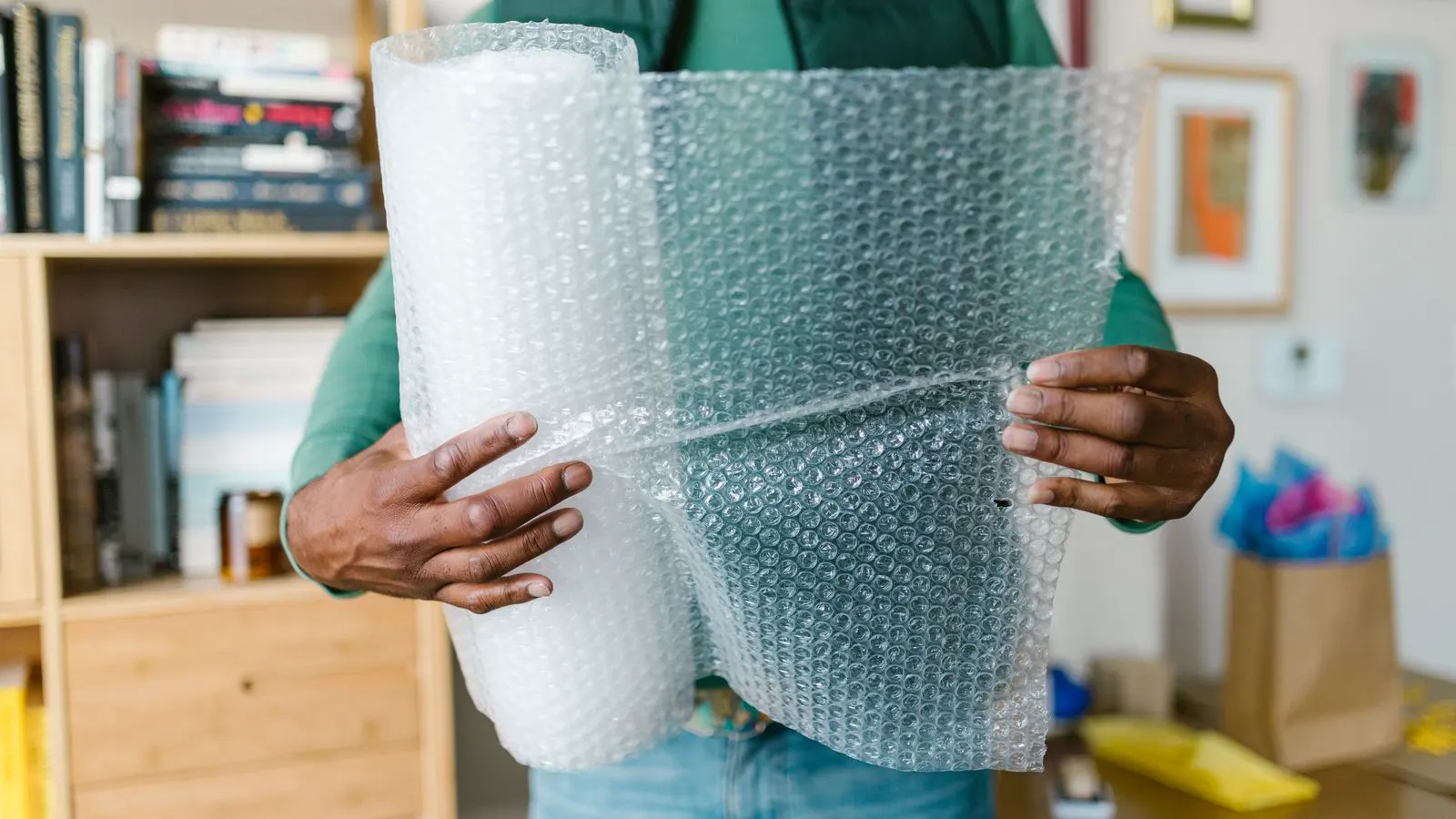
Shrink wrap uses a film that shrinks when heated. These films are often thicker or contain additives that improve shrink performance. The material cost per meter is higher. The shrink tunnel also consumes energy. Over a full production shift, the energy cost adds to the material expense. For high-volume soft goods, the cumulative cost difference can be substantial.
The film width must match the product size. A flow wrap machine for large blankets uses a wide film. A shrink wrap line may use a narrower film if the product is smaller, but the shrink process requires the film to conform to the shape. The cost of the film itself is not the only factor. Labor costs for film changeovers and line adjustments also matter.
What about protection and presentation?
Shrink wrap forms a tight, transparent skin around the product. This protects soft goods from dust, moisture, and physical damage during transport. The tight fit also looks clean and professional on a retail shelf. The product shape is clearly visible. This is a major advantage for soft goods sold in retail environments where presentation drives purchase decisions.
Flow wrap creates a more open package. The film is sealed, but it does not shrink tightly around the product. The package may look less refined. The product edges can shift slightly inside the wrap. For fragile soft goods, such as upholstered items or delicate fabrics, flow wrap offers less protection. The package may compress or shift during handling.
Presentation is a key factor for many soft goods buyers. If the product is sold to end consumers, shrink wrap often wins on visual appeal. If the product is sold to industrial buyers or used for storage, flow wrap is often sufficient. The choice depends on the target market and the channel.
How do labeling and code marking differ?
Labeling on flow wrap is straightforward. The film is flat and stable. A label can be applied to the film before the product is wrapped. A packaging label with product information or a barcode can be positioned accurately. The label is protected by the film after wrapping.
Shrink wrap labeling is more complex. The film shrinks after the label is applied. This can distort the label. If the label is printed on a shrink-resistant material, it may remain legible, but the shrink process can cause wrinkles or misalignment. A packaging label on a shrink wrap line requires careful placement. The label must be positioned so that it does not get pulled out of alignment during shrinking.
Code marking adds another layer. Thermospray or inkjet systems can apply codes to the film. On flow wrap, the code is applied to a flat surface. On shrink wrap, the code must survive the heat and shrink. The choice of marking method affects the quality of the code. For high-volume soft goods, code readability is a common concern.
When to pick flow wrap?
Flow wrap is the right choice when speed and cost are the primary goals. It works best for soft goods that are stable and not prone to shifting. Blankets, towels, and sturdy fabric rolls are good candidates. The product does not need a tight, clear package. The buyer is likely an industrial user or a warehouse operator.
The wrapping machine setup is simpler. There is no heat tunnel. The line is easier to maintain. Film changeovers are quick. The operator can adjust the film width and tension without dealing with shrink settings. For a facility that runs multiple shifts, the lower downtime and simpler controls reduce labor costs.
If the product is fragile, flow wrap is not ideal. The package may not protect the item. If the product is sold in retail stores, the presentation may not meet standards. In those cases, shrink wrap is a better fit.
When to pick shrink wrap?
Shrink wrap is the right choice when protection and presentation matter. It works best for fragile soft goods, such as upholstered furniture components, delicate textiles, and high-value items. The tight film protects the product from damage during transport. The clear, shrunken film shows the product shape clearly. This is a strong selling point for retail customers.
The wrapping machine line is more complex. It requires a heat tunnel or shrink chamber. The energy cost is higher. The cycle time is longer. The labeling process requires more attention. The packaging label must be designed to survive the shrink. The line needs regular checks to ensure the film shrinks evenly.
If the product is sold to end consumers, shrink wrap often wins on shelf appeal. The package looks professional. The product is protected. The cost is higher, but the presentation and protection justify the expense.
How to validate the choice?
Before buying a wrapping machine, run a trial with both systems. Use the actual product. Check the cycle time for each. Measure the material cost per unit. Inspect the label alignment after wrapping and shrinking. Test the package for protection during a simulated transport.
A checklist is useful. Verify the label alignment on the shrink wrap line. Check the flow wrap seal integrity. Confirm the code marking quality. Measure the energy use. Review the maintenance requirements. A simple validation test can reveal problems that are not visible in a datasheet.
The choice between flow wrap and shrink wrap is not one size fits all. It depends on the product, the market, and the budget. Flow wrap is faster and cheaper. Shrink wrap is more protective and better for presentation. The best system is the one that meets the product and market requirements without adding unnecessary cost.
| Option | Best for | Limitations |
|---|---|---|
| Flow wrap | High-speed soft goods, industrial buyers, cost-sensitive lines | Lower protection, less refined presentation |
| Shrink wrap | Fragile soft goods, retail presentation, high-value items | Higher cost, slower cycle, complex labeling |
| Thermospray marking | High-volume code marking on flow wrap | Limited to flat surfaces, not for shrink |
| Inkjet marking | Variable codes on shrink wrap | Slower for high volume, higher material cost |
| Label alignment checks | Critical for shrink wrap lines | Requires regular validation, not a one-time fix |
Common mistakes to avoid
One mistake is choosing flow wrap for fragile products. The package may not protect the item. Another is underestimating the labeling complexity on shrink wrap. A packaging label that looks good before shrinking may be distorted after. A third is ignoring the energy cost of the shrink tunnel. Over a full year, this can add up.
A fourth mistake is not validating the label alignment. On shrink wrap lines, the label can shift. A simple check after wrapping can catch this. A fifth is assuming that a faster system is always better. If the product is damaged, the cost of the loss outweighs the speed benefit.
The right choice is made by testing. Run the product through both systems. Measure the results. Choose the system that meets the requirements. For soft goods, flow wrap and shrink wrap both have their place. The decision comes down to speed, cost, and presentation.
Frequently asked questions
Is flow wrap better for soft goods than shrink wrap?
Flow wrap is faster and cheaper. Shrink wrap is better for protection and presentation. The best choice depends on the product and market.
How much slower is shrink wrap than flow wrap?
Shrink wrap is slower due to the heat step. The exact difference depends on the product size and line design.
Can I use a packaging label on flow wrap?
Yes. Flow wrap labeling is straightforward because the film is flat and stable. The label is protected by the film.
What is the main problem with labeling on shrink wrap?
The shrink process can distort the label. The label must be designed to survive the heat and shrink.
Which system has lower material cost?
Flow wrap has lower material cost. Shrink wrap uses thicker film and consumes energy in the heat tunnel.