Explainer: What Is a Robotic Case Packer
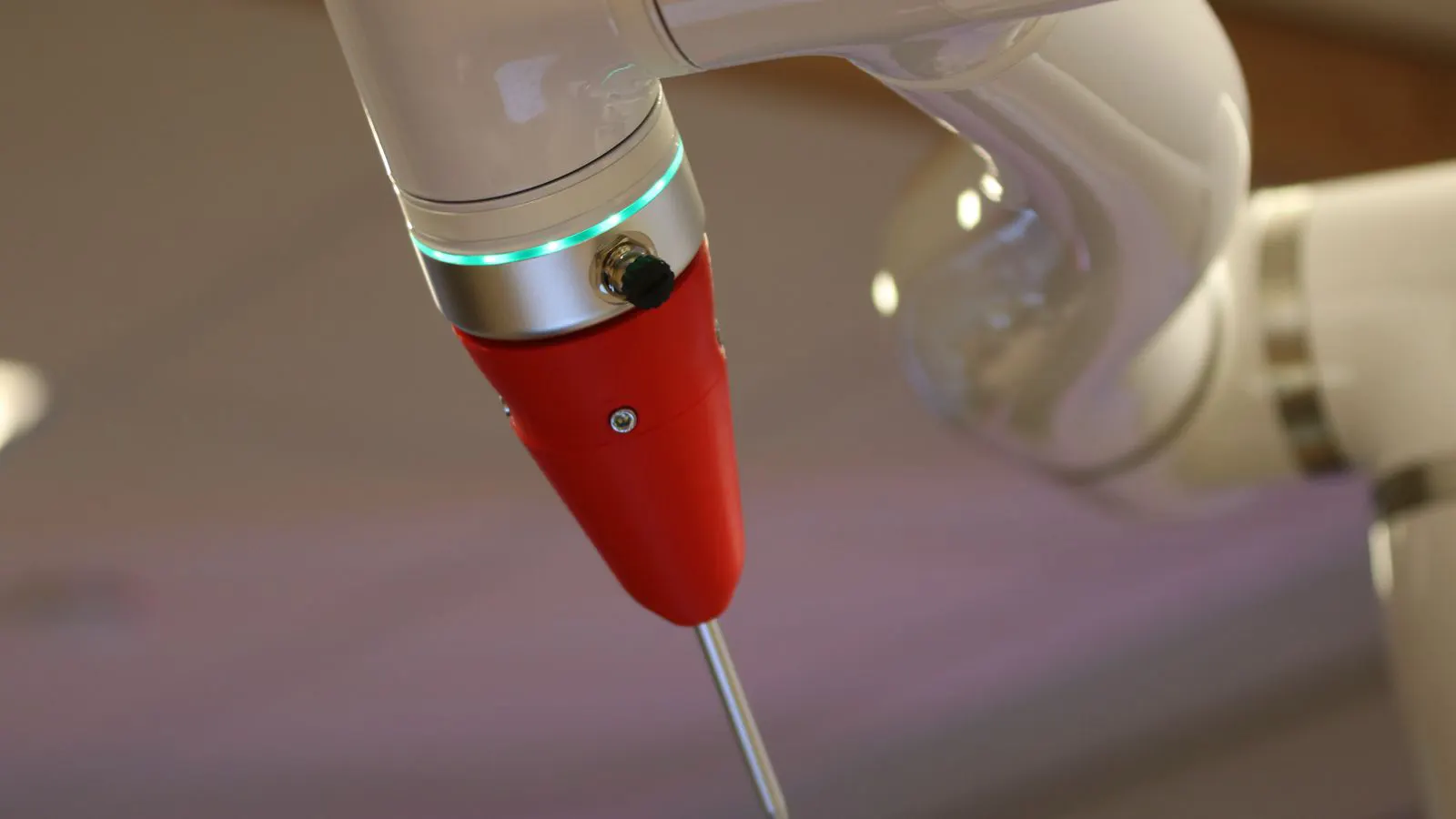
A robotic case packer is a machine that uses a robot arm to pick products and place them into cardboard cases at the end of a production line. It automates the manual step of filling cartons. This article explains its main components and how they affect your sourcing decisions.
- A robotic case packer replaces manual carton filling with a robotic arm and case handling system.
- Key sourcing decisions center on the robot type, gripper design, and case orientation capability.
- The system requires integration with upstream filling or capping stations to maintain line speed.
- Accuracy and case protection are driven by gripper design and case sensor feedback.
- Maintenance access and software updates are often overlooked but affect long term ownership costs.
A robotic case packer sits at the end of a production line where finished units meet their shipping containers. It removes the manual step of picking and placing products into cartons. For many manufacturers, this transition shifts the focus from labor management to system integration and throughput planning.
What Is a Case Packing Robot
A case packing robot is a specialized arm or manipulator designed to handle rigid or semi rigid packaging units. Unlike a general purpose robot that might weld or paint, a case packing robot is built for repetitive picking and placing tasks. The robot arm usually operates on a fixed base or a gantry structure. It moves products from a staging area into an open case. The case itself is often held by a dedicated case handling mechanism. This system ensures the case stays flat and aligned while the robot works.
The term “robotic case packer” refers to the entire integrated system. It is not just the robot arm. It includes the gripper, the case feeder, the sensors, and the control software. When evaluating a system, you must consider how these parts work together. A high speed robot with a poor gripper design will fail just as often as a slow robot with a perfect gripper.
Core Components of a Robotic Case Packer
Understanding the components is the first step to sourcing the right system. Each part has a specific function and a specific failure mode.
| Component | Function | Sourcing Consideration |
|---|---|---|
| Robot Arm | Transfers products from staging to case | Reach, payload, and cycle time must match line speed |
| Gripper | Grabs individual units without damage | Must handle product shape and material fragility |
| Case Feeder | Supplies empty cases to the packing station | Must align cases consistently and handle different sizes |
| Sensors | Detect case position and product presence | Required for error handling and safety |
| Control System | Manages sequence and communication | Must integrate with upstream and downstream machinery |
The Robot Arm
The robot arm is the physical worker. It can be a 6 axis industrial arm or a specialized Cartesian robot. The choice depends on the footprint and the product. A 6 axis arm offers flexibility but requires more programming. A Cartesian robot is often simpler to program and easier to clean. For a robotic case packer, the arm must reach from the staging area to the case without colliding with other line equipment.
The Gripper
The gripper is the most critical interface with the product. It must hold the unit firmly enough to lift it but gently enough to avoid damage. For rigid bottles, a parallel jaw gripper is common. For irregular shapes, a vacuum gripper or a custom mechanical fixture may be needed. The gripper design dictates the robot cycle time. A complex gripper with multiple sensors takes longer to open and close. This directly impacts the case packing robot throughput.
The Case Feeder
The case feeder holds the empty carton and positions it under the robot. It must ensure that the case opening is aligned with the robot arm. If the case is skewed, the robot will drop products or damage the carton. Many systems use a vacuum table or a mechanical clamping mechanism to hold the case in place. The feeder must also handle different case sizes if the line runs multiple SKUs. Switching between sizes requires the feeder to adjust its position or change its clamps.
Sensors and Control
Sensors are the eyes of the system. They detect when a case is in position, when a product is present in the gripper, and when the case is full. Without these sensors, the system cannot guarantee that every case is packed correctly. The control system interprets these signals and commands the robot. It also handles error states, such as a missed pick or a jammed case. A robust control system allows for remote monitoring and quick troubleshooting.
How Component Choice Affects Sourcing Decisions
When buying a robotic case packer, you are not just buying a robot. You are buying a package of components that must work in harmony. The sourcing decision is driven by the fit between these components and your specific line conditions.
Match the Robot to the Line Speed
The robot cycle time must be less than or equal to the line speed. If your line runs one unit every two seconds, the case packing robot must complete a pick and place in under two seconds. This includes the time for the gripper to open, close, travel, and release. Sourcing a robot with a slower cycle time will create a bottleneck. Conversely, buying a robot that is faster than needed increases cost without benefit. The key is to match the robot speed to the actual line speed, plus a small buffer for variation.
Match the Gripper to the Product
The product shape determines the gripper type. A cylindrical bottle is easy to grip with a parallel jaw. A soft pouch is difficult. It requires a vacuum gripper or a custom suction cup. A fragile product like a glass jar requires a padded gripper. The gripper must be selected based on the product material and handling sensitivity. A gripper that works for one product may fail for another. This is a common cause of line stoppages after installation.
Match the Case Feeder to the Case Size
The case feeder must be compatible with the case dimensions. If the line runs multiple case sizes, the feeder must be adjustable. Some feeders use a fixed position for each size. Others use a motorized adjustment. The choice depends on how often the line changes SKUs. If the line changes cases frequently, a motorized feeder is more convenient. If the line runs one size for long periods, a fixed feeder is simpler and cheaper.
A Worked Example of a Robotic Case Packer
Consider a line that produces plastic bottles and fills them into corrugated cases. The bottles are cylindrical and rigid. The cases are standard size. The line runs at a moderate speed.
The robotic case packer starts with a case feeder. The feeder holds a single case on a vacuum table. A sensor detects that the case is in position. The robot arm moves from its home position to the staging area. The gripper opens and picks up a bottle from the staging area. The robot moves the bottle to the case. The gripper closes and places the bottle in the correct position. The sensor confirms the bottle is in the case. The process repeats for the remaining bottles in the case.
Once the case is full, the robot moves the case to the egress conveyor. The case feeder then positions a new case. The cycle repeats. This example shows the basic flow. In reality, the system must handle errors. If the bottle is not picked up, the sensor detects the miss. The system retries the pick. If the case is not aligned, the sensor detects the skew. The system stops and waits for an operator. This error handling is built into the control software.
Integration with End of Line Robotics
A robotic case packer is often part of a larger end of line robotics setup. It may work alongside a palletizer, a case sealer, and a labeling machine. The integration points are critical.
Upstream Integration
The upstream equipment must feed the staging area consistently. If the bottles arrive at the staging area in a jumbled pile, the robot will struggle to pick them up. The upstream machine must present the bottles in a controlled manner. This may require a diverter or a staging conveyor. The case packing robot depends on a stable input flow.
Downstream Integration
The downstream equipment must receive the filled cases. The egress conveyor must be aligned with the case sealer and the palletizer. The height and width of the conveyor must match the case dimensions. If the case sealer is misaligned, the case may be damaged. The integration between the case packer and the sealer is a common issue.
Communication
All machines in the line must communicate. The case packing robot must know when the case sealer is ready to accept a case. The case sealer must know when the case is full. This communication is usually done through PLC signals or a network. A robust communication protocol prevents stoppages and ensures smooth operation.
Common Mistakes in Sourcing a Robotic Case Packer
Many buyers make the same mistakes when sourcing a robotic case packer. These mistakes lead to poor performance and high maintenance costs.
- Ignoring Gripper Compatibility. Buying a generic gripper without testing it on the actual product.
- Underestimating Case Variation. Not accounting for different case sizes or shapes.
- Neglecting Maintenance Access. Choosing a system that is hard to service.
- Overlooking Software Support. Not checking if the control software is easy to update.
- Failing to Plan for Integration. Assuming the system will work with existing equipment without testing.
Final Thoughts
A robotic case packer is a complex system that requires careful planning. The choice of robot arm, gripper, and case feeder determines the success of the system. By understanding the core components and their interactions, you can make an informed sourcing decision. Focus on the fit between the system and your line conditions. Test the gripper on your product. Verify the case feeder compatibility. Ensure the control software integrates with your existing equipment. A well chosen robotic case packer will improve your end of line efficiency and reduce manual labor.
Frequently asked questions
What is the main difference between a robotic case packer and a manual case packer?
A robotic case packer uses an automated arm and gripper to place products into cases. A manual case packer relies on human labor to pick and place units.
Can a robotic case packer handle different case sizes?
Yes, if the case feeder is designed to accommodate different sizes. Some systems use fixed positions, while others use adjustable mechanisms.
How does a robotic case packer handle errors?
Sensors detect errors such as missed picks or misaligned cases. The control system then triggers a retry sequence or stops the line for intervention.
What is the most common failure point in a robotic case packer?
The gripper is the most common failure point. It must handle the product shape and material without damage. A poorly designed gripper leads to frequent stoppages.
How long does it take to integrate a robotic case packer?
Integration time depends on the complexity of the line. Simple lines may take a few weeks. Complex lines with multiple machines may take several months.