Outlook for Modular Packaging Machinery Design
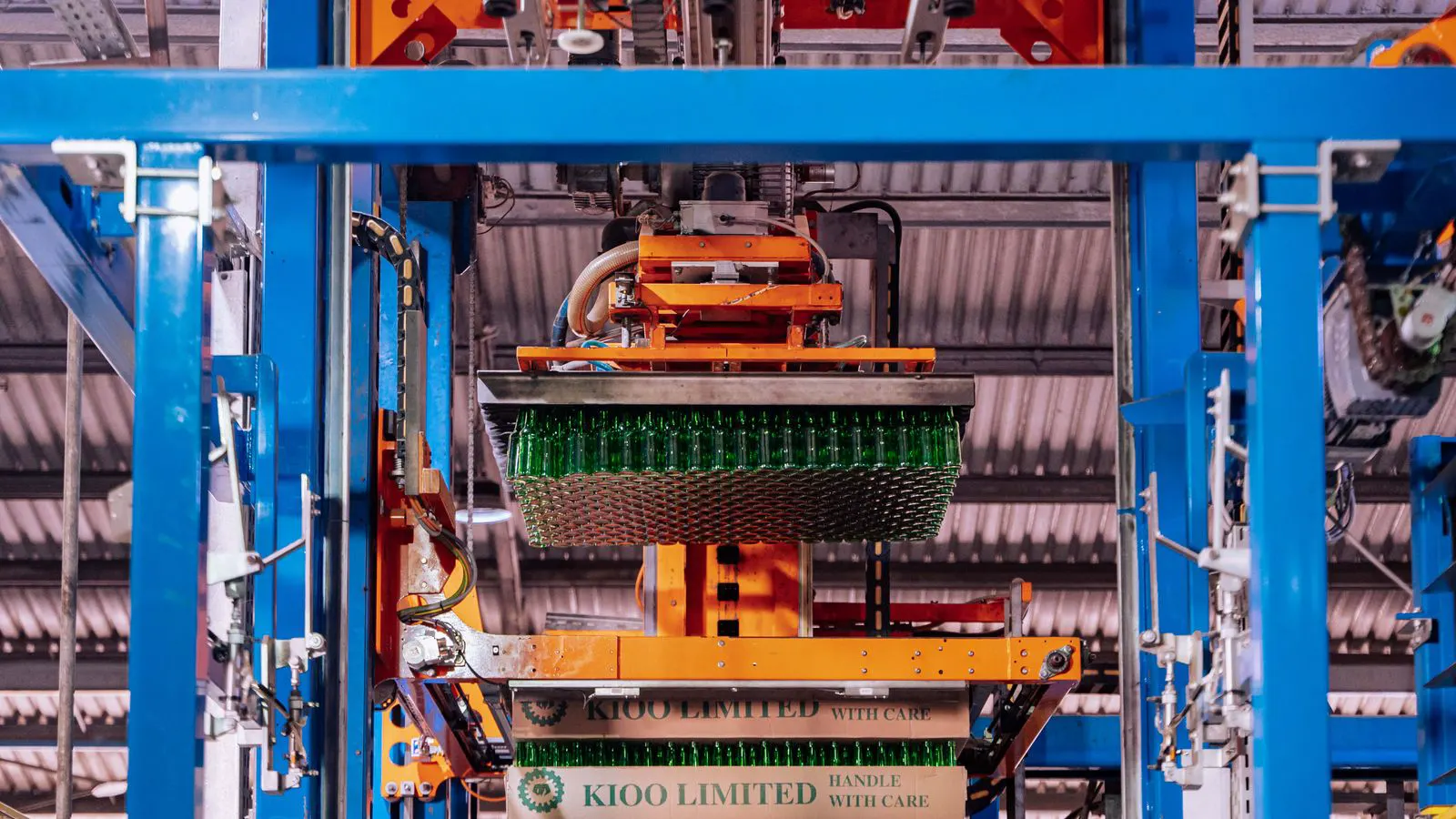
Modular packaging machines are moving from a niche option to a standard expectation in new line designs. They allow plants to scale capacity, change product formats, and add automation stages without full replacement.
- Modular design changes the buying decision from one machine purchase to a system architecture question.
- Scalability planning requires checking interfaces, utilities, and control systems before selecting the first module.
- Buyers should define product mix, changeover time, and capacity growth targets before talking to suppliers.
- Future manufacturing trends favor lines that can absorb new formats, automation upgrades, and volume shifts.
- Standardized modules reduce downtime risk and make it easier to add vision, palletizing, or filling stages later.
What Is Changing in Modular Packaging Machinery Design
The packaging machinery market is shifting toward systems built from interchangeable units rather than single, fixed machines. A line now starts with a core module, and additional units are added when the plant needs more capacity or a different function. This approach is becoming common in filling, labeling, coding, sealing, and case packing.
The change is driven by product mix pressure. Plants handle more SKUs with shorter runs. A single dedicated machine struggles when the line must move from one size to another every few hours. A modular line can swap a narrow container module for a wider one, or add a second fill station when demand rises.
This also affects how buyers evaluate equipment. The question is no longer only whether a machine fits today. The question is whether it can fit next year. A supplier that sells only one fixed unit may be cheaper at the start, but the plant may face a larger capital hit later when that unit no longer matches the product mix.
How Modular Designs Support Line Scalability
Modular packaging machines are built around a common interface. That interface may be a mechanical frame, a drive system, a control bus, or a material handling standard. When the interface is defined, a second module can connect without redesigning the whole line.
This matters for packaging line scalability because it separates the machine from the floor layout. A plant can start with one filling unit and one labeling unit. When volume doubles, it adds another fill station in parallel. When a new product requires a different labeling height, it swaps the label head. The floor space and utilities are already in place.
The benefit is not just speed. It is also risk reduction. A full line replacement is expensive and disruptive. A modular upgrade is smaller, easier to schedule, and easier to validate. The plant keeps running while the change is installed.
A practical example helps. A plant fills 500 mL bottles. It later adds 750 mL bottles. With a fixed machine, it may need a new filling head and a new conveyor width. With a modular design, it may only need a different nozzle, a wider infeed, and a new recipe. The base unit stays.
Which Manufacturing Trends Point Toward Modularity
Future manufacturing trends are pushing packaging lines toward flexibility. Plants are expected to run smaller batches, support more regional variants, and respond to demand changes with less lead time. Modularity is one of the most direct ways to meet that pressure.
One trend is format flexibility. A line that handles pouches, bottles, and cases needs different mechanical parts for each. A modular line can use a common transport system and swap the processing unit. The transport and control stack remains. The processing unit changes.
A second trend is incremental automation. Many plants start with manual case packing and add a robotic palletizer later. A modular line makes this easier. The case packer outputs cases at a defined height and rhythm. The palletizer connects to that standard. The plant does not redesign the case packer to fit the robot.
A third trend is digital integration. Newer control systems collect data from each module. A modular line can add a vision system, a checkweigher, or a traceability printer without replacing the existing modules. The new unit speaks the same control language.
What Buyers Should Check Before Choosing a Supplier
When evaluating a supplier for modular packaging machines, the first check is the interface standard. The supplier should be able to explain how modules connect. Is there a defined mounting pattern? Is the control system open enough to accept third-party sensors or drives? What is the maximum distance between modules?
The second check is the product range. A supplier may offer modular frames but only one or two processing options. If the plant plans to change container size, bottle shape, or pouch width, the supplier needs to show that the platform supports those changes. Ask for a list of supported formats and the parts that change when the format changes.
The third check is control and recipe management. A modular line that requires a full system reset every time a module is added or removed is not truly flexible. The plant wants a recipe that stores the settings for each module. When a module is swapped, the recipe should load the correct parameters.
The fourth check is service and spare parts. A modular line uses many small units. If a seal head or a sensor fails, the plant needs a fast replacement. The supplier should have common spare parts across modules. It should also provide clear documentation for each module.
The fifth check is expansion path. The supplier should be able to show how the line grows. Can the plant add a second fill station? Can it add a case packer? Can it add a palletizer? If the answer depends on a full redesign, the modular claim is weak.
Planning for Five to Six Shifts in Production Flexibility
Buyers should plan for a number of shifts that are likely over the next several years. These shifts are not speculative. They are practical changes that affect line design.
-
Shift from fixed capacity to variable capacity. The plant may run at 60 percent capacity for a week and 95 percent the next. A modular line can add or remove a station without downtime. The plant does not need to run an underused fixed line.
-
Shift from single product to multi-product runs. The same line may handle a premium SKU and a value SKU. The line must change over quickly. Modularity helps because the change is a part swap or a recipe load, not a new machine.
-
Shift from manual handling to automated handling. The plant may start with manual case packing and add a palletizer. A modular line supports this because the case packer and palletizer share a standard output.
-
Shift from local data to connected data. The plant may need to track each case or batch for traceability. A modular line can add a printer or scanner without replacing the existing modules. The control system collects the data from each unit.
-
Shift from one location to multiple locations. A plant may replicate a line in a new building. A modular design makes this easier. The modules are the same. The floor layout may differ, but the line logic stays.
-
Shift from equipment purchase to system ownership. The plant may buy the first module now and add modules later. This changes the contract. The buyer needs a clear path for future modules, including price, lead time, and compatibility.
These shifts are not optional. They are part of normal plant life. A modular line is a way to absorb them without a full replacement.
How to Prepare Your Line for Modular Upgrades
Preparation starts before the first purchase. The plant should define the product mix for the next two to three years. List the container types, sizes, and expected volumes. Identify the products that may appear and the products that may disappear. This list becomes the basis for the line design.
The plant should also define the changeover targets. How long can the line take to move from one product to another? If the target is 15 minutes, the line needs quick-release parts and recipe storage. If the target is 60 minutes, a fixed machine may be acceptable. The target should be written down and shared with the supplier.
The plant should plan the floor space. A modular line may need extra room for future modules. Leave space for a second fill station, a case packer, or a palletizer. Leave space for forklifts and material handling. Do not fill every meter now.
The plant should plan the utilities. Electrical, air, water, and drainage connections should be in place before the first module is installed. A modular line uses more sensors and drives. The electrical panel and air supply may need more capacity than a fixed machine.
The plant should plan the control system. The plant should define how modules communicate. It should define how recipes are stored and updated. It should define how alarms are displayed. The control system should be able to show the status of each module on a single screen.
The plant should plan the training. Operators need to know how to change a module, load a recipe, and clear a jam. The plant should ask the supplier for training materials and a support plan. The plant should also train maintenance staff on the common parts.
A Practical Comparison of Fixed and Modular Approaches
The table below shows how fixed and modular approaches differ in common planning areas. The comparison is qualitative. The actual difference depends on the product and the supplier.
| Planning Area | Fixed Machine Approach | Modular Machine Approach |
|---|---|---|
| Initial layout | Designed for one product size and one capacity | Designed for a base product with room for added modules |
| Changeover | Often requires mechanical adjustment or part replacement | Usually a recipe load and part swap |
| Capacity growth | May require a second line or a larger machine | Can add a parallel module or an inline module |
| Product format change | May require a new machine or a major retrofit | Usually a module swap or a part change |
| Automation upgrade | May require line redesign | Usually connects to a standard interface |
| Spare parts | Specific to one machine platform | Common across modules in the same family |
| Supplier dependency | Higher if the machine is a single unit | Lower if the modules use a common standard |
The table is not a rule. Some fixed machines are very flexible. Some modular systems are poorly designed. The difference is in the interface, the control system, and the supplier’s long-term product plan.
Common Mistakes to Avoid When Buying Modular Machines
The first mistake is buying the first module without checking the expansion path. The plant sees a good price on the first unit and moves on. Later, it discovers that the second unit is not available or is much more expensive. The plant has a line that cannot grow.
The second mistake is ignoring the control system. A modular line is only as flexible as its control system. If the control system does not support recipe storage, module status, or third-party sensors, the plant will spend time on manual adjustments. The line will feel less flexible than expected.
The third mistake is underestimating the floor layout. A modular line may need more space than a fixed machine. The plant may need room for a second module, a case packer, or a palletizer. If the floor is too tight, the plant may need to buy a smaller line or move equipment.
The fourth mistake is not defining the product mix. The plant buys a modular line for one product and later wants to add a different product. If the product mix was not defined, the supplier may not have the right module or the right parts. The plant may need a custom part or a new machine.
The fifth mistake is not planning for service. A modular line uses many parts. If the supplier does not have common spare parts, the plant may wait long for a repair. The plant should ask about spare parts availability and lead time before the purchase.
The sixth mistake is not involving maintenance early. Maintenance staff know the plant’s operating conditions. They can point out where a module may fail, where access is difficult, and where spare parts are needed. If maintenance is involved late, the plant may buy a line that is hard to maintain.
What to Ask a Supplier Before You Sign
A short list of questions can separate a true modular supplier from a supplier that uses the word “modular” as a marketing term.
- What is the interface standard between modules?
- What parts change when the product format changes?
- How are recipes stored and loaded?
- Can the line add a second fill station without redesigning the floor?
- Can the line add a case packer and a palletizer later?
- What is the common spare parts list across modules?
- What is the lead time for a future module?
- What control system is used, and can it accept third-party sensors?
- What training and documentation are provided for each module?
- What is the support plan after the first module is installed?
These questions are not a test. They are a planning tool. A good supplier will answer them clearly. A weak supplier will give vague answers. The plant should write down the answers and compare them across suppliers.
How to Match Modular Design to Your Plant Profile
A modular approach is not the right fit for every plant. A plant that runs one product at a high volume may prefer a fixed machine. The fixed machine is simpler, cheaper to install, and easier to operate. A modular line may add cost and complexity that the plant does not need.
A plant that runs many products at lower volumes should consider modular design. The line must change often. The plant needs quick changeovers and the ability to add capacity without downtime. A modular line supports this.
A plant that expects growth should plan for modularity. The plant may start with one line and add another later. A modular line makes this easier. The plant can add a second line with the same control system and the same parts.
A plant that is adding automation should plan for modularity. The plant may start with manual handling and add a robot later. A modular line supports this because the modules share a standard interface.
A plant that is moving to a new building should plan for modularity. The plant may replicate the line in the new building. A modular line makes this easier because the modules are the same.
The key is to match the machine to the plant’s expected future, not just its current need. The plant should define the future, then choose the machine that fits it.
A Final Note on Planning
Modular packaging machines are not a magic solution. They require planning, a clear product mix, and a supplier that understands the platform. The plant should treat the first module as the start of a system, not the end of a purchase. The plant should define the expansion path, check the interface, and plan the floor.
The plant should also involve maintenance, operations, and procurement early. Each group sees a different risk. Maintenance sees spare parts and access. Operations sees changeover time and recipe load. Procurement sees price and lead time. The plant should bring all three to the table.
The result is a line that can grow with the plant. The line can add capacity, change format, and absorb automation without a full replacement. That is the value of modular design.
Frequently asked questions
Do modular packaging machines always cost more than fixed machines?
Not always. The first module may cost more than a fixed machine, but the total cost over the line's life can be lower if the plant adds modules instead of replacing the line.
Can a plant add a palletizer to a modular line later?
Yes, if the line uses a standard case output and the control system supports the palletizer. The plant should check the interface and the floor space before adding the palletizer.
How do I know if a supplier's modular claim is real?
Ask for the interface standard, the list of supported formats, and the control system details. A real modular supplier can show how modules connect and how recipes are stored.
Is modular design good for small plants?
It can be good for small plants that expect growth or run many products. If the plant runs one product at a low volume, a fixed machine may be simpler and cheaper.
What is the biggest risk when buying modular machines?
The biggest risk is buying the first module without checking the expansion path. The plant may need a second module later and find that it is not available or is much more expensive.