What Is a Robotic End-of-Line System
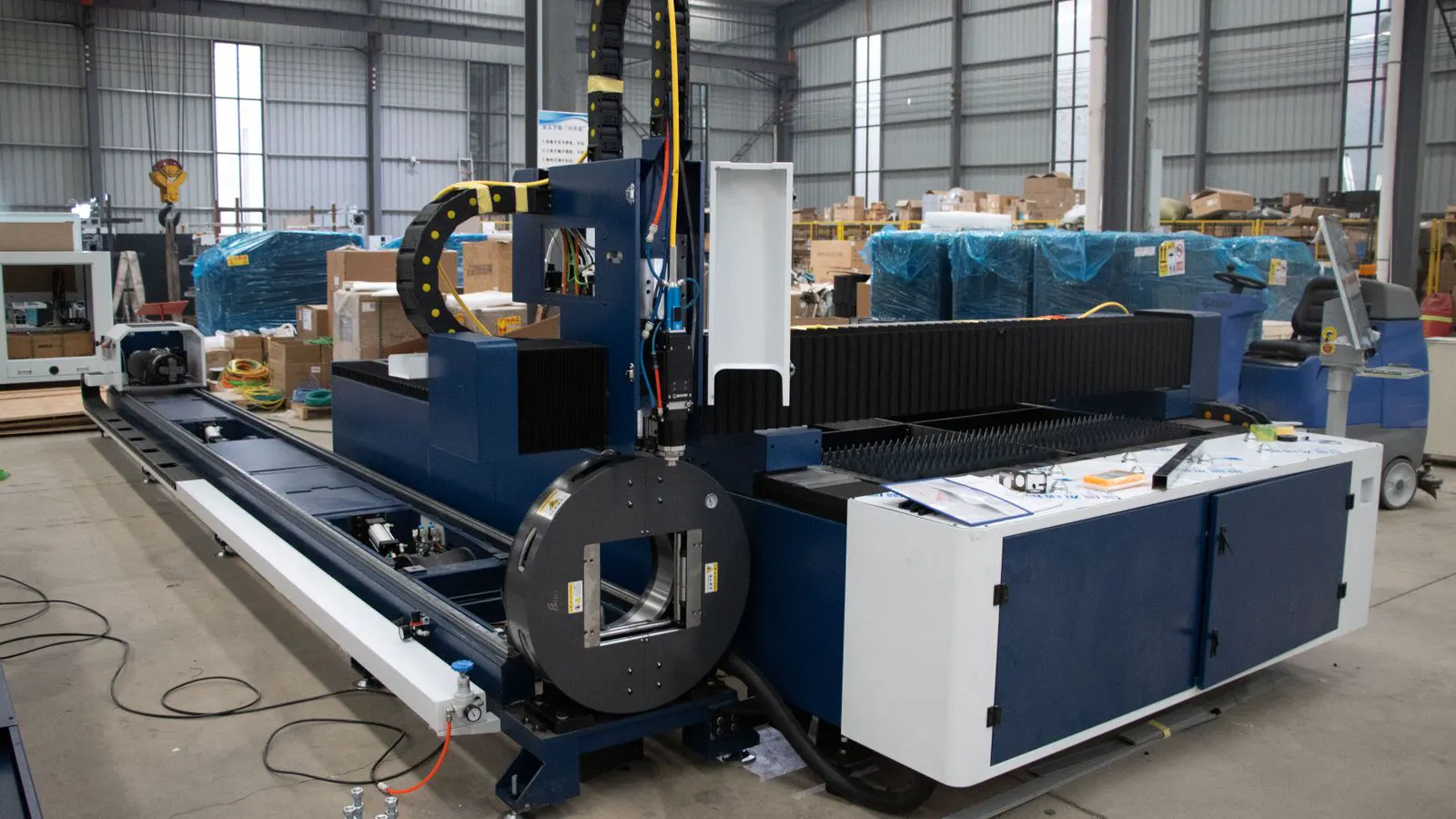
A robotic end-of-line system integrates robotic arms, conveyors, and vision sensors to move, stack, and palletize finished goods. It replaces manual stacking to improve line speed, reduce injury risk, and ensure consistent pallet dimensions for downstream handling.
- A robotic end-of-line system covers the final stages of packaging, typically case packing, case stacking, and palletizing.
- Core components include the robotic arm, the end-of-line conveyor, the palletizing platform, and the vision and control stack.
- Sourcing decisions depend on case size variability, pallet patterns, throughput targets, and floor space constraints.
- Integration with upstream packaging equipment and WMS or ERP systems determines long-term operational value.
- A well-designed end-of-line system must handle product variation without stopping the main filling or forming line.
What the term actually covers
A robotic end-of-line system is an integrated set of equipment that takes finished cases from a packaging line and moves them to pallets. It usually includes a robot, a conveyor section, a palletizer or palletizing platform, and the software that coordinates the flow. The term is broader than a single robot. It describes the final stretch of the production line where product changes from loose units or cases into a shippable load.
In a typical plant, the main line produces cases. A case packer or case sealer sits upstream. The end-of-line system receives those cases, orients them, and places them into a pallet pattern. The goal is to keep the upstream line running at a steady rate without manual intervention at the stacking point.
Core components and their roles
Every system has moving parts that must work together in a defined sequence. The robot is the actuator, but it is only one part of the chain. The conveyor controls timing. The sensors confirm position. The control software decides where each case goes.
The table below lists the major components and what each one affects when you are evaluating options.
| Component | Function | Sourcing impact |
|---|---|---|
| Robotic arm | Grabs and places cases or units | Reach, payload, cycle time, end effector type |
| End-of-line conveyor | Feeds cases to the robot at a set rate | Speed match, width, length, changeover time |
| Palletizing platform | Holds the pallet and moves it between positions | Pallet size support, height range, transport method |
| Vision and sensors | Detects case size, position, and orientation | Accuracy, tolerance, product variation handling |
| Control software | Sequences the system and communicates with upstream | Integration, recipe management, diagnostics |
The robot is the most visible part, but the conveyor and control stack often determine real performance. A high-speed robot on a slow conveyor will idle. A precise sensor on a loose conveyor will correct for drift, but only within limits.
How case packing and palletizing differ
End-of-line automation often splits into two tasks. The first is case packing. This is where loose units or smaller packs are loaded into a case. The second is palletizing. This is where finished cases are stacked onto a pallet.
A robotic end-of-line system may cover only one of these tasks, or both. Many installations use a case packer robot to build cases from units, then a palletizing robot to stack those cases. The two functions have different engineering priorities. Case packing focuses on gripper design, case opening and closing, and unit alignment. Palletizing focuses on pallet pattern logic, weight distribution, and pallet transport.
When buying a full end-of-line package, check that the vendor can handle both. Some suppliers sell the robots but leave the conveyor and software to third parties. That creates an integration risk. The handoff between systems must be defined in the contract.
How each component affects sourcing decisions
Each component creates a specific set of requirements. You cannot evaluate a robot in isolation if the conveyor cannot feed it at the right speed.
First, look at case size variability. If your product line uses one case size, the system is simpler. The gripper can be fixed. The vision system can be basic. If you run many case sizes, the system needs adjustable grippers and more advanced vision. This affects cost and maintenance. A fixed gripper is cheaper but less flexible. An adjustable one costs more but handles changeovers better.
Second, look at throughput. The system must match the upstream line. If the filling line runs at a certain rate, the end-of-line system must keep up. If the robot cycle time is too long, cases will back up. If the conveyor is too fast, the robot will miss picks. The spec sheet needs a cycle time that includes all motions, not just the pick.
Third, look at floor space. End-of-line systems can be large. The palletizing platform may need a footprint of several meters. The robot needs reach clearance above and beside the conveyor. The pallet transport may need a path to a forklift or a conveyor to a warehouse. Measure the floor before selecting a robot. A robot with a short reach may save money but block the line layout.
Fourth, look at pallet type. Wooden pallets, plastic pallets, and pallets of different heights change the platform design. The sensor system must detect the top of the pallet. The robot must account for pallet height variations. If you use mixed pallets, the software must handle multiple patterns.
A worked example in plain words
Imagine a plant that packs canned goods into cardboard cases. The upstream line produces cases at a steady rate. The cases are all the same size. The plant uses a single pallet pattern.
The end-of-line system starts with a conveyor that feeds cases to a robot. The robot picks a case with a vacuum gripper. It moves the case to a pallet position defined by the software. The robot places the case. The conveyor moves the next case. The process repeats.
Because the cases are uniform, the vision system is simple. It only confirms that a case is present. The palletizing platform is a fixed frame that holds the pallet. The software runs a single recipe. Changeover is minimal because the product does not change.
Now imagine the same plant adds a second product. The cases are smaller. The pallet pattern changes. The robot still works, but the gripper must adjust. The vision system must detect the new case size. The software must load a new recipe. If the system is rigid, changeover takes hours. If it is modular, changeover takes minutes.
This example shows why the full system matters. The robot is the same. The conveyor is the same. The difference is in the software and the sensor flexibility.
Integration with upstream and downstream systems
An end-of-line system does not operate alone. It connects to the packaging line upstream and the warehouse downstream. The upstream connection is usually a conveyor or a case packer. The downstream connection is a pallet transport, a forklift, or a WMS.
The control software must talk to these systems. If the upstream line stops, the end-of-line system should stop. If the downstream pallet position is blocked, the robot should not attempt a pick. This logic is called interlock. Poor interlock design causes jams. Good interlock design keeps the line safe and running.
The WMS connection is also important. When a pallet is complete, the system should record it. The WMS can then assign the pallet to a shipment. This data flow saves manual work. It also reduces errors. If the pallet is recorded incorrectly, the shipment is wrong. If the pallet is not recorded, the warehouse has no record.
Common mistakes to avoid
Buyers often focus on the robot brand and ignore the rest of the system. That is a mistake. The robot is only one part. The conveyor, sensors, and software determine how the robot performs.
Another mistake is underestimating floor space. The palletizing platform needs room to move. The robot needs clearance above. The pallet transport needs a path. If the floor is tight, the system may not fit. Measure before you buy.
A third mistake is not planning for changeover. If the product line changes case size or pallet pattern, the system must adapt. If the system is not designed for changeover, the plant will lose production time.
A fourth mistake is skipping the sensor plan. Sensors detect case position, size, and pallet height. Without good sensors, the robot will place cases incorrectly. The pallet will be unstable. The forklift will struggle. The product will shift.
What to check before purchase
Before signing a contract, run a checklist. Confirm that the robot payload and reach cover your largest case and your tallest pallet. Confirm that the conveyor speed matches your line rate. Confirm that the vision system handles your case size range. Confirm that the software supports your pallet patterns. Confirm that the interlock logic protects the line. Confirm that the floor space is sufficient.
Ask for a demonstration. Watch the robot pick and place. Watch the conveyor feed. Watch the pallet move. Watch the software handle a changeover. If the vendor cannot demonstrate the full system, be cautious. A robot alone does not prove the end-of-line system will work.
The final check is maintenance access. The gripper must be reachable. The sensors must be cleanable. The software must be upgradable. If maintenance is hard, downtime will be high. If maintenance is easy, the system will stay up.
A robotic end-of-line system is a package of parts and logic. The robot is the heart. The conveyor is the artery. The sensors are the eyes. The software is the brain. When all four work together, the final stages of packaging run without manual labor. When one part fails, the whole line stops.
The sourcing decision is not about choosing the fastest robot. It is about choosing the system that matches your product, your floor, and your throughput. The best system is the one that handles your current products and the next one you plan to add.
Frequently asked questions
What is the difference between a palletizing robot and a full robotic end-of-line system?
A palletizing robot is a single arm that stacks cases. A full robotic end-of-line system includes the conveyor, sensors, pallet platform, and control software that coordinate the robot with the rest of the line.
Do I need a full end-of-line system for a low-volume plant?
It depends on your labor costs and throughput. If the line runs for several hours a day and the manual stacking point causes bottlenecks, automation can pay off. If the line runs intermittently, a semi-automatic solution may be better.
What is the most common failure point in end-of-line systems?
The conveyor feed and the robot pick timing. If the cases arrive at the wrong moment or the wrong position, the robot misses the pick. This is a control issue, not a robot issue.
Can a single robot handle multiple case sizes?
Yes, but the gripper and vision system must be adjustable. A fixed gripper handles one size. An adjustable gripper handles a range. The software must support multiple recipes.
How do I know if my floor space is enough?
Measure the footprint of the palletizing platform, the robot reach, and the pallet transport path. Add clearance for maintenance and forklift access. If the floor is tight, consider a compact platform or a different pallet pattern.