Outlook: Next-Gen End-of-Line Robotics for Mixed Case Sizes
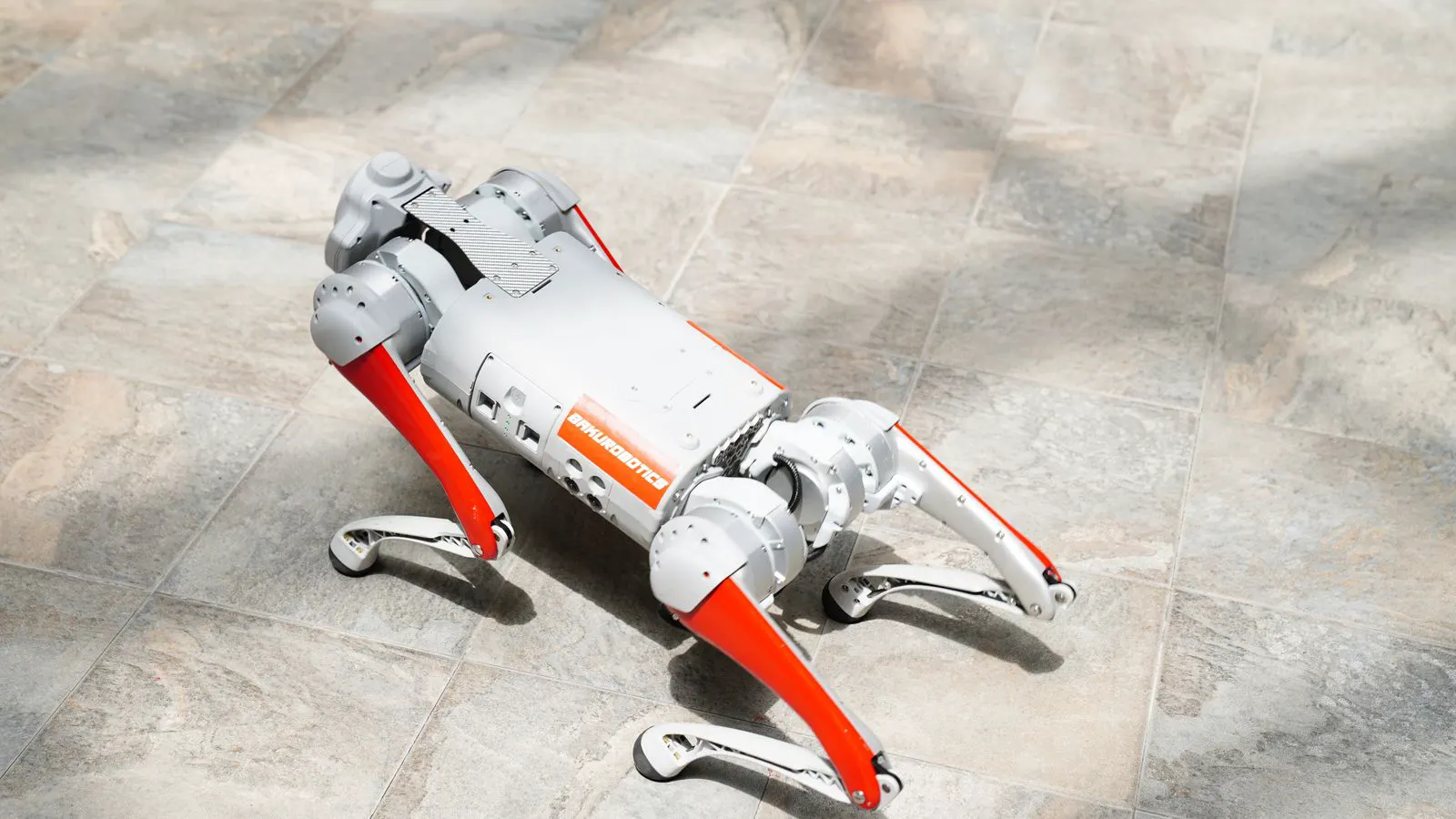
Next-gen end of line robots handle mixed case sizes through variable grippers, advanced vision, and adaptive motion. Buyers should plan for flexible tooling, data integration, and flexible layouts to support diverse case dimensions.
- Variable grippers and vision systems allow one robot to handle many case dimensions without manual changeovers.
- Adaptive palletizing software reduces the need for fixed pallet patterns and supports odd or partial pallets.
- Buyers should plan for data integration, flexible layouts, and safety reviews as robot capabilities expand.
- Mixed case handling is moving from multi-robot setups to single-robot, multi-task configurations.
- Preparation requires early involvement of engineering, IT, and operations teams in the selection process.
What is changing in end of line robotics?
End of line robots are moving beyond fixed case sizes and rigid pallet patterns. The shift is visible in gripper design, vision systems, and control software. Robots that once handled one or two case dimensions now manage several, sometimes even shifting between them during a run.
This matters because mixed case sizes are becoming the norm. Plants run multiple SKUs, seasonal packaging, and regional variations. A single pallet may hold cases of different dimensions. The result is pressure to reduce changeover time and improve line flexibility.
The core change is adaptability. Robots are no longer just fast movers. They are decision makers. They read the case, choose the grasp, calculate the placement, and adjust to the next cycle. This changes how buyers specify and integrate these systems.
How do robots handle diverse case dimensions?
Several technologies work together. Grippers are the first point of contact. Older systems used fixed parallel jaws or simple vacuum cups. Newer units use variable or articulating grippers that adjust their width and reach. Some use soft grippers that adapt to case edges without damage. Others use suction pads with adjustable placement.
Vision systems add the second layer. Cameras mounted on the robot or in the infeed zone identify case size, orientation, and position. The vision data feeds the robot controller. The controller then selects the appropriate grasp and calculates the placement. This replaces much of the manual programming that used to be required.
Motion planning is the third layer. The robot software calculates the optimal path while avoiding collisions with other cases, the pallet, and nearby equipment. It also considers stability, load distribution, and pallet fill efficiency. This is where adaptive palletizing differs from fixed-pattern palletizing.
The result is a robot that can handle a 12-inch case, a 16-inch case, and a 20-inch case in the same cycle. The changeover time drops. The operator no longer reprograms the robot for each case size. The system does the work.
What capabilities should buyers watch for?
Buyers should watch for several specific capabilities. The first is gripper flexibility. A robot with a single fixed gripper is limited. A robot with variable or multi-type grippers is more adaptable. Look for grippers that can switch between vacuum, mechanical, and soft contact without a full tooling change.
The second is vision accuracy. The robot must identify case size reliably, even with labels, shrink wrap, or uneven stacking. Look for systems that can handle multiple case orientations and detect misaligned cases. The vision system should also support pallet tracking, not just case identification.
The third is software adaptability. The palletizing software should support multiple pallet patterns, partial pallets, and mixed case loads. It should be able to learn new patterns and adjust to changes in case dimensions. Look for software that can integrate with the plant’s production system, not just a standalone controller.
The fourth is integration. The robot must communicate with the conveyor, the case packer, the palletizer, and the plant’s IT systems. Look for standard communication protocols and open interfaces. This reduces integration risk and makes it easier to add new capabilities later.
How to prepare your line for mixed case sizes
Preparing the line starts with the infeed. Mixed case sizes require a stable infeed zone. The conveyor must hold cases without shifting or tipping. The infeed area should be clean and free of debris. This helps the vision system see clearly and the gripper grasp correctly.
The second preparation step is the pallet. Mixed case sizes require pallets that can handle different load distributions. Look for pallets with the right deck height, material, and load capacity. The pallet must be stable enough to support uneven loads without tipping. The pallet tracking system must be accurate enough to detect pallet position and condition.
The third step is the layout. The robot needs space to move. Mixed case sizes may require a larger reach or a different placement angle. The layout should allow for future expansion. Leave room for additional grippers, vision cameras, or storage. This reduces the need for a full line redesign later.
The fourth step is training. Operators must understand the new system. They need to know how to load cases, handle jams, and respond to alarms. Training should cover the vision system, the gripper options, and the palletizing software. A short, practical training session is better than a long manual.
What are the common integration challenges?
Mixed case sizes bring integration challenges. The first is timing. The robot must synchronize with the conveyor and the case packer. If the case arrives late or early, the robot may miss the grasp. The conveyor speed must be stable. The case packer must release cases at the right moment.
The second is data. The robot needs data from the case packer, the conveyor, and the pallet tracking system. This data must be accurate and timely. Errors in case size or position can cause the robot to grasp incorrectly or place the case in the wrong location. The integration team should verify data flow before commissioning.
The third is safety. Mixed case sizes increase the risk of uneven loads. The robot must detect when the load is unstable and stop if necessary. Safety interlocks must be in place. The safety review should cover the gripper, the vision system, and the pallet tracking system.
The fourth is changeover. Even with adaptive software, changeover takes time. The robot must load the new case size, verify the vision system, and confirm the pallet pattern. This should be a programmed task, not a manual process. The changeover time should be documented and improved over time.
What does the future look like?
The future of end of line robotics is more flexible, more data-driven, and more collaborative. Robots will handle more case sizes with less human intervention. The software will learn from each cycle and improve placement accuracy. The vision system will detect more faults and suggest corrective actions.
Buyers should plan for this shift. The robot is no longer a standalone machine. It is part of a system. The system must be designed to change. The layout must allow for new grippers and vision cameras. The software must support new case sizes and pallet patterns. The data must flow between machines and the plant network.
The key is preparation. Start with the infeed. Verify the pallet. Plan the layout. Train the team. Integrate the data. These steps reduce risk and make the transition smoother. The robot will handle the cases. The plant must handle the rest.
A quick comparison of robot capabilities
| Capability | Fixed-Size Robot | Mixed-Size Robot |
|---|---|---|
| Gripper Type | Parallel jaws or vacuum | Variable, articulating, or multi-type |
| Case Handling | One or two case sizes | Multiple case sizes in the same cycle |
| Pallet Pattern | Fixed pattern | Adaptive pattern with partial pallets |
| Changeover Time | High | Low |
| Integration | Standalone controller | Open interfaces with plant systems |
| Training Needs | Basic | Advanced, including software and data |
What buyers should do now
- Audit the current infeed zone for stability and cleanliness.
- Review the pallet type and tracking system for compatibility with mixed loads.
- Check the robot reach and layout for future expansion.
- Verify the communication protocols between the robot, conveyor, and case packer.
- Plan the training schedule for operators and maintenance staff.
- Review the safety interlocks and update them for the new system.
The shift to mixed case sizes is not a single purchase. It is a series of decisions. The robot is the center, but the line around it must support it. Buyers who prepare the line, integrate the data, and train the team will get the most from the new capabilities.
Frequently asked questions
Can one robot handle all case sizes in a plant?
Not always. Many plants can run several sizes with one robot, but extreme dimension differences may require multiple robots or additional tooling. The gripper range and vision accuracy are the deciding factors.
How accurate must the vision system be?
It must be accurate enough to identify case size and position within the tolerance of the gripper grasp. Errors in case detection can cause missed grasps or misplacement. The vision system should be verified during commissioning.
What is the biggest integration risk?
Timing and data flow. The robot must receive accurate case size and position data from the infeed system. If the data is late or wrong, the robot may miss the grasp or place the case incorrectly.
How long does changeover take with a mixed-size robot?
It depends on the system, but it is typically shorter than with a fixed-size robot. The changeover is often a programmed task that loads the new case size and verifies the pallet pattern.
Do I need to redesign my line?
Often, yes. The infeed zone, pallet type, and robot layout may need changes. A small layout adjustment can make a big difference. A full redesign is usually only needed if the current line is far from the target configuration.