Future Trends in Palletizing and Case Handling
Emerging palletizing technologies are shifting from standalone units to integrated, flexible systems. Buyers must prepare for better sensor integration, adaptive software, and modular hardware to handle mixed-product lines and reduce changeover times.
- Flexible palletizers with faster changeovers are replacing fixed mechanical systems for mixed-SKU lines.
- Software now drives equipment performance, so integration capability matters more than raw speed.
- End-of-line systems are moving toward predictive maintenance using built-in sensors and data logs.
- Buyers should plan for modular upgrades rather than full replacements to extend asset life.
- Case handling accuracy is improving through 3D vision and force-feedback control.
End-of-line packaging is moving away from rigid, single-purpose machines toward flexible systems that adapt to changing product mixes. Palletizing is no longer just about stacking cases. It is the final quality check before shipment. A palletizer that jams, drops a case, or creates an unstable load can halt the entire line.
Future palletizing trends point to tighter integration with upstream case packers and downstream conveyors. Equipment is becoming more modular. Software is doing more of the work. Buyers should plan for shifts in hardware, control logic, and data use.
What is changing in palletizer hardware?
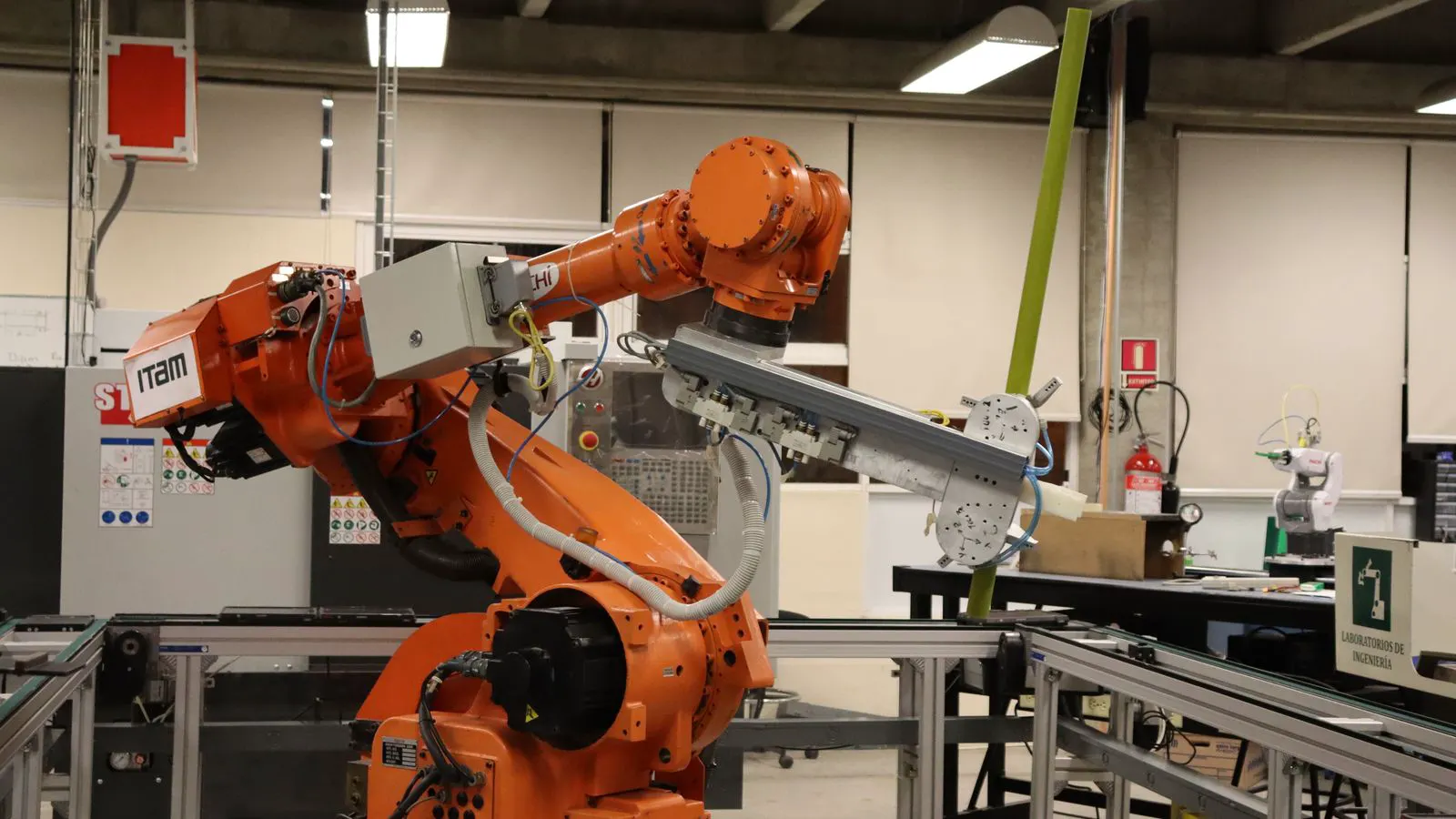
Modern palletizing is shifting from heavy mechanical arms to lighter, more precise actuators. Many facilities are replacing fixed mechanical palletizers with robotic or semi-automated units. The change is not only about speed. It is about handling different case sizes, weights, and shapes without major physical modifications.
Robotic palletizers use grippers or force sensors to pick and place cases. They can adjust grip pressure based on case fragility. This reduces damage to the product and the case itself. Fixed mechanical palletizers often use a fixed number of fingers or a fixed lift path. They work well for one product type. They struggle when the case size changes.
Modular palletizers are gaining ground. These systems use interchangeable end effectors. A facility can swap a wide-span gripper for a narrow one, or change from a vacuum cup to a suction pad. Changeover time drops. Setup errors drop. The palletizer can handle multiple SKUs on the same line without custom hardware.
Buyers should ask vendors about modularity. Ask what parts are interchangeable. Ask if the end effector changes with the product or if the whole arm must be reprogrammed. The answer affects total cost of ownership.
How is software changing palletizing operations?
The control software is now the core of the palletizing system. Older machines relied on fixed PLC logic. Newer systems use adaptive algorithms that adjust to real-time conditions.
Three software areas are driving change.
-
Product recognition and mapping. Cameras and 3D sensors scan the case or the incoming product. The software identifies the case type, weight, and orientation. It then calculates the optimal stack position. This replaces manual setup where operators enter case dimensions by hand.
-
Stack optimization. The software decides the layer order. It considers weight distribution, case stability, and load height. It can prioritize heavy cases at the bottom. It can keep light cases on top. It can avoid overhang.
-
Integration with MES and WMS. The palletizer now talks to the manufacturing execution system. It sends pallet ID data, case count, and product lot information to the warehouse management system. The pallet is scanned at the palletizer. The data travels with it to the dock.
Software updates are now delivered remotely. Vendors can fix bugs or add new product types without a site visit. This changes the service model. The palletizer becomes a connected device.
Buyers should evaluate the software stack, not just the hardware. Ask if the palletizer accepts external product data. Ask if it can export stack logs. Ask if the software supports multiple product types without a full reprogram.
How will case handling accuracy improve?
Case handling is where most end-of-line problems occur. A case that is tilted, crushed, or placed at the wrong angle causes jams. It creates unstable pallets. It leads to damage in transit.
Future case handling relies on three technologies.
3D vision systems map the case shape before picking. The robot adjusts its approach. It avoids grabbing a crushed corner. It compensates for case variation.
Force-feedback control senses resistance during placement. If the case does not seat properly, the robot adjusts its position. It does not force the case. It repositions it. This prevents case deformation.
Soft grippers and compliant end effectors reduce damage. Traditional grippers apply constant force. Soft grippers adjust pressure based on the case material. They work better with corrugated board, plastic, and mixed materials.
The result is fewer rejects. Fewer manual interventions. Higher first-pass yield. Buyers should test case handling accuracy under real conditions, not just ideal conditions. Test with mixed case sizes. Test with slightly off-center cases. Test with cases that are slightly crushed.
How are end-of-line systems becoming more predictive?
Palletizers are generating data that was previously lost. Motor current, gripper position, cycle time, and error codes are now recorded. This data allows predictive maintenance.
Instead of replacing parts on a fixed schedule, facilities can replace them when they show signs of wear. A gripper that is taking longer to close may be due for replacement. A palletizer that is showing inconsistent cycle times may have a worn bearing.
Predictive maintenance reduces downtime. It avoids replacing a part that still has life. It also reduces the risk of a sudden failure during a peak production run.
Buyers should ask if the palletizer provides maintenance logs. Ask if it flags abnormal behavior. Ask if the vendor offers data analysis services. The ability to see failure patterns before they happen is a major operational benefit.
What are the market directions for end-of-line automation?
The market is moving toward integrated end-of-line cells. Palletizers are no longer standalone machines. They are part of a system that includes case packers, stretch wrappers, and labelers.
This integration creates new challenges. Data must flow between machines. The palletizer must know when a case packer is running. The case packer must know when the palletizer is ready. If one machine stops, the others must slow down or stop safely.
The market is also moving toward smaller, more flexible cells. Facilities are running shorter runs of more product types. They need equipment that can change over quickly. Large, dedicated palletizing lines are less common. Modular, reconfigurable cells are more common.
Buyers should plan for integration, not isolation. When buying a palletizer, ask how it connects to the case packer. Ask how it handles line stop signals. Ask if it can run in a dedicated mode or as part of a larger cell.
How should buyers prepare for these changes?
Buyers should take five shifts into account when planning their end-of-line investment.
-
Shift from fixed to flexible. Assume the product mix will change. Buy equipment that can handle multiple SKUs without major modification.
-
Shift from hardware to software. Evaluate the control system as carefully as the arm. Ask about remote updates, data export, and integration capabilities.
-
Shift from reactive to predictive. Choose equipment that generates maintenance data. Use that data to plan parts replacement.
-
Shift from standalone to integrated. Plan the palletizer as part of a larger end-of-line cell, not as a separate machine.
-
Shift from capital to service. Ask about service models. Ask about software support. Ask about training. The cost of ownership extends beyond the purchase price.
Buyers should also prepare their facilities. Check the floor space. Check the power supply. Check the network. Future palletizers are heavier in software and lighter in physical footprint. They need data connectivity. They need stable power. They need room for integration.
The future of palletizing is not about one new machine. It is about a system that adapts. Buyers who plan for flexibility, data, and integration will be better positioned. Buyers who buy the cheapest fixed machine will find themselves replacing it sooner than expected.
How do new trends affect total cost of ownership?
Total cost of ownership changes when equipment becomes more flexible and data-driven. The initial purchase price may be higher. But the long-term cost drops.
Flexible palletizers reduce changeover time. Less changeover means more production time. More production time means more revenue per machine.
Predictive maintenance reduces downtime. Less downtime means fewer emergency repairs. Emergency repairs are expensive and disruptive.
Software integration reduces manual data entry. Fewer manual entries means fewer errors. Fewer errors means fewer rejected pallets.
Buyers should calculate TCO using the new model. Include the cost of integration. Include the cost of software licenses. Include the cost of training. Include the value of reduced changeover and reduced downtime. The calculation will look different than it did five years ago.
The future of palletizing is practical. It is about fewer stops, fewer errors, and more flexibility. Buyers who understand these shifts will make better decisions.
Frequently asked questions
How do I know if my current palletizer can handle future product changes?
Check if it uses interchangeable end effectors and software-based product mapping. If it requires custom hardware for each new case size, it is not flexible enough for a changing product mix.
What is the biggest risk in buying an end-of-line automation system?
Poor integration with upstream and downstream equipment. If the palletizer cannot communicate with the case packer or conveyor, it will cause bottlenecks and manual interventions.
Do I need a new palletizer if I am only running one product type?
Not necessarily. A fixed mechanical palletizer may still be cost-effective. But if the product mix is even slightly likely to change, a flexible or semi-automated unit may be better for long-term cost.
How long does integration with a case packer usually take?
Integration time varies by system complexity and vendor support. Simple conveyor connections take less time. Full data integration with product mapping and line stop signals takes more time and engineering.
What should I ask a vendor before buying a palletizing system?
Ask about modularity, software update capability, data export, integration protocols, and maintenance data features. These answers will show whether the system is built for the future or just for today.