Liquid Filler vs Rotary Sealer: Which Fits Your Line
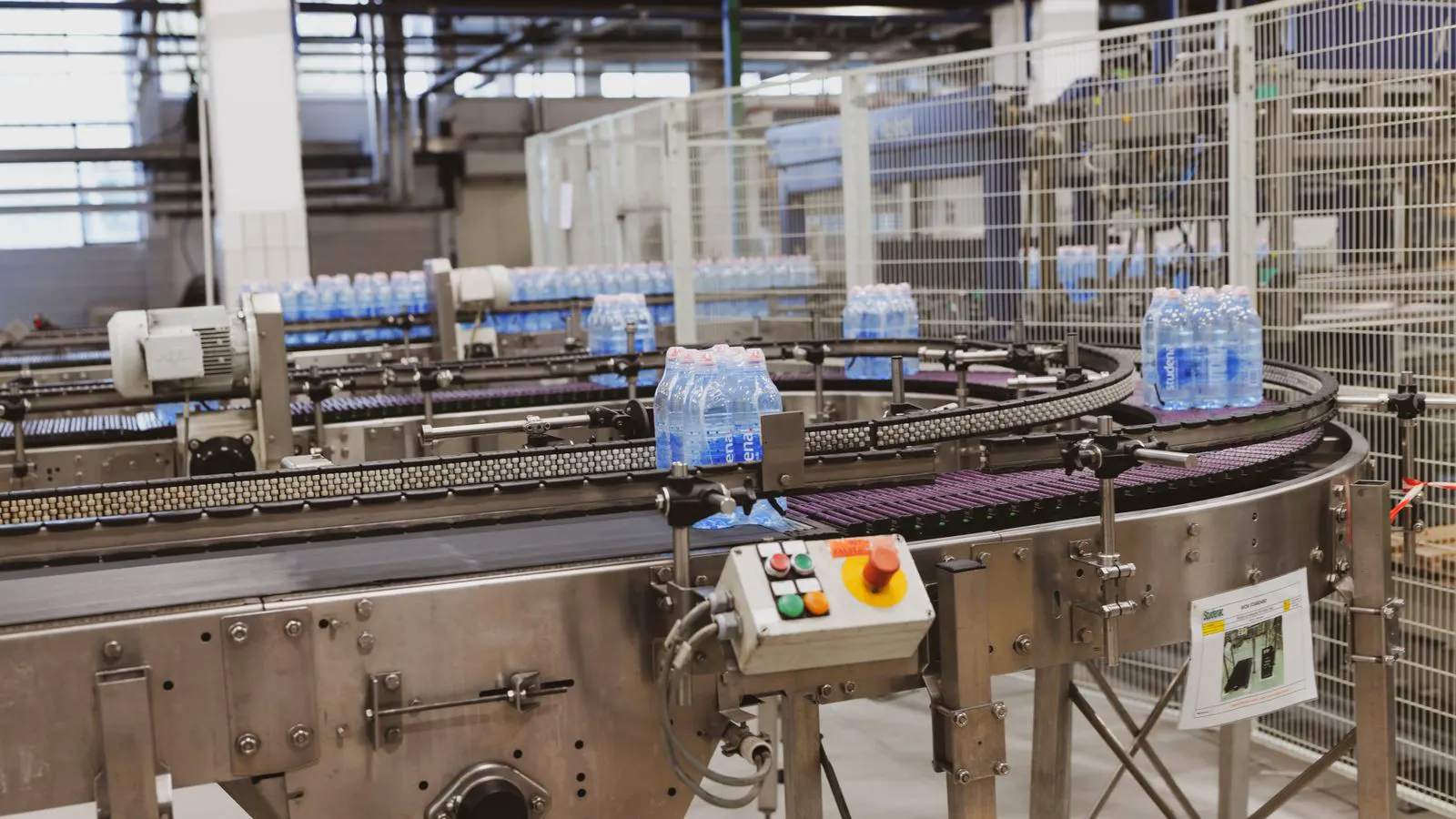
Choose a liquid filler based on viscosity and headspace, and a rotary sealer based on closure type and torque. Matching both to your line speed and product profile prevents bottlenecks and poor seals during operation.
- Match filler technology to viscosity and headspace to avoid drips and underfills.
- Select rotary sealer torque and closure compatibility to prevent leakage and breakage.
- Coordinate line speed so filling and sealing do not create a bottleneck.
- Validate the combination with a pre-production trial run before full scale operation.
Which machine does the heavy lifting on a liquid line?
A liquid filler moves product into a container. A rotary sealer closes and secures the container after filling. These two functions are distinct, but they must work together. If the filler drops product too fast, the sealer cannot catch up. If the sealer applies too much torque, the container deforms or the closure cracks. The choice between a gravity-fed liquid filler and a volumetric piston filler, or between a low-speed and high-speed rotary sealer, depends on the product, the container, and the target speed.
Start with the product. A water-based drink behaves differently from a viscous sauce or a carbonated beverage. Water flows easily and needs a controlled gravity headspace. A thick sauce needs positive displacement to avoid foaming and overfilling. Carbonated liquids require a different filling method to preserve carbonation. The container shape matters too. A standard PET bottle with a screw cap needs a rotary sealer with a consistent torque profile. A glass jar with a metal lid may need a different sealing pressure and a different closure mechanism.
The line speed is the connecting factor. A filler that runs at 60 bottles per minute can pair with a sealer that runs at 60 bottles per minute. If the filler is faster, the sealer becomes the bottleneck. If the sealer is faster, the filler becomes the bottleneck. You must match the two machines to the same speed profile.
How do liquid filler types differ in operation?
Gravity-fed fillers are common for low-viscosity liquids. A nozzle sits above the bottle opening. A valve opens and closes to control flow. The product falls into the bottle under gravity. This method is simple and inexpensive. It works well for water, juice, and non-carbonated soft drinks. The main risk is foam or splash. If the liquid is aerated or foamy, gravity filling can overfill the bottle. The filler needs a slow fill rate and a good headspace control.
Volumetric piston fillers use a pump to push a fixed amount of liquid into the bottle. The pump displaces a set volume with each stroke. This method is accurate for high-viscosity liquids like sauces, syrups, and thick oils. It also handles carbonated liquids better than gravity filling because the liquid is pushed into the bottle without air contact. The downside is complexity. Pumps need cleaning, and the piston seals wear over time. Maintenance is more frequent.
Tubular fillers are used for high-speed lines. They use a peristaltic pump or a rotary valve to push liquid through a tube into the bottle. This method is fast and clean. It works well for water and non-viscous beverages. The tube wears and needs replacement. The filling point is small, which helps prevent splashing.
The choice of filler type should match the liquid properties. A gravity filler is fine for water. A volumetric piston is better for sauce. A tubular filler suits high-speed water filling. Do not force a gravity filler to handle a viscous product. It will drip and underfill. Do not force a volumetric piston to run at very high speed. The seals will fail.
How does a rotary sealer work in practice?
A rotary sealer closes the container after filling. The bottles move through a rotating chamber or a star wheel. The sealer applies torque to the closure. For screw caps, the sealer twists the cap down. For flip-top closures, the sealer presses the cap into the opening. For metal lids, the sealer presses and possibly crimps the lid.
The key parts are the sealer head and the drive mechanism. The sealer head applies the closing force. The drive mechanism rotates the bottles. The torque must be consistent. If the torque is too low, the cap does not seal. If the torque is too high, the cap breaks or the bottle neck cracks. The sealer needs a feedback sensor to adjust torque in real time. Without feedback, you get a batch of poorly sealed bottles.
The closure type determines the sealer type. A plastic screw cap needs a different sealer head than a metal lid. A plastic cap is softer and needs a lower torque. A metal lid needs a higher torque and a different pressing surface. The sealer head must match the closure. Do not use a metal lid sealer head on a plastic cap. It will deform the cap.
The line speed of the rotary sealer is limited by the closure type. A simple screw cap can be sealed quickly. A metal lid with a crimping step takes longer. A flip-top closure needs a different mechanism. The sealer must be rated for the target speed. A sealer rated for 100 bottles per minute will struggle at 150. The torque will drop, and seals will fail.
How do filler and sealer choices interact?
The filler and sealer are not independent. The filler determines the headspace. The sealer determines the closure integrity. If the headspace is too large, the sealer may not reach the correct torque because the cap is too high. If the headspace is too small, the sealer may crush the container or the cap. The two machines must be aligned.
The line speed is the main constraint. If the filler runs at 120 bottles per minute, the sealer must also run at 120. If the sealer is slower, bottles will back up and collide. If the filler is slower, the sealer will starve and stop. The conveyor between the two machines must be sized to handle the speed. A belt too short will create a jam. A belt too long will cause product to sit for too long and spoil.
The container orientation matters too. The filler places the bottle on the conveyor. The sealer picks up the bottle and rotates it. If the bottle is not stable, the sealer will fail. The filler must orient the bottle correctly. The sealer must grip the bottle firmly. A misaligned bottle will cause a poor seal. The alignment is a mechanical issue, not just a software issue.
Comparison of common filling and sealing configurations
| Option | Best for | Limitations |
|---|---|---|
| Gravity filler with low-speed rotary sealer | Low-viscosity liquids, small batches, simple lines | Foam and overfill risk at high speed, limited throughput |
| Volumetric piston filler with medium-speed rotary sealer | Viscous liquids, sauces, carbonated beverages | Higher maintenance, seal wear, slower changeover |
| Tubular filler with high-speed rotary sealer | High-speed water and non-viscous beverage lines | Tube wear, limited to low-viscosity products, higher cost |
| Gravity filler with high-speed rotary sealer | High-speed water lines with simple caps | Foaming and overfill at speed, sealer torque limits |
| Volumetric piston filler with low-speed rotary sealer | Small batch specialty liquids | Low throughput, high cost per unit, slow changeover |
The table shows the common combinations. Each combination has a trade-off. A gravity filler is cheap but slow. A tubular filler is fast but expensive. A volumetric piston is accurate but complex. The sealer speed must match the filler speed. The closure type must match the sealer head. The product must match the filler type.
When to pick each configuration
Pick a gravity filler with a low-speed rotary sealer for small batch water filling. This setup is simple and cheap. It works well for a craft brewery or a small juice producer. The line speed is low, so the sealer does not need to be fast. The cap is a simple screw cap. The torque is low. The main risk is foam. Control the fill height and the valve speed to reduce foam.
Pick a volumetric piston filler with a medium-speed rotary sealer for viscous liquids. This setup is accurate and reliable for sauces, syrups, and thick oils. The piston fills a fixed volume, so the headspace is consistent. The sealer applies a controlled torque. The line speed is moderate, around 60 to 100 bottles per minute. The main cost is maintenance. The piston seals wear and need replacement. The changeover time is longer than a gravity filler.
Pick a tubular filler with a high-speed rotary sealer for high-speed water lines. This setup is fast and clean. The tube pushes liquid into the bottle with minimal splash. The sealer closes the cap quickly. The line speed can exceed 200 bottles per minute. The main cost is the tube wear. The tube needs replacement every few thousand bottles. The sealer must be rated for the high speed. The torque must be consistent at high speed.
Pick a gravity filler with a high-speed rotary sealer for high-speed water lines with simple caps. This setup is cheap but risky. The gravity filler may foam at high speed. The sealer may not keep up with the filler. The headspace may be inconsistent. This combination is not recommended for carbonated liquids. It works for still water and non-carbonated soft drinks. The main risk is poor seals and overfill.
Pick a volumetric piston filler with a low-speed rotary sealer for small batch specialty liquids. This setup is accurate and gentle. It is good for premium products or small batches. The line speed is low, so the sealer does not need to be fast. The piston fills a fixed volume, so the headspace is consistent. The main cost is the low throughput. The cost per unit is higher. The changeover time is long.
How to validate the combination before production
A pre-production trial run is the best way to validate the combination. Run the line at the target speed for at least one hour. Check the fill volume on every bottle. Check the seal torque on every closure. Check the headspace. Check the container orientation. Check the conveyor alignment.
Measure the fill volume with a scale. Weigh a sample of bottles and calculate the average fill. If the average is below the target, adjust the filler. If the average is above the target, adjust the filler. Check the variation. If the variation is high, the filler is not stable. Adjust the valve speed or the piston stroke.
Measure the seal torque with a torque wrench. Apply the torque to a sample of closures. If the torque is below the minimum, the seal will leak. If the torque is above the maximum, the cap will break. Adjust the sealer torque. Check the variation. If the variation is high, the sealer is not stable. Adjust the torque sensor or the drive mechanism.
Check the headspace. Measure the distance from the fill level to the top of the bottle. If the headspace is too large, the cap may not seal correctly. If the headspace is too small, the cap may crush. Adjust the filler height or the fill volume. Check the variation. If the variation is high, the filler is not stable. Adjust the valve speed or the piston stroke.
Check the container orientation. Look at the bottles on the conveyor. If they are not aligned, the sealer will fail. Adjust the filler orientation or the conveyor guide. Check the container grip. If the bottles are not gripped firmly, they will rotate. Adjust the sealer grip or the conveyor speed.
Run the trial run at the target speed. If the line jams, the speed is too high. Reduce the speed. If the line starves, the filler is too slow. Increase the filler speed. If the seals fail, the sealer torque is wrong. Adjust the torque. If the fill is wrong, the filler is wrong. Adjust the fill volume.
The trial run should produce a report. Record the fill volume, the seal torque, the headspace, and the line speed. Record any failures. Record the adjustments. This report is useful for future troubleshooting. If a problem appears in production, you can compare the current settings to the trial run settings.
Common mistakes that break the filling and sealing combination
The most common mistake is mismatching line speed. The filler runs at 120 bottles per minute, but the sealer runs at 80. The bottles back up and collide. The sealer jams. The line stops. Fix the speed. Match the filler and sealer to the same speed.
The second mistake is using the wrong sealer head. A plastic cap sealer head is used on a metal lid. The cap deforms. The seal fails. Use the correct sealer head. Match the head to the closure type.
The third mistake is ignoring foam control. A gravity filler is used on a carbonated liquid. The liquid foams and overfills. The headspace is too small. The sealer crushes the cap. Use a volumetric piston filler or a tubular filler for carbonated liquids.
The fourth mistake is poor container alignment. The bottles are not aligned on the conveyor. The sealer fails to grip. The cap is not sealed. Adjust the filler orientation or the conveyor guide.
The fifth mistake is skipping the trial run. The line is turned on at full speed without a trial run. The fill is wrong. The seal is wrong. The line jams. Run a trial run at the target speed. Validate the combination before production.
These mistakes are common, but they are avoidable. Match the filler and sealer to the product and the line speed. Use the correct sealer head. Control foam. Align the containers. Run a trial run. The combination will work.
Frequently asked questions
Can a gravity filler be used for carbonated liquids?
Generally no. Gravity filling introduces air and causes foaming, which leads to overfill and poor seals. Use a volumetric piston or tubular filler for carbonated liquids.
How do I know if my sealer torque is too high?
If the cap cracks, the bottle neck deforms, or the closure is difficult to remove, the torque is too high. Measure with a torque wrench and adjust downward.
What is the main difference between a tubular filler and a volumetric piston filler?
A tubular filler uses a peristaltic or rotary pump to push liquid through a tube. A volumetric piston filler uses a piston to displace a fixed volume. Tubular fillers are faster for low-viscosity liquids. Piston fillers are more accurate for viscous liquids.
How long should a pre-production trial run last?
Run the line at the target speed for at least one hour. This gives enough data to check fill volume, seal torque, headspace, and alignment.
Can I change the sealer head without changing the sealer body?
Yes, most rotary sealers have interchangeable sealer heads. The head must match the closure type and the torque range. Check the manufacturer specifications before swapping.