What Is a Local Spare Parts Network
A local spare parts network is a geographic distribution system that stores and ships critical components to nearby facilities. It reduces downtime by keeping stock close to production sites. Understanding its structure helps buyers evaluate supplier service terms and long-term maintenance costs.
- A local network prioritizes speed and availability over the deepest global inventory.
- Key decision points include stock depth, response windows, and technical support quality.
- Buyers should verify physical stock levels rather than relying on supplier claims alone.
- Hybrid models often balance local speed with global sourcing for rare components.
What Defines a Local Spare Parts Network
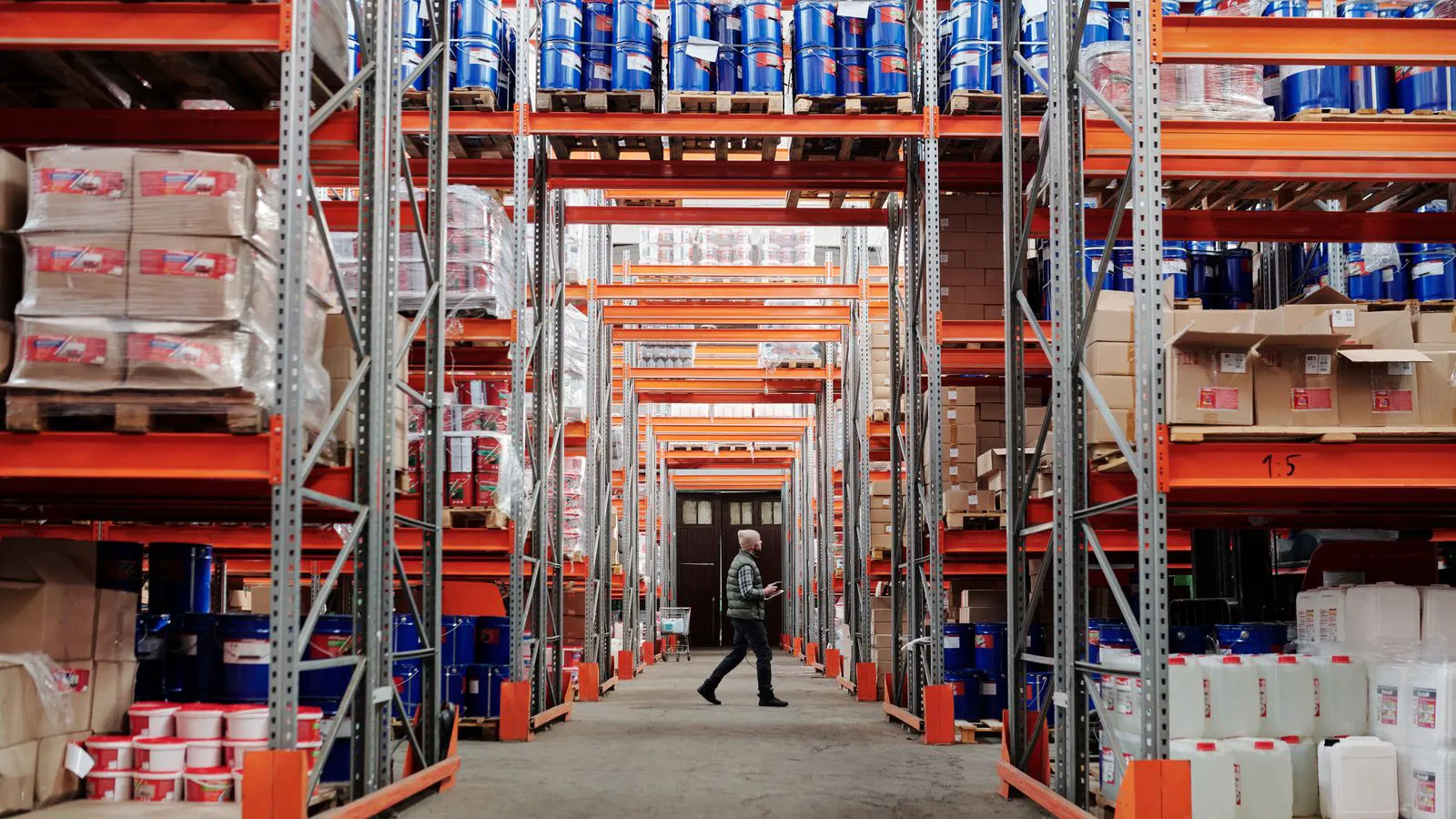
A local spare parts network is a structured system of warehouses, authorized distributors, and inventory points positioned near the customers who use the machinery. It exists to shorten the gap between a failed component and its replacement on the production floor.
Unlike a single factory or a global logistics hub, this network relies on multiple nodes. Each node holds a curated selection of items. The selection is based on failure rates, usage patterns, and the specific machines deployed in that region.
The core function is speed. When a seal bar breaks or a motor control board fails, the local network aims to deliver the part within hours rather than days. This changes the maintenance planning approach. Teams can plan around predictable replacement cycles instead of waiting for air freight from distant suppliers.
How Inventory Depth Shapes Service Levels
Inventory depth determines how many units of a part are stored at each local node. Deeper stock covers higher failure rates and longer service windows. Shallower stock reduces carrying costs but increases the risk of stockouts.
For high-frequency consumables like belts, seals, and nozzles, nodes often hold significant quantities. These items wear out on a regular schedule. A local supplier can replenish them quickly because the demand is predictable.
For complex components like drive units or control panels, depth varies. These items fail less often, so storing multiple units at every node is rarely practical. Instead, local networks may hold one or two spares and rely on a regional center for overflow.
This distinction matters for sourcing decisions. A buyer needs to know which items are stocked locally and which require escalation. The service agreement should specify the depth for each critical part.
Response Times and Service Windows
Response time is the measured gap between a service request and the arrival of the part or technician. Local networks promise shorter windows because the physical distance is shorter.
A typical service window for a local supplier might be a few business hours for standard parts. For complex repairs, it may extend to a full day or two, depending on the technician availability and part complexity.
The window is not just about delivery. It includes diagnostic support. A local supplier with technical engineers can often identify the failure remotely. They may guide the maintenance team through a fix that avoids a full part replacement.
Buyers should ask for specific response commitments in writing. Vague promises of “quick service” do not help during a production stoppage. Clear timeframes allow the plant manager to assess the risk of downtime.
The Role of the Local Supplier in Sourcing
The local supplier acts as the first point of contact for maintenance needs. They handle the order, verify compatibility, and coordinate delivery. Their effectiveness depends on their relationship with the manufacturer and their own inventory management systems.
A strong local supplier maintains detailed records. They track part numbers, machine models, and compatibility. This reduces the chance of sending the wrong item. It also speeds up the ordering process because the supplier knows exactly what is needed.
However, the local supplier is not always the manufacturer. They may be an authorized distributor. This adds a layer to the supply chain. The buyer must ensure the distributor has direct access to manufacturer support for technical questions and warranty claims.
If the supplier is independent, they may carry parts for multiple machine brands. This flexibility can be useful for mixed production lines. But it also means they may lack deep technical knowledge about a specific system.
Worked Example: A Bottling Line Failure
Consider a bottling line that uses a specific type of torque sensor. The sensor fails during a shift. The local spare parts network has one sensor in stock at a nearby warehouse.
The maintenance team calls the local supplier. The supplier confirms the part number and compatibility. They dispatch the part immediately. Because the warehouse is within a short distance, the part arrives before the end of the shift.
The line restarts with minimal loss. The technician logs the repair. The supplier updates the stock level. The next time the sensor fails, the supplier checks for a second unit. If none is available, they trigger a reorder from the regional center.
This scenario shows how the network works in practice. The speed saved time and maintained production flow. The local supplier managed the logistics and technical verification. The plant manager did not need to contact the global manufacturer directly for this issue.
Evaluating Network Coverage and Reliability
Coverage refers to the geographic area served by a local node. Some networks cover a single city. Others cover a large region with multiple drop points. The buyer must match the network coverage to their facility location.
Reliability is about consistency. A local supplier may have fast delivery one week and delays the next. Buyers should track performance over time. They should ask for data on on-time delivery rates and stock availability.
A network with multiple nodes is generally more reliable than one with a single point of failure. If one warehouse runs low on stock, another nearby node can cover the demand. This redundancy protects against local supply issues.
The supplier should provide a map of their distribution points. This helps the buyer understand the reach of the network. It also reveals potential gaps in coverage for remote sites.
Hybrid Models and Global Backup
Most large manufacturers use a hybrid approach. They maintain local nodes for common parts and keep global centers for rare or high-value components. The local network handles the fast, high-volume items. The global system covers the slow, low-volume items.
This model balances cost and speed. It avoids the expense of stocking everything locally. It also avoids the risk of long lead times for critical items.
The transition between local and global supply is managed by the supplier’s service team. They track stock levels and trigger reorders when thresholds are reached. The buyer may not see this process, but it ensures continuity.
When evaluating a supplier, ask how they handle out-of-stock situations. Do they have a clear escalation path? How long does it take to move a part from a global center to a local node?
Questions to Ask During Supplier Evaluation
- What is the average response time for critical parts at your nearest node?
- Which components are stocked locally versus on request?
- How do you handle warranty claims for parts delivered from a local distributor?
- Can you provide a list of your distribution points and their coverage areas?
- What is your process for verifying part compatibility before dispatch?
- How do you manage inventory levels based on historical failure data?
- Do you offer technical support alongside part delivery?
- What is your policy for emergency dispatch outside of standard business hours?
- How do you track service performance and share it with customers?
- What is the lead time for parts that are not stocked locally?
These questions help separate marketing claims from operational reality. The answers reveal the depth of the supplier’s infrastructure and their commitment to service.
Documentation and Technical Support
A strong local spare parts network provides documentation with each part. This includes installation guides, torque specifications, and compatibility lists. The information should be current and specific to the machine model.
Technical support is often bundled with part delivery. A local engineer can call the maintenance team to guide them through the replacement. This reduces the risk of incorrect installation, which can cause further damage.
The supplier should maintain a knowledge base. It should contain common failure patterns and recommended fixes. Access to this information helps the maintenance team troubleshoot issues before ordering parts.
Clear documentation also supports warranty claims. If a part fails prematurely, the supplier needs proof of correct installation. The documentation serves as that proof.
Final Considerations for Buyers
Choosing a supplier with a strong local spare parts network is a long-term decision. The initial cost of parts may be similar to other suppliers. The real value lies in reduced downtime and operational continuity.
Buyers should evaluate the network as part of the total cost of ownership. A cheap part that arrives in two weeks is not the same as a slightly more expensive part that arrives in two hours. The production value of those hours must be factored in.
The local network is only as good as its maintenance. If the supplier does not update stock levels or train its staff, service quality will degrade. Regular audits and performance reviews help keep the supplier accountable.
By understanding how a local spare parts network operates, buyers can make informed decisions about their maintenance partners. The focus should be on speed, reliability, and technical support, not just price.
Frequently asked questions
What is the difference between a local spare parts network and a global supplier?
A local network stores parts near the customer for fast delivery. A global supplier ships from distant centers, which takes longer but may offer a wider range of rare items.
Do local suppliers always stock every part for a machine?
No. They typically stock high-frequency consumables and critical spares. Rare or low-volume components are usually ordered on demand from regional or global centers.
How can I verify if a local supplier actually has the part in stock?
Request a direct confirmation from the specific warehouse serving your location. Ask for the part number and quantity. Do not rely on general website claims.
Is a local network better for warranty claims?
Often, yes. Local suppliers can inspect the failed part and process claims faster. However, the manufacturer may still need to approve replacements for complex failures.
What happens if the local node is out of stock?
The supplier should trigger a transfer from a nearby regional center. This adds delay but is usually faster than a global shipment. The service agreement should define this backup process.