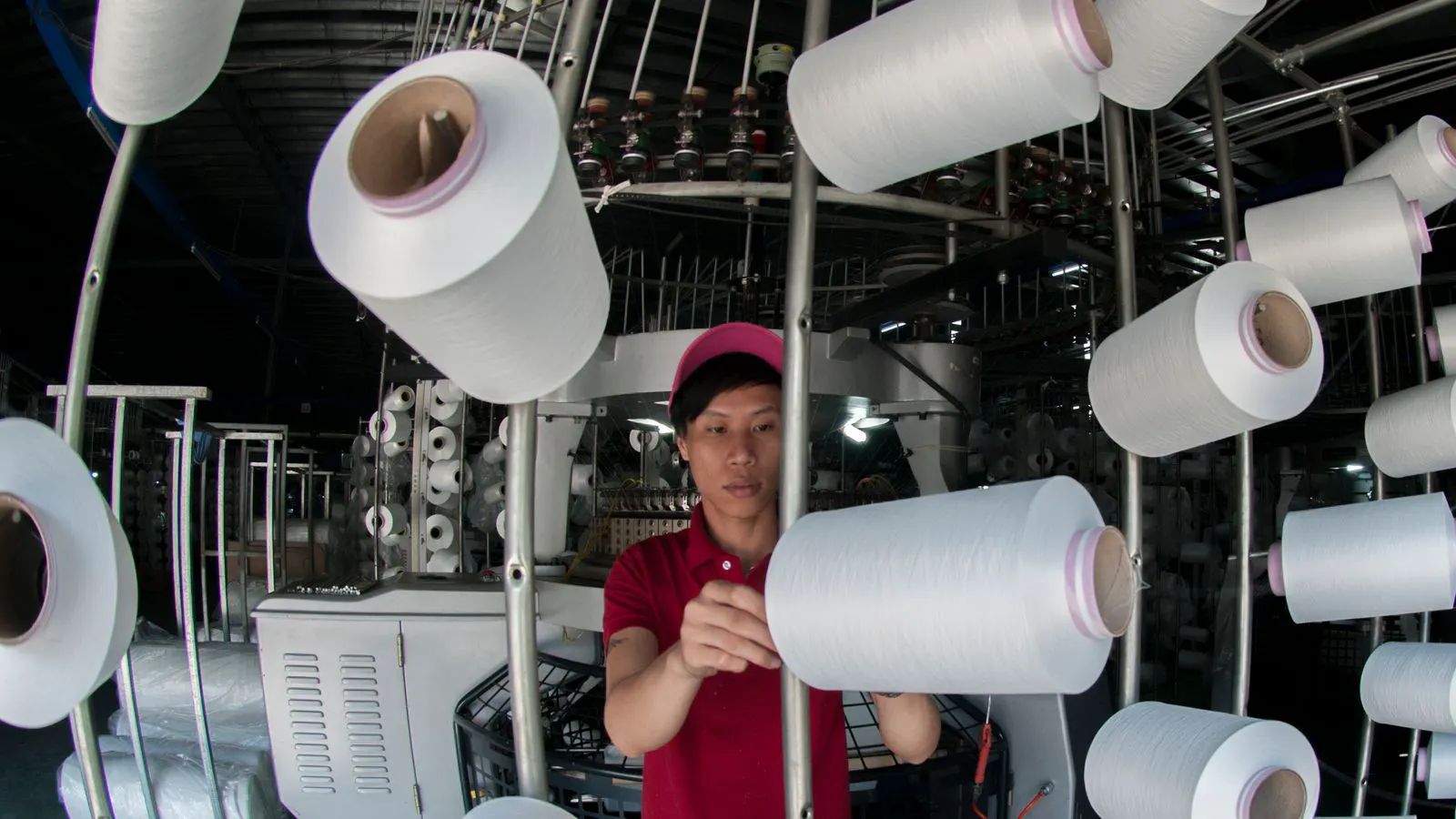
Explainer: OEM vs Independent After-Sales Support
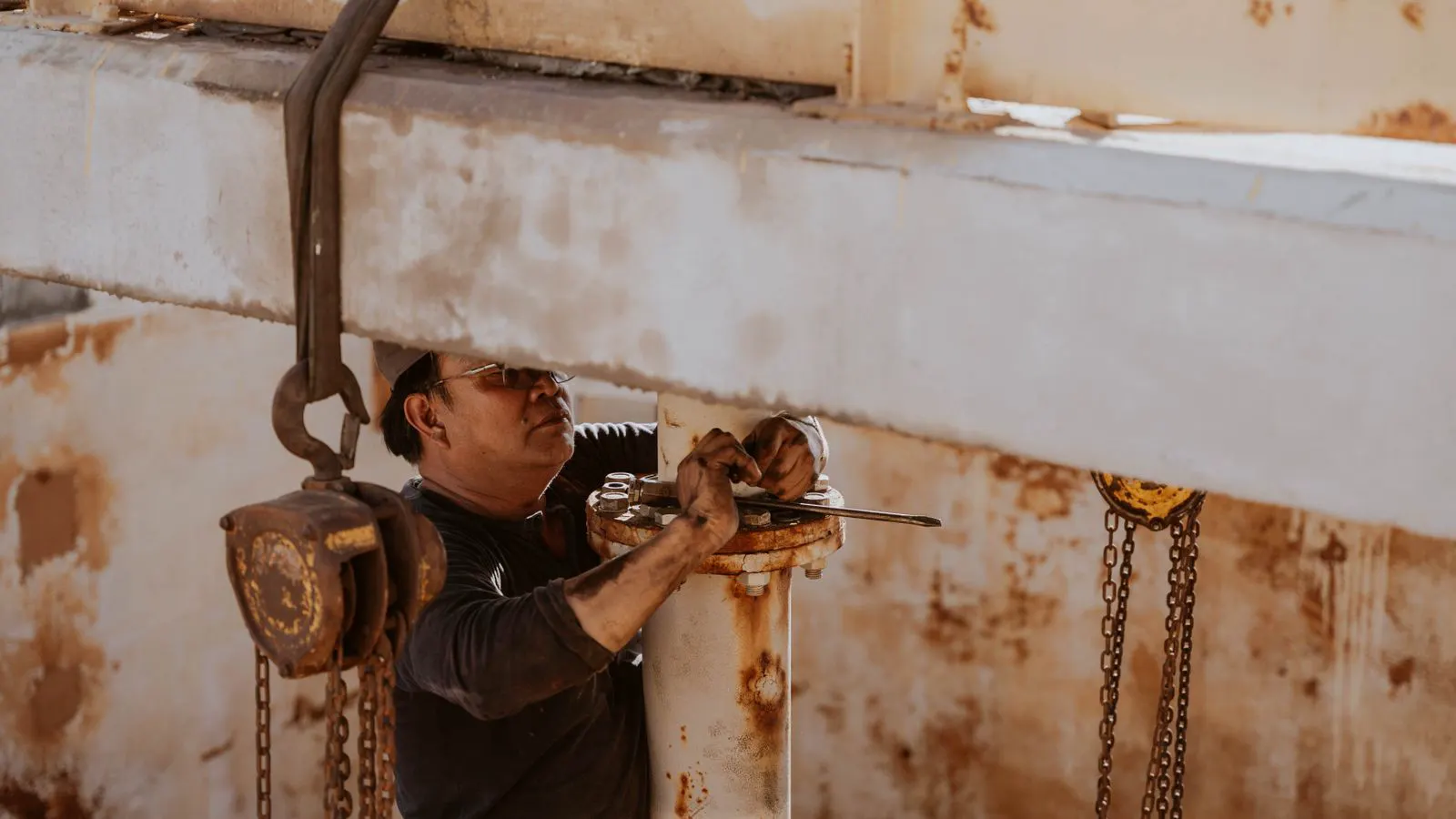
The choice between manufacturer and third party support depends on your risk tolerance, maintenance expertise, and production criticality. Evaluate response times, parts availability, and technical depth before signing a purchase order. This explainer breaks down how each model shapes sourcing decisions.
- OEM support offers direct access to original engineering and proprietary diagnostics.
- Independent providers often compete on pricing and regional speed of response.
- Evaluate response time commitments, parts inventory, and technical documentation access.
- A hybrid approach can protect critical lines while reducing costs for older assets.
What do OEM and independent support actually mean
When a buyer sources a packaging line, the purchase decision does not end at the machine price. The cost of keeping the line running defines much of the total ownership burden. After sales service determines how quickly a fault is diagnosed, who supplies the spare parts, and how well the machine behaves under changing production conditions.
OEM support comes from the original equipment manufacturer. The supplier built the machine. They hold the engineering drawings, the control logic, and the calibration data. They can often trace a vibration issue to a specific motor bearing or a servo parameter. Their service team speaks the language of the machine because they wrote the firmware and designed the drive train.
Independent support comes from third parties. These firms may be regional repair shops, specialist parts distributors, or multi brand maintenance contractors. They service many different makes of equipment. They may not have direct access to the manufacturer’s engineering files, but they often maintain local warehouses and employ technicians who understand general mechanical principles across multiple brands.
How the support model changes your sourcing decision
The choice of support model shapes your risk profile. A plant running a high speed filling line in a pharmaceutical environment cannot tolerate long downtime. A low volume bakery line that runs two shifts a week has different tolerance thresholds. The machine supplier you choose must align with your operational reality.
OEM support provides a single point of accountability. When a fault occurs, the manufacturer owns the diagnosis. They have the authority to modify control software or recalibrate sensors. Their service engineers can access proprietary diagnostic tools. The risk is that response times can vary by region. A major manufacturer may have a strong service office in a large industrial hub but limited coverage in a rural area.
Independent support often offers faster local response. A regional repair firm may dispatch a technician within hours. They may have generic spares in stock that solve common mechanical failures. The risk is that they may lack access to closed source software. If a fault requires a firmware update or a proprietary calibration routine, the independent provider may not be able to resolve it. They may have to escalate to the OEM or defer the fix.
This creates a trade off between technical depth and local speed. Buyers must weigh which risk they are more willing to absorb.
What to verify before you sign a purchase order
Before selecting a machine supplier, you need to verify the strength of their after sales service network. Do not rely on marketing claims. Ask for specific documentation. Request a list of service technicians who have been certified on the model you are considering. Ask for their recent certification dates.
Check the parts supply chain. Ask how long it takes to ship a critical spare part to your location. Ask if the supplier keeps a local buffer stock of wear items. Seals, belts, and photo eyes fail regularly. Having these on hand prevents unplanned downtime. For complex electronic components, ask if the supplier can provide a loaner unit or a temporary workaround while the final part arrives.
Review the service level agreement. This document defines response times, escalation paths, and warranty terms. Look for clear language on what happens when a service engineer cannot diagnose the fault on the first visit. Ask about remote diagnostics. Modern machines can transmit error codes and vibration data to a central server. A strong supplier will offer remote triage to confirm the fault before sending a technician.
A worked example in plain words
Consider a mid size food processor that buys a case sealer for its packaging line. The line runs three shifts a day. The plant manager knows that a case sealer failure stops the entire production floor. The sealer is the final step before products move to the warehouse.
The plant manager evaluates two suppliers. Supplier A is the original manufacturer of the sealer. They offer a five year warranty and a global service network. Their service engineer can access the machine’s control software directly. They can adjust the heat seal pressure and verify the product path. Their response time for a critical fault in the plant’s region is two business days.
Supplier B is a regional independent provider. They service ten different brands of case sealers. Their technician can fix a misaligned guide rail or replace a worn seal bar. Their response time is four business hours. However, if the fault is in the control cabinet, they do not have the software password. They would need to call Supplier A for a remote fix.
The plant manager chooses Supplier A. The line is too critical for the risk of a delayed software fix. The two day response window is acceptable because the plant has a buffer stock of cases and can reroute some production. The plant manager also negotiates a service contract that includes a local stock of seal bars and belts. This reduces the chance that a minor failure becomes a major stoppage.
The decision was not about price. It was about operational risk.
Where independent support makes the most sense
Independent support is a strong choice for older machines or non critical lines. If a plant has a line that runs at low volume, the cost of a premium service contract may not be justified. An independent provider can handle routine maintenance and minor repairs at a lower cost.
Independent support also works well for mixed brands. A plant may run sealers from two or three different manufacturers. Hiring one independent provider to service all of them simplifies the contract. The technician learns common mechanical principles that apply across brands. This reduces the administrative burden of managing multiple OEM service contracts.
For spare parts, independent suppliers can sometimes source generic components that fit OEM specifications. This can be useful for older machines where the original manufacturer no longer produces certain parts. The independent supplier may have access to a broader network of parts manufacturers. They can offer a price advantage on non critical spares.
The limitation is technical depth. Independent providers may not be able to optimize machine performance. They can keep the machine running, but they may not be able to improve cycle times or reduce energy consumption. They may not understand the specific product parameters that affect seal quality.
How to structure a hybrid support model
Many plants use a hybrid approach. They sign a service contract with the OEM for critical systems and major faults. They use an independent provider for routine maintenance and minor repairs.
The hybrid model requires clear boundaries. The plant manager must define what each provider covers. The OEM handles faults that require software access or major component replacement. The independent provider handles preventive maintenance, cleaning, and replacement of wear items.
This structure requires good documentation. The plant must maintain a single machine log. Every repair, whether performed by the OEM or the independent provider, gets recorded. This history helps both providers diagnose future faults. It also helps the plant track the condition of the machine over time.
The hybrid model can reduce costs. The plant pays a premium for the OEM contract but only for critical coverage. The independent provider charges a lower rate for routine work. The plant gets the technical depth it needs for critical faults and the local speed it needs for minor issues.
This approach also protects against supplier risk. If the OEM’s service network weakens in a specific region, the independent provider can step in for routine tasks. The plant is not fully dependent on a single vendor for all service needs.
Final considerations for the buyer
The choice of machine supplier is a long term relationship decision. The initial purchase price is only one part of the equation. The cost of service, parts, and downtime over ten years can exceed the machine price.
Buyers should ask for realistic service scenarios. How does the supplier handle a fault during a holiday? What happens if the service engineer cannot fix the fault on site? What is the process for escalation? These questions reveal the strength of the support model.
Do not assume that a large manufacturer always provides better support. Service quality varies by region and by product line. A large manufacturer may have a strong support network for their high volume products but weak coverage for niche equipment. An independent provider may have deep expertise in a specific region or industry.
The best machine supplier is the one whose support model matches your operational risk. Verify their capabilities. Test their response. Check their parts stock. Make the decision based on evidence, not brand recognition. The line that runs smoothly for ten years is the one that was supported well from day one.
Frequently asked questions
Can I switch from an OEM service contract to an independent provider later?
Yes, but you need to transfer the machine documentation and spare parts inventory. The independent provider will need to learn the machine specifics and may not have access to proprietary software.
Does the OEM support model always include spare parts?
Not always. Some OEMs sell parts separately from their service contracts. You need to clarify the parts supply terms in the purchase agreement to avoid unexpected costs.
How do I verify that an independent provider has the right technical skills?
Ask for case studies of similar machines they have serviced. Request references from other plants. Check if their technicians hold manufacturer certifications for the specific brand and model.
Is it worth paying a premium for OEM support on a new machine?
It depends on the criticality of the line. If the machine is the bottleneck in your production process, the premium may be justified. If the machine is a secondary asset, a hybrid model may be more cost effective.
What documents should I keep for my machine maintenance?
Keep a complete service log, including dates, parts replaced, and technician names. Store the original machine manual, electrical schematics, and software backup files. This documentation helps any service provider diagnose faults faster.