Cost and Lead Time for Industrial Palletizer Spare Parts
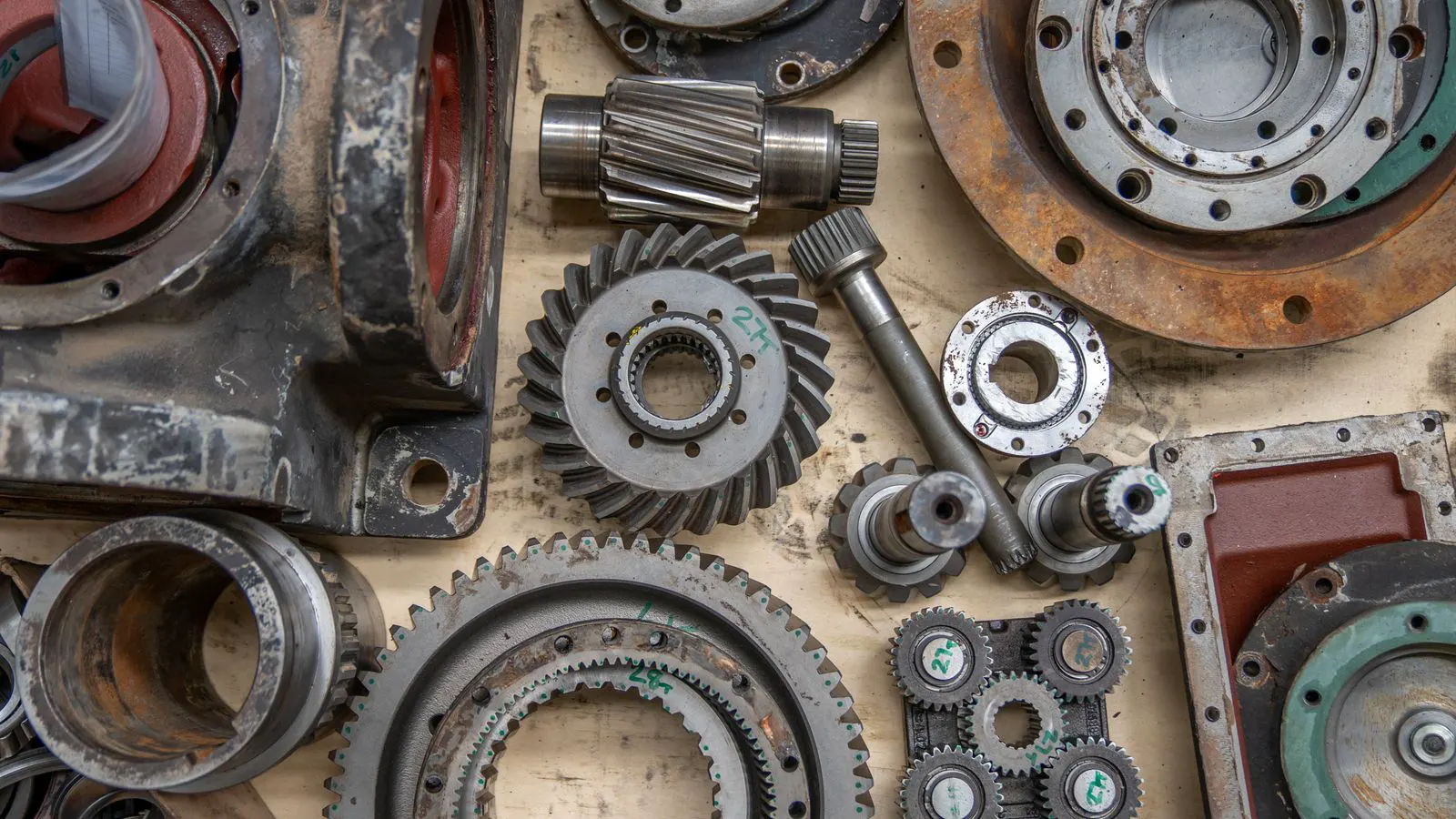
Palletizer spare parts costs depend on part type, material, and supplier access. Lead times vary by stock availability and custom manufacturing. A clear RFQ helps buyers compare quotes fairly and avoid unexpected delays on critical line components.
- Palletizer spare parts costs are driven by component type, material, and supplier access.
- Lead times depend on stock availability and whether parts require custom manufacturing.
- A clear RFQ with part numbers and specifications helps buyers compare quotes fairly.
- Buyers should verify parts availability before committing to a supplier.
What Drives the Cost of Palletizer Spare Parts
Palletizer spare parts range from low cost mechanical items to high cost electromechanical assemblies. The price of each part depends on several factors that buyers must identify before requesting quotes.
The first cost driver is the part type. Simple items such as belts, bearings, and seals tend to cost less than precision components like end effector joints, servo motors, or control boards. A replacement belt may cost a small fraction of a replacement motor, but both can stop production if they fail.
Material and manufacturing method also affect price. Standard steel parts cost less than stainless steel or aluminum components. Custom machined parts cost more than off the shelf items because they require setup, tooling, and quality checks.
Supplier access is a major factor. Parts made by the original equipment manufacturer usually carry higher prices but offer exact fit and compatibility. Third party suppliers may offer lower prices, but buyers must verify that the part matches the original specification.
How Lead Time Affects Spare Parts Sourcing
Lead time is often the bigger issue than price. A cheap part that takes weeks to deliver can cost more in downtime than a pricier part that ships in two days.
Lead time depends on whether the part is in stock. Many standard components are held in supplier warehouses and ship quickly. Custom or obsolete parts require manufacturing time, which can take weeks or months depending on the complexity.
Geographic location matters too. Parts sourced locally have shorter transit times than parts imported from overseas. Shipping method affects delivery speed as well. Air freight is faster but costs more than sea or road shipping.
Buyers should track the longest lead time for each critical part. If a single component takes eight weeks to arrive, that part becomes the bottleneck for the whole system.
How to Write a Clear RFQ for Palletizer Parts
A good RFQ saves time and prevents misunderstandings. The request for quotation should include enough detail so that suppliers can price the part accurately without asking follow up questions.
Start with the machine make and model. Include the serial number if you have it. Then list each part by name, part number, and quantity. If you do not have the part number, describe the part in detail. Include dimensions, material, and mounting method.
For electromechanical parts, include voltage, current, and communication protocol. For mechanical parts, include torque ratings, load capacity, and operating temperature. The more specific the information, the fewer mistakes in the quote.
State your delivery requirements clearly. Include the shipping address, required delivery date, and preferred shipping method. If you need the part before a specific production run, say so. Suppliers can prioritize orders that have hard deadlines.
Finally, ask for warranty and compatibility information. A part that fits mechanically but does not work with the control system will cause problems later. Ask the supplier to confirm that the part is compatible with your specific palletizer model.
How to Compare Quotes Fairly
Different suppliers quote in different ways. Some include shipping, some do not. Some quote per unit, some quote per lot. To compare quotes fairly, you need to standardize the terms.
Create a simple comparison table. List each supplier, the unit price, the total price, the lead time, and the warranty terms. Include all costs in the total price. Shipping, taxes, and installation fees should be included if they apply.
Check the lead time carefully. A lower price with a long lead time may not be worth it if your line is running at capacity. A higher price with a short lead time may save you from a production stoppage.
Verify that the part specification matches yours. If two suppliers quote different part numbers for the same component, ask for clarification. A mismatch can lead to a part that does not fit or does not work correctly.
Typical Cost and Lead Time Factors
The table below shows common cost and lead time factors for palletizer spare parts. The values are general ranges that vary by part, supplier, and market conditions.
| Factor | Description | Typical Impact |
|---|---|---|
| Part type | Simple mechanical versus precision electromechanical | Precision parts cost significantly more |
| Material | Steel, stainless steel, aluminum, plastic | Higher grade materials cost more |
| Supplier access | Original equipment versus third party | Original parts cost more but fit exactly |
| Stock status | In stock versus made to order | Made to order parts take longer |
| Shipping method | Air, sea, or road | Air is faster but costs more |
| Quantity | Single unit versus bulk order | Bulk orders lower unit cost |
These factors interact with each other. A single precision part made from stainless steel and shipped by air will cost more than a bulk order of standard steel parts shipped by road. Buyers need to weigh all factors before choosing a supplier.
How to Manage Spare Parts Inventory
Buyers can reduce risk by maintaining a small inventory of critical spare parts. The goal is not to stock every possible part, but to cover the parts that cause the most downtime.
Identify the parts that fail most often. Review your maintenance logs and failure history. Parts that are replaced frequently and have long lead times are the best candidates for inventory.
Store parts properly. Keep electronic components in a dry, temperature controlled environment. Store mechanical parts in a clean, dry area to prevent corrosion. Label each part with its name, part number, and the machine it fits.
Review your inventory regularly. Check stock levels at least twice a year. Update the list as your machine ages and as new failure patterns appear. A part that was reliable last year may start failing more often as the machine wears.
How to Build a Reliable Supplier Relationship
A good supplier relationship reduces risk and improves service. Choose suppliers who respond quickly to questions and provide accurate information.
Ask the supplier about their parts availability. Find out what they keep in stock and what they source on demand. Ask about their lead time for made to order parts. A supplier who can give you a realistic timeline is more valuable than one who promises fast delivery but cannot deliver it.
Negotiate terms that work for both sides. Some suppliers offer discounted pricing for annual contracts. Others offer free shipping on orders above a certain amount. Ask about warranty terms and return policies.
Keep a record of your orders. Save quotes, invoices, and shipping documents. If a part fails or does not fit, you need the paperwork to file a claim or request a replacement.
A strong supplier relationship is built on trust and communication. If you have a problem, tell the supplier early. If you receive a part that does not work, report it immediately. Most suppliers want to fix problems quickly, but they need the information to do so.
Final Checklist for Buying Palletizer Spare Parts
Use this checklist when requesting quotes and comparing suppliers.
- Identify the part by name, part number, and quantity.
- Include machine make, model, and serial number in the RFQ.
- Specify material, dimensions, and electrical requirements.
- State the required delivery date and shipping method.
- Ask for warranty and compatibility information.
- Compare quotes using the same terms and costs.
- Verify parts availability before placing the order.
- Keep a small inventory of critical spare parts.
Following this process helps you buy the right part at the right time. It reduces the risk of a production stoppage and keeps your palletizing system running.
Frequently asked questions
How long do palletizer spare parts usually take to ship?
Standard parts in stock often ship within a few days. Custom or made to order parts can take several weeks depending on manufacturing and shipping method.
Can third party suppliers replace original palletizer parts?
Yes, but buyers must verify that the part matches the original specification. A mismatch can cause fit or performance problems.
What information do I need to include in a parts RFQ?
Include the machine make and model, part number or detailed description, quantity, material, and delivery requirements.
Should I keep spare parts in inventory?
Yes, for critical parts that fail often or have long lead times. A small inventory can prevent expensive downtime.
How do I compare supplier quotes fairly?
Standardize the terms. Include all costs, shipping, and warranty in the comparison. Check that the part specification matches yours.