Comparison: On-Site vs Remote Technical Support
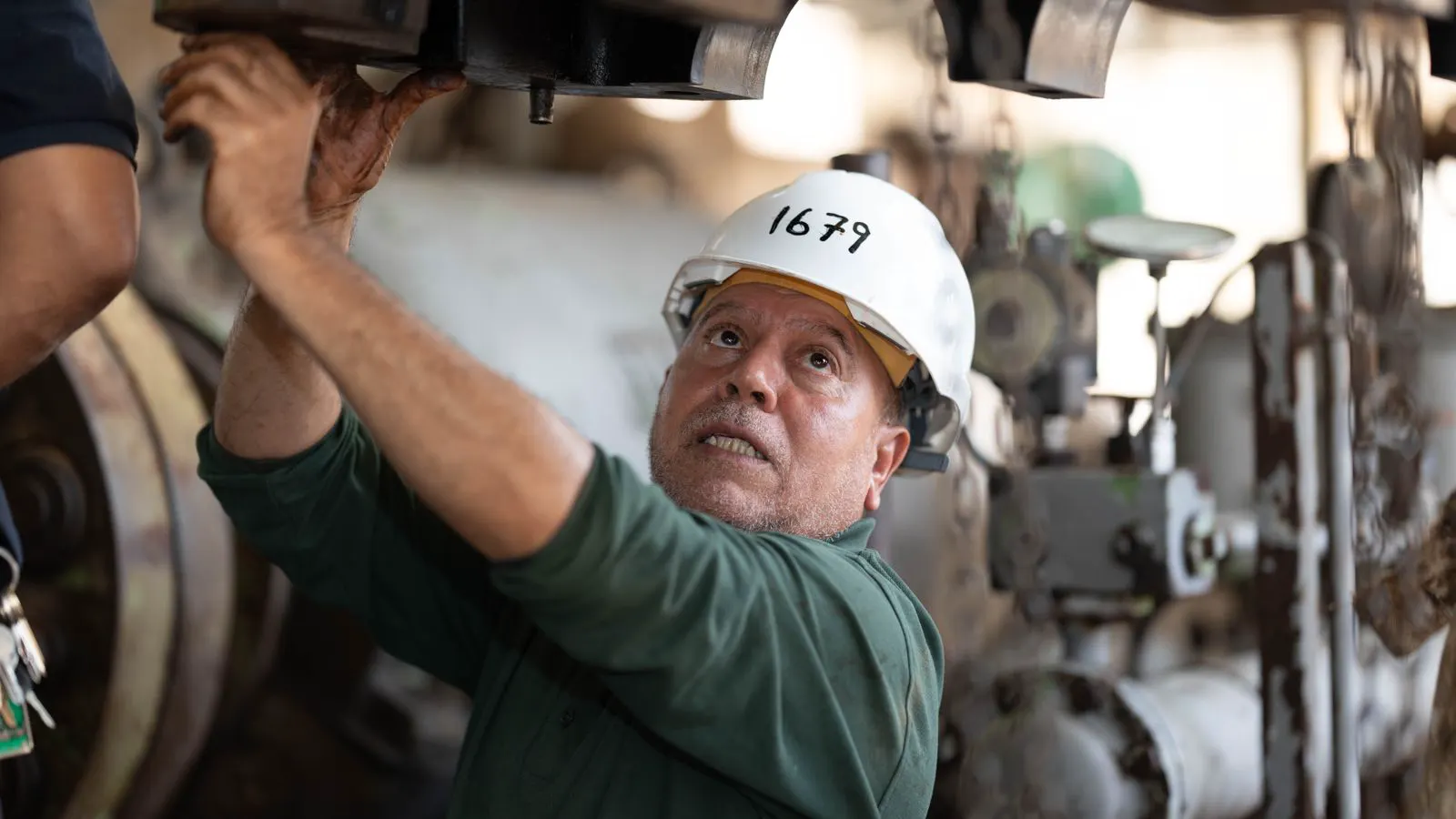
On-site technicians fix complex mechanical faults directly on the line, while remote support handles diagnostics, software updates, and minor adjustments from a distance. The best choice depends on machine complexity, downtime costs, and your location.
- Remote support reduces travel costs and is effective for software and sensor issues.
- On-site visits are required for mechanical damage, major part replacements, and complex integration problems.
- A tiered support model combining both methods often gives the best balance of speed and expense.
- Verify the machine supplier's response times and technician qualifications before signing a service contract.
- Keep spare parts and machine documentation accessible to support both remote and on-site interventions.
What determines the support method?
The choice between on-site and remote after sales service hinges on the nature of the fault and the cost of production downtime. A faulty photo-eye or a communication error in a PLC can often be resolved through a video call. A jammed film web, a broken drive belt, or a misaligned filling nozzle usually requires hands-on work.
Buyers should evaluate the machine’s complexity and their own technical capacity. If your plant has skilled maintenance staff, remote support may extend the life of the machine with less disruption. If the line runs 24/7 and downtime costs exceed the service fee, on-site response may be the safer bet.
Consider the specific type of packaging involved. A vertical form-fill-seal machine packaging loose powder requires different service attention than a rotary filler packaging liquid beverages. Powder lines often clog nozzles or accumulate dust on sensors, creating faults that may start remotely but end up requiring physical cleaning. Liquid lines face different risks, such as pump seal leaks or tube burst failures that demand immediate mechanical intervention.
Also consider the age of the machine. Older units with analog controllers and manual adjustment points are harder to diagnose remotely. A modern machine with a touchscreen HMI and digital diagnostic codes offers far more data points for a remote technician to work with.
How does remote support work?
Remote support relies on connectivity and digital access. Technicians use diagnostic software, video calls, and machine logs to identify faults. They guide operators or maintenance staff through troubleshooting steps. For modern machines with built-in diagnostics, remote teams can often pinpoint the issue before a visit is scheduled.
This approach works well for sensor calibration, software patches, and parameter adjustments. It also helps when a part is on the way, as the technician can walk the team through the installation process. The speed is high, and the cost is low. The limitation is that it cannot fix physical damage or replace worn components.
The process typically begins with the operator capturing the error code displayed on the HMI. The technician then requests access to the machine’s internal logs or cloud dashboard. They may ask the operator to run the machine in a specific mode, such as single-step or jog mode, to observe the sequence of movements.
For example, if a servo drive reports an overcurrent fault, the remote technician might ask the operator to disconnect the power and manually rotate the affected axis. They can then check for mechanical binding or debris. In some cases, the technician can adjust the servo gain parameters through the PLC to resolve the fault without any physical access.
Remote support also extends to software updates. If a supplier releases a firmware update to improve the timing of a cutting blade or optimize the temperature profile of a heat seal, the update can often be pushed directly to the machine over the network.
How does on-site support work?
On-site support involves a technician traveling to the plant. This is the standard approach for major maintenance, installation, or complex repairs. The technician brings tools, test equipment, and sometimes critical spare parts. They can assess the machine’s physical condition, check for wear and tear, and perform precise adjustments.
The trade-off is time and cost. Travel requires advance scheduling, and the technician may not arrive for hours or days depending on location. However, the resolution is often definitive. For a packaging line where a single jam halts the entire production run, the direct presence of a specialist can save significant output.
When a technician arrives on site, they typically begin by reviewing the maintenance log and any error codes recorded since the last visit. They then perform a visual inspection of the mechanical components. This includes checking the tension of drive belts, the alignment of guide rails, and the condition of pneumatic fittings.
For a form-fill-seal machine, the technician might measure the thickness of the film web at several points to ensure consistency. They would check the heating elements of the seal jaws for even heat distribution. For a labeling machine, they would verify the registration accuracy by running a test batch and measuring the label position against the product.
On-site visits are also the standard for initial installation. A new machine arrives at the plant in a disassembled or partially assembled state. The technician assembles the final components, levels the machine on the concrete pad, and connects it to the plant’s utilities. They then run the machine through a full commissioning cycle, adjusting the speed and feed rates until the machine operates within the required tolerances.
Comparison of support methods
| Option | Best for | Limitations |
|---|---|---|
| Remote Support | Software errors, sensor faults, minor adjustments, pre-visit diagnostics | Cannot replace parts, limited to connectivity and digital diagnostics |
| On-Site Support | Mechanical repairs, major part replacements, installation, complex integration | Slower response, higher cost, requires travel and scheduling |
| Hybrid Model | Ongoing maintenance, critical lines, mixed fault types | Requires coordination between remote and on-site teams |
| Local Independent Service | Quick access to common parts, routine maintenance | May lack OEM-specific knowledge or proprietary tools |
When to choose remote support
Remote support is the first line of defense for most modern packaging machines. If the machine stops and displays an error code, the technician can access that code through the machine’s interface or a cloud portal. They can often identify if the issue is a loose cable, a failed sensor, or a software glitch.
This method is ideal for plants with good connectivity and technical staff. It is also the most cost-effective option for minor issues. A remote session might take 15 to 30 minutes to resolve a problem that would otherwise require a full-day visit. For lines that run multiple shifts, this speed preserves production time.
The key is to have the machine’s documentation and spare parts list ready. If the remote technician determines that a part is needed, the order can be placed immediately. This shortens the total downtime. However, if the fault is mechanical, remote support will only delay the on-site visit.
Consider the scenario of a broken photo-eye sensor on a film web. The operator sees the error code and calls the support line. The technician asks the operator to check if the sensor is blocked by dust or if the cable is disconnected. If the sensor is simply dirty, the operator can clean it with a lint-free cloth and restart the machine. The production loss is minimal.
However, if the sensor housing is cracked or the internal LED is burnt out, the remote technician cannot fix it. They will order the replacement part and schedule a visit. In this case, remote support served only as a diagnostic tool.
When to choose on-site support
On-site support is non-negotiable for physical repairs. If a conveyor belt is torn, a motor is overheating, or a filling valve is leaking, a technician must be present to fix it. The same applies to initial installation and commissioning. A new machine requires precise alignment and calibration that cannot be done from a distance.
For high-value lines, such as those packaging pharmaceuticals or premium food products, on-site support may be contracted for routine maintenance. The technician checks for wear on bearings, seals, and belts before they cause failure. This proactive approach reduces unexpected breakdowns.
The cost of on-site support includes labor, travel, and accommodation for longer visits. Buyers should clarify these costs in the service contract. Some suppliers offer fixed-rate annual contracts that cover a certain number of visits. Others charge per hour. Understanding the billing structure helps predict maintenance costs.
An example of when on-site support is critical is a burst film web tube in a vertical form-fill-seal machine. If the tube bursts, hot liquid or powder can spill into the machine’s electrical compartments. The operator must stop the machine immediately. A remote technician can guide the operator on how to isolate the power and contain the spill, but only a physical technician can replace the tube, clean the electrical panel, and realign the forming guide.
How to evaluate a machine supplier’s service
The quality of after sales service is a key factor when selecting a machine supplier. Do not judge the supplier by the machine alone. Ask for details on their support network. Do they have technicians in your region? What is their average response time for critical faults?
Request references from other buyers in your area. Ask about their experiences with both remote and on-site support. Were the technicians knowledgeable? Did they arrive on time? Did the problem get fixed? These questions reveal the reality of the service.
Also, check if the supplier provides training for your maintenance team. A well-trained staff can handle minor issues remotely, reducing the need for expensive on-site visits. The supplier should provide clear documentation and access to diagnostic tools.
Look for a supplier that offers a structured onboarding process. This should include a detailed machine manual, a parts list with part numbers, and training sessions for your operators and engineers. If the supplier relies on verbal instructions or outdated documentation, the long-term service experience will likely be poor.
Ask about the supplier’s parts inventory. Do they stock common wear items like seals, belts, and sensors? If they do not, how long does it take to source a replacement part? A supplier that stocks critical parts in a local warehouse will have a significant advantage over one that ships parts from a distant factory.
Building a support strategy
Most plants benefit from a hybrid approach. Remote support handles the day-to-day diagnostics and minor adjustments. On-site support is reserved for major repairs and preventive maintenance. This model balances cost and availability.
To make this work, the plant must have the right infrastructure. Reliable internet connectivity is needed for remote sessions. Access to the machine’s diagnostic software is required. A clear protocol for escalating issues to on-site support ensures that no fault is left unaddressed.
Keep a log of all support interactions. Record the fault, the resolution, and the time taken. This data helps identify recurring issues and can be used to negotiate better service terms. It also provides a history that can be useful when troubleshooting new problems.
For example, if a machine repeatedly jams at the same point in the film web, the log may reveal that the jam occurs after a specific changeover or when a new film supplier is used. This pattern points to a mechanical issue, such as a worn guide roller, that requires on-site attention.
Final considerations
The speed and cost of after sales service are interconnected. Remote support is faster and cheaper but less capable. On-site support is slower and more expensive but more effective for complex faults. The best choice depends on the specific needs of your production line.
Before selecting a machine supplier, review their after sales service capabilities. Verify that they can meet your requirements for response time, technician expertise, and parts availability. A machine that is difficult to service can offset its initial advantages.
Prioritize a supplier that offers a balanced support model. Ensure that your team is trained to use remote tools. Keep spare parts on hand for common failures. This preparation reduces downtime and extends the life of your packaging machinery.
Frequently asked questions
What is the typical response time for remote support?
Remote support can often begin within minutes or hours, depending on the supplier's support hours and the complexity of the issue. It is much faster than scheduling an on-site visit.
Can remote support fix all types of faults?
No. Remote support is limited to issues that can be addressed through software, diagnostics, or guidance. It cannot replace physical parts or fix mechanical damage.
How much does on-site support cost compared to remote support?
On-site support is generally more expensive due to travel, labor, and potential accommodation. Remote support is typically a flat fee or a small hourly charge for the technician's time.
What information do I need to provide for remote support?
You should have the machine model, serial number, error codes, and a description of the issue ready. Access to the machine's diagnostic software and a stable internet connection are also required.
Should I choose a machine supplier with only on-site support?
It depends on your needs. If your machine is complex or located in a remote area, on-site support may be necessary. However, a hybrid model with remote support options is usually more cost-effective and flexible.