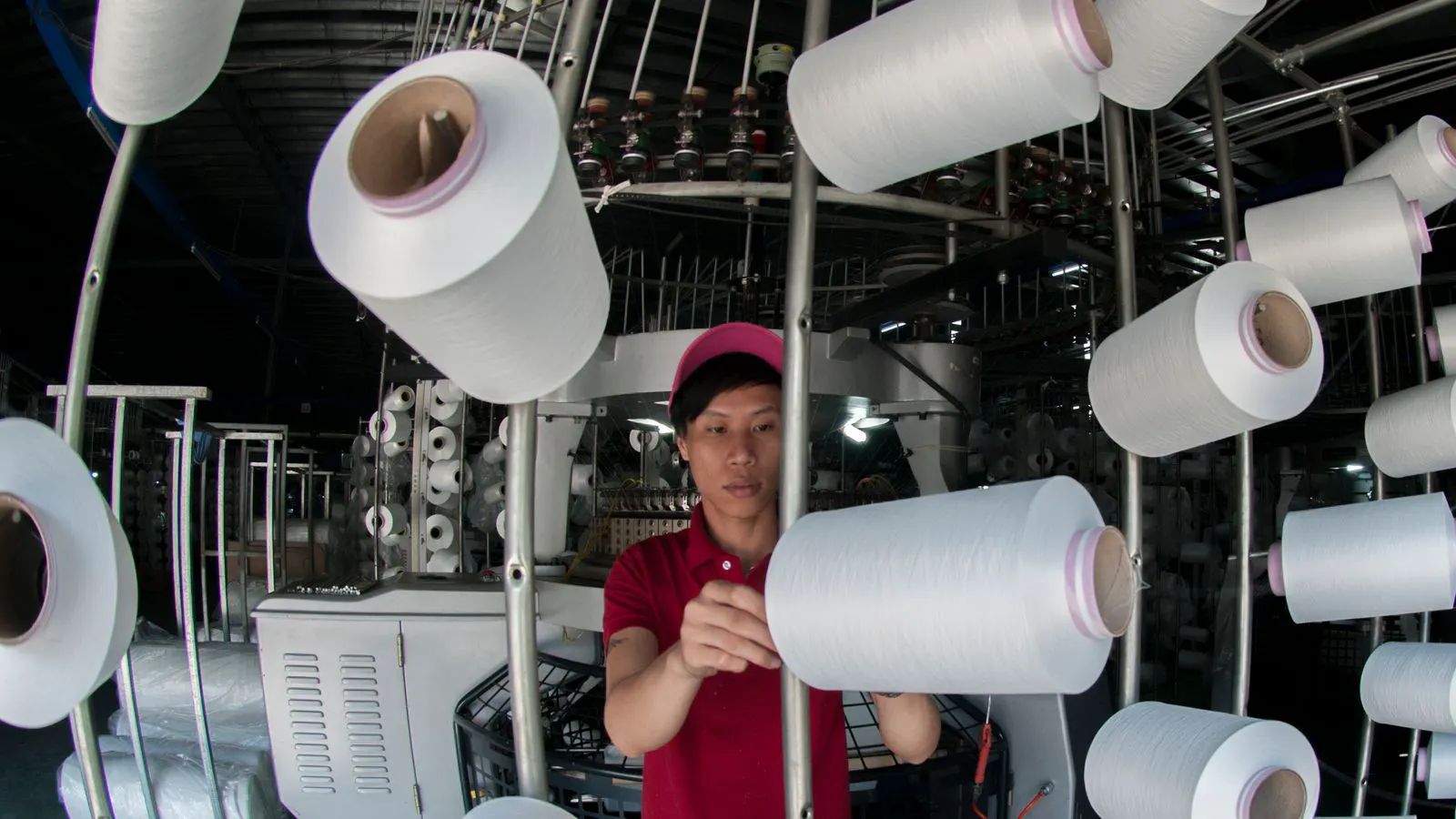
Comparison: Global vs Local Suppliers
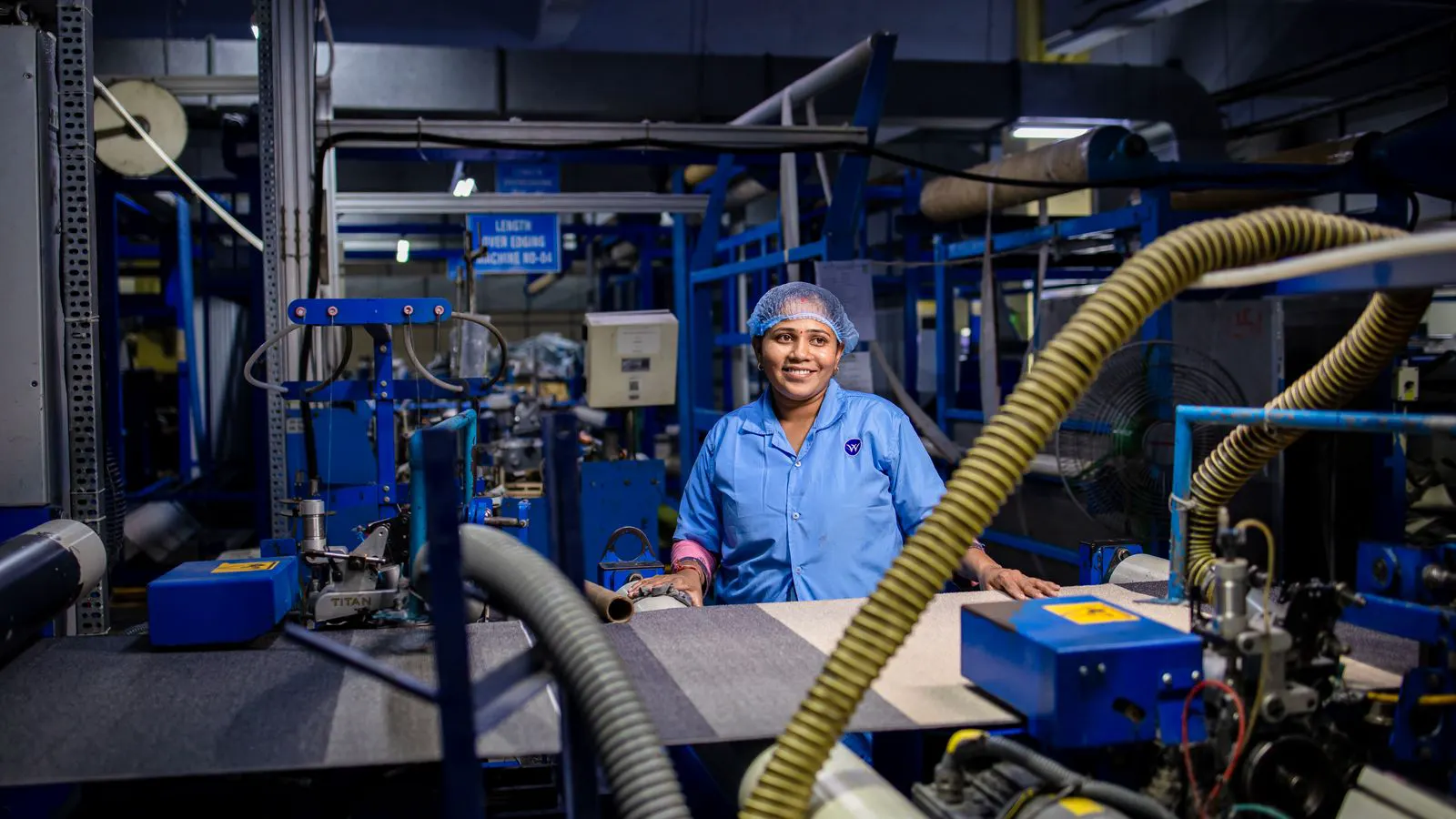
A global machine supplier often offers broader technology and competitive pricing, while a local packaging supplier provides faster service and shorter logistics. The best choice depends on your production volume, line criticality, and internal maintenance capability.
- Global vendors typically provide wider technology options and competitive pricing for high-volume or multi-site deployments.
- Local suppliers offer faster on-site service, simpler logistics, and shorter lead times for spare parts.
- Your decision should center on line criticality, internal maintenance skills, and total cost of ownership.
- A hybrid model with a global OEM and a local service partner can balance cost and uptime.
- Verify spare parts availability and response times before signing any supply agreement.
Choosing a machine supplier for a packaging line is rarely a simple binary decision. You are not just buying a machine. You are committing to a multi-year relationship that includes installation, operator training, spare parts, and ongoing technical support. The distance between your plant and the vendor affects every one of those variables.
This article compares global and local suppliers. It also covers hybrid models and practical questions to ask during the selection process. The goal is to help you build a defensible shortlist based on your operational needs, not marketing claims.
How Global Suppliers Typically Differ from Local Ones
Global machine suppliers operate across multiple markets. They often standardize platforms to reduce engineering complexity and improve unit economics. This approach works well when a single machine configuration needs to serve many customers. The result is a broader catalog of options, from simple cartoning to complex multi-head filling and sealing.
Pricing for global machines often reflects scale. A large vendor can spread research and development costs across thousands of units. That structure tends to produce lower capital costs per unit. However, the machine may come with more options, which can complicate the specification process. You may need to define tolerances, materials, and interfaces more precisely than you would with a local builder who has already seen your product type.
Local suppliers usually have a narrower catalog. They specialize in a few machine families and know the regional standards and utility conditions well. Their machines are often simpler in design. That simplicity can be an advantage. Fewer moving parts, fewer sensors, and fewer control layers often mean fewer failure points.
The trade-off is technology. A local vendor may not offer the same level of automation or data integration as a global player. If your line requires advanced vision inspection, high-speed changeover, or direct integration with a plant-wide MES, you may need to evaluate whether a local supplier can meet that requirement or if you would need a retrofit.
The Service and Spare Parts Equation
Service is where the location question becomes most concrete. When a machine fails, the cost is not just the part. It is the downtime, the labor, and the production loss. A local supplier can often send a technician within hours. A global supplier may take days to ship a specialist technician.
Spare parts follow a similar logic. Local vendors usually keep common wear items in regional stock. A global vendor may rely on a central warehouse or a distributor network. You need to verify what is actually available and where. Do not accept a general statement about global parts availability. Ask for a list of critical components, their typical lead times, and the cost of expedited shipping.
The Buyers Guide: Assessing Supplier Response Times article on this site covers how to measure those times. The same approach applies here. Define what a “critical failure” means for your line. Then test the supplier’s response against that definition.
When you evaluate a global supplier, ask about local service partners. Many large OEMs use regional distributors or certified service centers. This creates a hybrid model. You buy from the global vendor, but service is delivered locally. The quality of that model depends heavily on the partner. A weak local partner can turn a good global machine into a difficult one to maintain.
When to Choose a Global Supplier
A global machine supplier makes sense in several specific scenarios. The first is high-volume production. If your line runs continuously for many shifts, the capital savings from a global vendor can offset the higher service cost. The machine will be running more, so the cost of downtime is higher, but so is the revenue per hour. You need to model both.
The second scenario is multi-site expansion. If you plan to build or upgrade lines at several locations, a global supplier can standardize the platform. That standardization reduces training costs, simplifies spare parts inventory, and makes operator transfers easier. A local supplier may not be able to serve multiple countries or regions without significant customization.
The third scenario is advanced technology. If your packaging process requires specific features, such as high-speed case packing, robotic integration, or complex fill-seal operations, a global vendor may have the engineering depth to deliver. Local suppliers may not have the talent pool or the test infrastructure to support those features.
Finally, a global supplier may be the right choice if you are buying a new product line that will not be replicated. You may need a machine that is tailored to a specific product, and a global vendor may have more experience with that type of product across different markets.
When to Choose a Local Supplier
A local packaging supplier is often the better fit when uptime is the top priority and the machine will be in a single location. If your line stops, your revenue stops. The cost of a local service response is usually lower than the cost of waiting for a global specialist.
Local suppliers also tend to be more flexible. They can modify a machine for a specific product or adjust a process parameter without going through a long engineering change order. That flexibility is valuable when your product mix changes frequently. A global supplier may treat every modification as a formal change, which adds cost and time.
Another advantage is relationships. With a local supplier, you can walk into their facility, see their service bays, and talk to the same technicians who will maintain your machine. That transparency builds trust. With a global vendor, you may never meet the people who actually service the equipment.
Local suppliers are also better for smaller production volumes. If you are running a few shifts or have a lower throughput, the capital savings from a global machine may not justify the complexity of long-term support. A local machine with reliable parts and quick service can deliver a lower total cost of ownership.
The Hybrid Model: Global OEM, Local Service
Many plants use a hybrid approach. They buy a global machine but require the supplier to designate a local service provider. This model gives you the technology of a global vendor with the responsiveness of local support.
This approach works best when the global vendor has a strong service network in your region. You need to verify that the local partner has the right technicians, the right parts, and the right response times. Do not rely on the global vendor’s general service claim. Ask for the name of the local partner, their certification status, and their service level agreement.
The service level agreement should cover response times, parts availability, and escalation paths. It should also address who pays for expedited shipping and who covers overtime labor. These details matter more than the headline price.
A hybrid model can be more complex than buying from a single local supplier. You have two parties to coordinate. The global vendor and the local partner may have different priorities. You need a clear contract that defines responsibilities. If the local partner fails to meet the service level, who is accountable? The global vendor or the partner?
Practical Questions to Ask Before You Buy
Before you sign a contract, ask the supplier a set of specific questions. These questions apply to both global and local vendors.
- What is the lead time for installation and commissioning?
- What is the typical response time for a critical failure?
- Where are critical spare parts stocked?
- What is the cost and lead time for a common wear part?
- Do you provide operator training, and how long does it last?
- What is the software update policy for the control system?
- Who handles warranty claims, and what is the process?
- Do you have references from customers in a similar industry?
- What is the typical failure rate for this machine type?
- What is the plan for end-of-life support if the machine is discontinued?
These questions reveal more about the supplier than any brochure. A global vendor may answer quickly, but the answers should be specific. A local supplier may take longer to respond, but they should be able to show you their service bays and their parts inventory.
The Explainer: What Is OEM Support and How to Verify Supplier Spare Parts articles on this site provide deeper guidance on these topics. Use them to build your checklist.
Building a Defensible Shortlist
The final step is to build a shortlist that reflects your actual needs. Do not compare a global vendor to a local supplier on price alone. Compare them on total cost of ownership. That includes capital cost, installation cost, training cost, spare parts cost, service cost, and downtime cost.
Assign weights to each factor based on your priorities. If uptime is your top priority, service and parts availability should carry more weight. If capital cost is the main constraint, the machine price and financing terms matter more.
Visit the suppliers. Walk into their facilities. See how they handle service calls. Talk to their technicians. The quality of their communication often predicts the quality of their support.
Do not let the global versus local label drive the decision. A local supplier can be as good as a global one if they have the right parts and the right people. A global supplier can be a poor fit if their local service partner is weak. The decision should be based on evidence, not geography.
Frequently asked questions
Is a global machine always more expensive to maintain?
Not always. A global machine may have higher service costs if the local service partner is weak. However, a global vendor with a strong local network can offer competitive maintenance costs.
How do I verify spare parts availability for a global supplier?
Ask for a list of critical parts, their stock locations, and typical lead times. Request a sample order of a common wear part to test the process.
Can a local supplier provide the same technology as a global vendor?
Sometimes. Many local suppliers partner with global component makers. They may not have the same in-house R&D, but they can integrate high-quality components into their machines.
What is the best way to handle a global supplier with no local presence?
Evaluate the risk carefully. If you must buy from a global vendor without local support, consider a third-party service provider or a hybrid model with a certified partner.
How long should I test the service response before buying?
There is no single rule. Test the process at least twice with a non-critical issue. If the response is slow or unprofessional, that is a red flag for a critical failure.